 The Middle East Film Festival
ایران در کانون توجه
Iran in the Spotlight :
and under fire

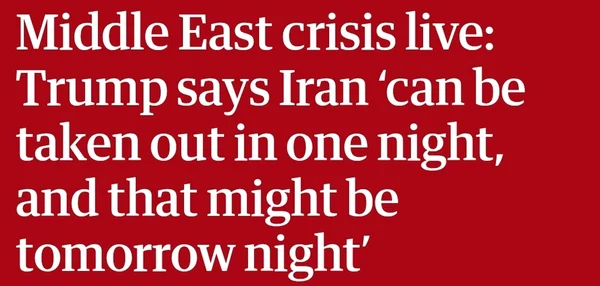
I didn’t plan things this way. But neither, I suppose, did Donald Trump. Much less so in his case, I believe, but once this story found its way to the British press from the French/Francophone press a couple of days earlier in the week, it was achingly predictable that he was going to need a BIG distraction. And so I don’t think that the snippet of conversation shown here (a day before the Supreme Leader got zapped) demonstrates supernatural powers of prophecy either in me or in the friend that I was texting with. It just shows that we have both been paying attention and drawing what logical conclusions we possibly can from his desperation and his madness. That’s all.
In my own world, the place that I can control to some extent, I was aware, at the end of 2025, that I had watched the vast majority of the Israeli, Jewish and Palestinian or Arab-made films on my lists, as well as more than half of the Turkish films, and I was going to need to plough through thirty or forty Iranian films in the first few months of this year, in order to get to some point of balance and strategic overview.
As we can all see, Donnie the Fat 🍊 doesn’t especially value slow buildup and strategic thinking. These events have precipitated me to feel the need to write a bit about Iran, however unprepared I feel, and so I’m just going to have to do my best here. If things had been a little different I think that I would probably have watched at least ten more Iranian films by now than I have at this point, but it’s quite hard to focus on Iranian cinema when there’s a Hollywood shoot-em-up gangsta movie being conducted over their skies.
Nevertheless, I’m going to have a go here at talking about some of the Iranian films that I’ve watched over the last month or two, which are fewer in number than I would have liked. Because I’m rushing into writing this post, I can’t say that I’m reaching here for a thematic arc, in the same way as I did for instance in my last post about relationships across the Israeli-Arab divide, but I do feel the need to react to some of the Iranian films that I’ve been watching. Here they are:
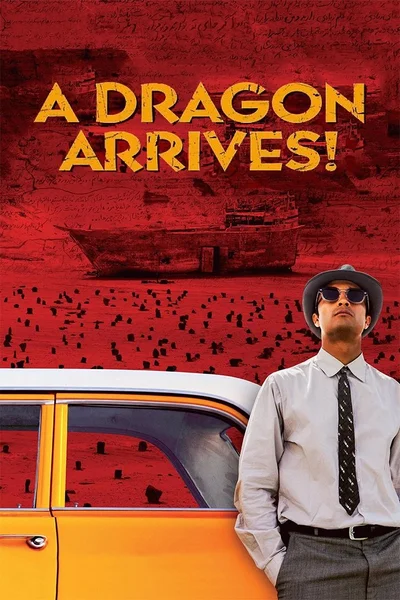
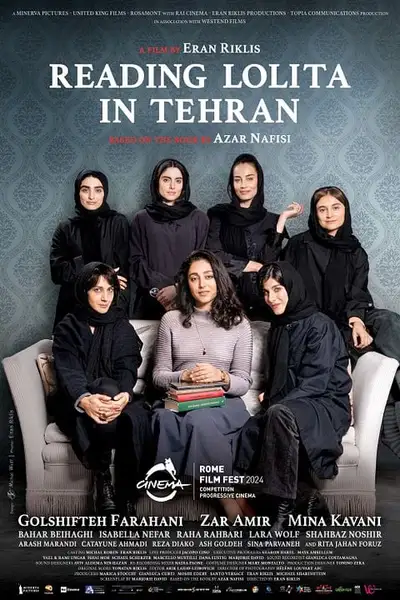

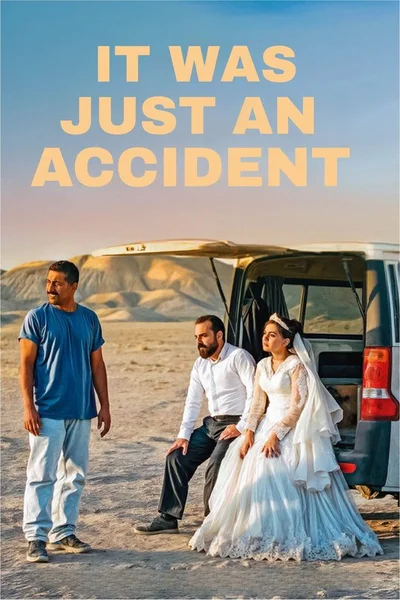
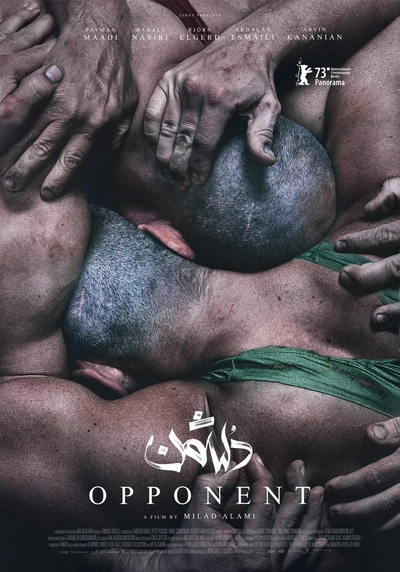
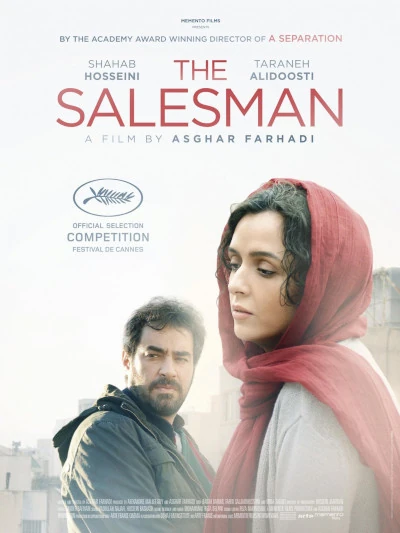
I will be mentioning a few more films in passing, but those are the films that I’m focusing on here. There is one shared theme among the four films in the middle of that row of posters:
- Circumstance (2011)
- Opponent (2022)
- Reading Lolita in Tehran (2024)
- It Was Just An Accident (2025)
They’re all in open dissidence to the terrible regime of the mullahs and the IRGC, whether from the perspective of women’s rights or gay rights (both, in the case of Circumstance), or just about the general abuse of human rights. Three out of the four were made outside Iran, and the last was filmed with enormous bravery inside the country. Let’s talk about all of them in due course.
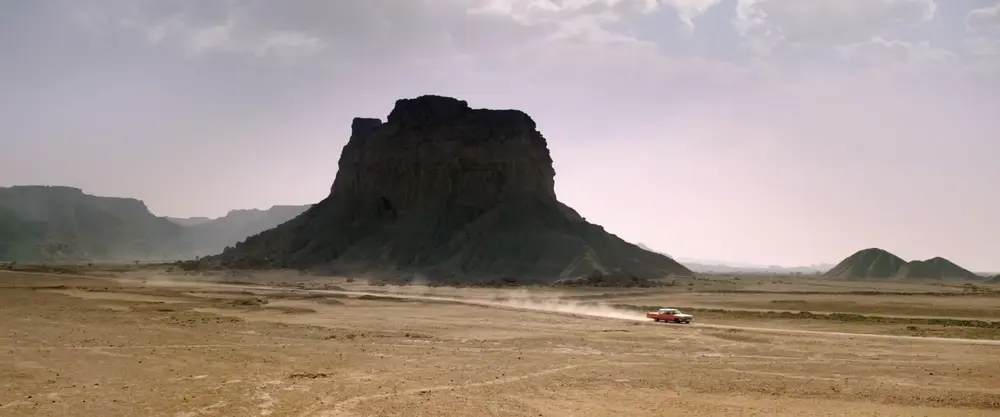
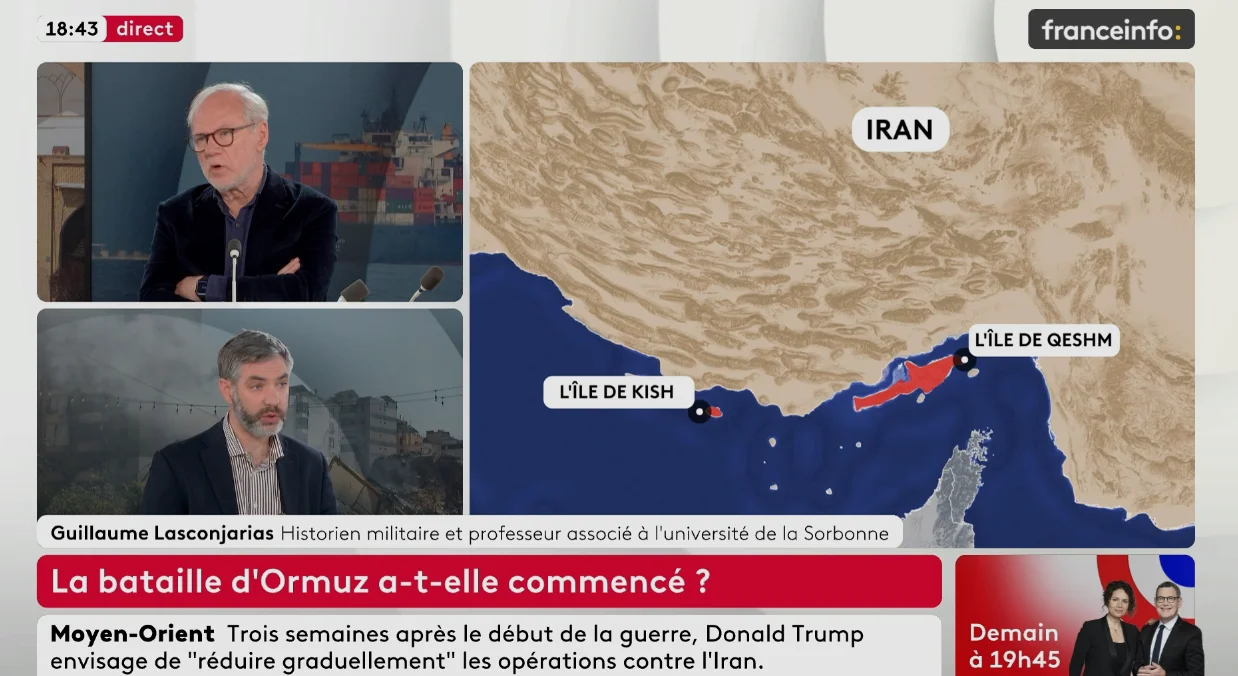
Those four in the middle will be a lot simpler to discuss than the two films at the left- and right-hand sides. All of them are excellent films, and each is full of its own beautiful nuances, but in the end we know what we’re looking at. The two films to the left and right fall into a different bucket. Asghar Farhadi’s The Salesman, to some extent at least, and Mani Haghighi’s A Dragon Arrives! (very much so!) are more opaque, and both raise a ton of questions. In the case of A Dragon Arrives! there are far more questions than answers, and in all honesty it’s in order to ponder those questions that I’m writing this very raw post, a long way ahead of whatever time I originally intended to write properly about Iranian cinema. Most of the action in that film takes place on the island of Qeshm, which you probably know (by the time that you’re reading this) is the elongated Iranian island on the western side of the now very very very famous Strait of Trump Hormuz. It was only a day or two after I watched the film (some time in early-to-mid March) that I heard experts talking about this island on the news. If you still need to look at any maps, here you go. Tap or click to enlarge. France Info, as usual, go into far more granular detail than the poor old BBC. God Bless Brexshitland.
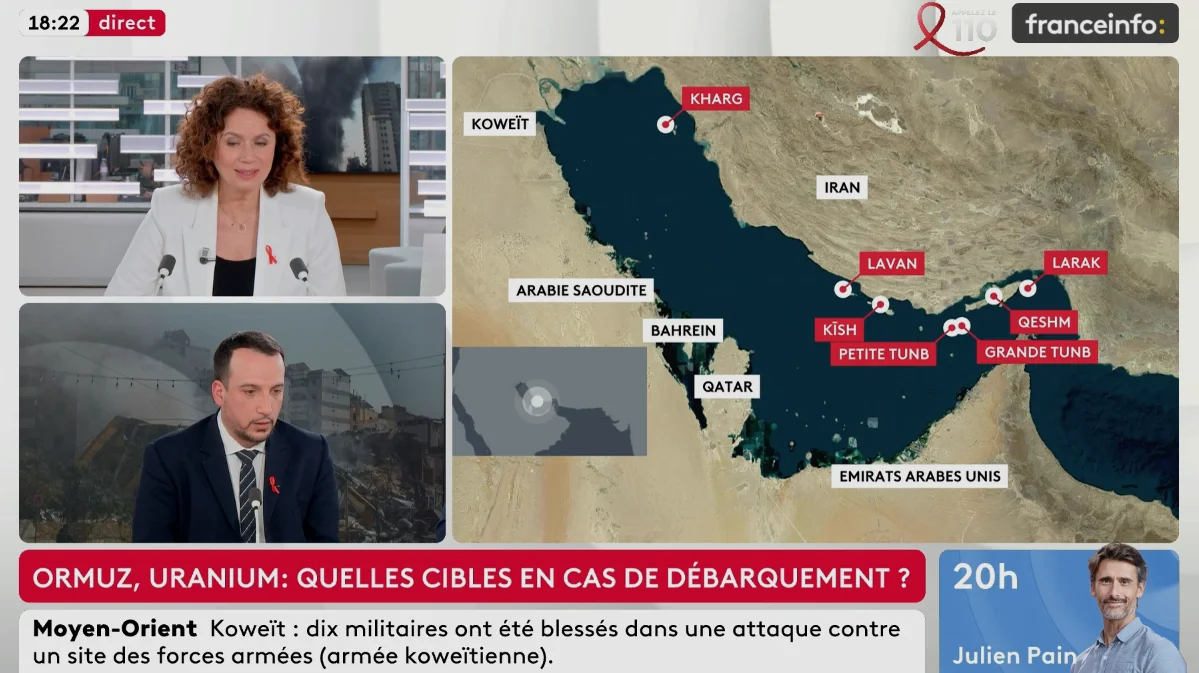
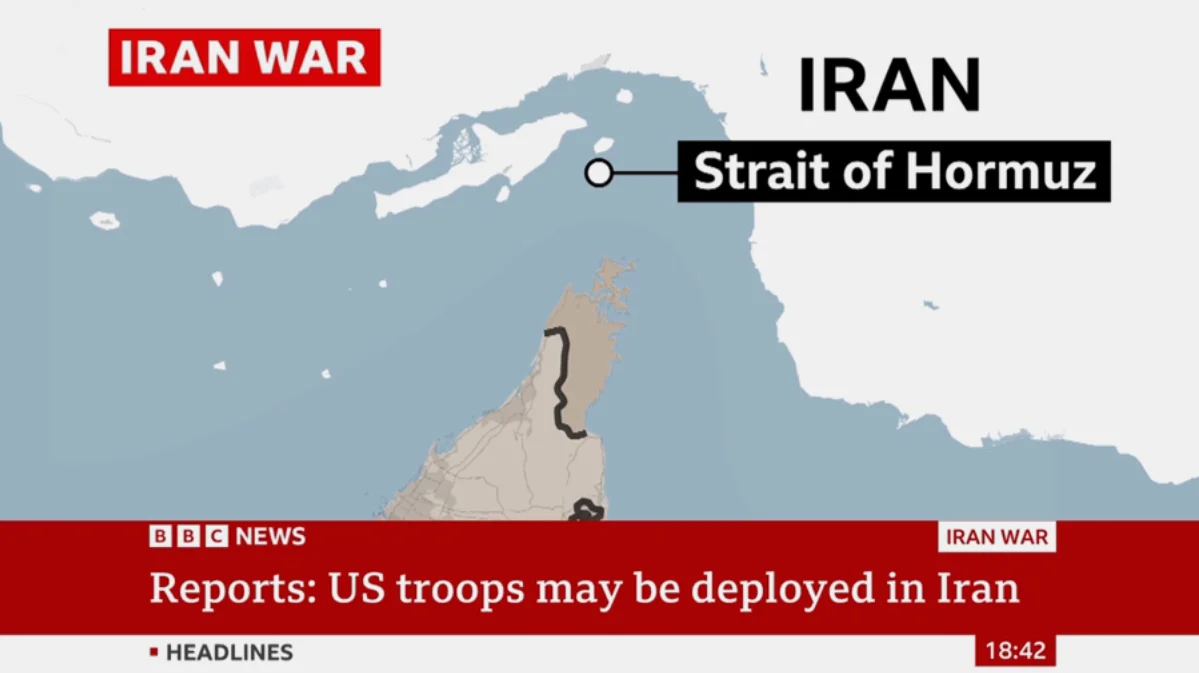
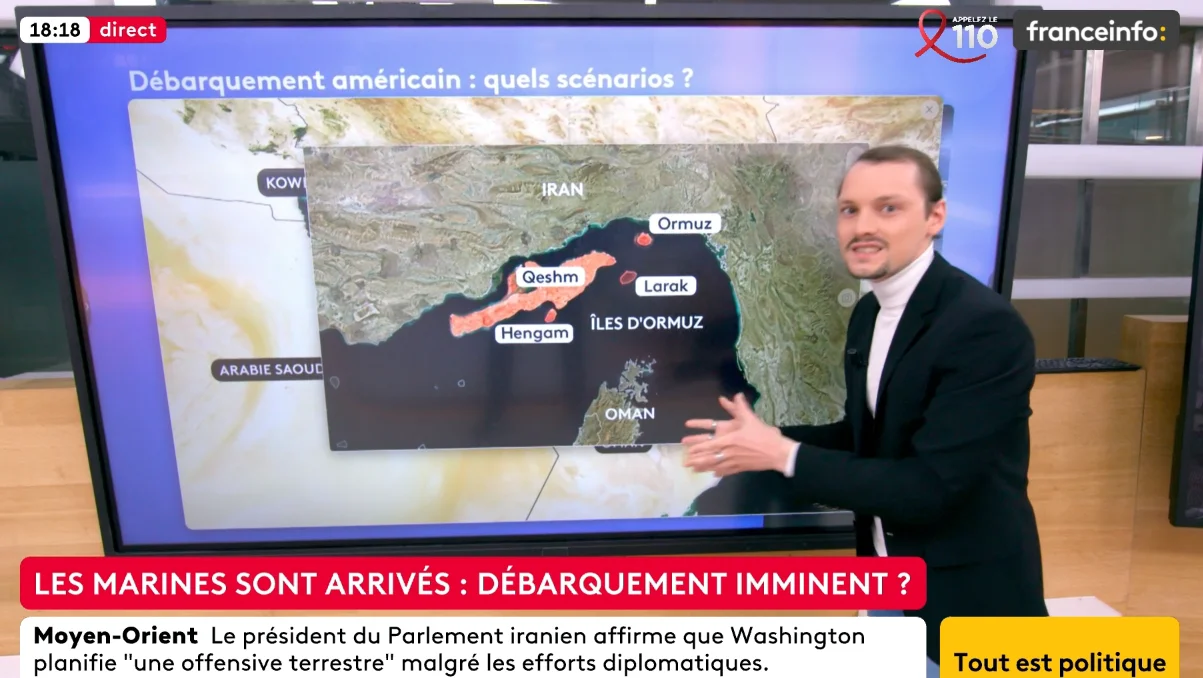
Still no boots on the ground at the time of writing these words (30/3/2026). Whether they’re going to be on Qeshm or other nearby islands, on Kharg Island, or both/all of them, or neither/none, Trump God only knows at this point. By the time you’re reading this, you presumably know.
Besides the obvious timeliness of all this, A Dragon Arrives! is so peculiar and so untypical of the curated image that we have of Iranian cinema that I felt the urge to look at it. We’re used to talking of Iranian cinema as being all about simple unfiltered realism, without a great deal of music or any other artifice. A Dragon Arrives! breaks all the preconceptions that we have in our heads. It’s got a banging soundtrack, it’s very stylised, and it’s intentionally complex and mystifying. I’ve been watching it again with the help of this very informative academic article by Mansoor Behnam, which I’m certainly not going to regurgitate in full. I’m really hanging on by my fingertips in any case, so excessive regurgitation from me would only lead to further confusion. Be assured that by the time this post has been completed, edited, and re-edited, I will almost certainly have watched that film three or four times.
I’ll start with the “easy” ones. To be clear, they’re easy to understand, but not especially easy to watch. Without any artifice, I’ll go through them chronologically.
Circumstance (2011)
Filmed entirely from exile (in Lebanon, specifically) and by Iranian exiles, this film holds nothing back. Atafeh and Shireen are school friends who have very obviously become more than friends. Atafeh is from a very well-to-do upper-middle class liberal family, which gives her access to the world of illegal underground parties which exist in Tehran and elsewhere, under the constant threat of being broken up by the infamous morality police. Shireen is from a more difficult background, having been orphaned and then brought up by a conservative aunt and uncle who are keen to get her married off as quickly as possible.
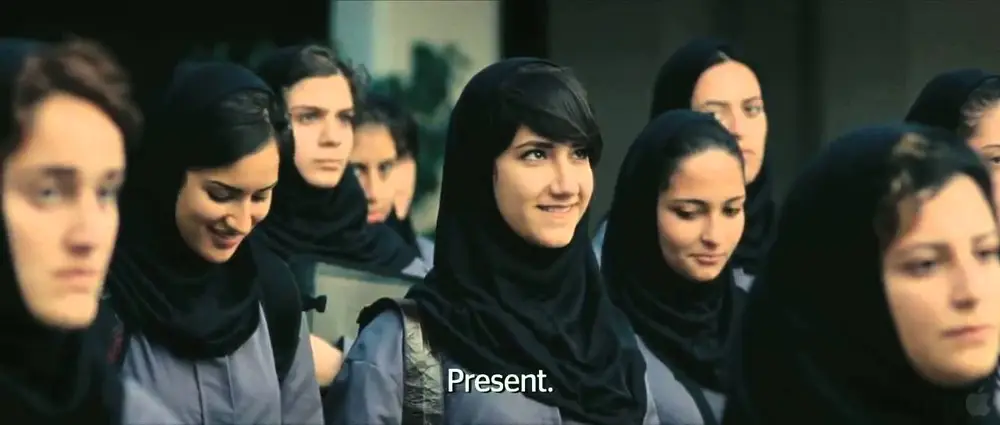
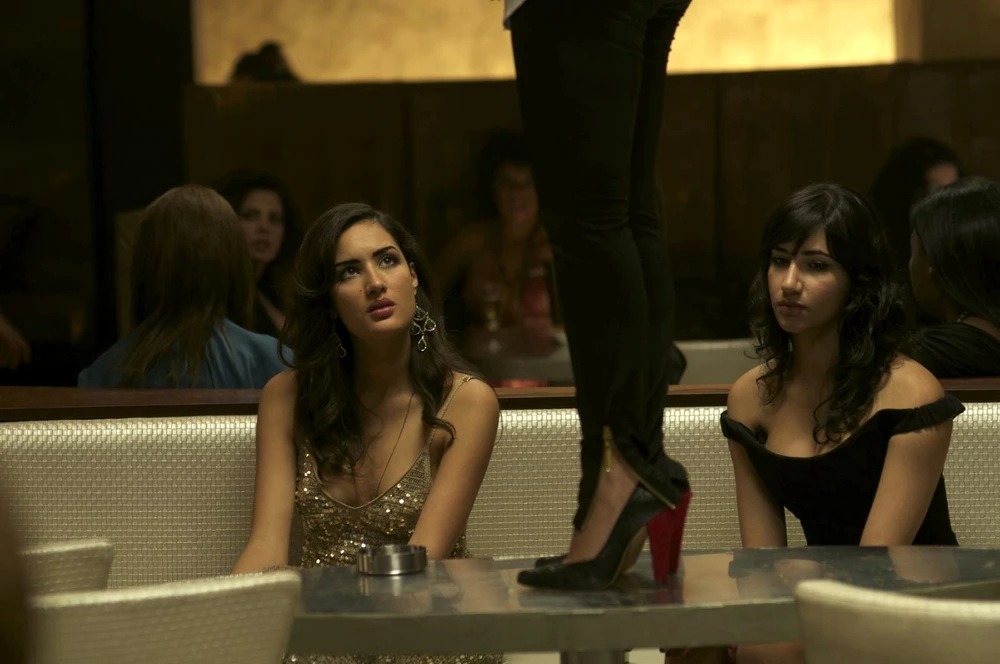
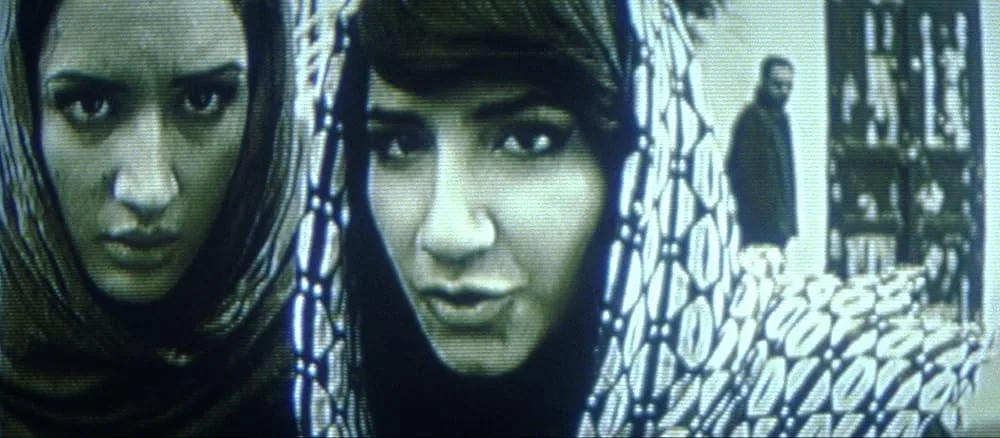
At the beginning of the film, we see Shireen and Atafeh passing notes to each other in the schoolyard, and already drawing attention to their inappropriately close relations from the school authorities. We then see them attending one of the aforementioned illegal underground parties. Guys are making advances towards both of them, but they already understand clearly enough that they’re more interested in each other than in any boy.
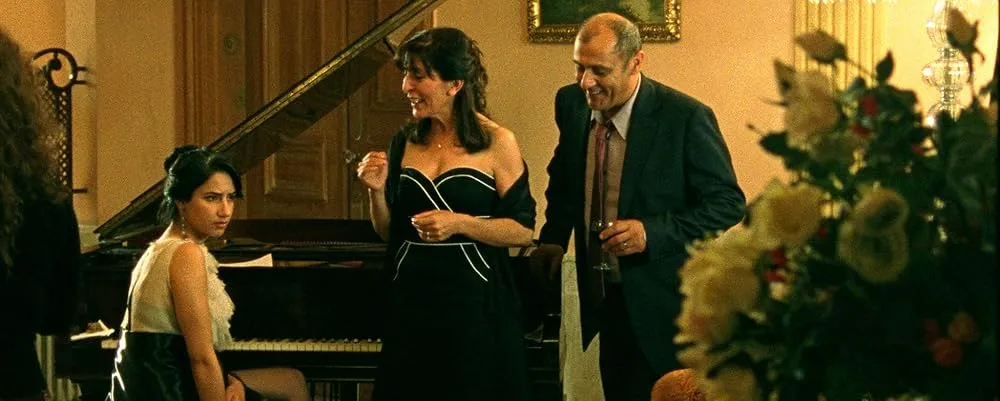
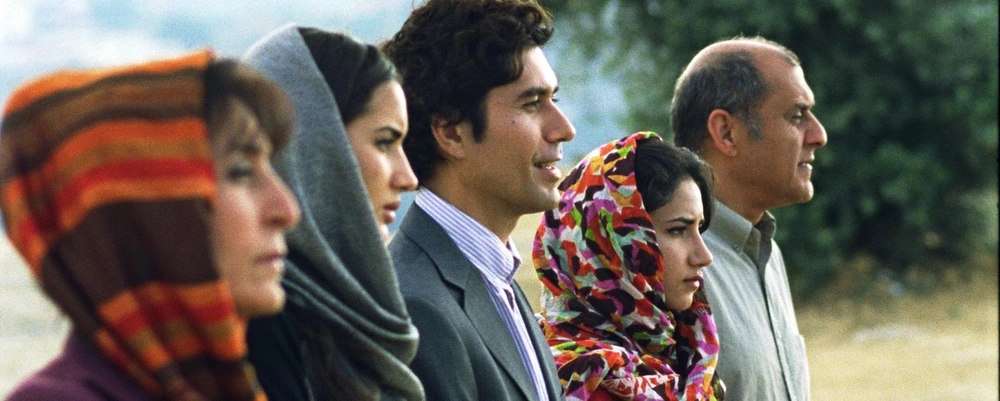
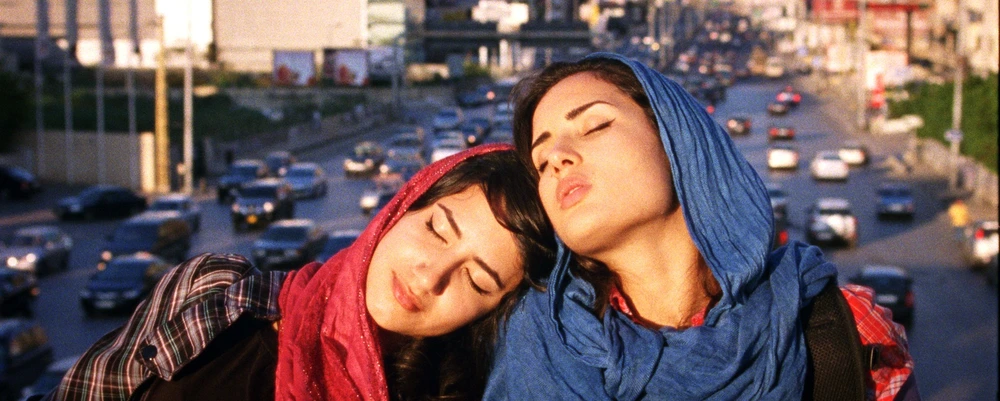
The third wheel in the drama is Atafeh’s brother, Mehran, who has returned from… somewhere. It’s not immediately clear where he’s been, but we soon learn that he’s dealing with a serious drug habit. We might assume, then, that he lost his way a bit on the party circuit. As is common enough with recovering addicts, he’s turning to religion, and soon enough coming to the attention of the politically connected members of his congregation, who are especially keen to apply pressure on his wealthy liberal father.
Meanwhile things are developing fast between Atafeh and Shireen, long past the point of no return. I wouldn’t go so far as to say that the film is pornographic (although of course authorities in Iran presumably would), but it’s accurate to say that it’s very sexy and indeed even voyeuristic. If I elaborated on the voyeurism it would in fact be a massive spoiler, so let’s leave that.
I think I’ve teased enough here about the dramatic pulse of this film. Needless to say that Mehran’s trajectory is not in harmony with that of his sister, and given what the reader knows about the Islamic Republic it’s also perhaps sadly unnecessary to clarify that there’s only going to be one winner. The central question - and this is in common with many other Iranian films - is one of fight or flight.
Opponent (2022)
Flight has been the only option for Iman, the hero of this film, played by the renowned Iranian actor Payman Maadi. A professional wrestler (traditional Olympic wrestling, not the American nonsense), he has had to leave Iran in a hurry when rumours started circulating in his club about a gay affair with one of the other members. The teammate with whom he’s been conducting the affair has been forced to denounce him, and upon learning this Iman has attacked and apparently almost killed him.
As a result he’s fled the country, in a great hurry and without too much explanation, with his two children and of course with his wife, who does nonetheless seem to know about his complicated sexuality, and who may have some idea of the circumstances that led to their swift departure. They’re now living from one day to the next, being shunted from one small shared room to the next, in a refugee absorption centre in an isolated rural part of Sweden. Once a famously liberal country that would embrace refugees without a ton of questions, Sweden has now swung in the same direction as pretty much every other Western European country, installing a hostile environment to discourage refugees. Despite the many legal obstacles, if Iman were to admit openly to the real reason that he had to leave Iran, his case would almost certainly be open and shut. But of course it’s not that simple. How can he admit all of that to his wife and children, and maybe even to himself?
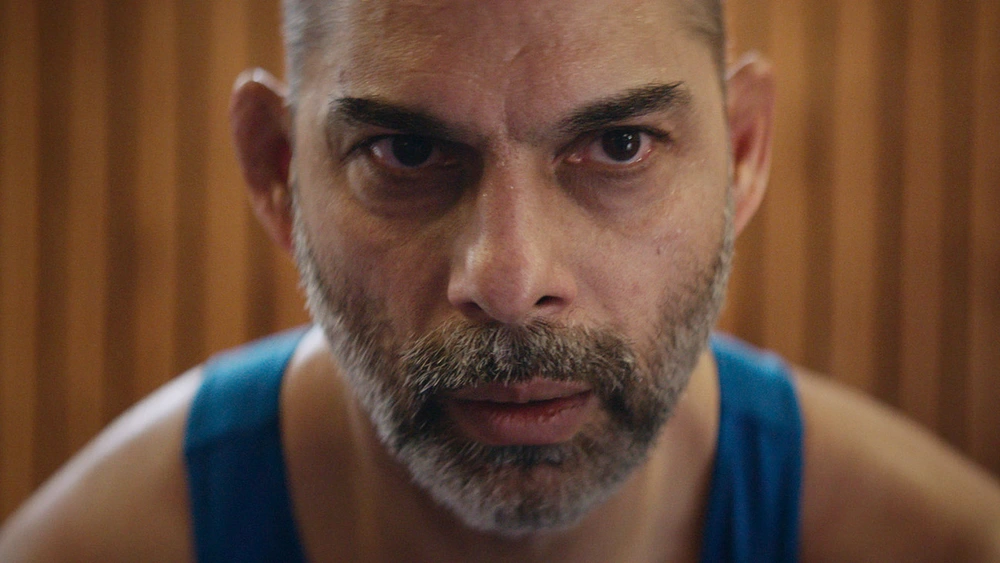
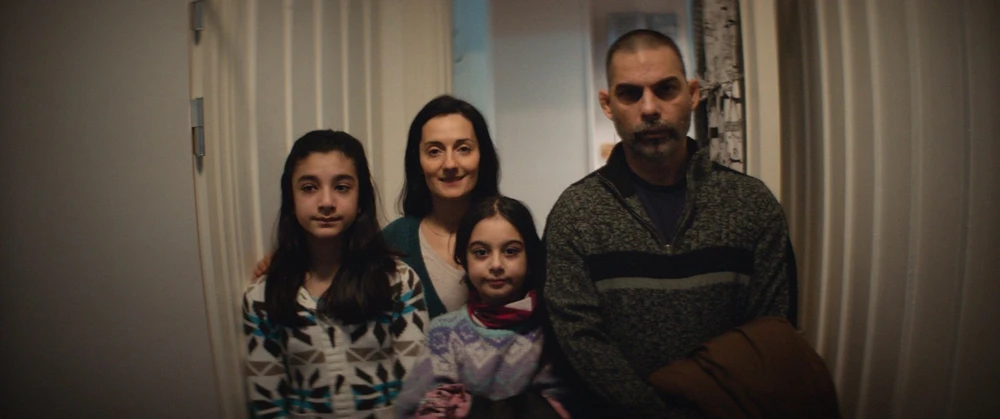
In lieu of the total honesty which would achieve almost instant asylum, his strategy is to reenter the world of wrestling, in the hope that he’s still good enough to compete for a place on the Swedish national team and thereby of course to gain citizenship. Given what happened to him before, no surprise that his wife is not especially keen on the idea. Equally unsurprising that she is also getting homesick, and that this is one of the tensions running through the story.
Maybe you can guess what’s going to happen next. Yes, he joins a local wrestling club and of course impresses from the beginning. Iran is, and always has been, one of the strongest nations in traditional wrestling. Iman was a member of the Iranian team at the Rio Olympics of 2016, so it’s no surprise that he still has it. What he also still has, however, is the same repressed homosexuality. It’s not going away, of course, and wrestling is an activity that brings men into close physical contact - more than any other, you’d say. And so, yes, the inevitable is going to happen, and how that plays out is the spoiler that I’m not, as usual, going to spell out here.
What interests me the most about this film, especially in the current context, wondering how all these wonderful actors and directors are getting through this awful period, is how Payman Maadi was received upon returning to Iran from making a film so obviously beyond the outer limits of what the Islamic Republic could ever tolerate, even if its more liberal moments (which of course we are not currently looking at). Claude’s initial response to me was that his dual Iranian-American citizenship might help him to get around the system, but I would imagine that that could easily be quite the opposite given the historical relations between those two countries. Another explanation is that he could plausibly claim that he was just a gun for hire rather than the author of the political statement (the director, Milad Alami, is a Swedish citizen). Most plausibly, though, he gambled on his fame in Iran being too great for the authorities to take the risk of disciplining him for making a film so antithetical to their values.
Before moving onto the next film, I need to take a moment to look at a still from Asghar Farhadi’s 2009 film About Elly. I’m not going to write here about this film, but I have recorded a podcast in which I talk about it with Fabrizio Macor. Editing is still in progress to get these podcast episodes online. This text will change, and a link will emerge, once that’s all done.
In this picture we have some kind of star map of Iranian cinema. Payman Maadi is right in the middle of the picture. Bottom left is Iranian megastar Taraneh Alidoosti, who plays the eponymous Elly in the movie, and next to her is Shahab Hosseini. They came back to Farhadi’s films to make The Salesman in 2016. We’re coming to that one.
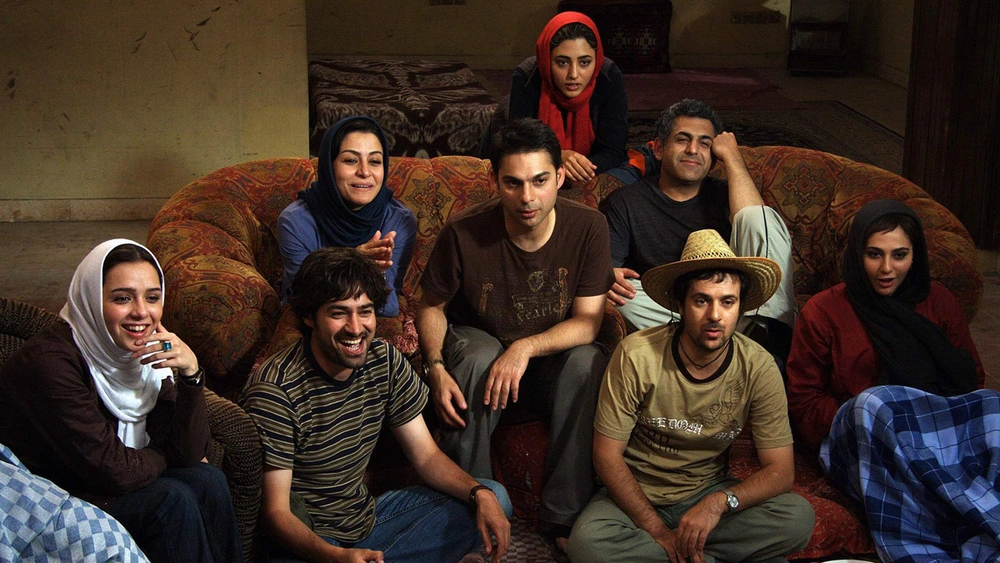
Sitting next to Payman Maadi, on the right, is Mani Haghighi, who is better known as a director in his own right, and is indeed the director of the aforementioned cryptic and complex film - A Dragon Arrives! - that we’re going to finish off with here. To the best of my imperfect knowledge, all of the people from that picture who I’ve mentioned so far have remained in Iran up until the present, and let’s hope for the best for them right now…. But one exception, behind Maadi and Haghighi at the top of the picture, is one actor who made a clean break from the Islamic Republic and who chose complete exile from the country. This is Golshifteh Farahani, who is the lead actor in the next film.
Reading Lolita in Tehran (2024)
When I told Fabrizio that I had found this film, he got a bit excited, as is his manner. He’s apparently been meaning for ages to read the book upon which this film was based. I also haven’t read it myself, and with all the films that I still have to get through watching on this project, and all the writing that I’ll have to do once that’s all done, I have no idea when such a thing will be possible, but anyway…
Azar Nafisi (played in the movie by Farahani) is a writer and professor of English literature. Her parents had been politically influential in the early 60s, but had then fallen out of favour as the Shah's regime became harsher and ever more paranoid (with plenty of good reason, as it turned out). Nafisi had consequently spent most of her youth outside Iran, in the UK. Come the Revolution of 1979, full of hopes she decided to return to the country of her birth. Her book is the memoir of what happened to her in the eighteen years that she stayed in Iran, before finally accepting that she couldn’t continue to live under the regime of the mullahs.
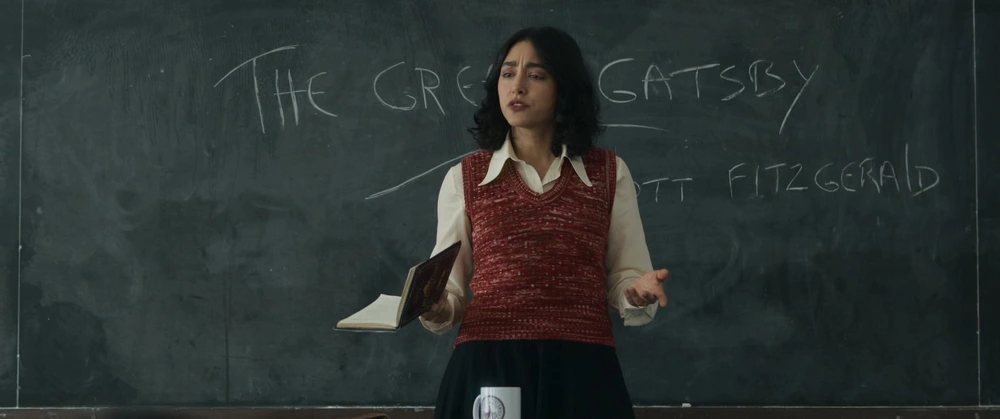
Taking up a position in the University of Tehran, she taught there for two years before being expelled for refusing to wear the hijab. She went back to teach at another university in a later period of relative liberalisation after the Iran-Iraq War, but eventually resigned from there as well. The main focus of the film is on the two years before she left Iran, during which she held seminars in her house with a small select group of her female former students. In the meetings they discussed banned literature. Guess what - despite the sarcastic analogies drawn in the women’s reading circle between the dirty old man in the book and the dirty old men of the regime - Lolita isn’t one of their favourite books. Not officially, at least.
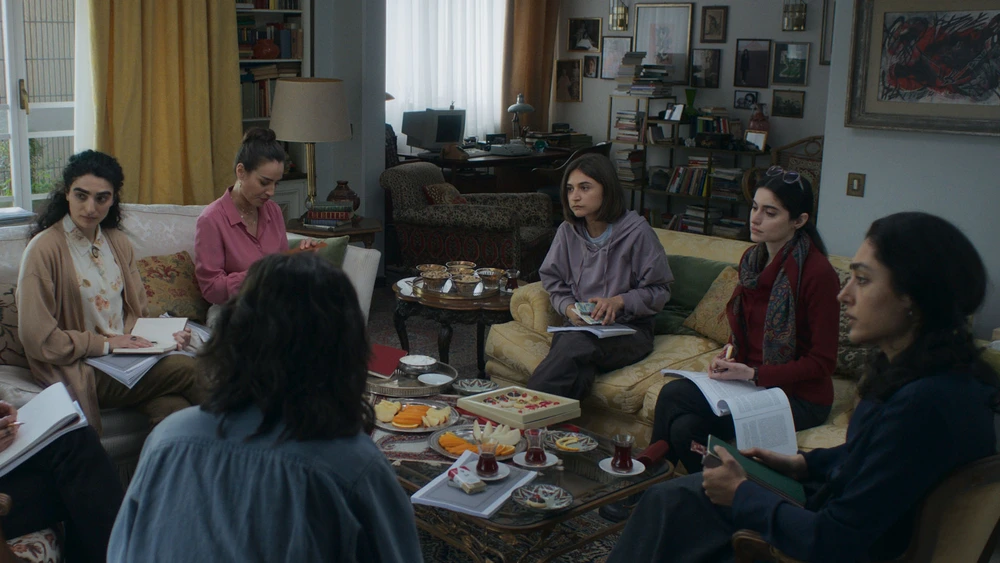
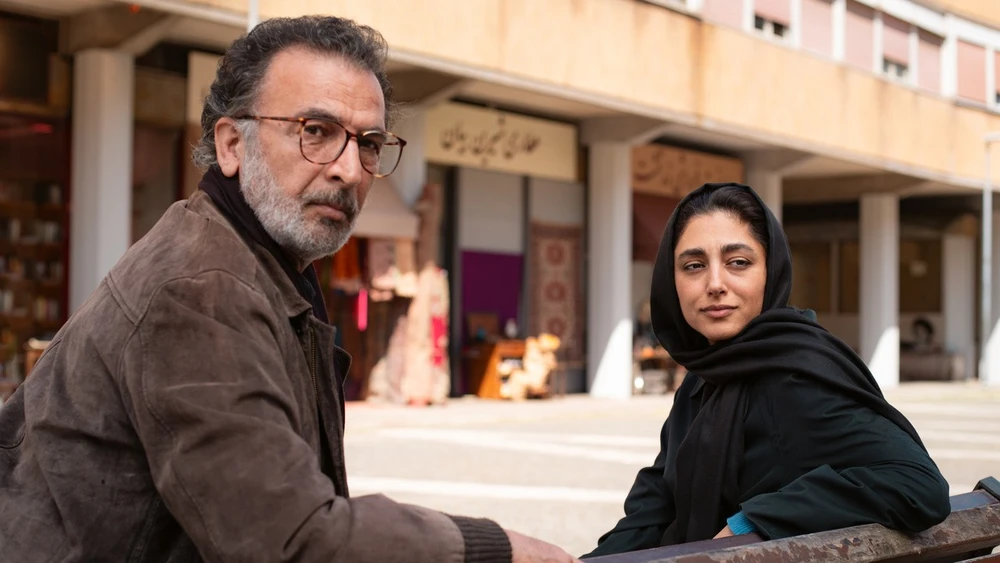
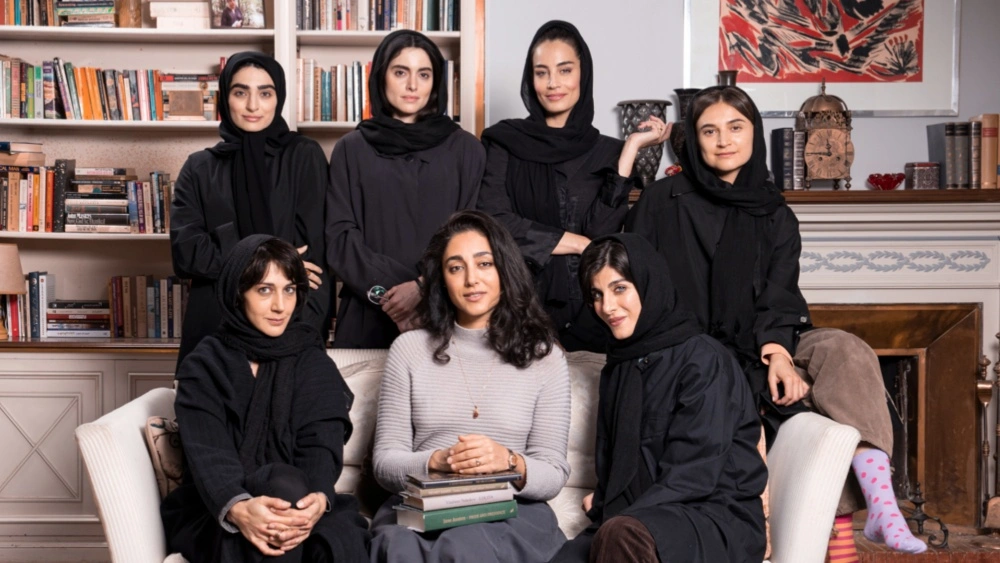
The film is divided into four episodes, which are not presented in completely chronological order, and each of which is headlined by the name of a dangerous or banned decadent Western book:
The first episode is from the period immediately after Nafisi’s return; the third is from that period when she returned to university teaching after the Iran-Iraq War; and the other two episodes are from that period in 1995-97 when she hosted and led the reading circle. To what extent this structure follows the structure of Nafisi’s book, I am of course not in any position to comment; but what I do know is she seems to have approved this adaptation of her work. At which point, let’s look at an elephant sitting in this room:
It feels pretty crazy to be talking about this, at a time like this, but here we are. The director of this film, Eran Riklis, is in fact Israeli. The first shots in this Israel-Iran showdown were already being fired in 2024, when the film was being filmed (in Rome, in this case - apparently the university there looks very similar to the one in Tehran), and then edited. What do we say about this, then? Is this more cultural appropriation? Is it an Israeli urge to establish a soft power in the Middle East to accompany and enhance their hard power? You can think that if you want, and I expect that Riklis is used to the accusation, since more than half his career has clearly been about investigating the borders between Israel and the surrounding cultures with which it’s in a permanent state of hostility. I already talked, in my last post, about A Borrowed Identity, one of several films where he crosses the border to look at Arab experience.
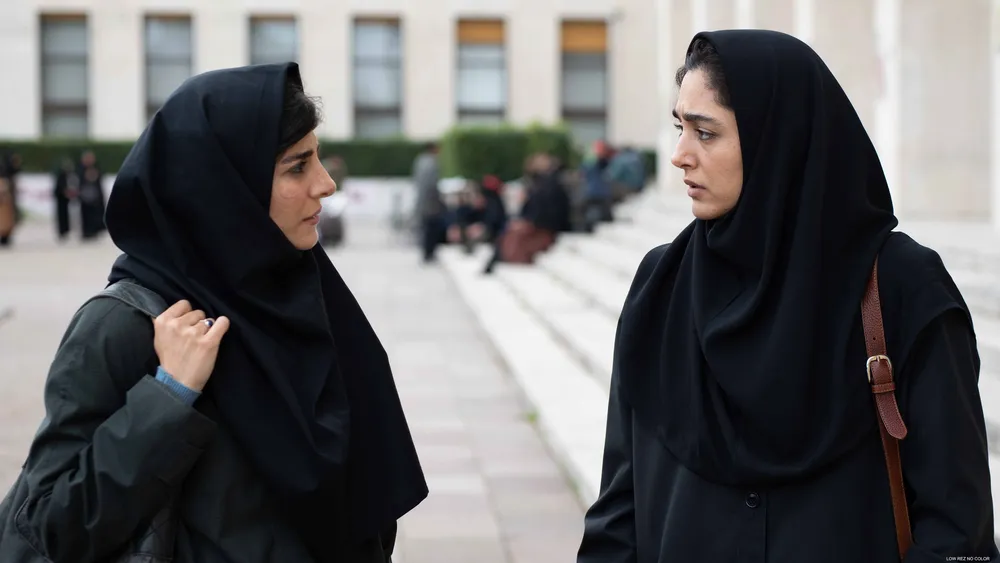
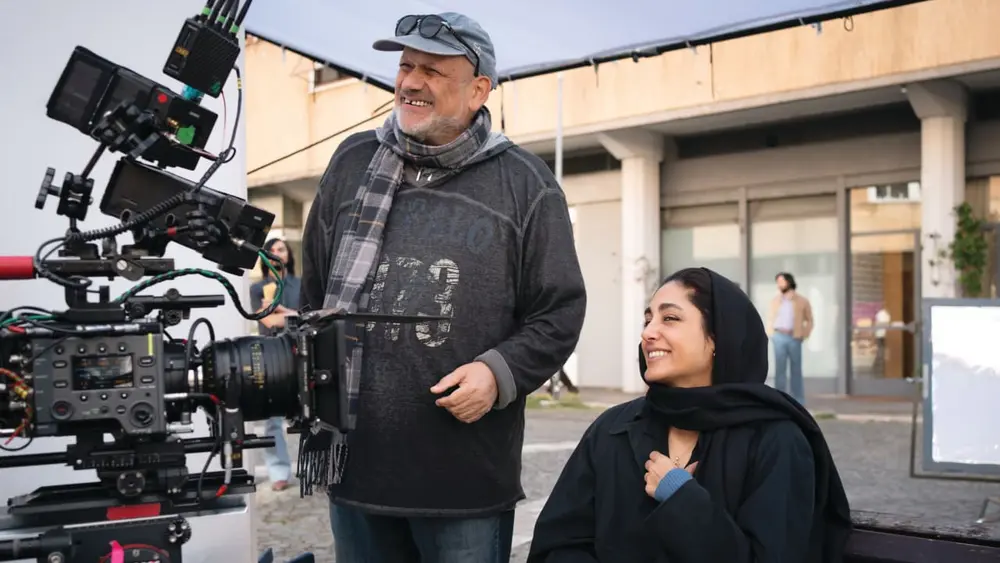
Determined haters can think what they want about whatever malign propagandistic intentions he must have had before making this film. I’m sure that they will, cos that’s just how this shit is programmed. Technically and aesthetically, I’m not completely convinced by every single one of Riklis’s films that I’ve seen. I think he can be a bit hit or miss (in this case, I’ll say he hits the mark), but one thing that I am convinced of, without any reserve, is that the guy is a total MENTSH. Watch a few more of his interviews and tell me that he isn’t that at least.
Like everyone else that I’m looking at here, it’s pretty strange to think about how Riklis must be experiencing this period, after interacting so deeply with Iranian culture and artists only two years ago, and what kind of hard conversations he might be having with the friends that he made on this project.
Before moving to the next film, maybe I should stop to dwell a little bit more on the fact that this film was made in a completely parallel Iranian exile world. Beside the Israeli director, everyone involved in the film was an Iranian exile. It’s maybe indicative to look at a couple of the stories. Farahani was told in January 2012, after posing nude in the French magazine Madame Figaro, that she would no longer be welcome back in the country. I’m sure that there was a bit more to it than that, but that was supposedly the breaking point.
The story of one of the other actors is more dramatic. Zar Amir Ebrahimi was extremely popular in Iran, thanks to her role in one of the biggest ever Iranian TV drama series, Nargess, but in 2006 she became the victim of a vicious sex tape scandal. Rather than the person responsible for creating and leaking the tape being investigated and held responsible, she was prosecuted by the regime. The pressure being too great for her, she left for Dubai and from there she moved to Europe. Knowing about this, it’s hard to imagine that it was a pure coincidence that she was cast as the character in Reading Lolita in Tehran who is the victim of cruel punishment for an unfounded sexual allegation.
Once again - the question is fight or flight?
It Was Just An Accident (2025)
Jafar Panahi obstinately chose the former option. He’s been repeatedly arrested and banned from making films in Iran since 2010, but that hasn’t stopped him from producing six films during that time. I’ve not caught up with all of his films yet. I’ve seen just four out of the eleven that are listed on his Wikipedia page, but I’ll get there soon. I’d prefer to be writing about him with his whole catalogue in mind, but I guess I’ve seen enough to have a fair idea of what he’s about.
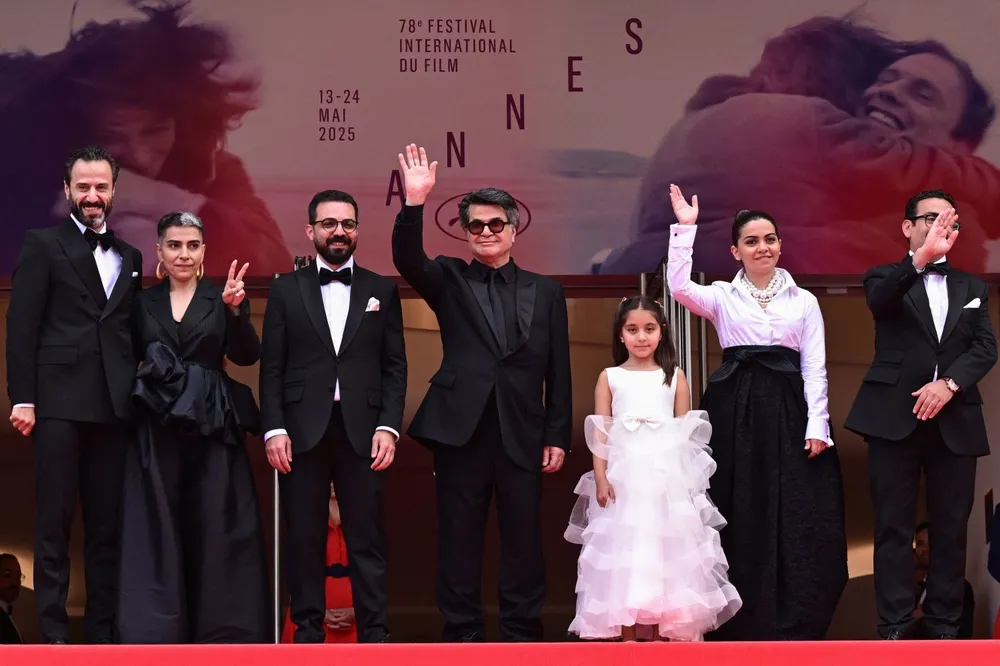
In any case, the film that I’ve chosen to write about here makes enough sense. It’s of course his most recent, and it created quite the buzz when he won the Palme d’Or at Cannes in 2025. The whole thing was filmed in secret, with enormous bravery, plus a little cunning. One incident in 2024 involved the crew buying themselves some time to get all the film together, by having the presence of mind (or the smart backup plan) of handing over an empty SD card when stopped by police during filming. There was a very deliberate decision taken to flout the law against women being filmed without the hijab. All of which puts everyone involved in danger, and of course we can only hope right now that they’re all keeping away from basiji intimidation as well as the bombs.
Once again, the story is a relatively simple one. Here goes.
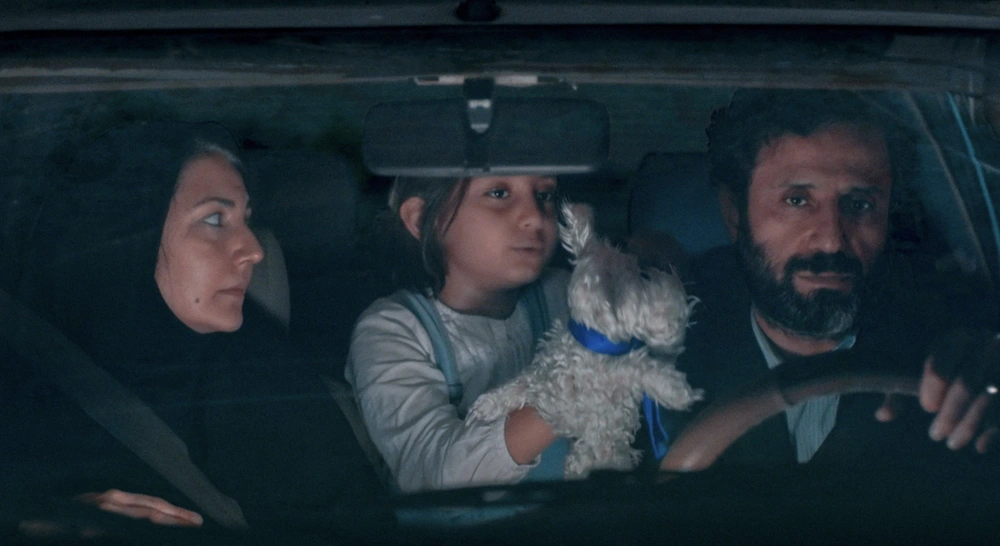
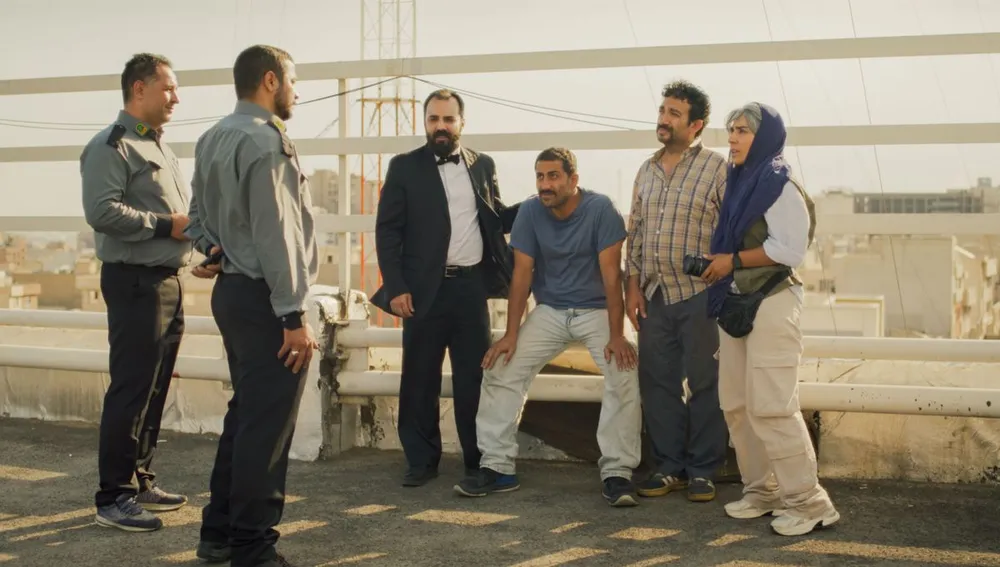
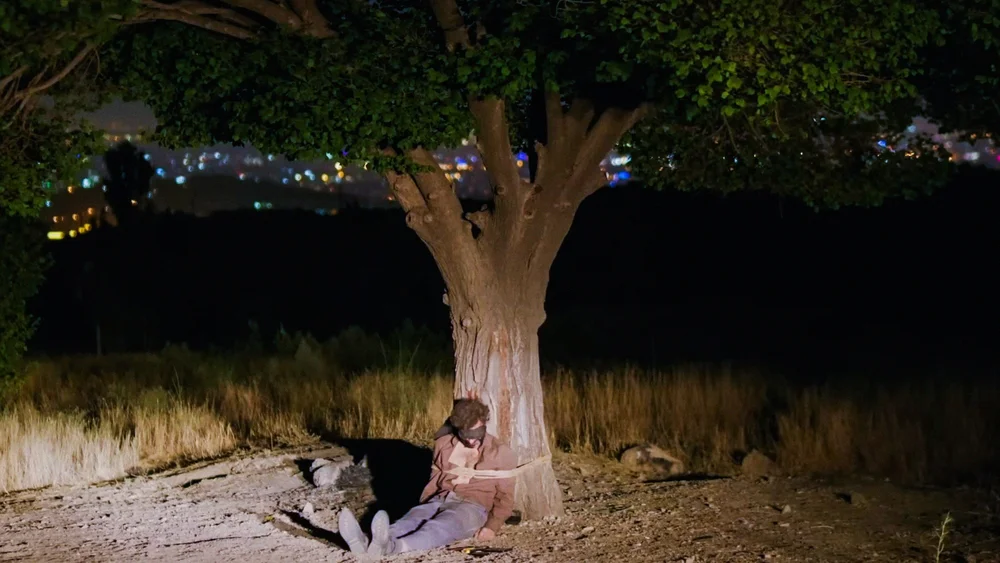
Vahid works in a small garage/car repair shop. One night a stranger passes through, who has broken down and needs help with the engine. Vahid recognises the voice, but most distinctive and spine-chilling for him is the sound of the man’s prosthetic leg, which takes him directly back to his time as a political prisoner. It’s Eghbal, one of the cruelest jailors. He of course can’t identify the man’s face, because Iranian political prisoners are routinely blindfolded. Nonetheless, he’s convinced by the voice and sound of the leg, and so he follows the man home on his bike. He then comes up with a very improvised plan to kidnap and punish the man. After kidnapping him, though, and shutting him up in his white van, his humanity kicks in. Since he’s no longer sure if this really is Eghbal, after the man begs for his life, he goes off to look for an old friend from the political underground, to ask for contacts who can help him identify if it really is Eghbal.
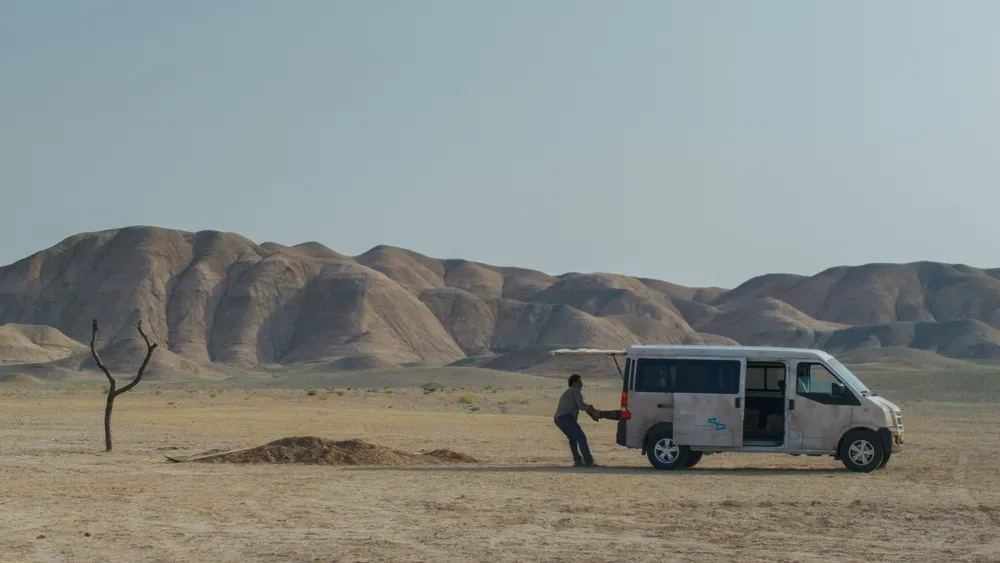
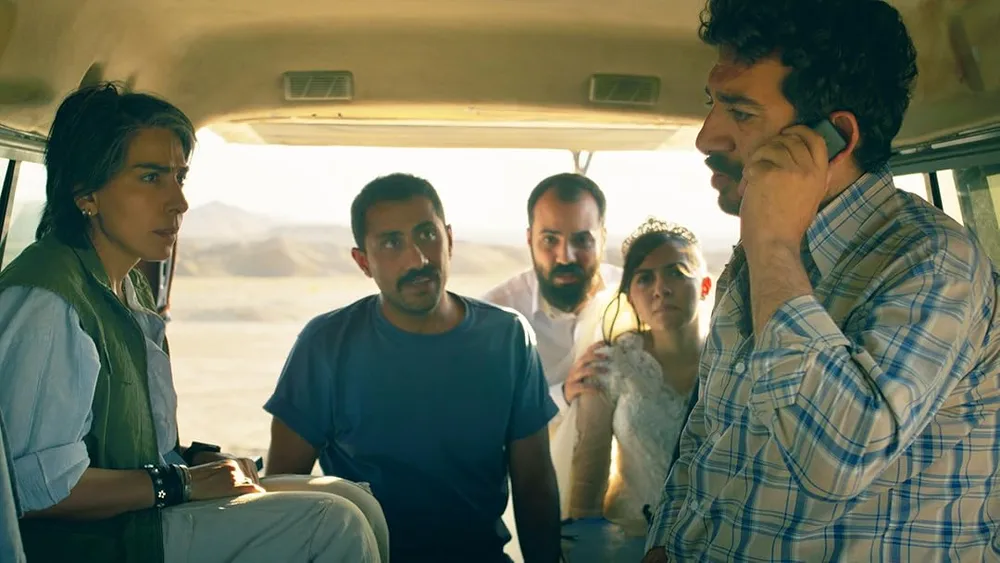
What ensues (no spoilers, of course), as more characters join Vahid in the van, is of course dark, but it’s also extraordinarily funny and deeply touching at times. We see traumatised people who nonetheless have held onto some of their most charming traditions, which they feel obliged to honour even under the weirdest circumstances. You can’t help but love them and worry even more for what’s happening to those people right now.
Once again, writing at a time when history is running at warp speed, on the day (31/3/26) that the Knesset abandoned Israel’s last remaining moral high ground by voting with a clear majority for the bill introduced by Otzma Yehudit, Itamar Ben-Gvir's Jewish supremacist fascist party, to impose the death penalty on Palestinians convicted of killing with terrorist intention, it’s useful to contemplate the central moral question of this film. Is vengeance the same thing as justice? Or rather, is justice served by blind vengeance?
That’s actually a good hook to connect up to the next film.
The Salesman (2016)
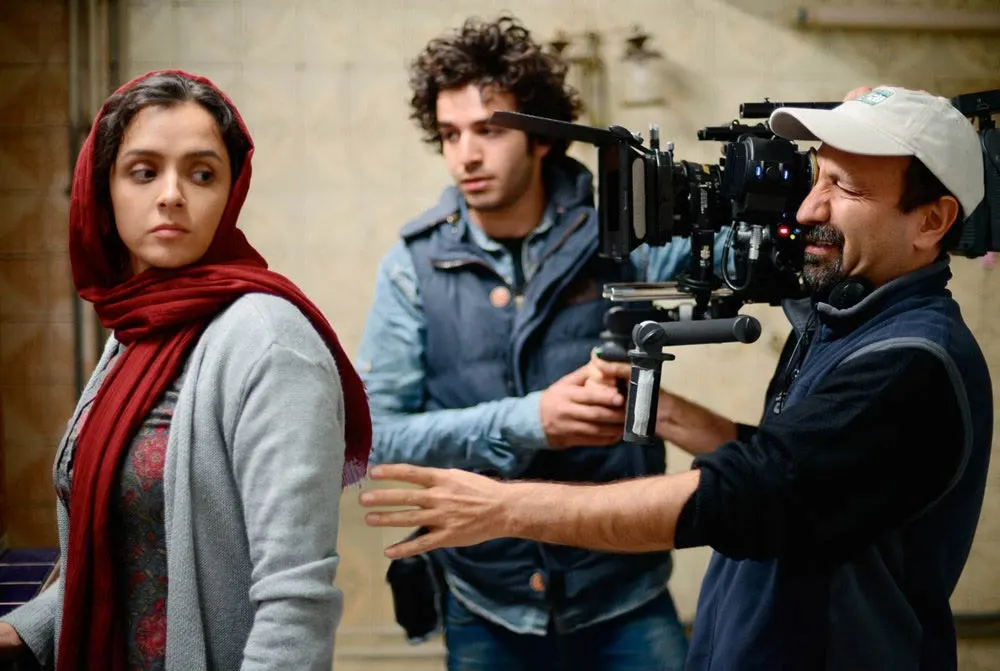
In the conversation with Fabrizio which I mentioned above, I talked quite a lot about Asghar Farhadi’s extraordinary ability to address very honestly the difficulties of life within Iranian society, while staying within the limits of the system circumscribed by the ayatollahs. It’s not the same, obviously, but it’s comparable at least to Russian directors who were able to produce high quality drama in the late Soviet period (no point comparing with the Stalin period, as that was of course far too extreme to produce anything much that we would now call nuanced).
One of the simplest observations that we can make about Farhadi’s films, as compared to what I just said about Panahi, is the way the women are dressed. We’ve seen in Circumstance and in It Was Just An Accident that the women of course remove the hijab in private. That is presumably the way most women behave in Iran, but it’s one of the immovable objects that a director can’t get around if the film is going to be allowed to be distributed and seen in the country. And so in Farhadi’s case he chooses to compromise on that. In other words, in the still from About Elly which I presented earlier, and in all the other stills from his films that you see here, we can assume that in real life the women would not be wearing the hijab in private company. Farhadi makes the pragmatic choice to compromise on this, and this is presumably clearly understood by his Iranian audience.
Apart from that obvious visual observation, here’s a very preliminary comment, before watching the whole of their respective outputs: I may eventually change my mind, and come back to change this paragraph, but my impression of the difference between Farhadi and Panahi is that the characters that Farhadi tends to take as his main protagonists are middle class people who are looking for a modus vivendi within the system. Panahi seems to be focusing more on working class people, who of course don’t have the social capital to find elegant ways to avoid hitting the very physical barriers of that system in their everyday lives. It’s only in the most extreme circumstances that the characters in Farhadi’s films are going to hit those barriers in the same way.
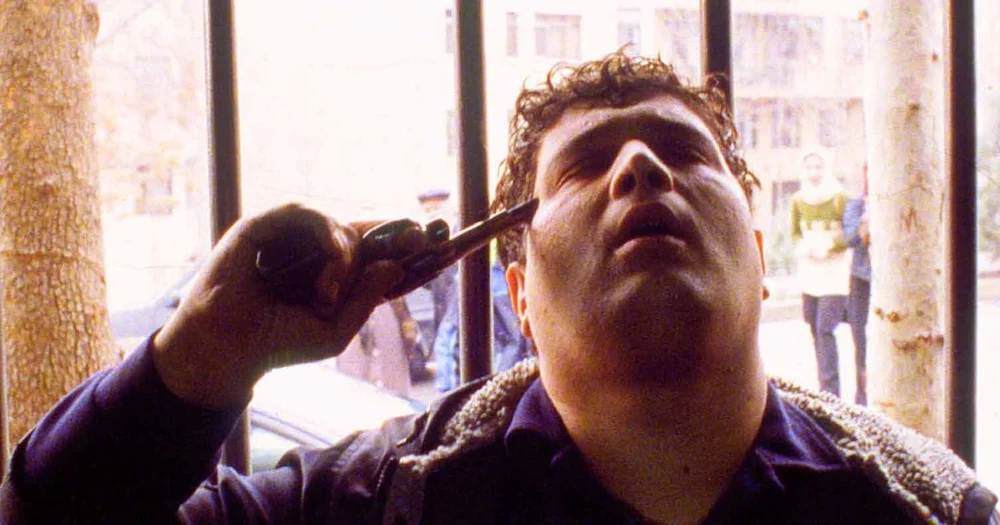
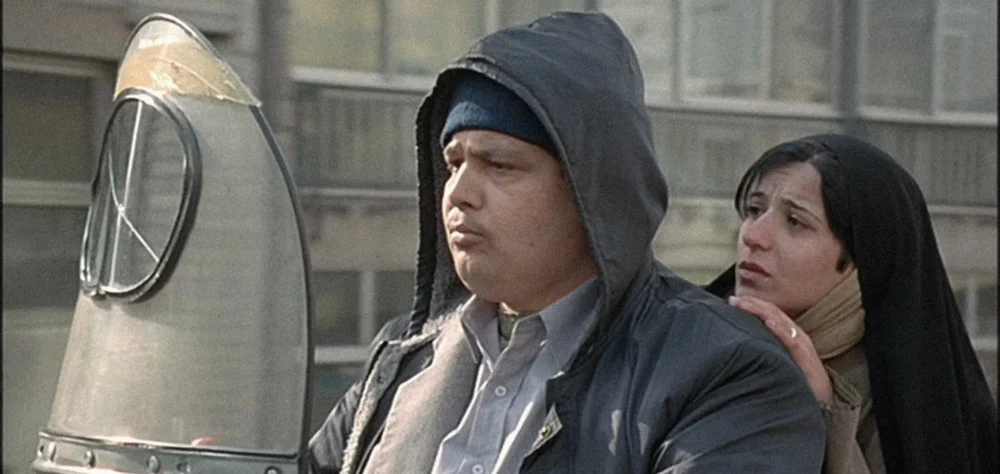
For example, in one of the other Panahi films that I have watched so far - Crimson Gold - the main protagonist, Hossein, is a mentally ill veteran of the Iran-Iraq War, who is scratching out a very basic living as a pizza delivery guy. One evening, while attempting to deliver a pretty big order to an apartment in a presumably middle class area of the city, he’s held up for hours by the same morality police who we see in Circumstance breaking up the illegal gatherings. They are waiting outside, to pounce on people coming out of a party in another apartment in the building. Hossein tries to explain to them that his delivery is for another flat, and asks to either be allowed to leave or to call his workplace if he’s not allowed to go into the building. But they don’t give him any options. He’s stuck, and failing to deliver such a large order might make all the difference for him to be able to pay the rent for the miserable hole where he lives. The scene that ensues is actually quite touching, and once again shows Panahi’s deep humanism - all that Hossein can do is to go around offering pizza to whoever will accept it from him. It’s deeply touching and at the same time simple pragmatism.
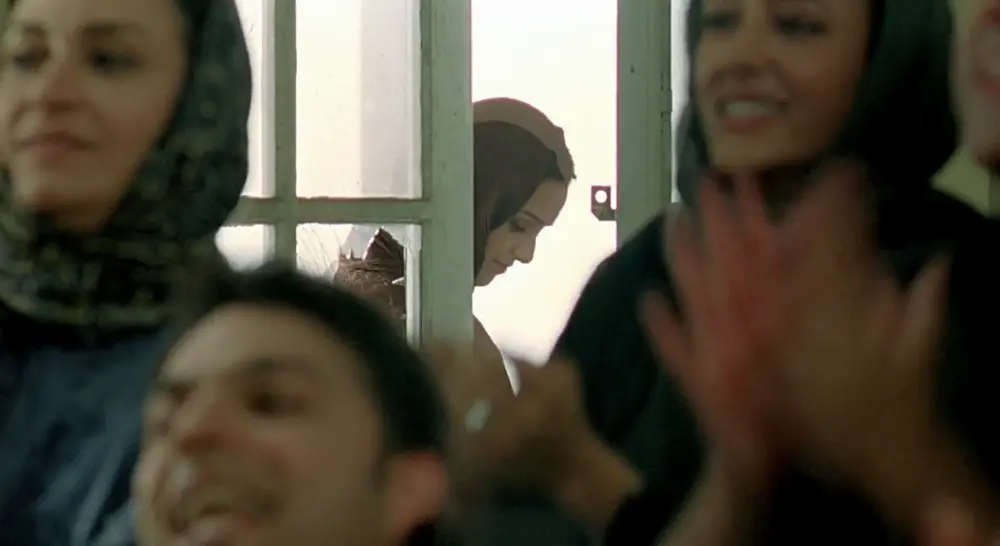
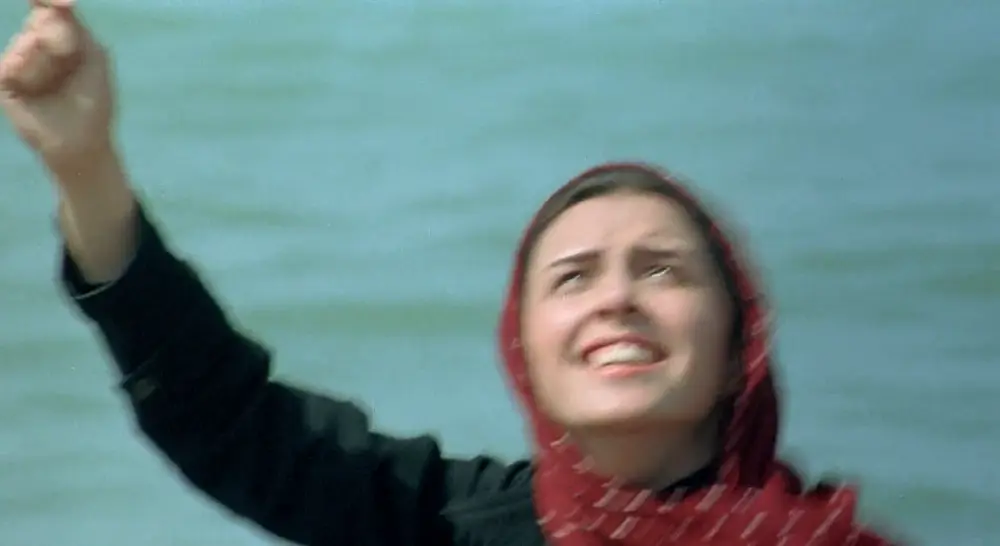
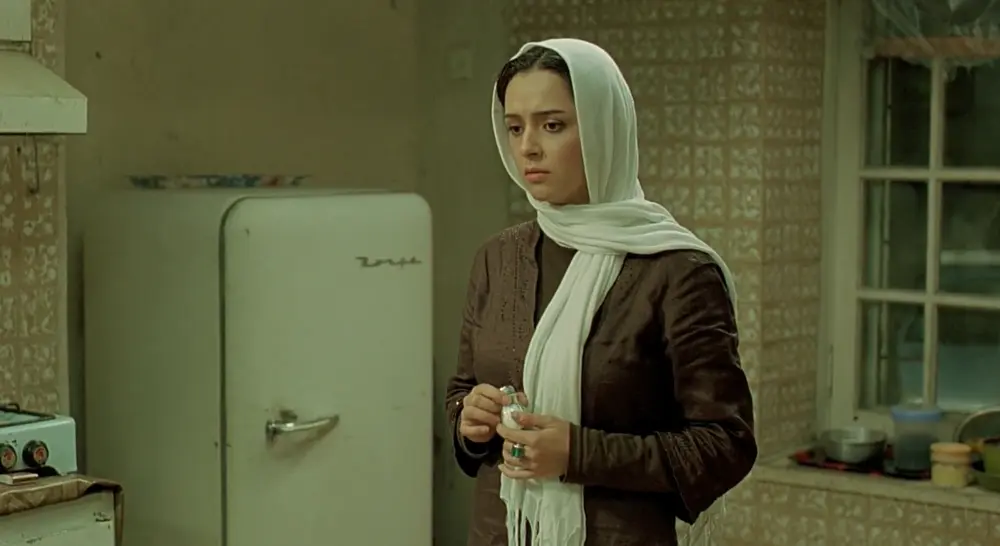
By contrast, in About Elly, they’re all teachers, lawyers, or the like, and as long as they don’t exceed the limits of the system (that is, avoid the illegal parties and the like), they’ll be OK. It takes a really extreme event, such as the sudden disappearance of a young woman who no-one really knows, for these people to hit the buffers. The movie is far more about each character’s instinct for self-preservation - in anticipation of the questioning that they’re going to face from the morality police - than about whatever grief they feel about the loss of Elly. It’s all deeply flawed and deeply human, and therefore recognisable to all of us, however distant the rules of this society are from our own. If you want to follow me down the rabbit hole, I’ve found an article all about this moral ambiguity in Farhadi’s films, on the same website where I found the article about A Dragon Arrives!. I’m referring to it a little bit. Have a look, if you are interested.
In The Salesman, made half a decade after About Elly, Farhadi brings Taraneh Alidoosti back. Once again she’s the focus of the film’s attention, but this time she stays with us all the way to end. The dramatic core of the film is still all about the extreme trauma that happens to her. Is it a spoiler, in this case, if I tell you? The rule is that if you see something that hints at it in the trailer, I’m allowed to talk about it, so here we go.
Emad (played by Shahab Hosseini) and Rana (Alidoosti) are a married couple who also work together as actors. They’re currently rehearsing for a theatre production of Arthur Miller’s Death of a Salesman. This post is really pushing my limits. Death of a Salesman is a another work that I’ve never read or seen on stage or screen, and so I’m feeling obliged to find it and at least watch a production.
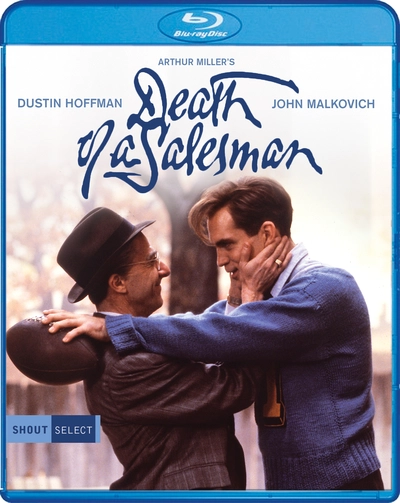
OK, Bingo……. There are several productions, but maybe this one on the right, starring Dustin Hoffman, is easiest to get hold of….. Incorrect! You can (currently, at least) find the 1966 production on YouTube….. OK, look, I’m going to have a look at these at some point and I’ll come back for further comment at some point when I have something interesting to say about the allusions to Arthur Miller’s play in Farhadi’s film.
OK, so back to this story. Before we learn anything about Emad and Rana working in the theatre, we’re seeing a picture of Iranian everyday drama, which I suppose must be quite common. With all the geopolitical drama that has ruined the lives of the people of that country, we tend to forget that Iran lies on several geological faultlines, and is therefore one of the most seismically active inhabited places on Earth. I only learned at the end of my time as an undergraduate that my Director of Studies was in fact more a seismologist than an orientalist. He had a load of fancy equipment in his office. I suppose he probably spoke Farsi well enough, mind. Anyway, who knows what his real job was.
Stick a metropolis of approximately 15 million people on top of those geological faultlines, add to that a cruel, opaque, undemocratic culture of corruption. top that up with corner-cutting in the construction industry, and you presumably quite commonly see something like the first scene of the film. Emad and Rana have to evacuate their apartment block in the middle of the night. Cracks are suddenly appearing throughout the building, probably due to some construction happening nearby. We can easily enough look upon this scene as a metaphor for the instability at the foundations of the couple’s relationship, which is about to be tested to breaking point.
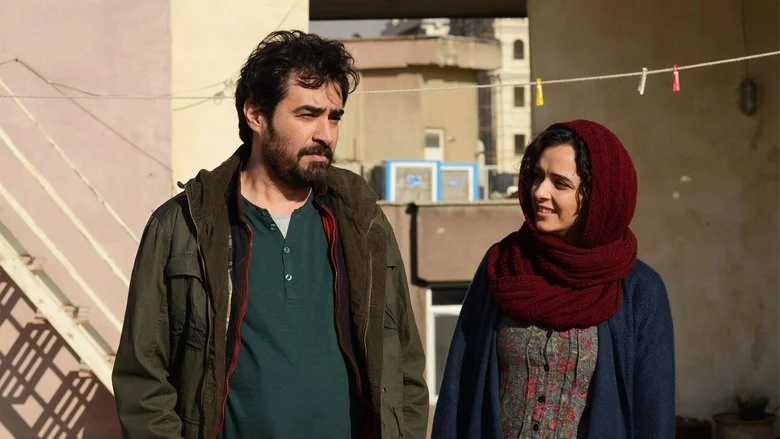
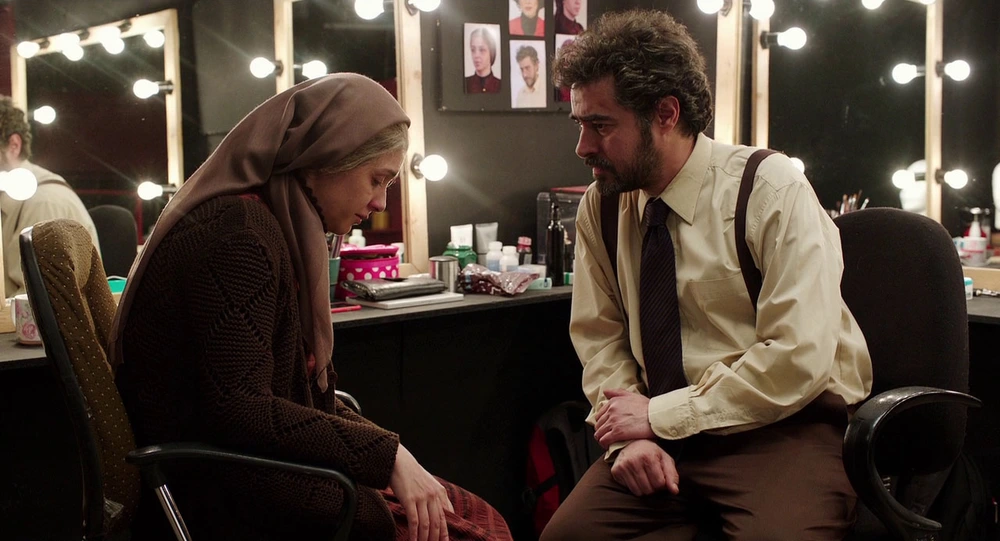
Life must go on. Despite the emergency, Emad has to be at work next day. He’s a high school teacher of literature during the day. In the evening, at rehearsal, they receive some good news from the director, Babak, played by Babak Karimi. A small aside here - it’s very very common in both Iranian and Turkish cinema for actors to use their own first name in films. I’ve seen it happen in too many films by now to consider it coincidence. Vahid, the lead character in It Was Just An Accident, is played by a man (non-professional, I think) also called Vahid, and there are many more examples. There must be some kind of acting theory/philosophy behind it, even a tradition that I’m not aware of. I suppose it’s strongly related to the very common practice of using non-professional actors, and that maybe even professionals are sometimes encouraged just to be quite literally themselves.
Babak offers the displaced couple a flat in his building — recently vacated by the previous tenant, a woman whose reputation in the neighbourhood is less than respectable. One evening, Emad has stayed late at the theatre and Rana is alone in the apartment. She’s just turned the shower on, and the bell sounds. Without thinking, she buzzes the person in, assuming it’s Emad, and gets in the shower. It’s not Emad, and she’s attacked. There is no clarity throughout the rest of the film about the precise nature of the attack. In other words, there’s no way for us to know whether or not there was any sexual element to the attack. Of course we have to bear in mind that the definition of a sexual attack is not necessarily the same in conservative Iran as it is here, and unfortunately we also have to allow for the possibility, as already mentioned in the real-life story of Zar Amir Ebrahimi. And that story really is relevant to the way that Emad reacts to the whole thing.
The film then becomes about the very different ways that Emad and Rana deal with the aftermath. Rana wants it dealt with quietly, and I suppose with sensitivity. Emad wants to go to the police, and Rana doesn’t want them involved. Based on everything that we’ve been saying up until now, it’s not hard to imagine that the police in Iran might handle the matter with the utmost sensitivity, and very understandably she doesn’t want that. Emad doesn’t want to let it go, however. It’s also his honour, his pride, that has been bruised. He becomes obsessed with finding the man responsible and making him pay. And so we return to the question at the centre of It Was Just An Accident I’ll just recapitulate it now:
Is vengeance the same thing as justice? Or rather, is justice served by blind vengeance?
I suppose, sadly, that if people in the Middle East asked themselves that question (NOT ONLY in the Middle East, of course, but it’s especially applicable there), things would be a bit different.
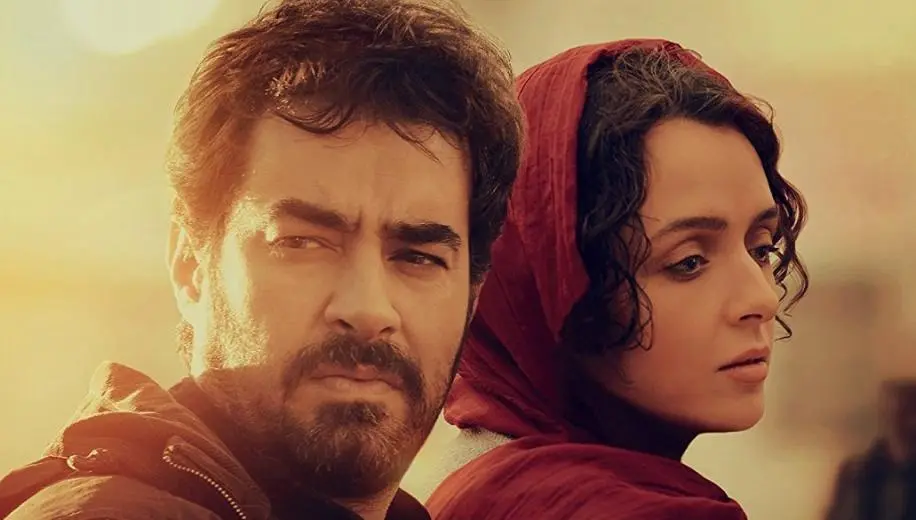
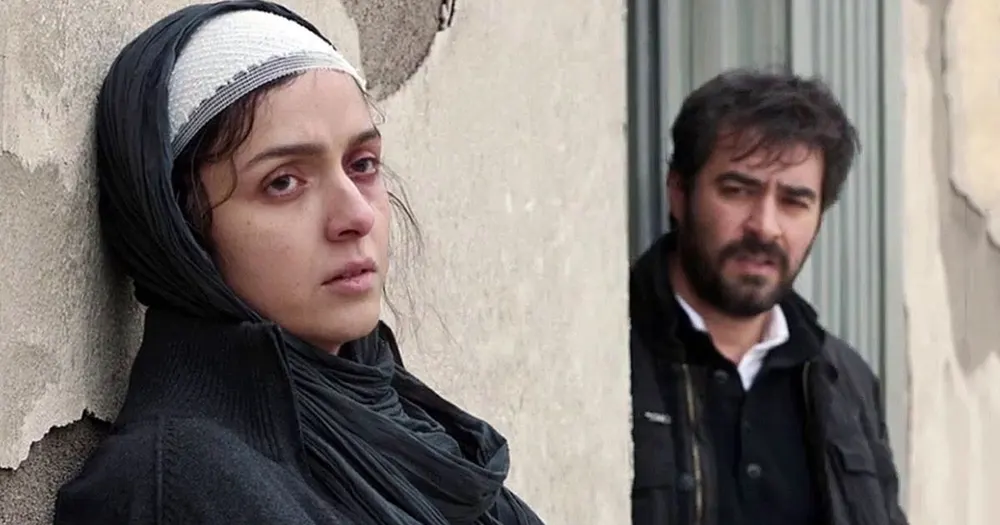
Emad’s descent into obsessive and self-destructive vigilantism of course reflects very poorly on the level of trust that exists in the forces of law and order in Iran. I think it’s clear from everything that we’re hearing about conditions inside Iran, that the vast majority have no faith whatsoever in the regime. We can of course speculate now about what kind of rally round the flag effect is taking effect at present, but the only people who can tell us that are actual Iranians, in Iran, and there is obviously very little possibility of hearing from them right now.
A Dragon Arrives! (2016)
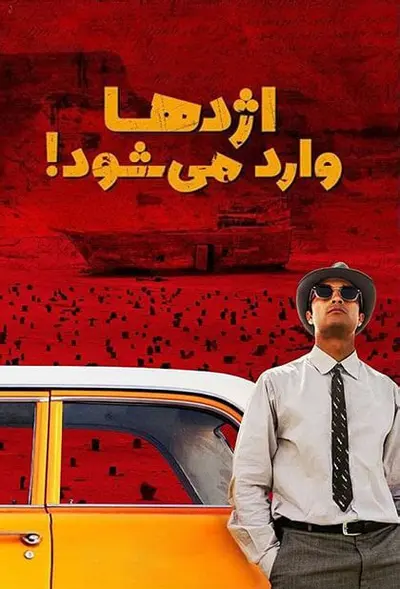
No danger of spoilers here! Whatever I write about my understanding of this film is profoundly flawed, a priori. I said in the intro that I would probably have watched this film four or even five times by the time I published this post. That’s not actually going to be the case. Between writing those introductory words and these words right here, I have watched the film a second time. I don’t see so much point at present in forcing myself to watch it a third, fourth or fifth time in order to clarify my thoughts for this post. I certainly will watch it again in full another time, as a fan, because I think it’s really interesting and visually stunning; but two viewings, plus reading the Mansoor Behnam's aforementioned article will do for now. My reactions here are contingent.
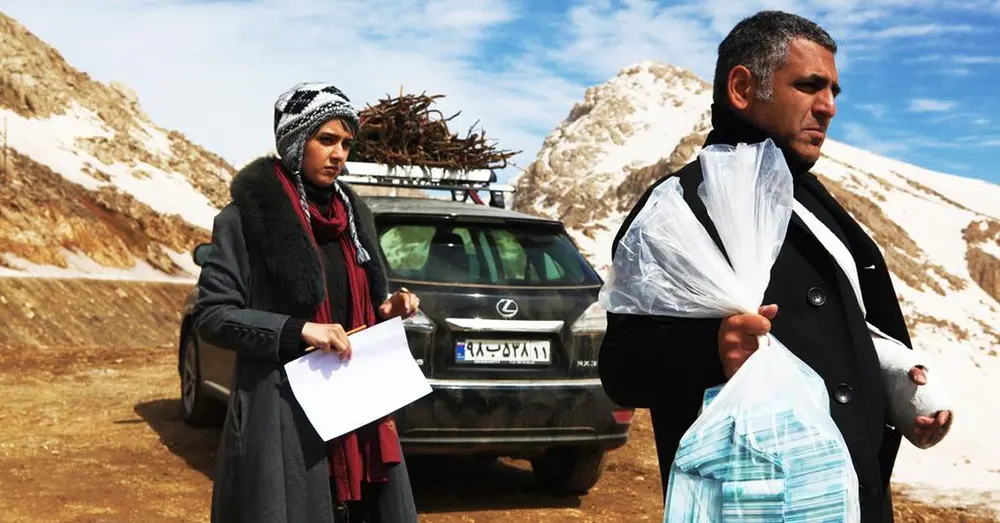
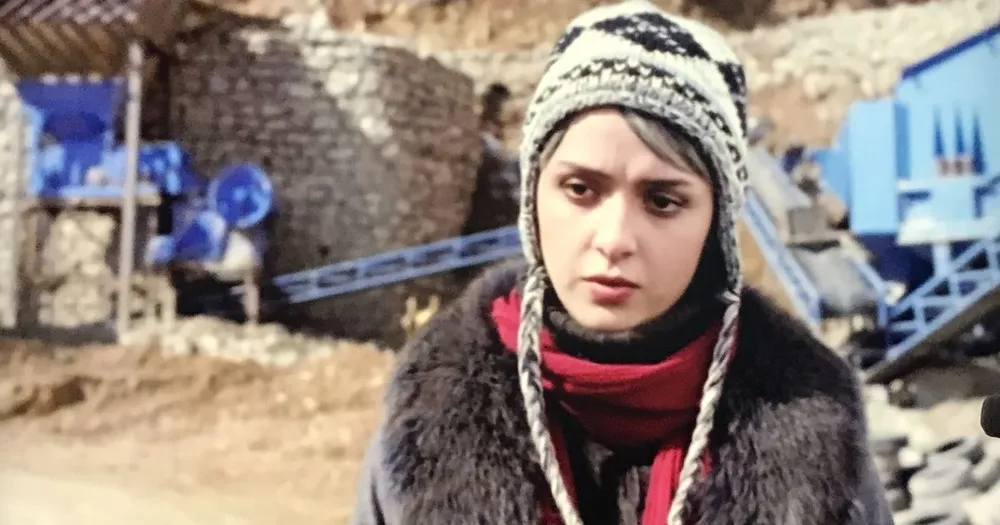
Not even sure that I’m going to try to tell the story, because it’s honestly too confusing to go there. The film is designed to be resistant to any attempt to decode it. Mani Haghighi is a cinematic joker. Before A Dragon Arrives! I had watched his earlier film Modest Reception, and that got me into the mood to watch more of his stuff. It’s a good job that I watched Modest Reception first. It wasn’t anything like the same level of difficulty as A Dragon Arrives!, but it was nonetheless totally unclear to me right up to the end what exactly was going on. It stars Haghighi himself, alongside Taraneh Alidoosti again (yes, she’s everywhere). I don’t want to give spoilers, so I’ll just say that they play a mysterious couple of brash city-people who are driving round the mountains of what I take to be Iranian Kurdistan, giving out bags of money to people. It’s pretty weird, funny, and sometimes very uncomfortable, but almost certainly the best introduction to Haghighi.
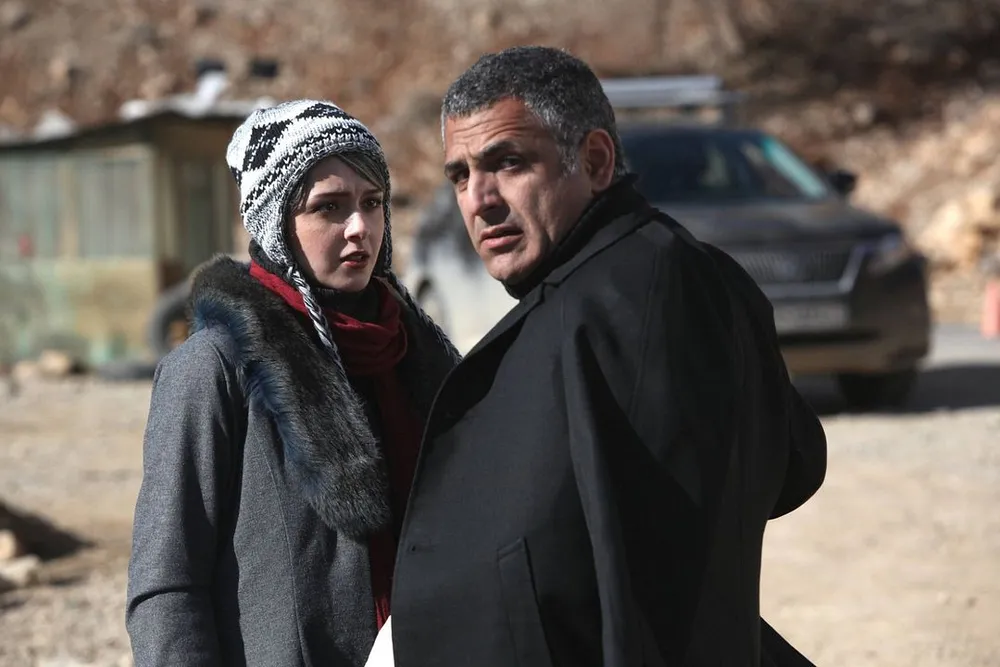
That’s easy-peasy playground stuff in comparison to A Dragon Arrives! This film is pure experiment and exploration, full of symbolism and allusion that we can discuss and analyse at great length. That’s what Behnam does in his article. He of course knows much more about Islamic and pre-Islamic Persian traditions than I do. OK, that’s obviously not saying a lot, as I know very little or even nothing on the subject; but clearly he DOES know plenty. And so if you do want to get into that, I strongly encourage you to have a look at what he wrote. I learned a lot from it. Here I’m just recording my impressions.
While I was watching A Dragon Arrives!, two other films came to mind, one of them within the bounds of this project, the other from a long way outside. Let me take them as points of comparison.
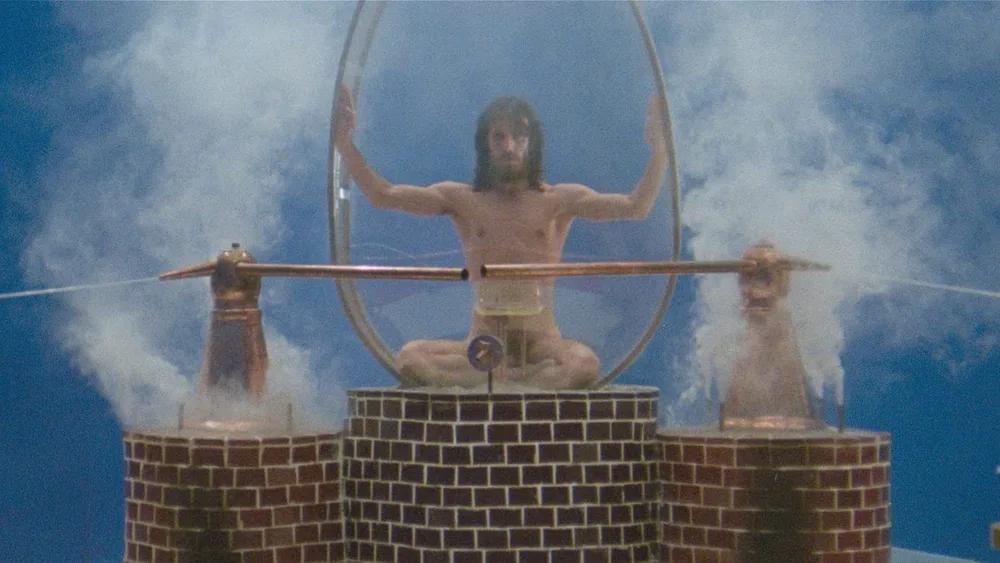
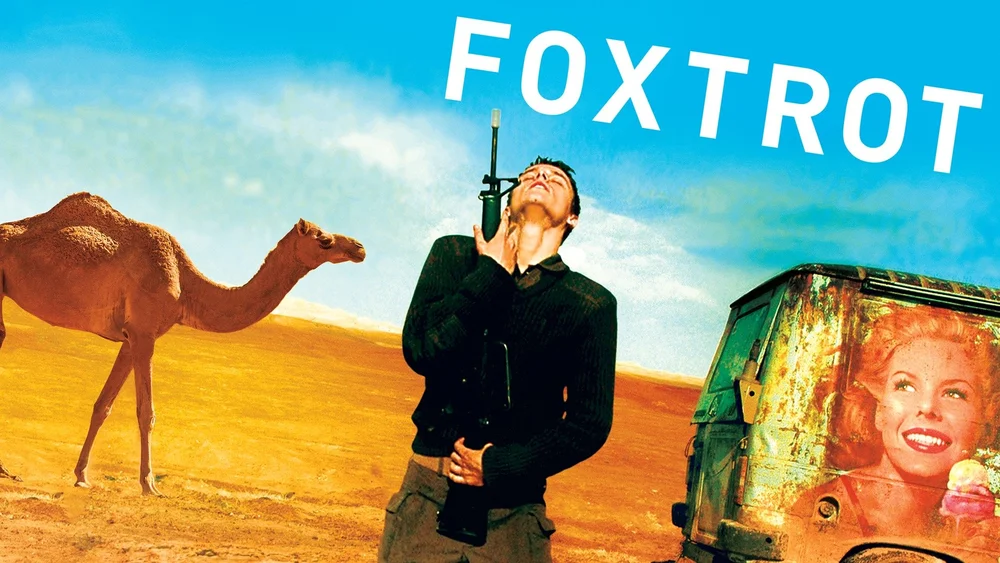
There’s too much harsh reality in the Middle East to leave much room for surrealism and symbolism in cinema. I’m not saying that it doesn’t exist, but I haven’t seen a lot so far. In fact, I’ve just been looking through my catalogue lists again, to verify this. I may still have a lot to learn, but I can confirm at this point at least that I’ve seen only one film from the Israeli side which I would describe as symbolic or allegorical, namely Samuel Maoz's Foxtrot. I see nothing of the like among the Arab films that I’ve seen. There’s magical realism in some of the Lebanese films (Costa Brava Lebanon and Felafel, for example), but that’s not quite the same thing as what we’re talking about here. Neither of those films is playing with the total suspension of reality.
The only other films that I’ve seen which play with reality to the same degree were some Turkish films - Sarmaşık and Toll Booth (both from the same director, Tolga Karaçelik), and Vavien. Turkey is interesting precisely because it stands simultaneously inside and outside the Middle East. I’m going to write about some Turkish films eventually, but not with the urgency that I’ll write about Israel and Iran.
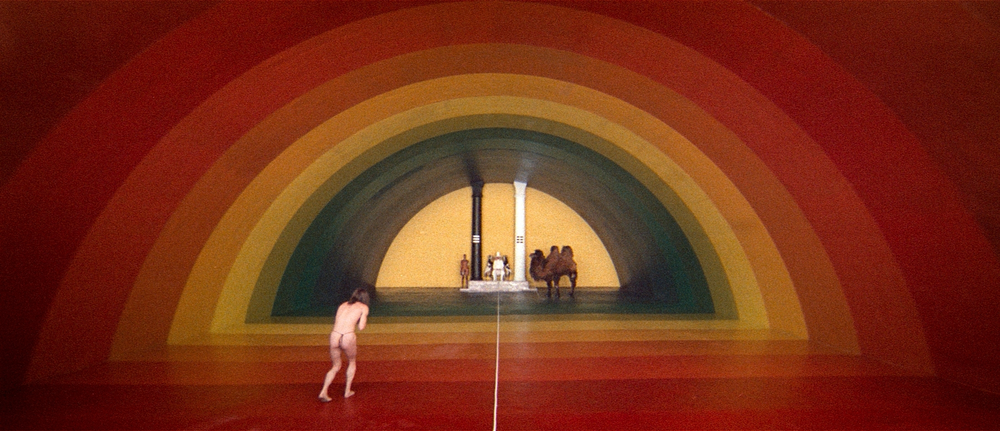
The reason for associating Foxtrot with A Dragon Arrives! will be obvious enough to anyone who has actually seen both. I’m not sure how large that set of individuals might be, so I’ll elaborate. Both films feature the camel as an apparently very symbolic creature.
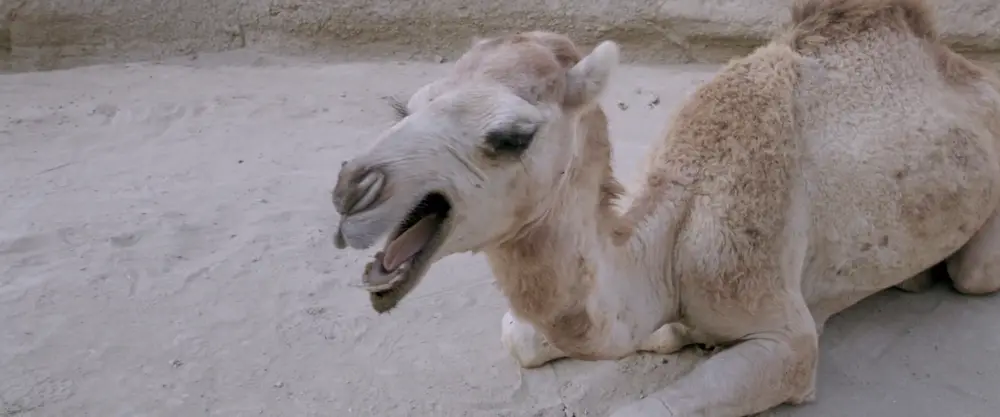
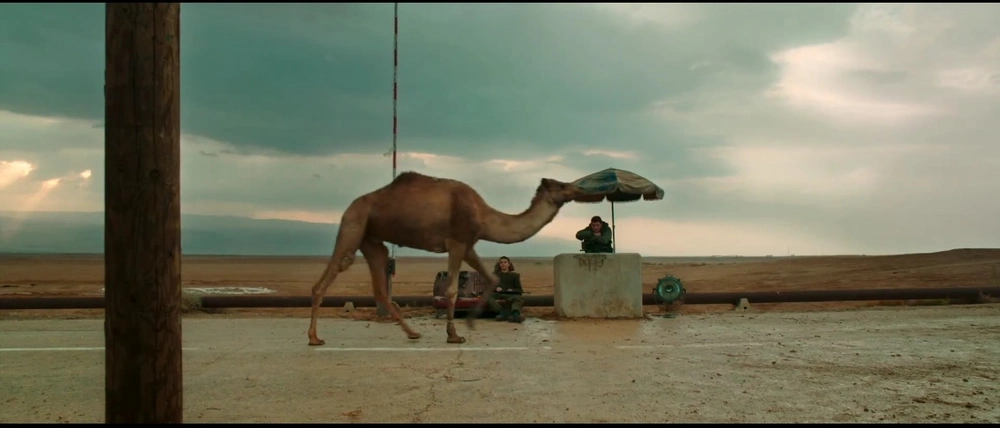
In neither film is the significance of the camel explained. In Foxtrot, the camel is just there, decontextualised from any action or dialogue in the film.
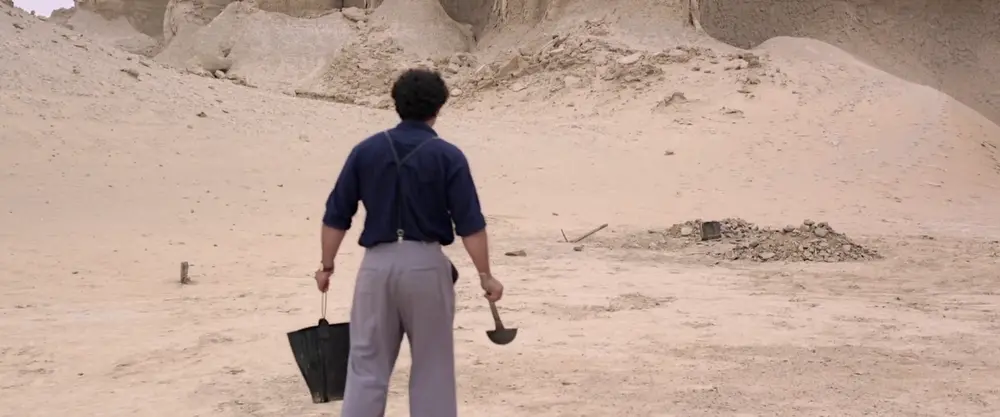
In A Dragon Arrives! the main protagonist, Babak Hafizi, is a junior agent of SAVAK (identified as such by his trilby, it seems), who has been sent to Qeshm to investigate the mysterious death of a Marxist exile on the island. The year is 1964 (or is it 1965??? more on that later). Marxists are at this point considered to be the most dangerous threat to the Shah's regime. Babak discovers that the Marxist had been in a relationship with a local girl, Halimeh, who has also disappeared, without any body having been discovered.
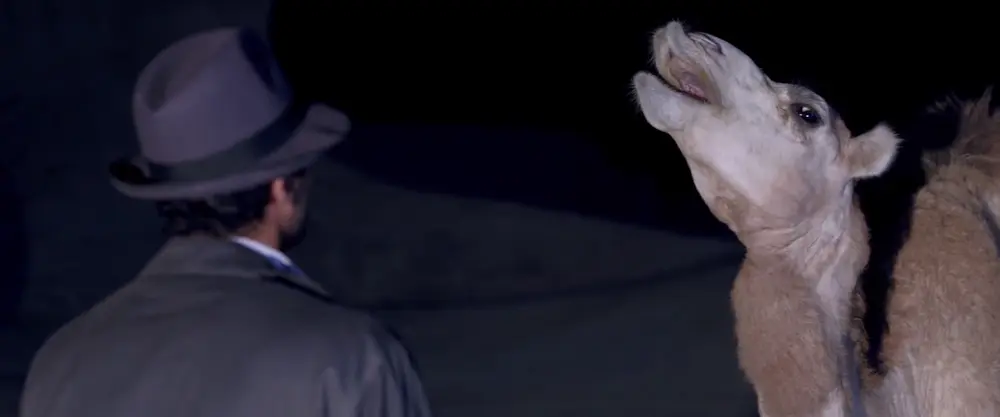
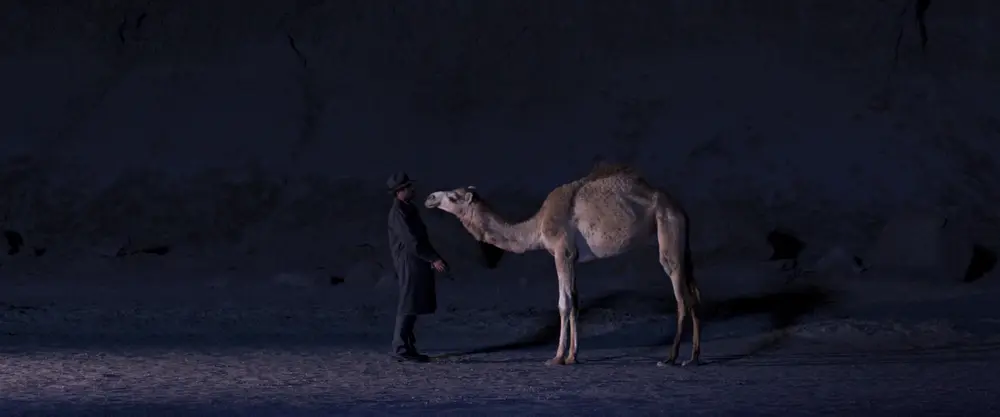
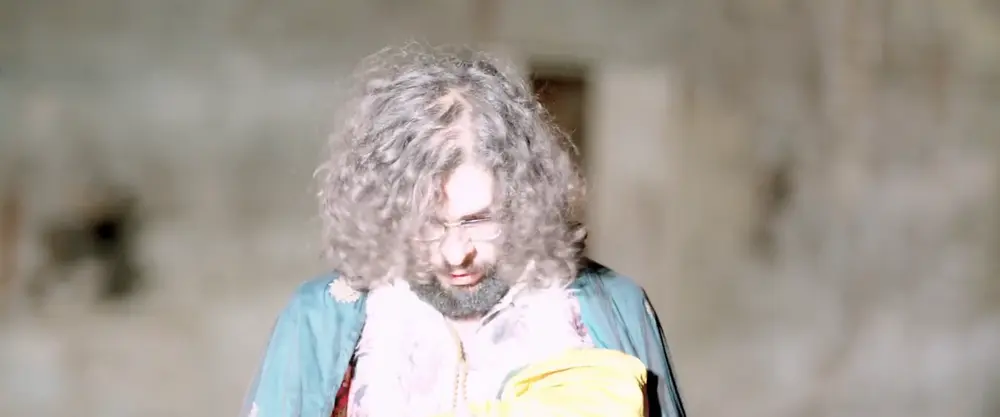
His investigation leads him down a lot of strange psychedelic alleyways, quite literally. Below we see stills from the movie, in which Halimeh’s mother tells him to smoke a whacky cigarette. Only thus will he understand her instructions, which involve finding a lame camel and killing it with five bullets. By doing this, he’s able to progress with unlocking the mystery.
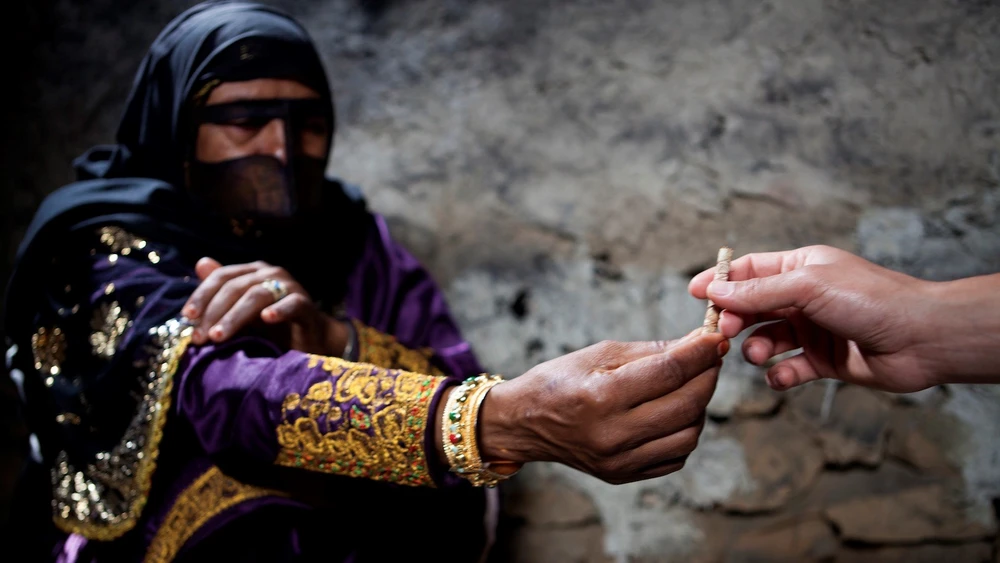
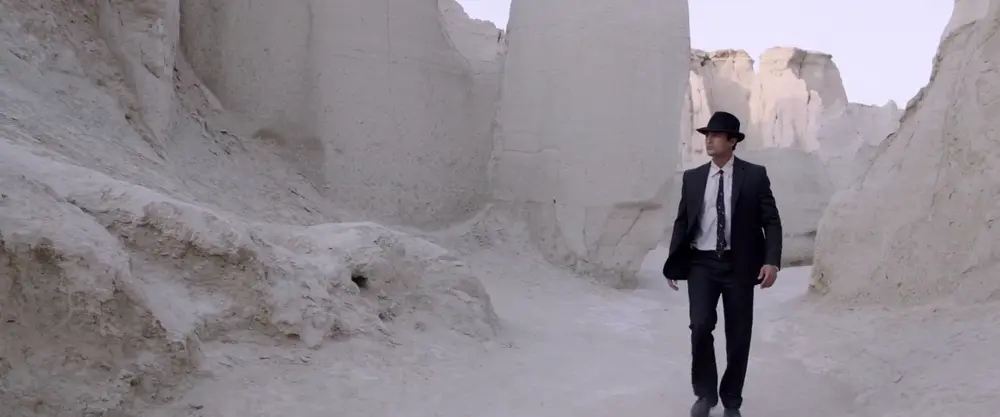
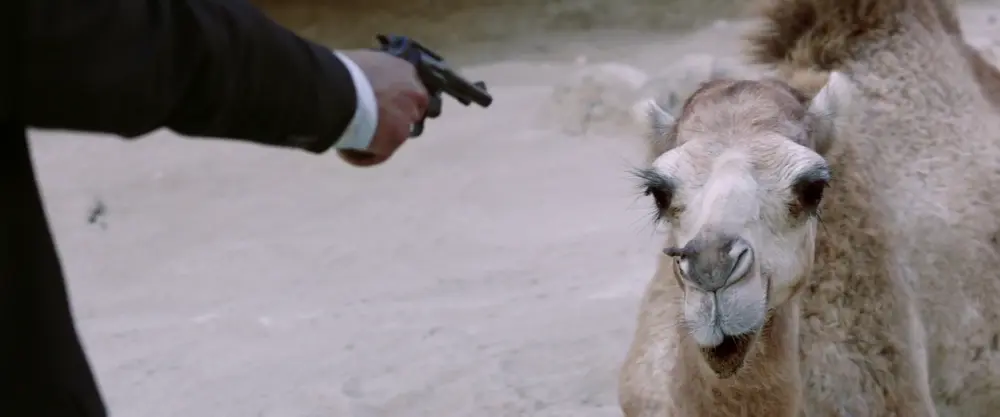
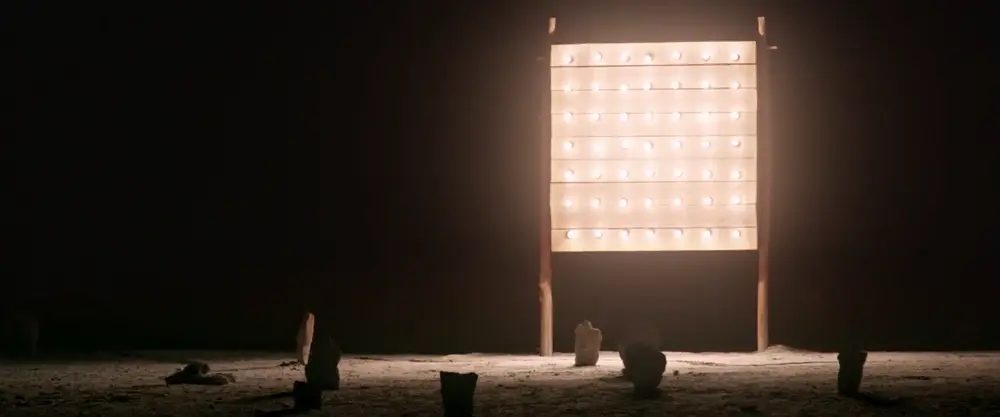
Babak and two companions (neither of whom is a member of SAVAK - one of them is a geologist, the other is a sound engineer) then enter a psychedelic sequence in which they discover the dead body of Halimeh with her new born baby, under the floor of the grounded ship in the middle of an old cemetery, in which the Marxist was discovered, hanged from the ceiling…… That’s a pretty complicated sentence to absorb.
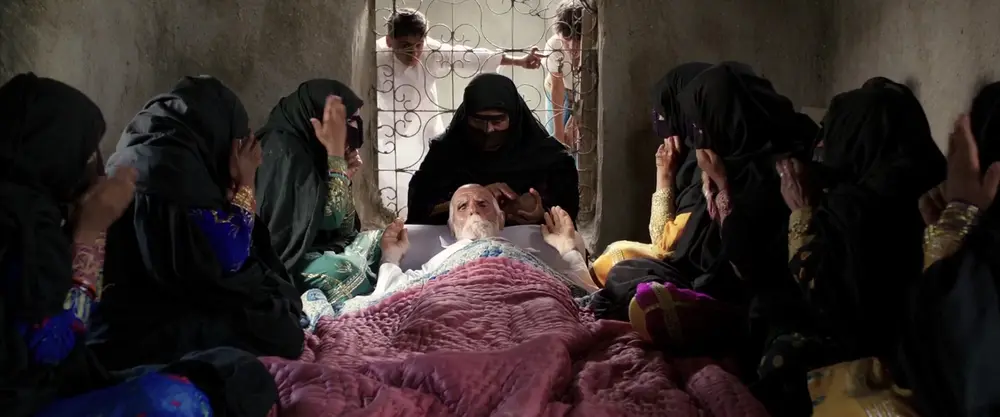
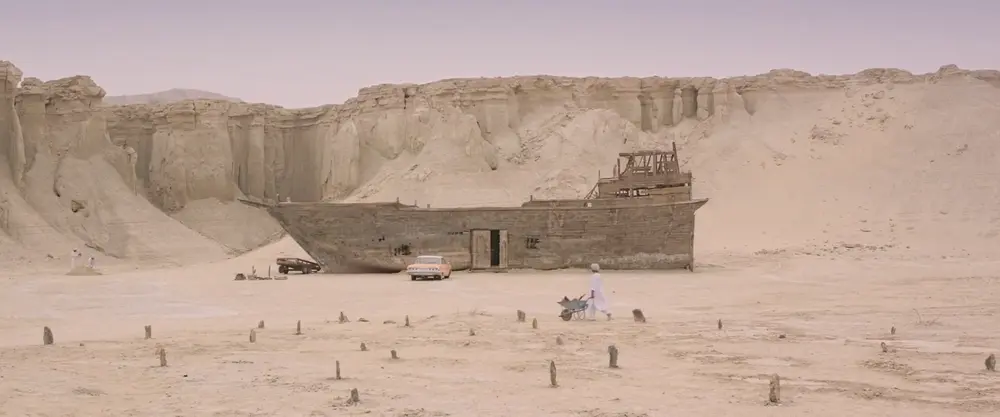
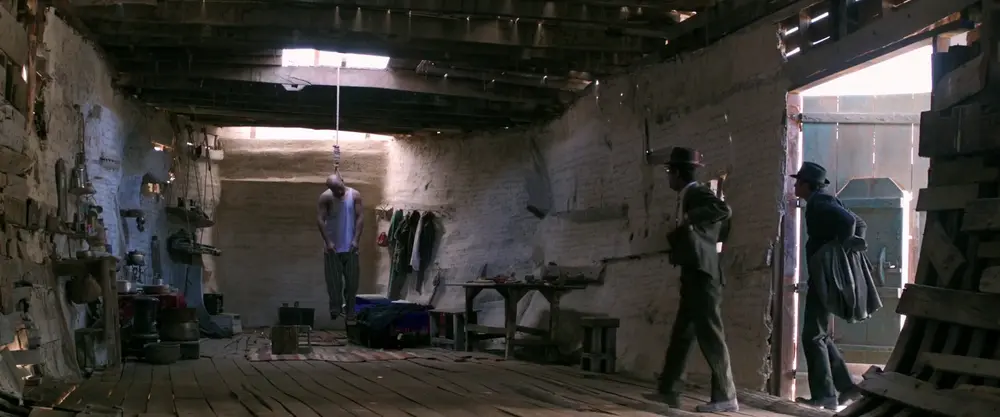
I’m describing something that we see approximately half way through the film, and a hundred crazy things have already happened at this point.
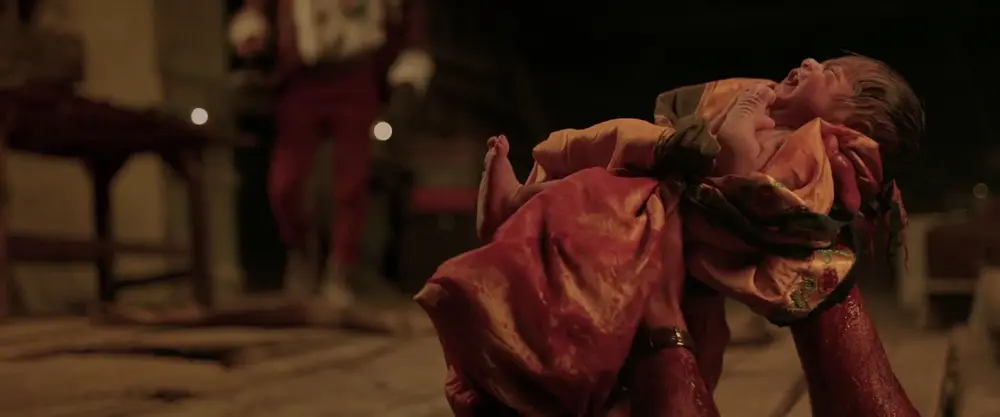
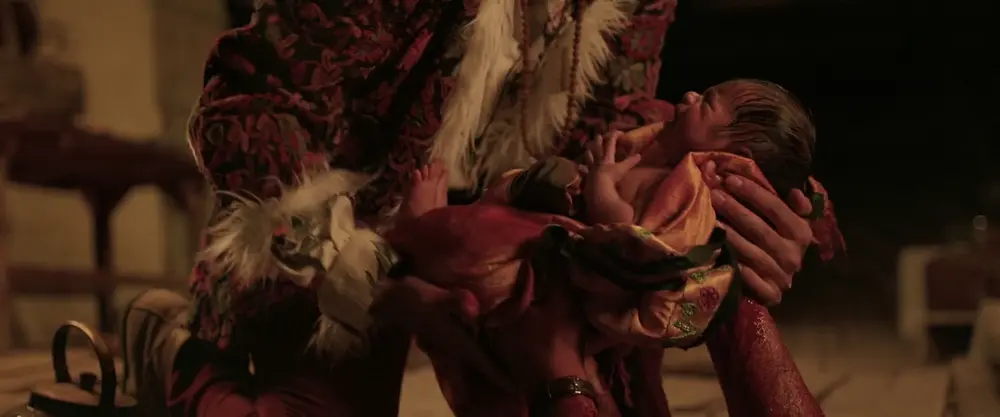
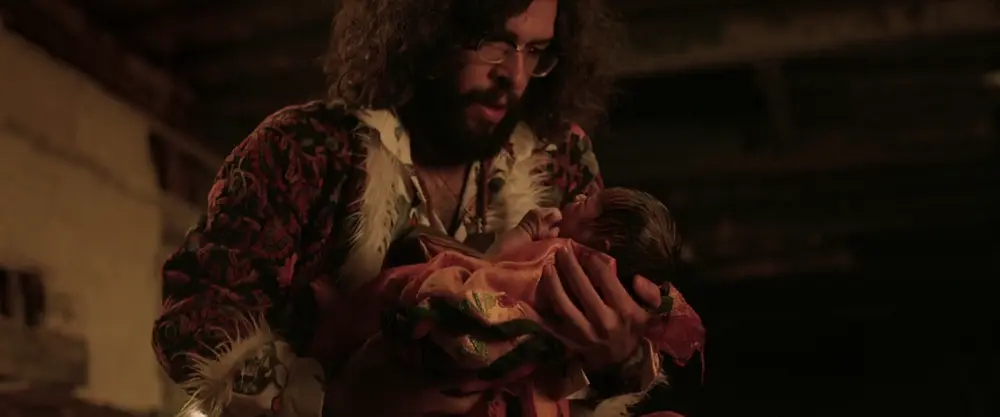
Before I attempt to give any further context to any of that, I’ll hover a little over the symbolism of the camel in this film, and I suppose also in Foxtrot. Looking at this from the British Isles, where horse worship was very obviously central to pre-Christian spiritual practices, and living inside a culture where the horse has a very specific role as a poetic symbol, it suddenly slapped me in the face (the day before writing these words) that the camel is perfectly analogous to the horse in the Middle East. Analogous, not “the same” - I’m not saying that. Analogy is enough for me. Why it should be five bullets, no idea. Five is a pretty symbolic number in the Middle East, especially in Islam. It could be that. Not sure, really, but the camel as beast of burden and transport (real or symbolic) makes sense to me, as much as anything in this film can be said to make sense.
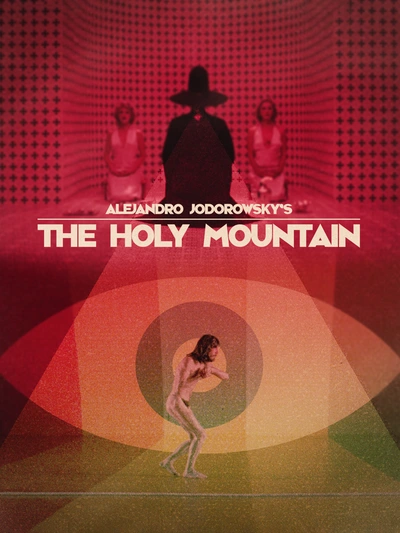
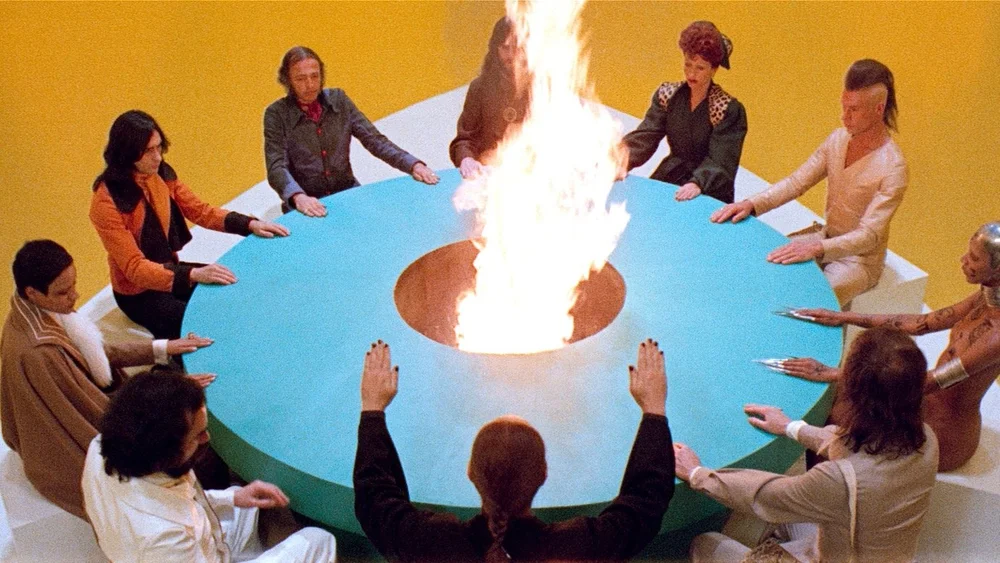
Truth be told, it was only on the second viewing that the images of Foxtrot came into my head. There was such an assault on the senses first time round that there wasn’t time to react. The one film that did come to mind, though, was Alejandro Jodorowsky’s The Holy Mountain. I can’t say for one second whether I think that there is a direct influence, but I can only say that the connection that formed in my mind was very strong. It’s not even as if I’ve watched that film recently. It was about twenty years ago that I met the people who told me about Jodorowsky, and so it was presumably not long afterwards that I watched it.
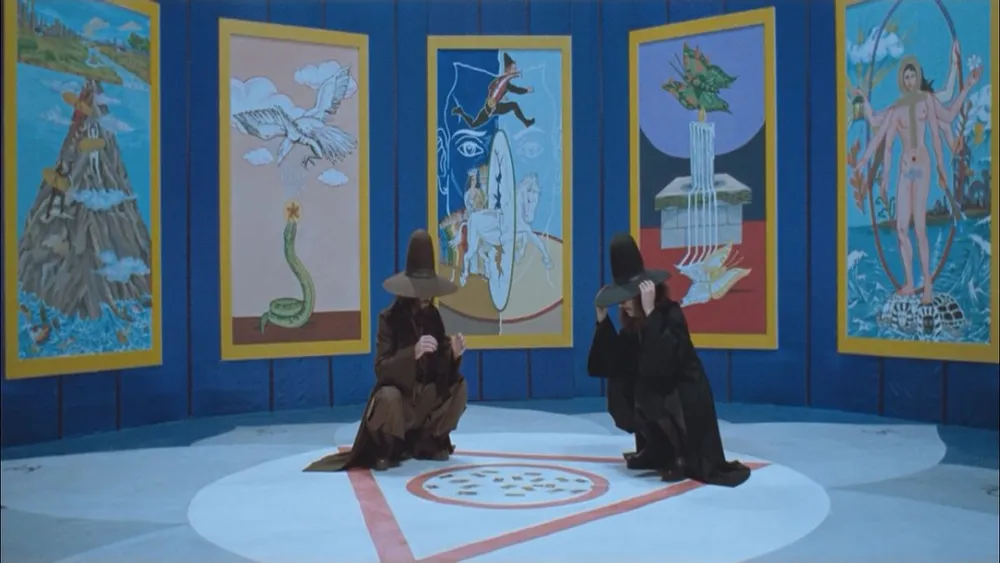
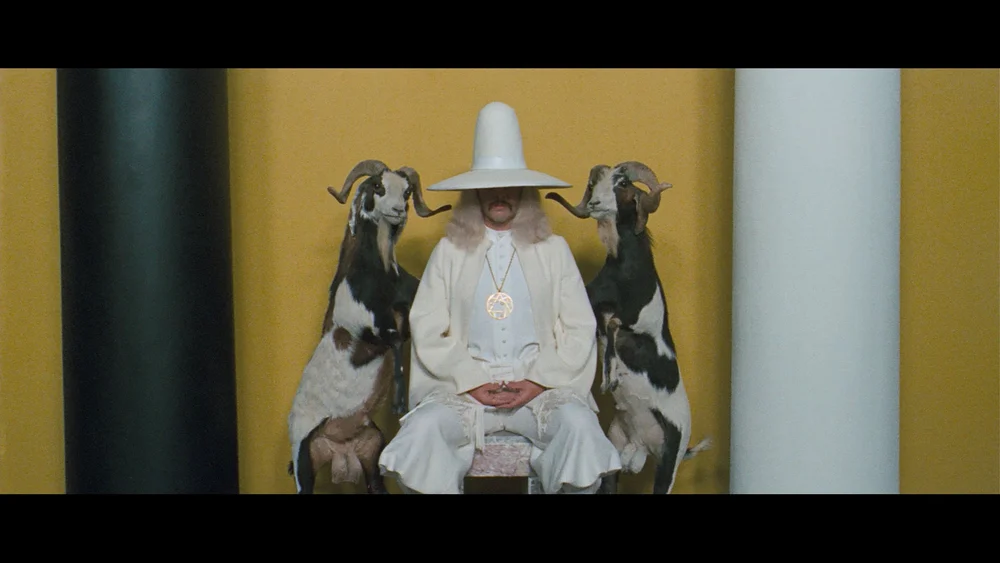
I cannot say that I liked The Holy Mountain as much as I like A Dragon Arrives!.
It’s stood the test of time well enough, but it’s too hippie and cultish for my sensibilities. I think that that trailer says all of that. However, I can say that in both films I notice the use of:
- Strong primary colours, which may have their own symbolism.
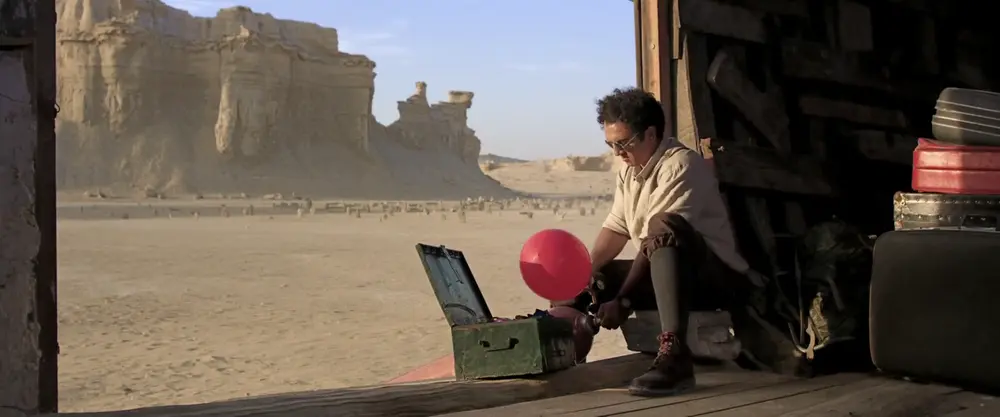
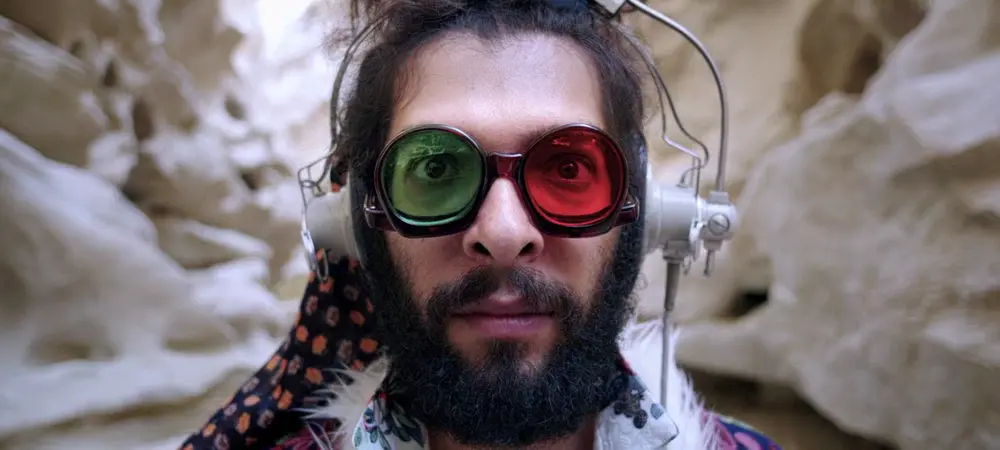
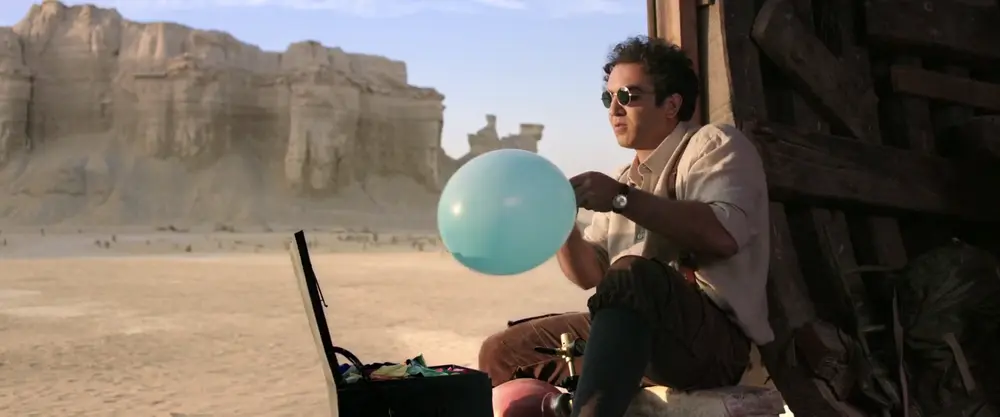
- Elemental, atavistic ritual. In The Holy Mountain we can obviously characterise it as pagan or pre-Christian. I’m not in a position to say what might be pre-Islamic or otherwise in A Dragon Arrives! As usual, refer to Behnam’s article.
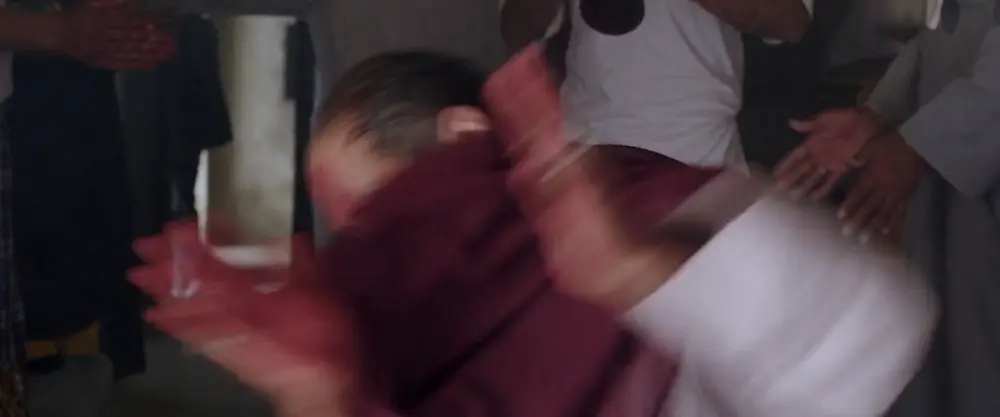
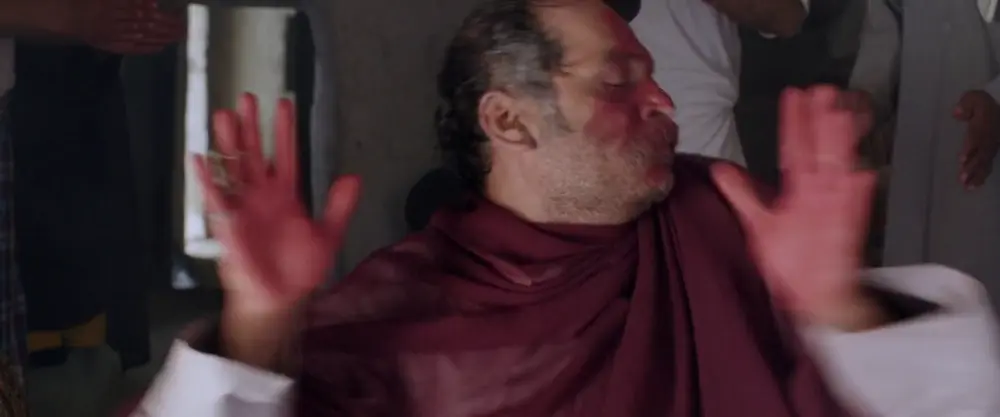
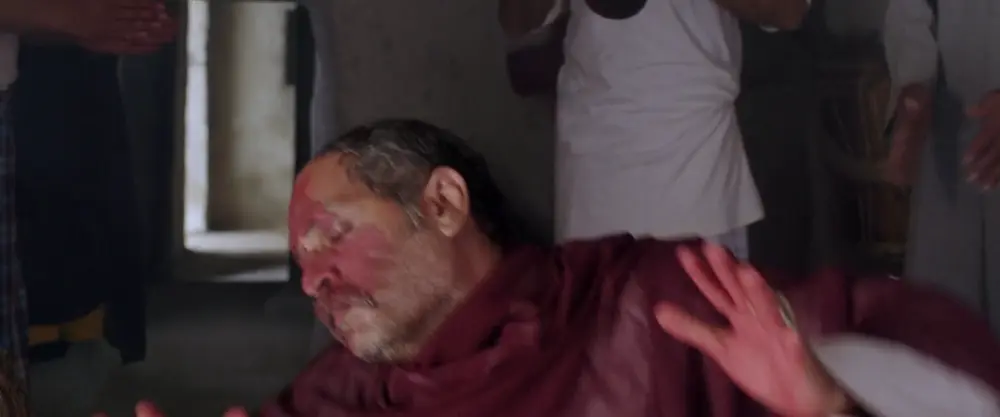
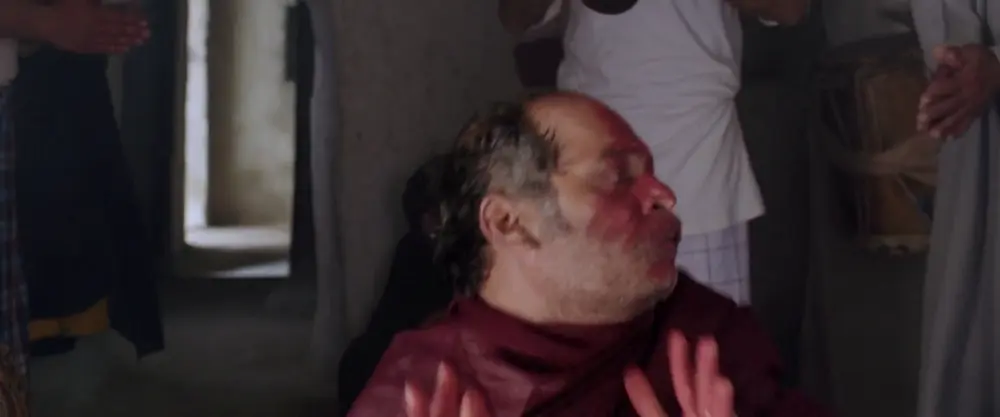
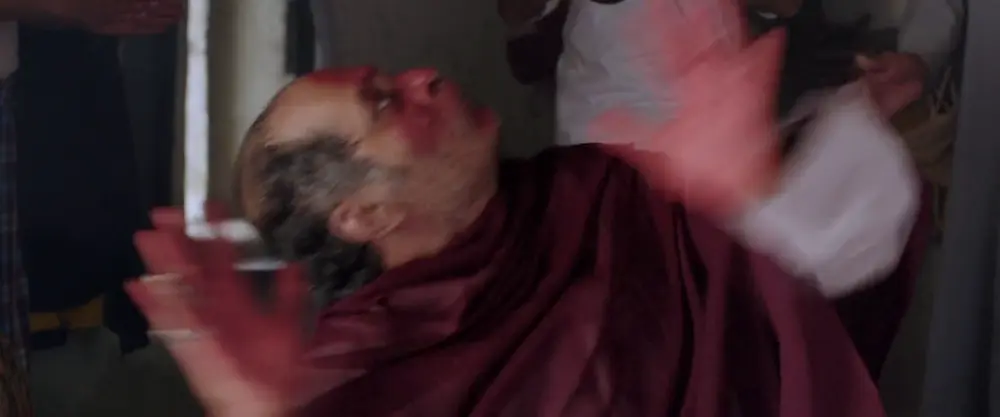
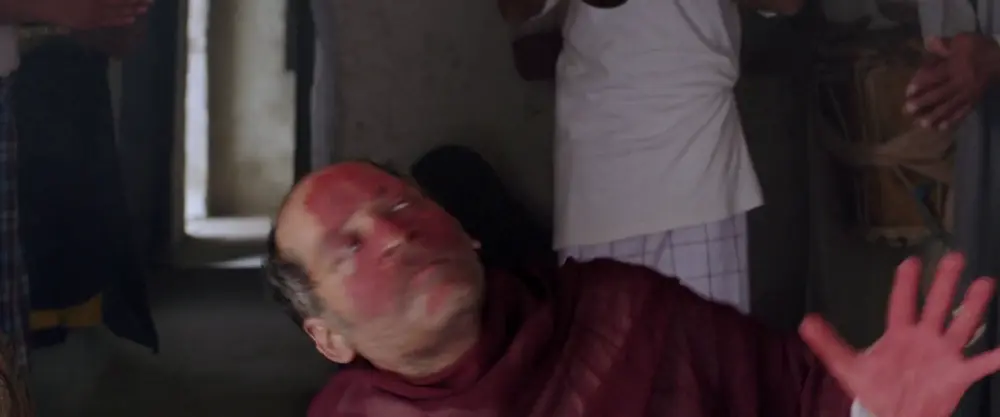
- Highly stylised costume.
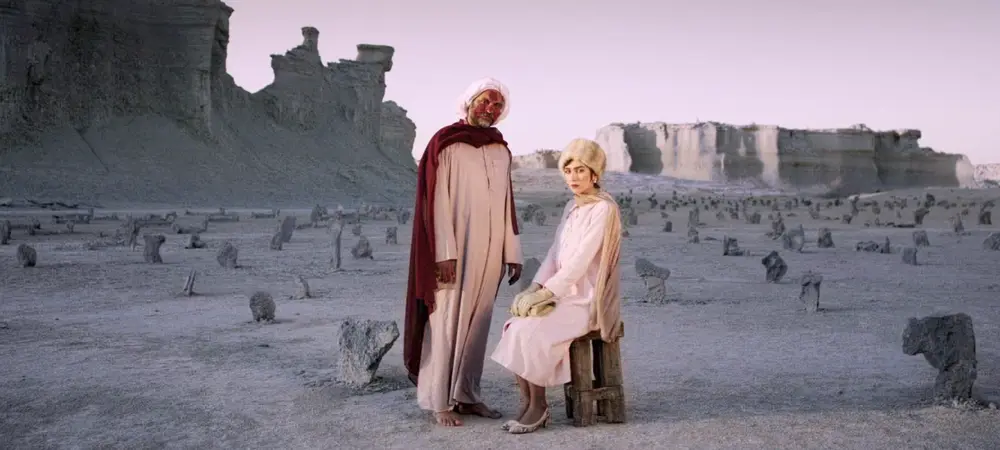
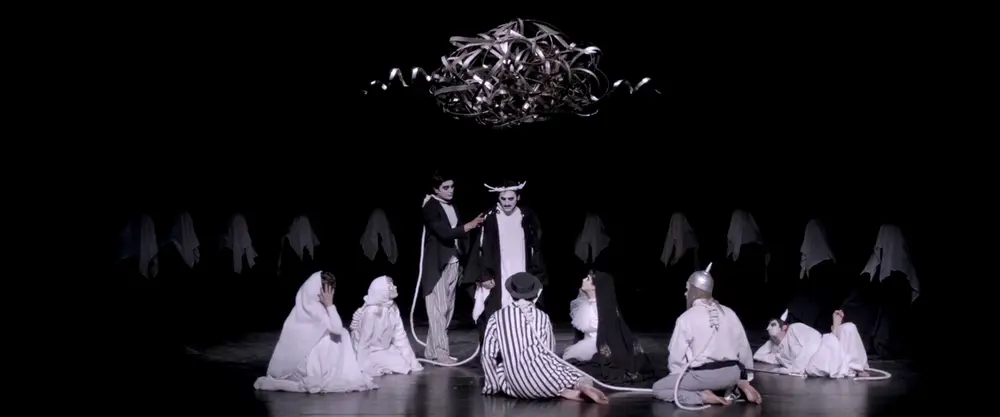
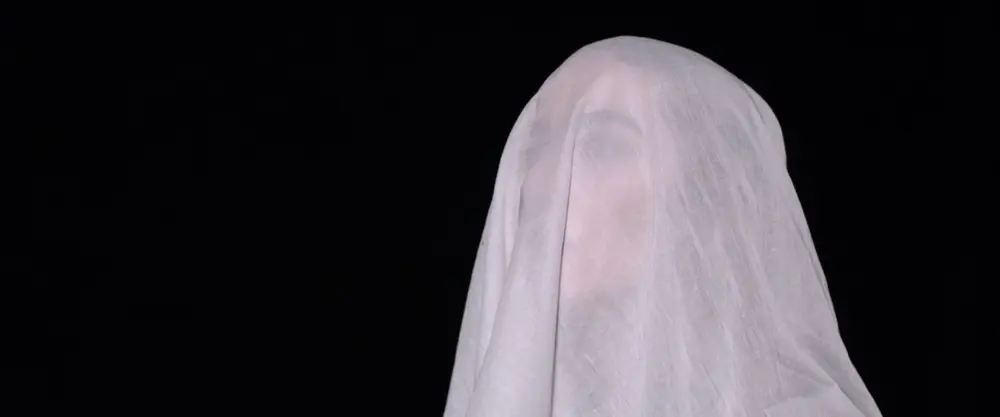
All of the above are, I suppose, factors which influenced my mind to drift towards thoughts of The Holy Mountain while watching. I would be a bit surprised if Haghighi wasn’t at least aware of it.
I can also say that I didn’t especially understand what The Holy Mountain was ABOUT when I got to the end of it. The two films certainly have that in common. The difference is perhaps that I didn’t have the same curiosity about The Holy Mountain as I still do about A Dragon Arrives!
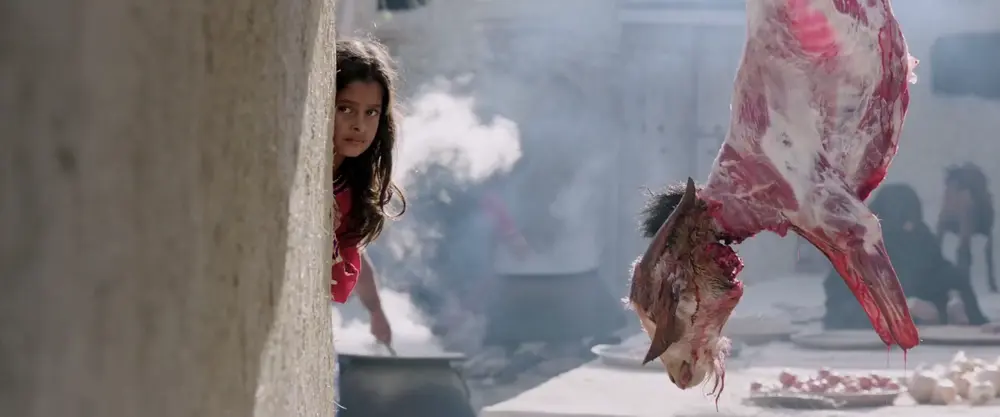
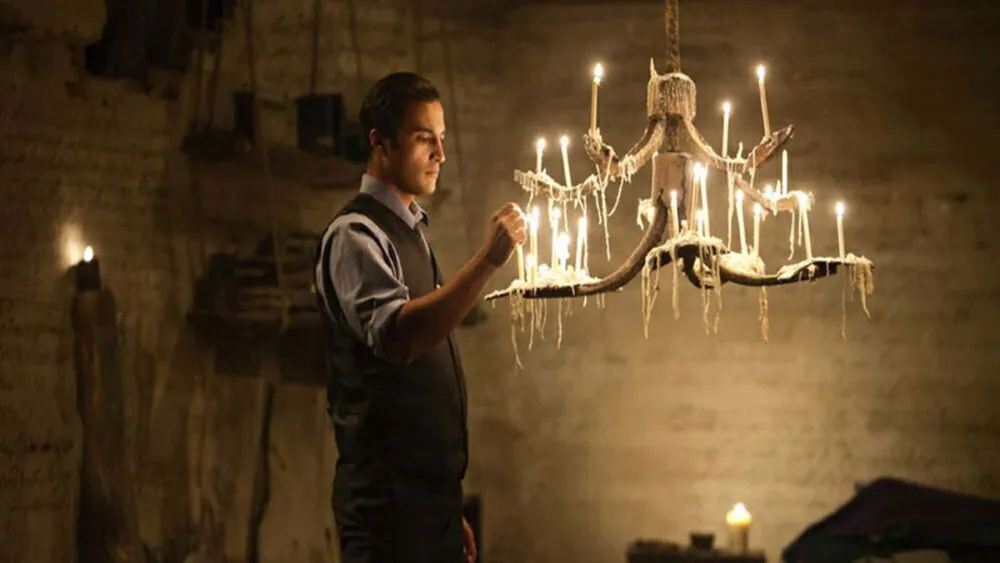
More than anything else, I think, this film is a celebration of complexity. The kind of complexity that the West has forever failed to read in the Middle East. Donald Trump’s Nobel-award-winning stupidity represents the logical end point of that deliberately obtuse refusal to process it properly, but he’s hardly the first to fuck it all up.
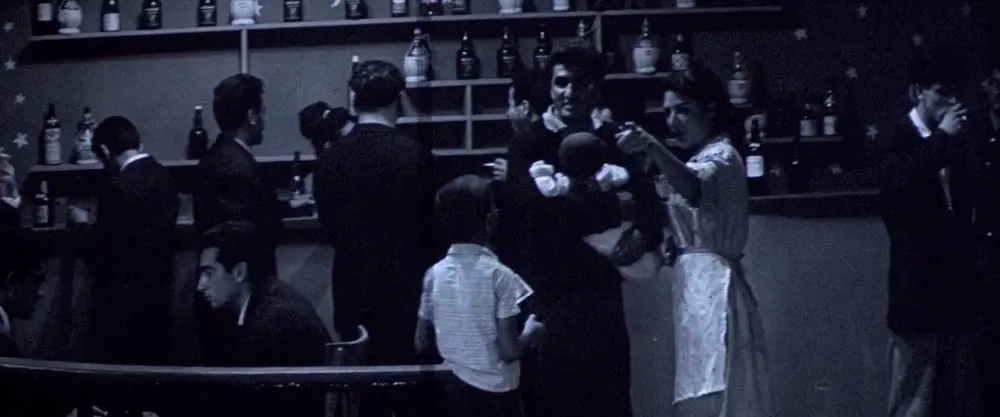
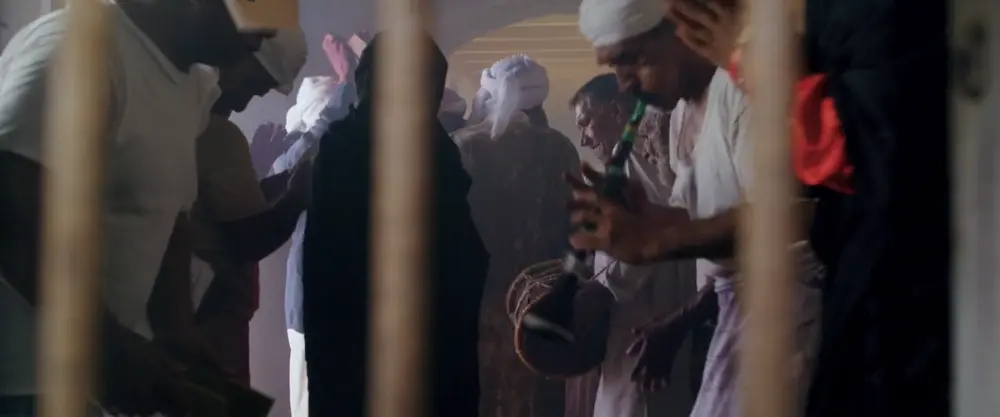
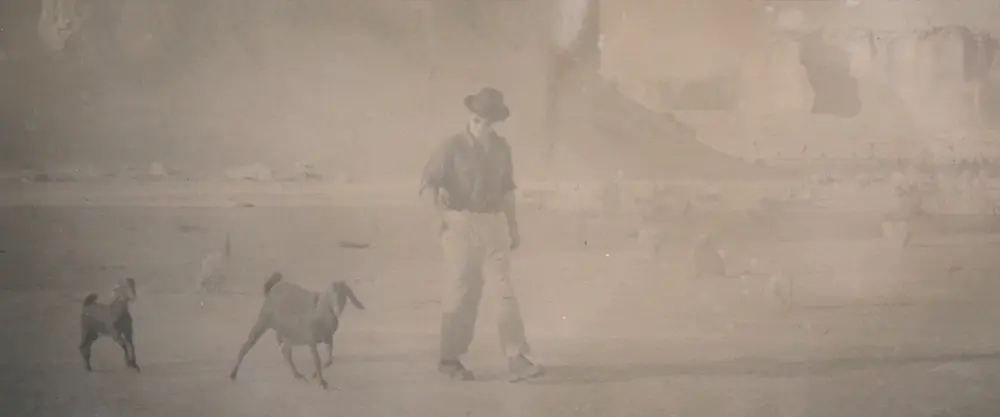
Everything in the Middle East is complicated. Every time you think you’ve understood things, something else comes along to contradict what you took to be certainty. The reduction to simple platitudes applies just as much to the shouty ranty Free Palestine! crowd as it does to the neo-liberal, neo-conservative or neo-moronic MAGA imperialist right.

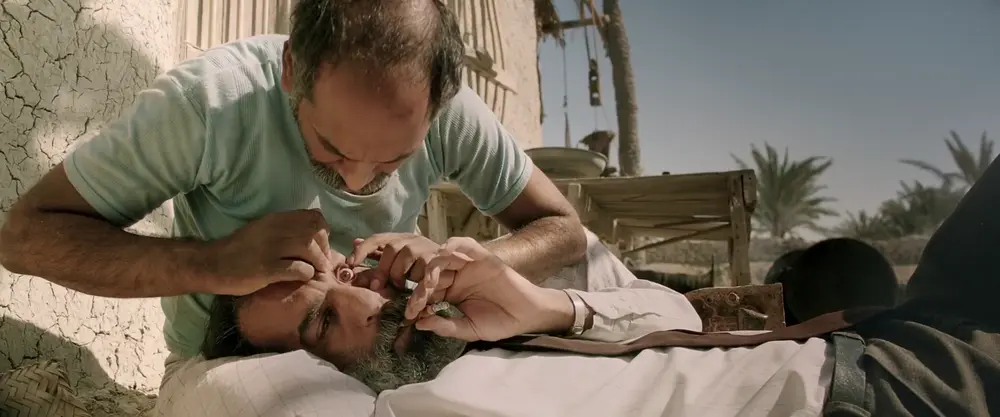
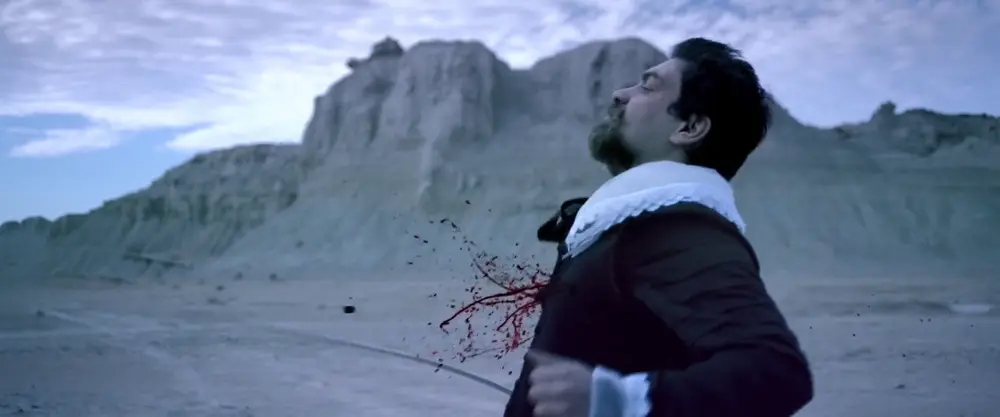
In this film, one new complication is constantly added to another. Let’s look at a few of them, without coming to any reductive conclusions about what any of it actually means.
When Babak first arrives on the island and concludes from the wounds on the dead Marxist’s neck that he didn’t initially hang himself, but was in fact murdered (which is where the mystery begins), he tells the local man who is helping them to bury the body. The man then pleads with Babak not to bury him in the cemetery around them. Every time someone is buried in that cemetery, a sleeping dragon under the earth is awakened, and there are earthquakes.
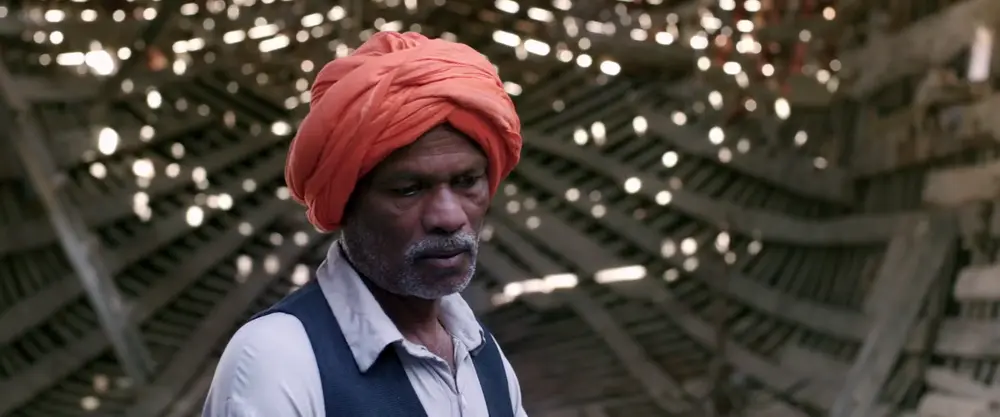
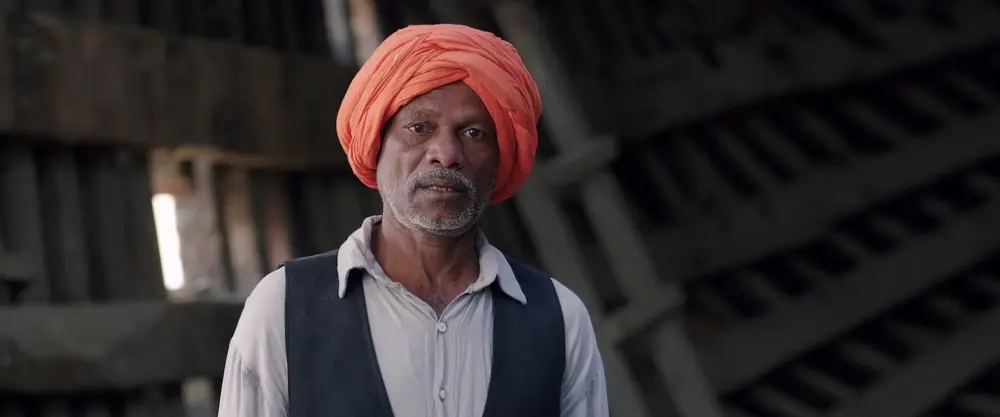
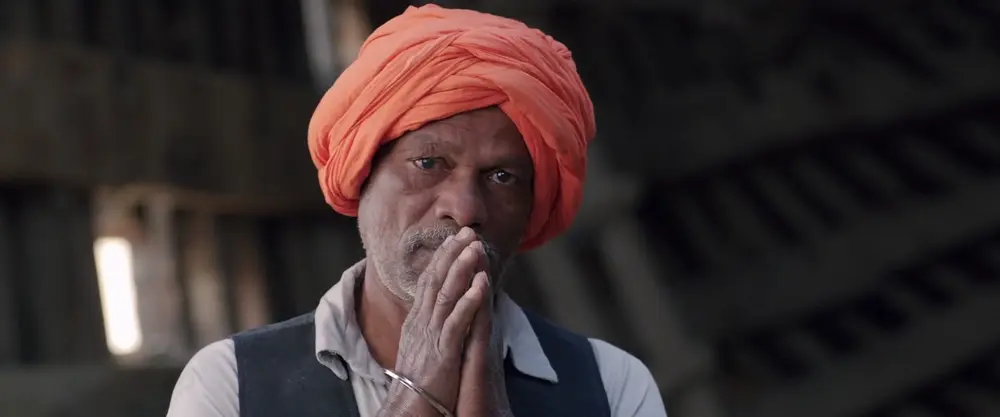
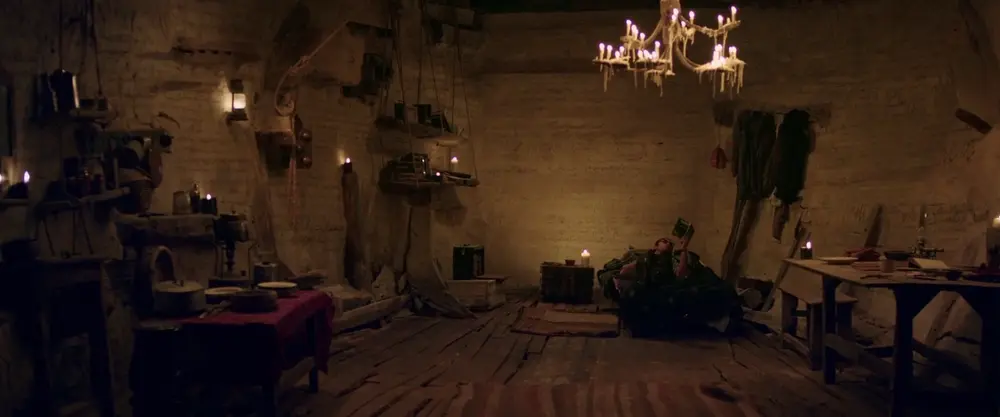
Babak refuses to go along with this superstition, and the body is duly buried. Fascinated by the place, Babak decides to stay the night there, once again despite the protestations of Charaki, the local SAVAK guy. And sure enough, as night falls, while Babak is reading, the inevitable earthquake does happen.
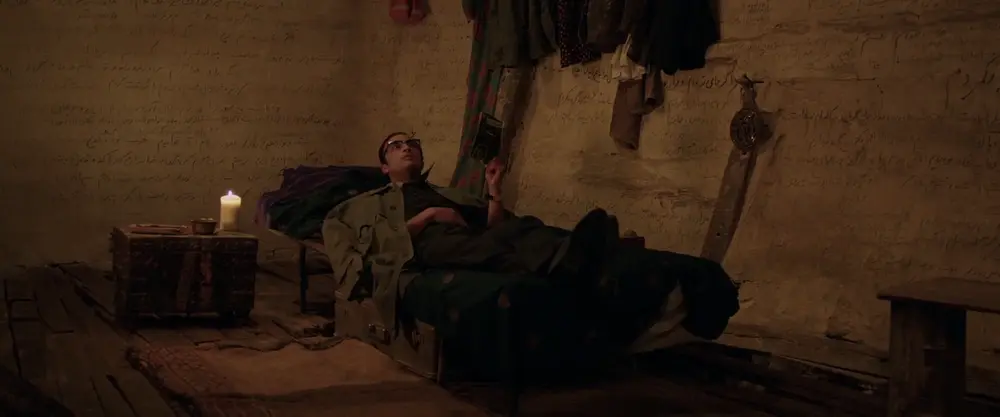
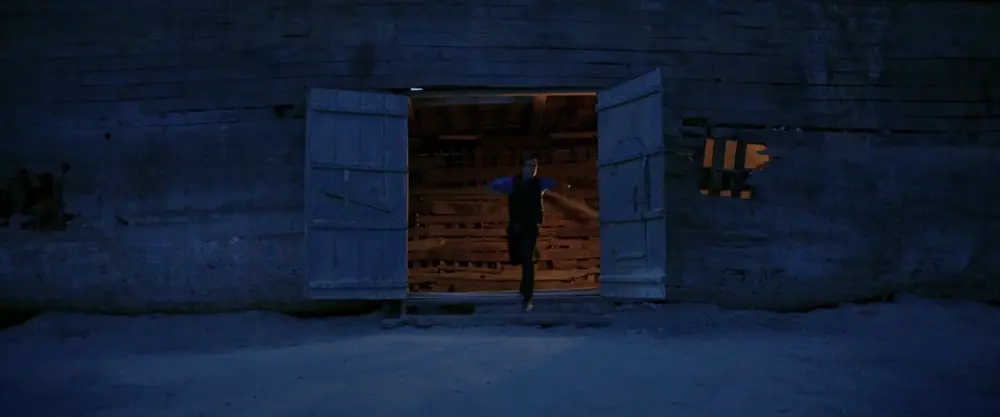
In his article, Mansoor Behnam insists on a symbolic interpretation of the dragon in the movie, despite Haghighi’s objection to any such thing:
...in press conferences, Haqīqī has heatedly denied any intentional use of symbolism in A Dragon Arrives!. Instead, he has expressed that his films “have never been symbolic or metaphorical,” and that he detests the use of symbols in his works.
(Note, here, that Behnam is using a different system for transliterating Farsi names. There’s more than one way to do it, but hopefully it’s clear enough here that Haqīqī=Haghighi)
However, despite Haqīqī’s aversion to symbolism, it is nearly impossible to disregard the symbolism inherent in A Dragon Arrives!, with the “dragon” being the most evident. Along these same lines, this article refers to Fredric Jameson’s conceptualization of the “political unconscious” to support the argument that the dragon’s “arrival” is in fact a politically symbolic one.
Who knows? There’s certainly reason to suspect that the timing of the story may perhaps be reflective of this. The period in which the film is set - 1964-65 - was a particularly convulsive one in Iran. On January 21st 1965 the Iranian prime minister Hassan Ali Mansur was assassinated outside the Majlis by a young militant of the Shi’a fundamentalist group Fada'iyan-e Islam.
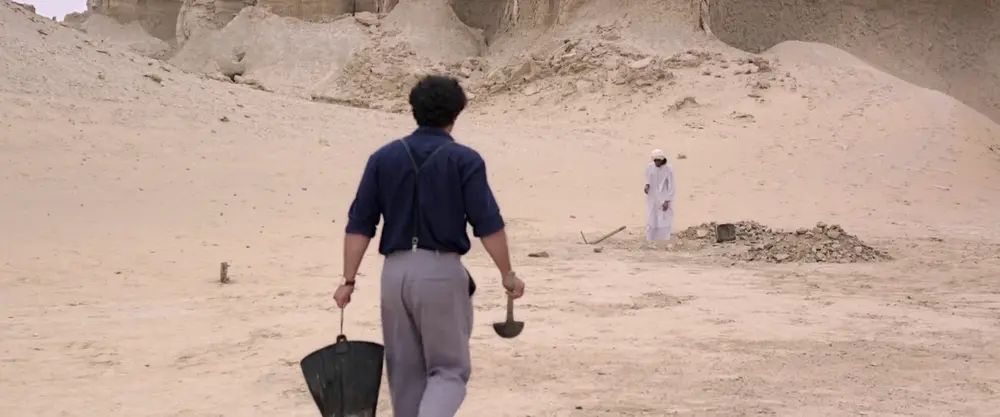
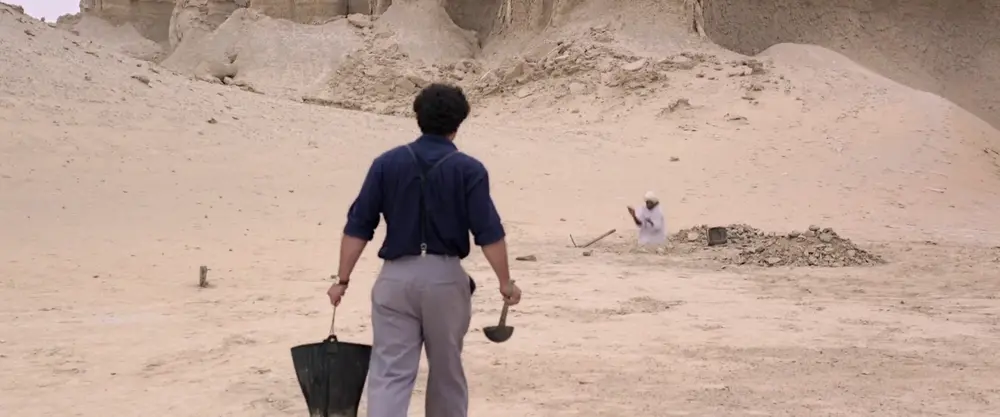
This event didn’t come out of nowhere. Mansur was a leader of the Shah’s ambitious secularising reforms, collectively known as the White Revolution. Only two months before the assassination, a man whose face would 14 years later become famous all around the world, Ruhollah Khomeini, had been arrested and exiled from Iran for his outspoken opposition to the reforms. Initially he went to Turkey, and then spent 13 years in the historically important Shi’a city of Najaf, Iraq, until Saddam Hussein got a bit antsy in 1978 about what was brewing in Iran, and sent Khomeini elsewhere, to the evil decadent West.

So, yes, it’s certainly possible to interpret the timing of the film as politically symbolic. The dragon, then, would represent the repressed will of the great Iranian people, with their thousands-year-old civilisation, stirring 14 years before the Revolution. Well, maybe, but….
… the trouble with any of that is that Haghighi really is quite insistent on the matter, and is in fact completely open about the fact that he’s playing in this film with the deliberate obfuscation of historical reality and fiction. Listen to him speaking at a festival Q&A, and decide for yourself!
Any attempted political framing is at once:
- enhanced by the fact that the SAVAK interrogations of Babak and his two companions, with which the film begins, are taking place on January 23rd, 1965, two days after the aforementioned assassination of Hassan Ali Mansur.
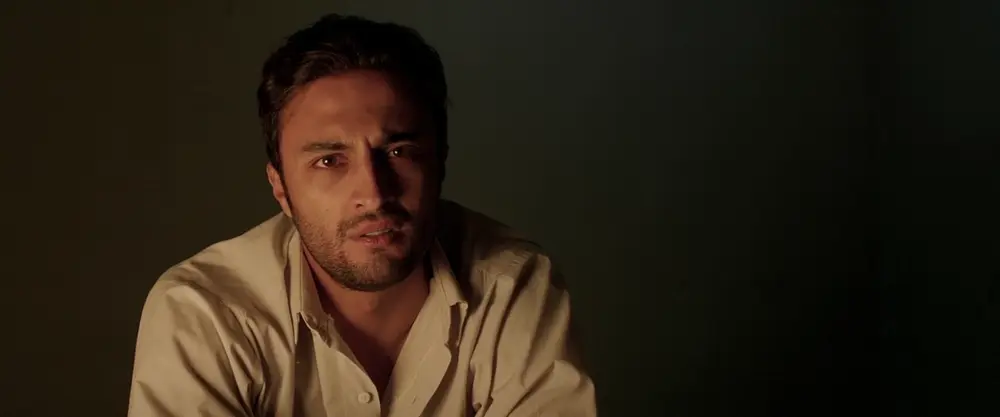
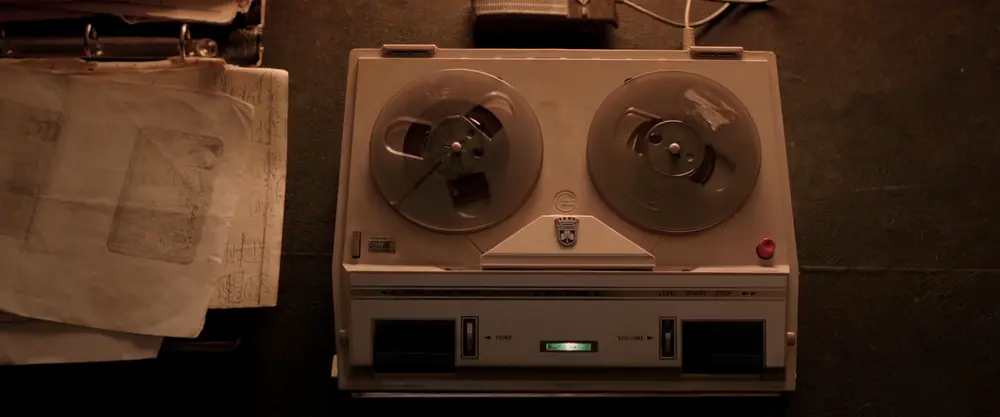
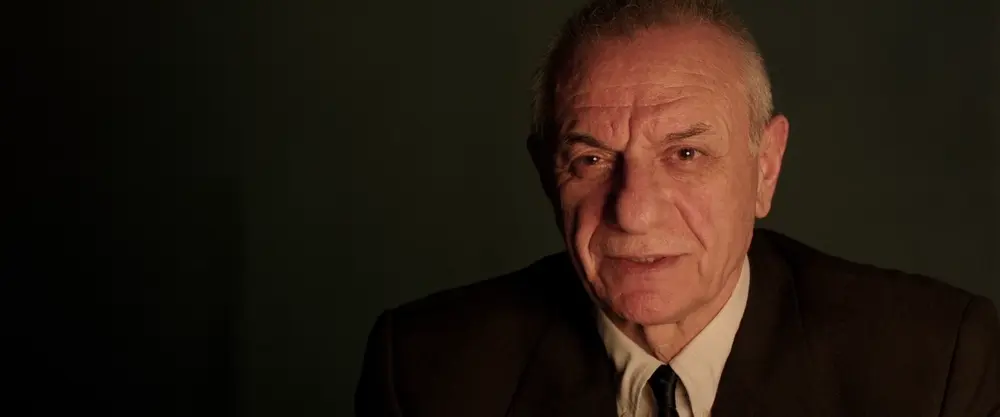
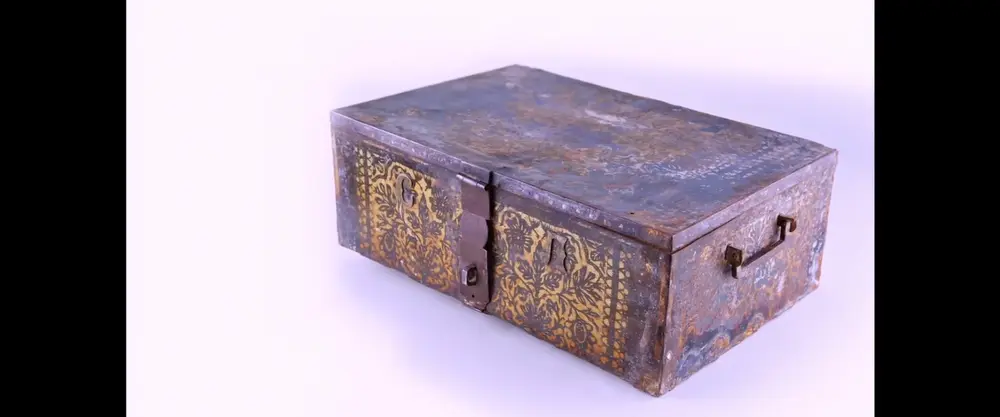
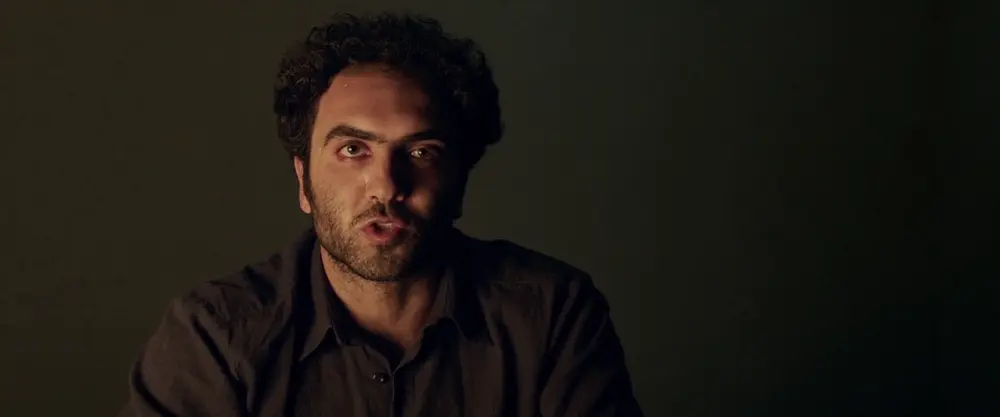
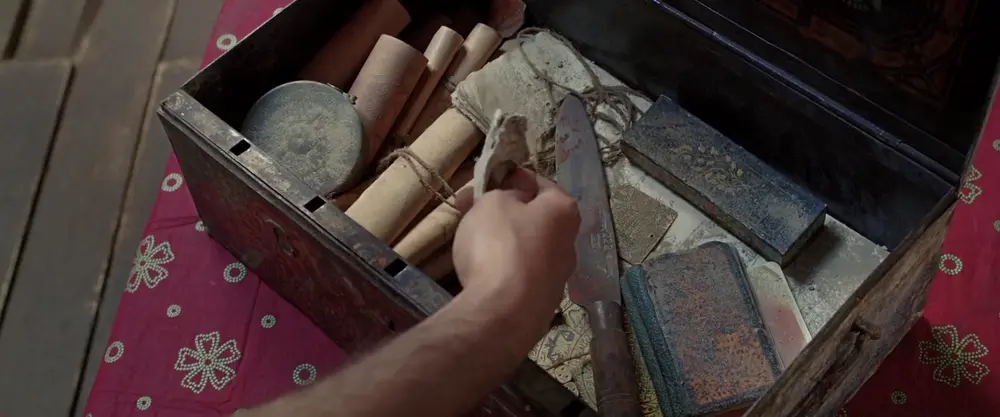
- diminished/deflected by the fact that Haghighi weaves the tale into a mockumentary story of a mysterious box, discovered in his mother’s house, in the same room where all the old films of his grandfather, Ebrahim Golestan.
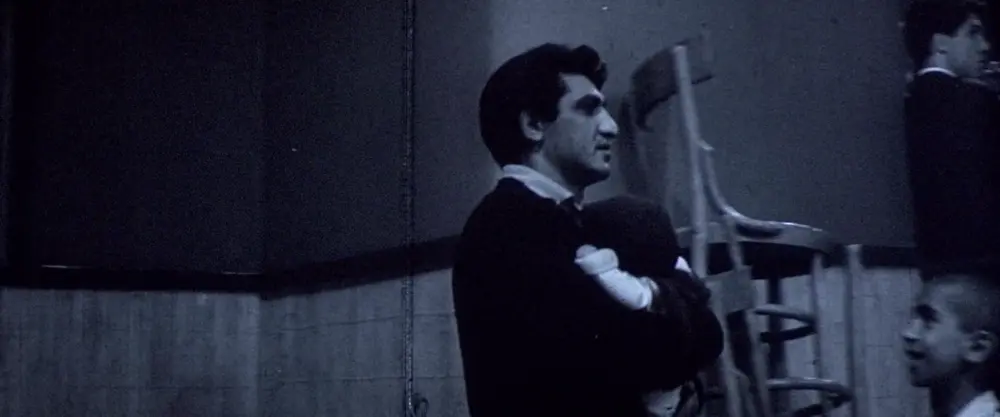
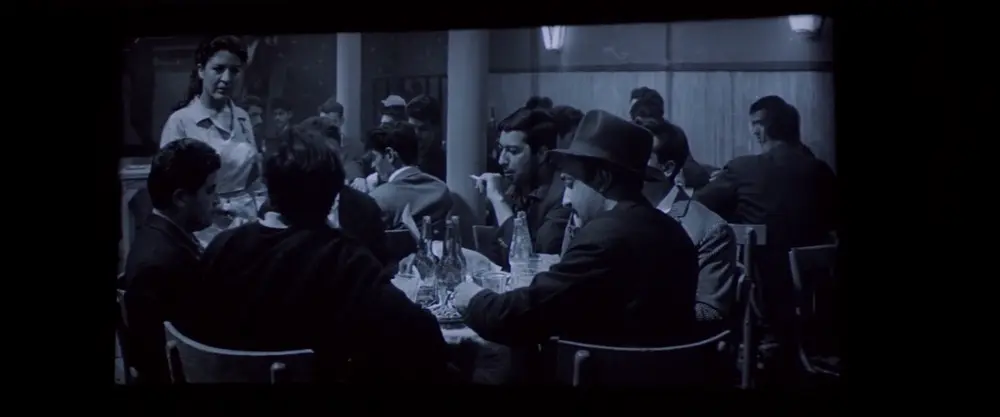
Golestan is most famous in Iran for directing one of the most significant films of the pre-revolutionary period, Brick and Mirror, which was - importantly - made around the same time as the events in the movie. I have no idea if this is part of Haghighi’s whole pranking game, but if you look around online - Wikipedia, IMDB, etc. - you’ll see contradictory dates given for the production of that film, ranging from 1963 to 1966. That adds to the blurring of things. That’s what I’ve observed, at least, but I’m no omniscient narrator. Maybe I’m in on the game.
Babak is a convinced rationalist, it seems, and he’s not prepared to accept the supernatural as an explanation for earthquakes. He enrolls a geologist called Behram Shokouhi.
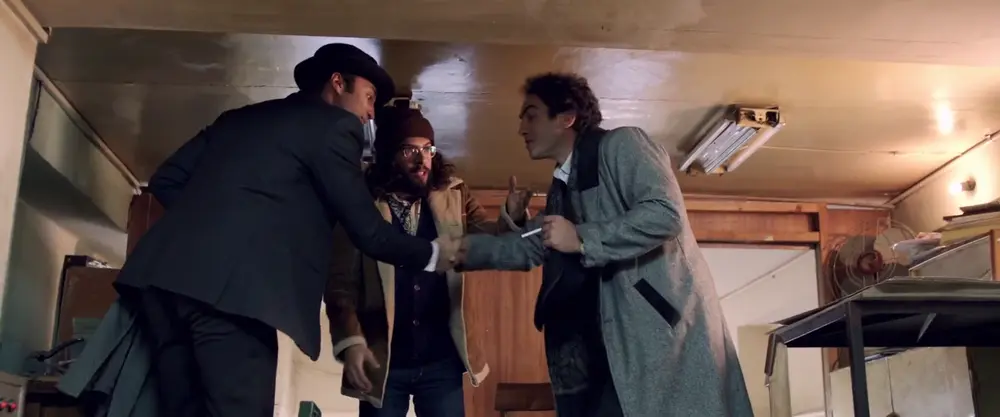
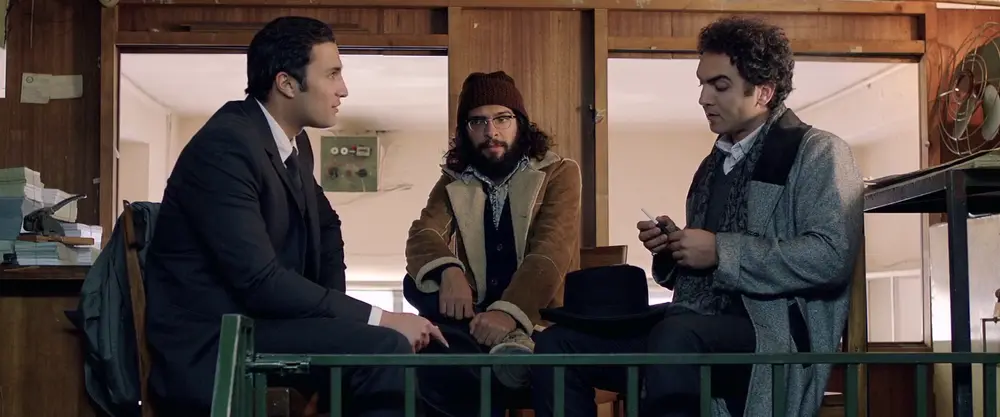
Wheels within wheels - Babak has been put in contact with Behram thanks to a chain of connections. Babak is working closely in SAVAK with a beautiful agent called Shahrzad Besharat, who in turn is in some kind of on-off love affair with Keyvan Haddad, the assistant sound engineer on Golestan’s Brick and Mirror, a friend of Behram’s.
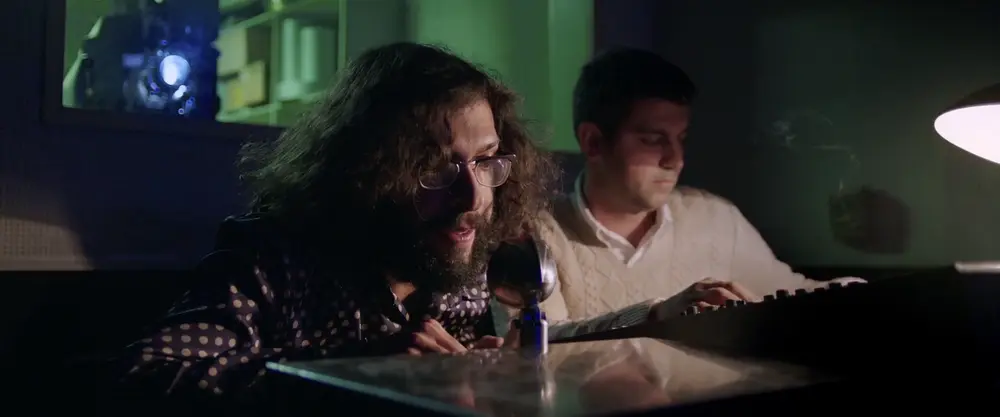
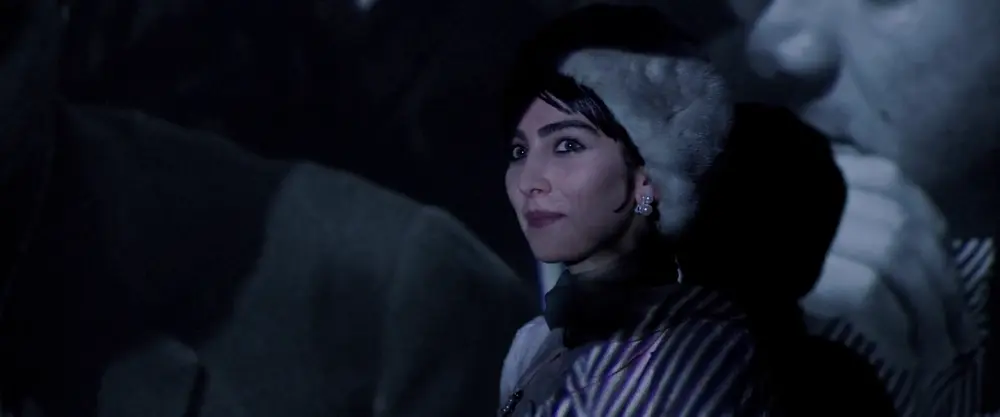
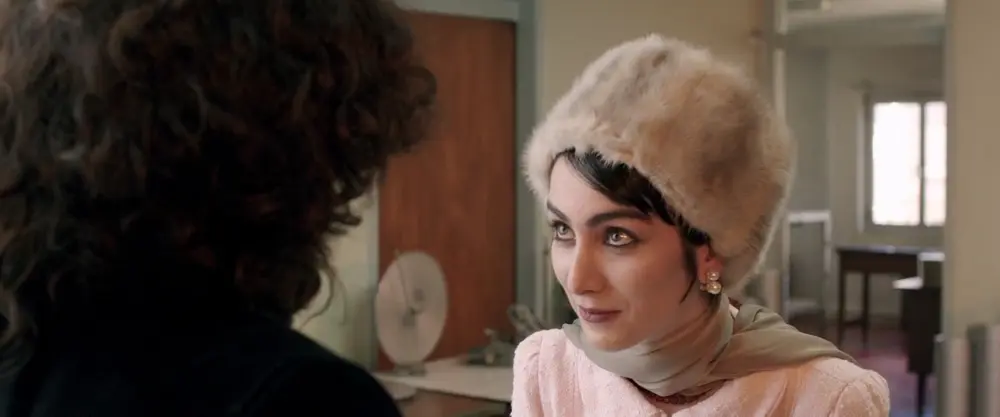
The baroque complexity of this chain of connection, along with the seemingly overelaborate cloak of secrecy around this meeting is presumably part of Haghighi’s game. Babak and Shahrzad, along with the interrogator, Saeed Jahangiri, are members of a small cell (called Hozvaresh) who have infiltrated SAVAK. Wheels within wheels within wheels. It’s left completely unclear what kind of political orientation this small cell has - Marxist, anarchist, Islamist, nationalist, or other - and I’ll assume that also is entirely intentional.
Please refer to Behnam’s article for a discussion of this concept of Hozvaresh (Huzvārish, in his transliteration). It’s going far too deep into Persian culture for me to even attempt to talk about it here. In a nutshell (IF I’m taking all of this to be true, and not another Haghighi trick), the term comes from Middle Persian, and originates in Aramaic. The connotation of the term, according to Behnam, is:
to interpret, explain, and analyze.
I suppose there’s maybe something here that is analogous to the Kabbalah. On the one hand it’s about rational analysis, and on the other it’s about the magical and the irrational. Not sure. I’m out of my depth. Maybe I’ll be able to comment after I have watched the film for the fifth or sixth time. Five seems to be the magic number, I guess.
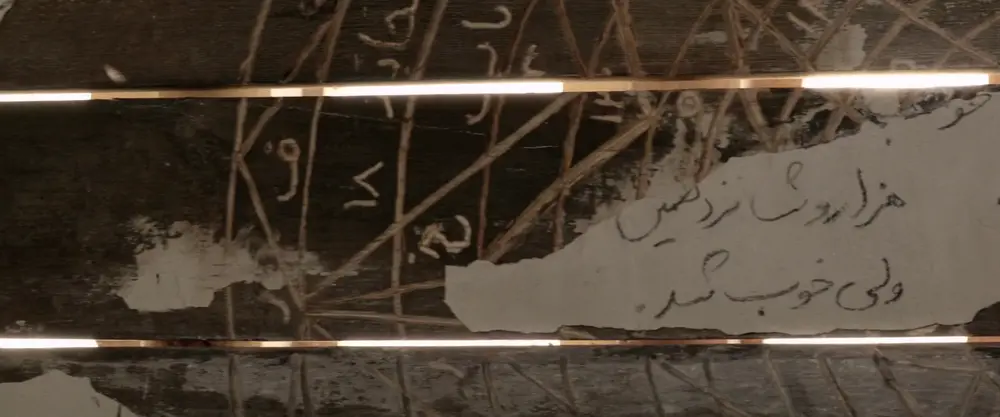
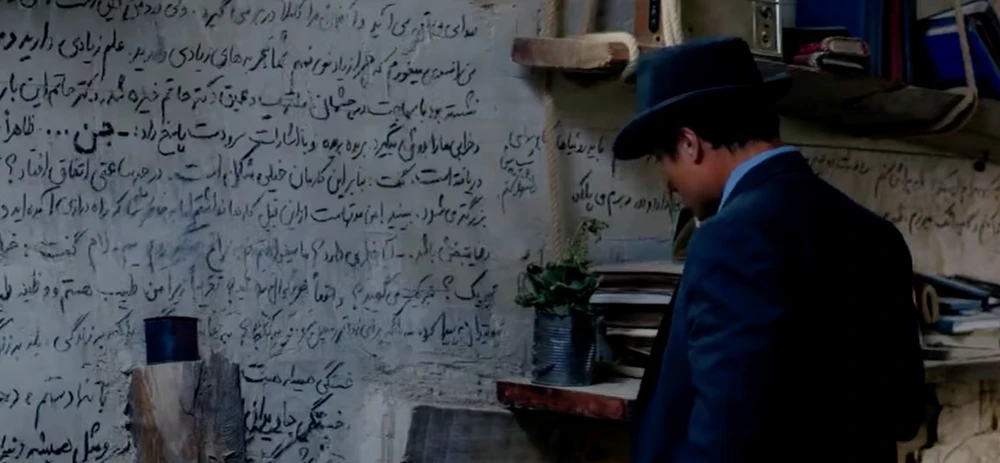
Babak thinks that there’s been a cover-up, by the local SAVAK agent, Charaki, about the death of this Marxist; but it’s not at all clear what he expects to learn with the help of a geologist and a sound engineer. Neither Keyvan nor Behram seem to be politically involved. We may wonder why the two SAVAK agents have picked these two fairly random guys to join the inquiry.
The sources that I can find in English don’t provide any evidence of a real-life Keyvan Haddad. Why would they? Maybe there’s something out there in Farsi, but that’s not a place where I can dig. As Haghighi says in the video above, it’s entirely up to the viewer to decide how much of the film is based on anything that really happened around the time that Brick and Mirror was produced. Paraphrasing Haghighi, somewhat, that’s the fun of it all.
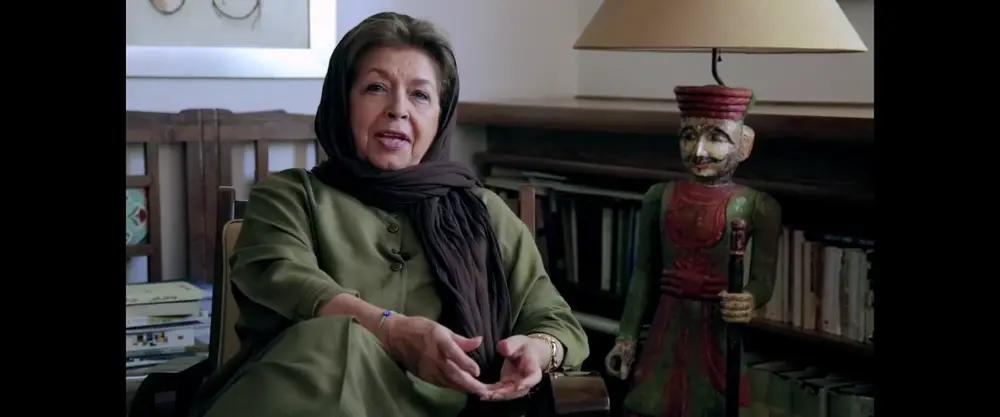
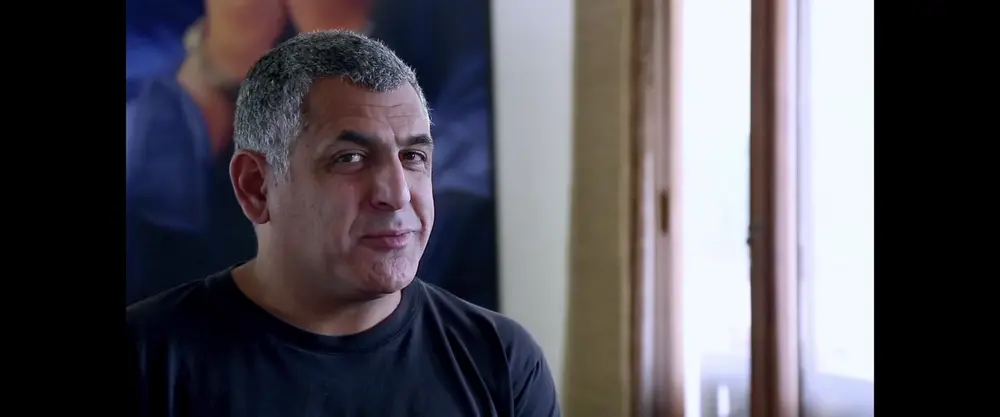
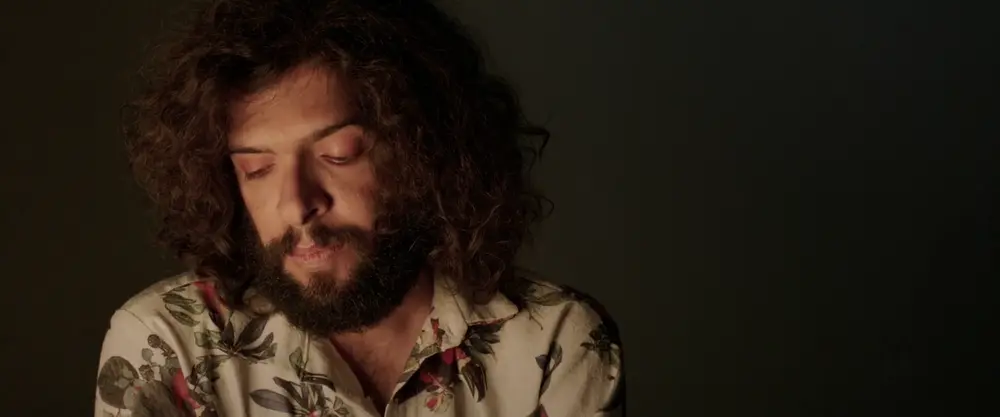
Let’s get to the final wheel within all these wheels - the mockumentary framing of the story. Haghighi assembles a cast of very plausible people, including (I assume) his own mother, to describe firstly the circumstances in which he discovered the mysterious box and to talk about the labyrinth of intrigue that the box opened onto.
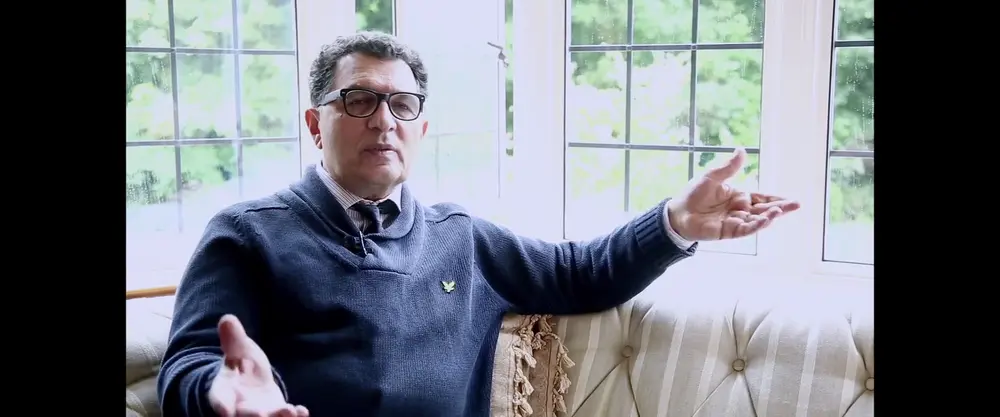
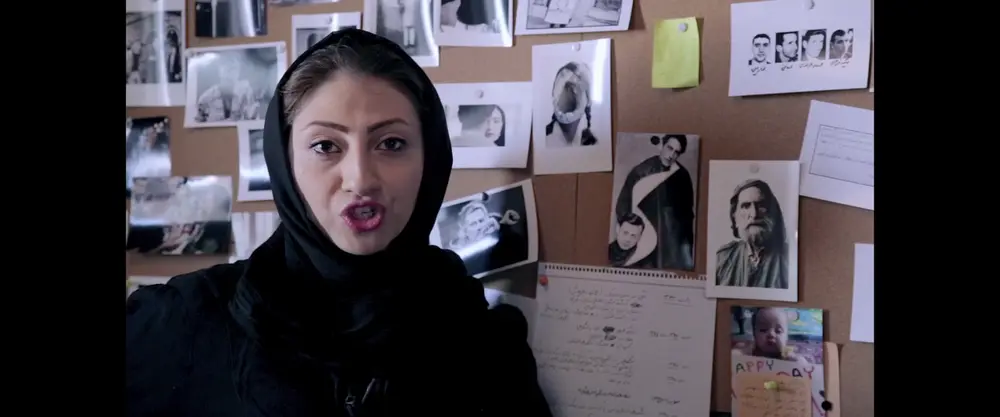
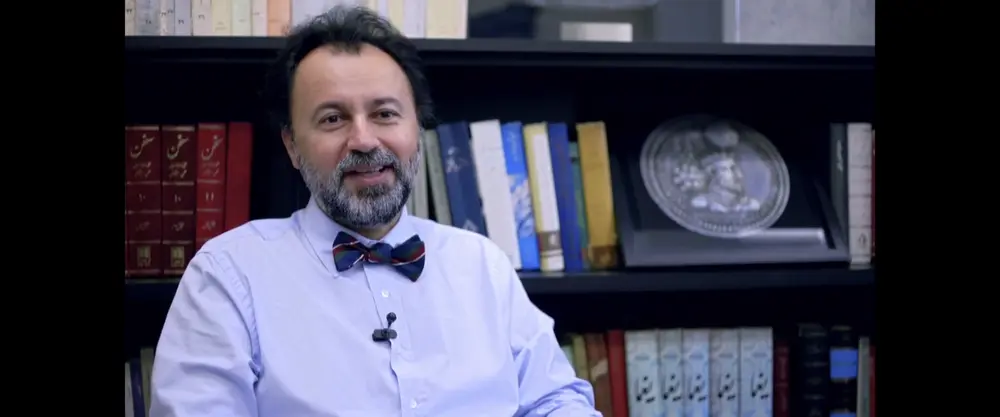
Among the interviewees we have Shahrzad Besharat and Saeed Jahangiri. Shahrzad, we learn, left SAVAK and her infiltration work with Hozvaresh, only a few years after the events described in the movie. She entered the theatre. Games within games.
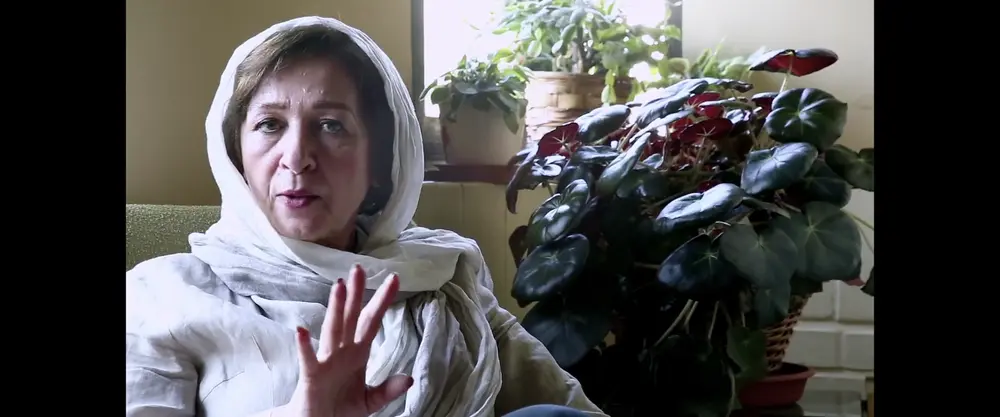
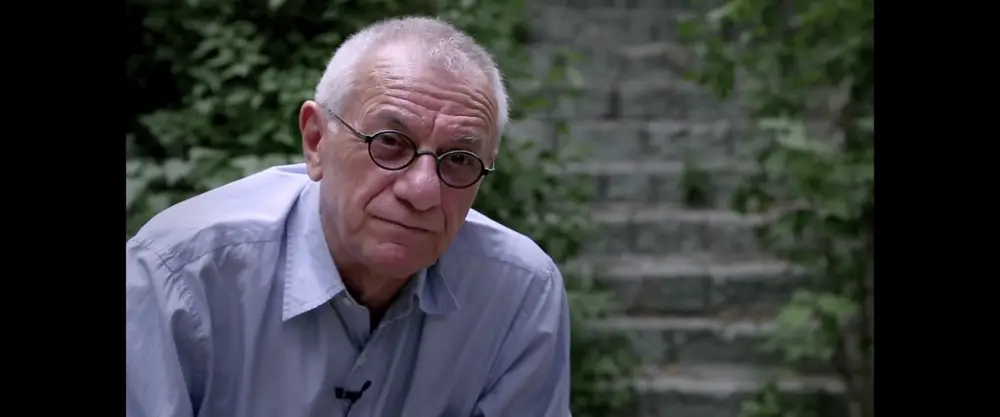
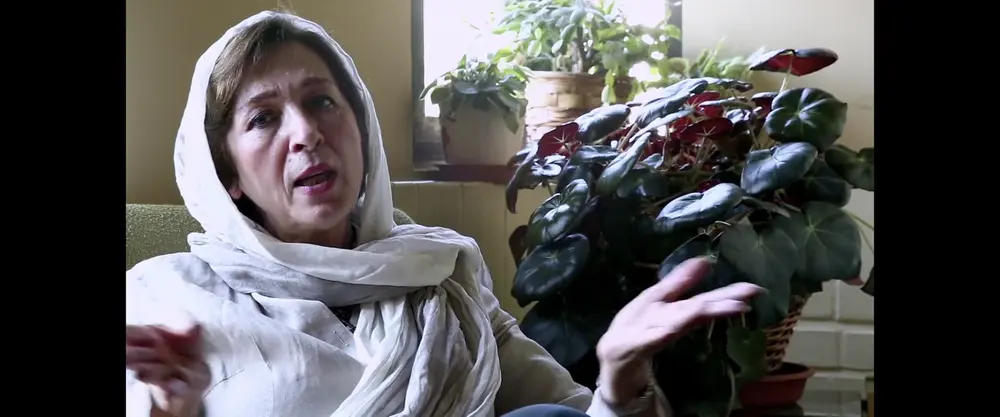
Another game that Haghighi has decided to play with us is to get the current Jahangiri to play himself in the film, fifty years after the events described. Haghighi doesn’t give us any particular reason for this choice of casting. He just liked the idea. That’s all. He couldn’t resist it.
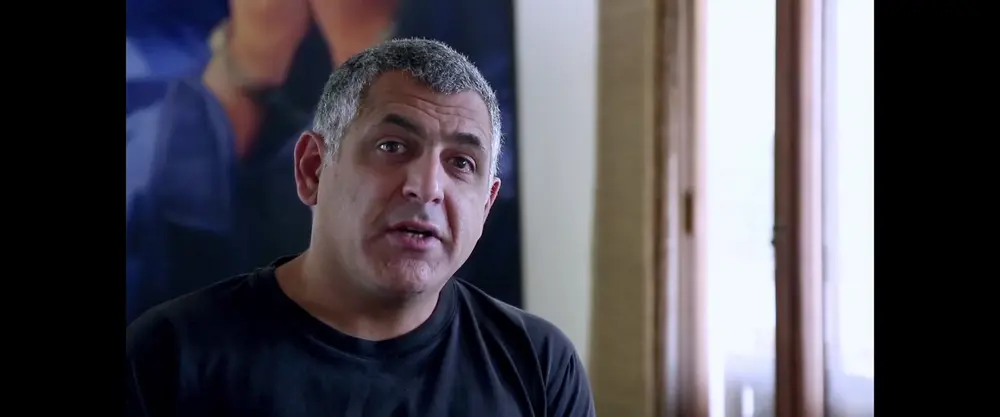
OK, so where did this strange ornate box come from? Answer: it’s Keyvan who found it.
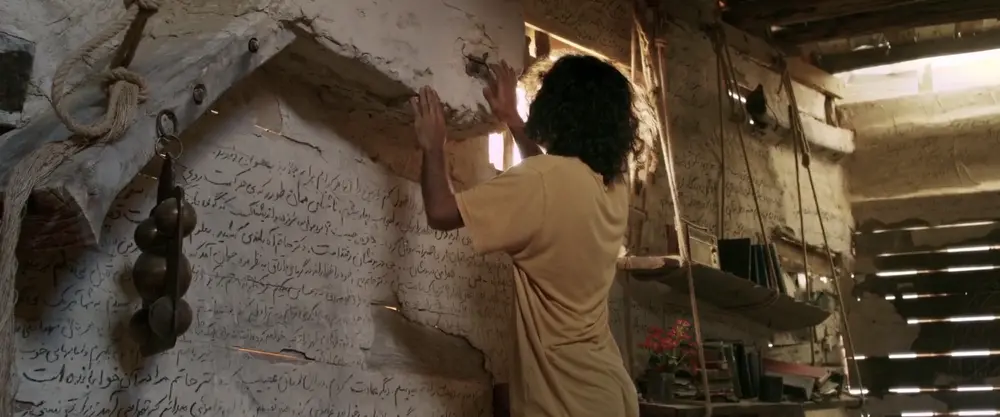
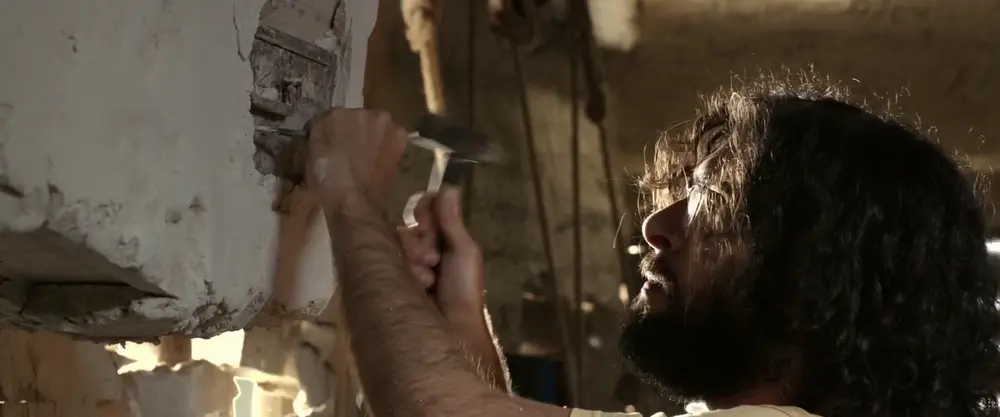
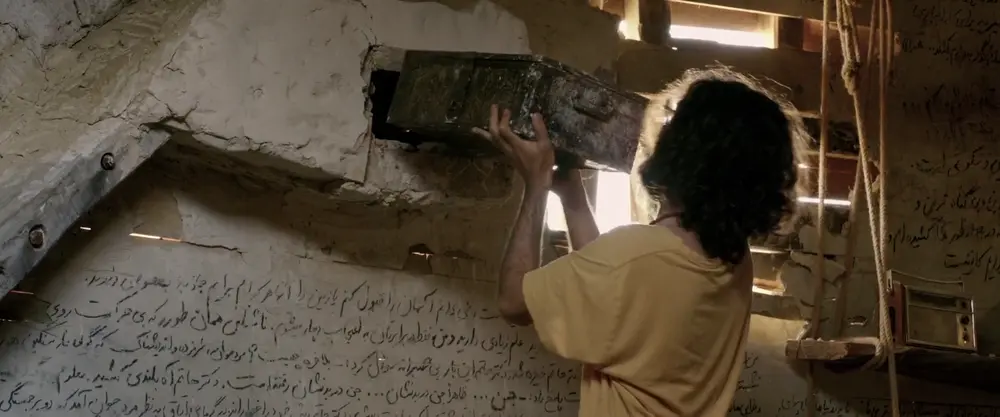
Don’t ask how or why he finds it. I’ll figure it out maybe fourth time round. Maybe you’ll be faster than me.
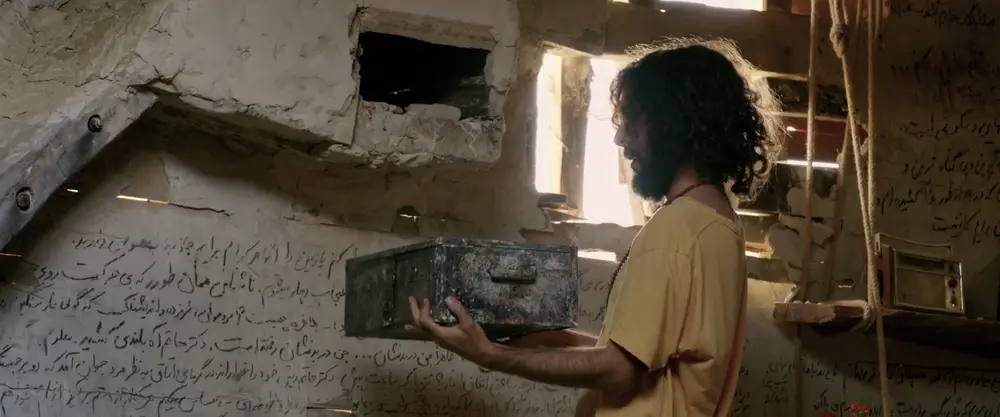
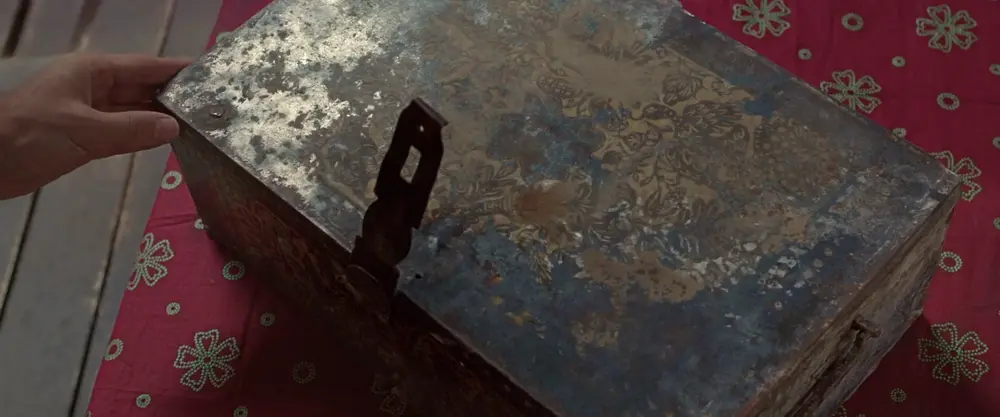
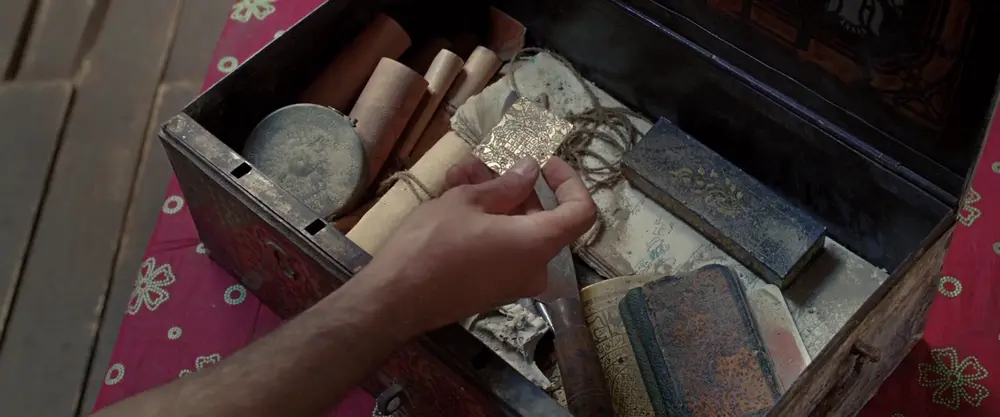
Inside the box, documentary evidence of the three companions on the island, with the baby, Valieh, who they’ve quite literally brought into this world from the Earth itself.
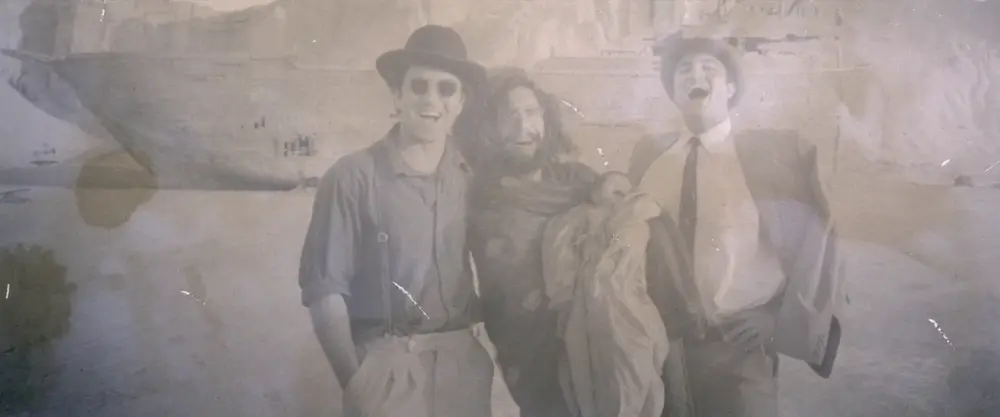
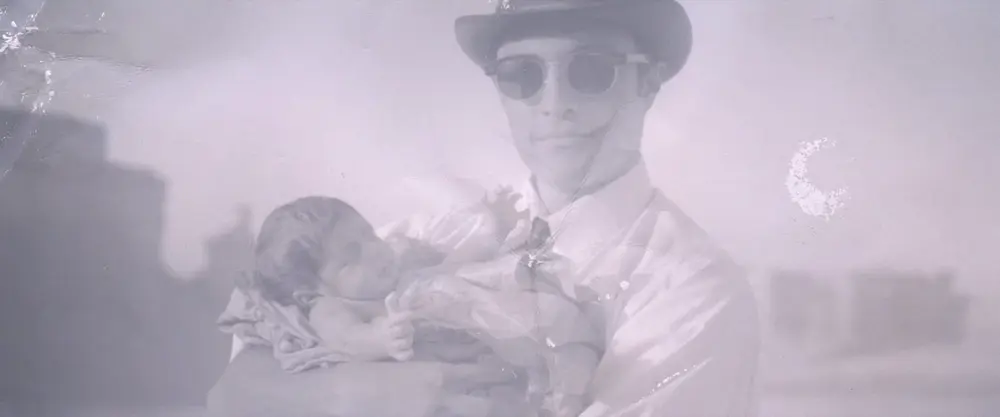
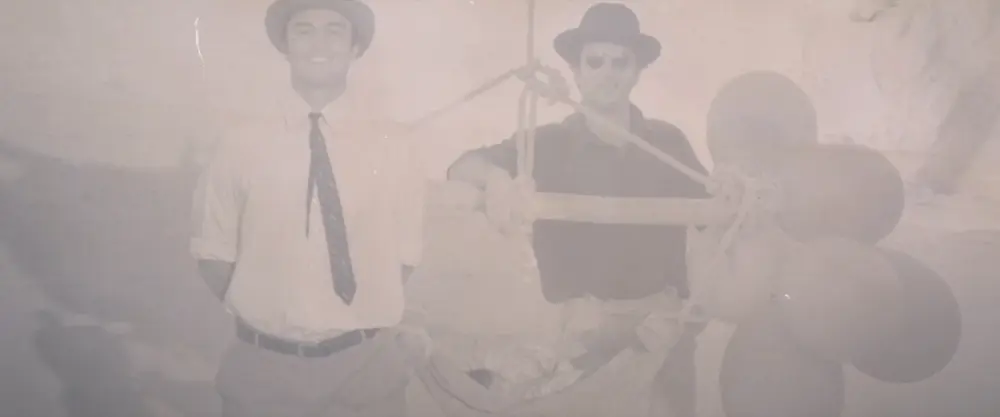
The moment of revelation, where all the information seems to have come together, is where Haghighi’s team of young assistants meet Valieh, now a middle-aged woman. For her, Keyvan Haddad (deceased a few years before the making of the film) is her father.
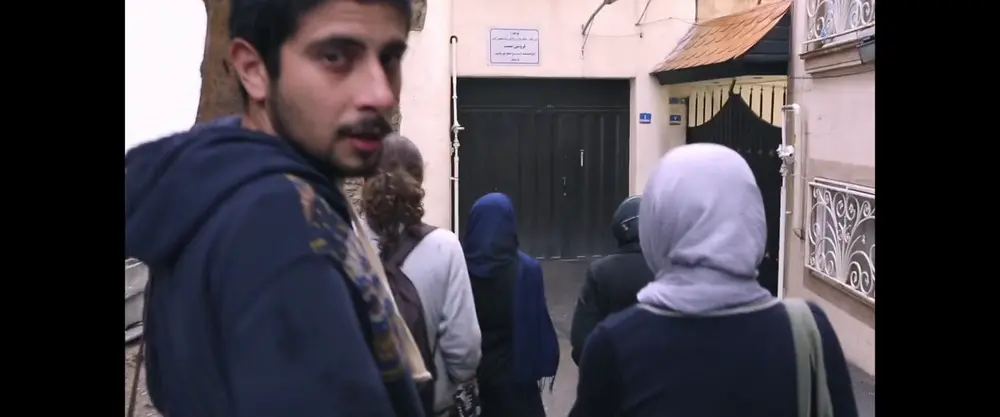
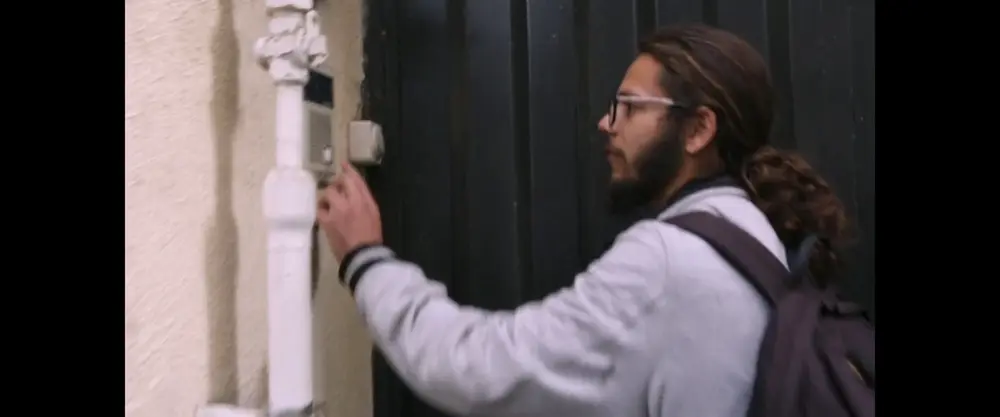
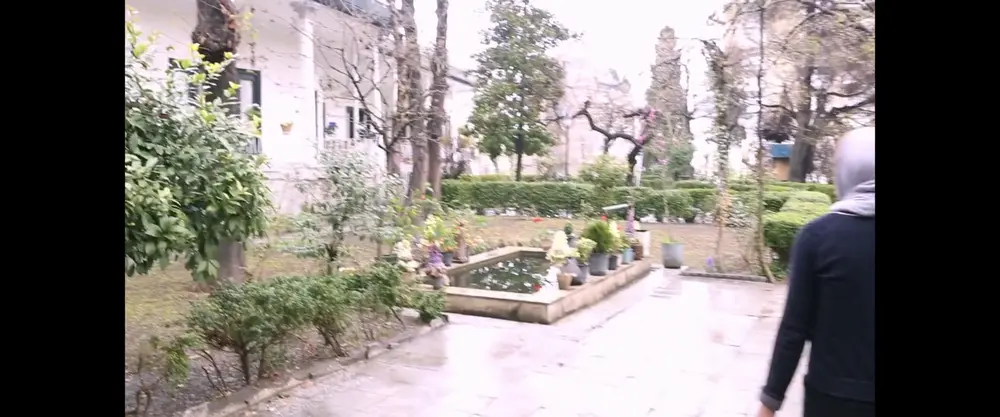
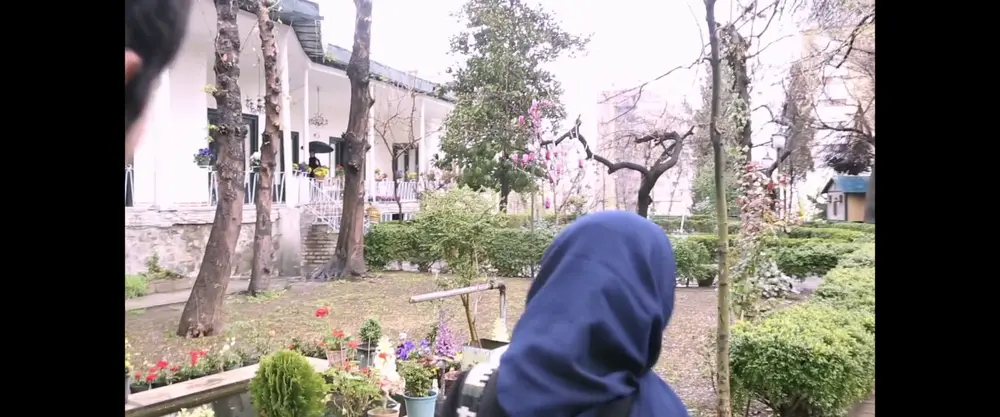
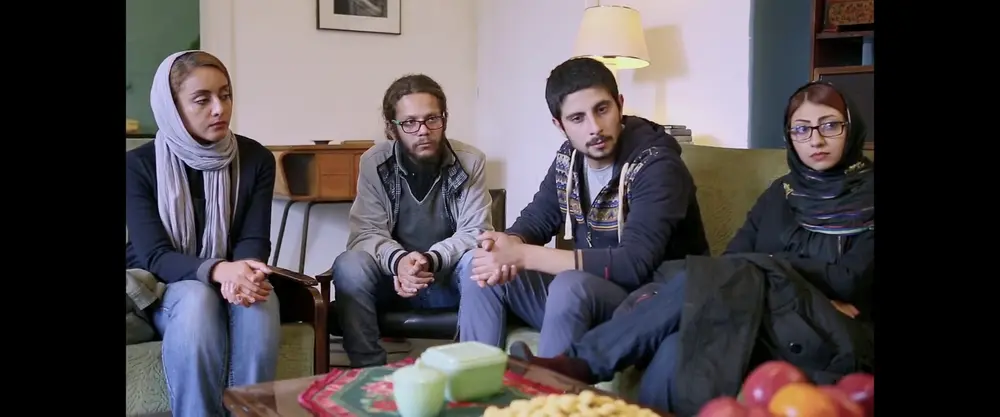
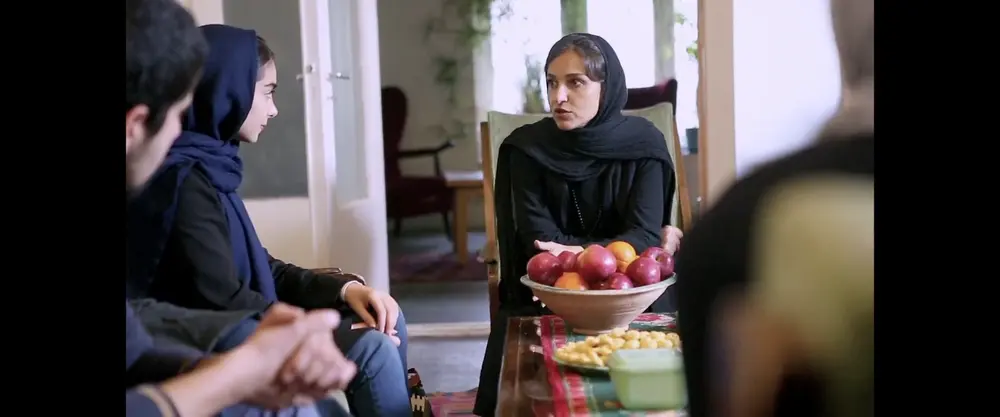
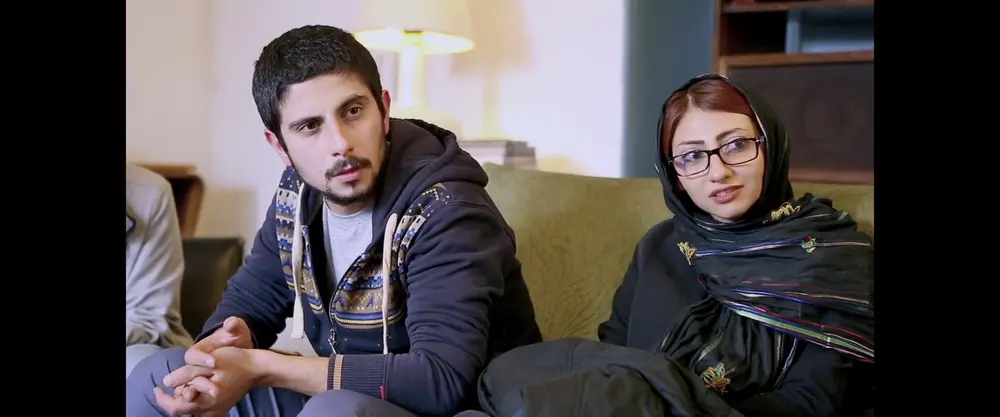
Valieh herself has a box, not so ornate, which her father told her to keep and to hand over at the right time, to the right people. Inside the box is a cassette, which turns out to reveal some mysteries from the interrogations.
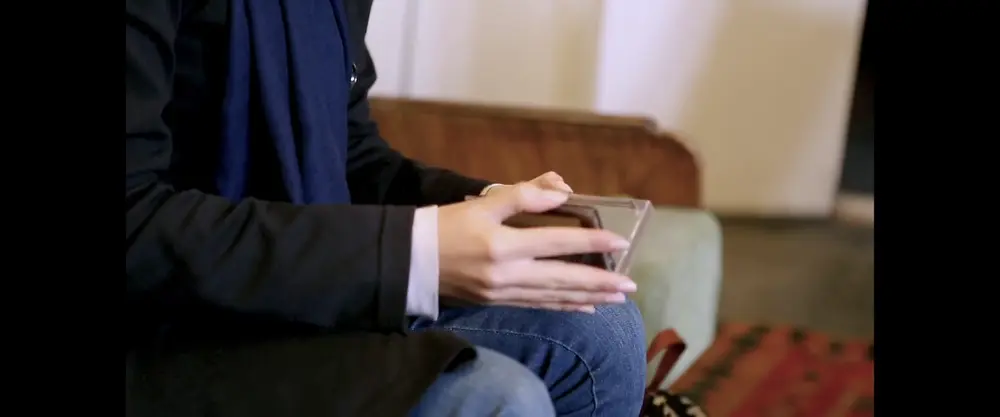
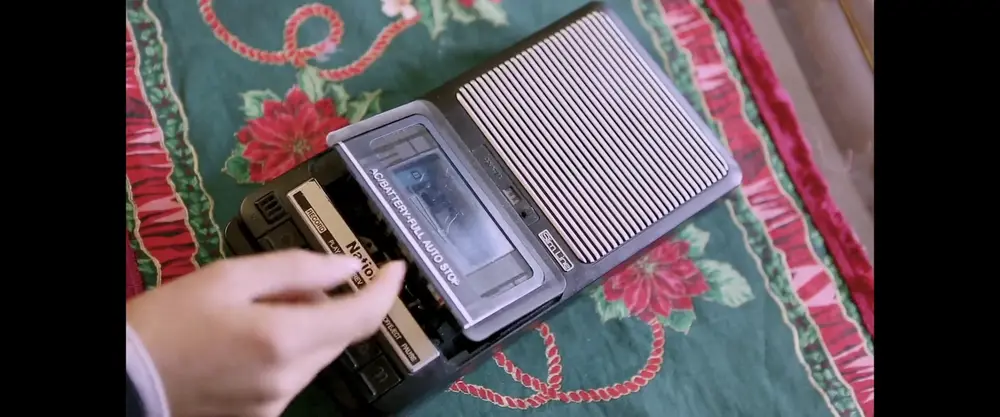
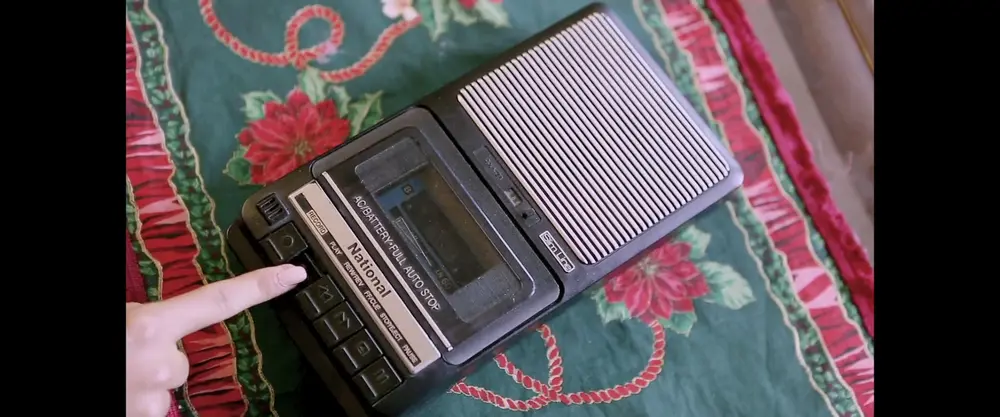
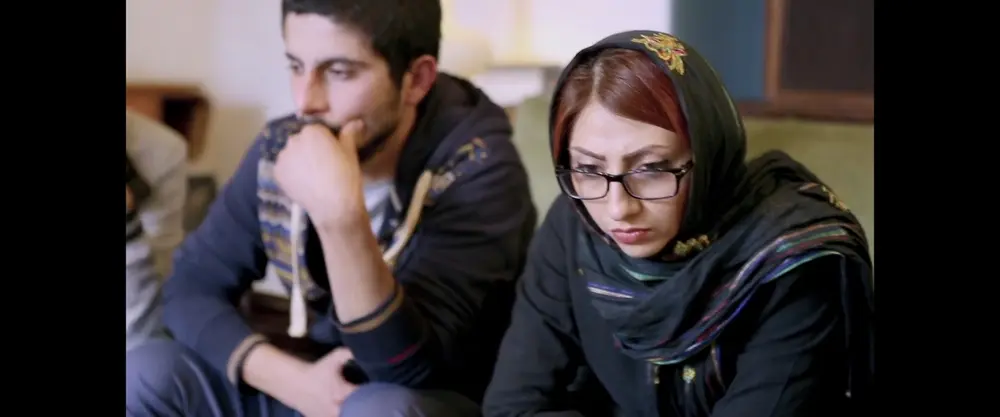
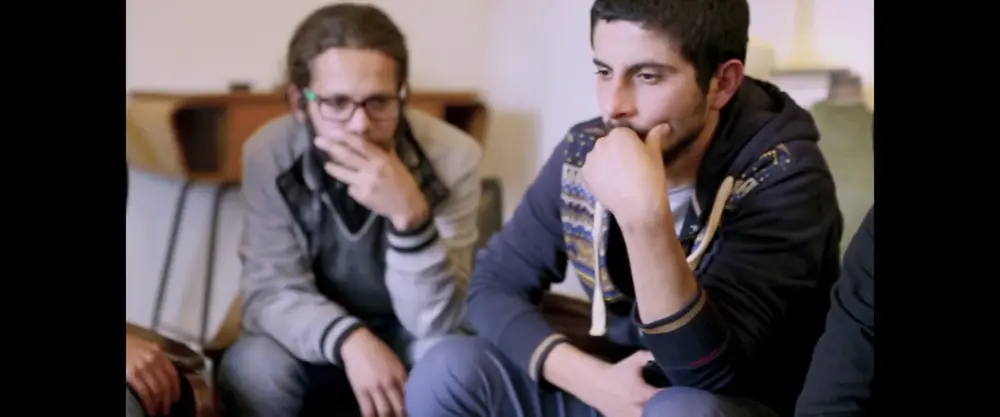
Does that explain anything at all by the end? No, forget about that. I didn’t come here to explain anything, and there are no possible spoilers to a film that is intentionally opaque and open to dozens of interpretations. I could go right to the end, and nothing would be spoiled. All I’m here to do is to talk about a film that impressed me so profoundly, at a time when the fate of all us is being negotiated in the fuckin’ strait.
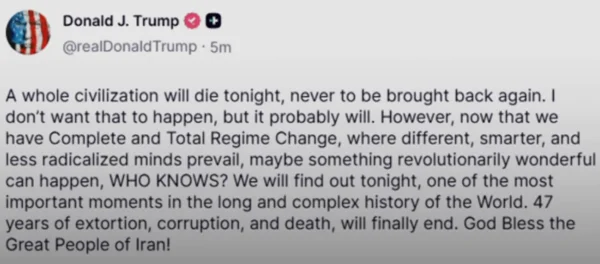
The time is 11pm in the United Kingdom, on Tuesday April 7th. The deadline is two hours away, and I am astonished to find myself writing these concluding words at this time.
Not out of any sense of divine providence. My God - there are enough morons on all sides of this madness who think that the hand of God is guiding them, whether that’s on the side of the Fat 🍊 or the side of those bearded guys.
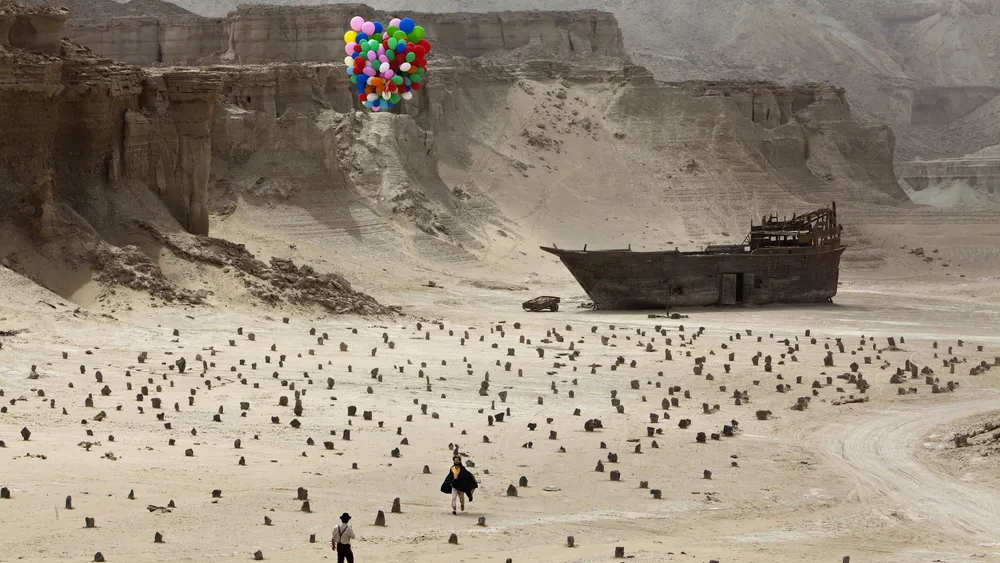
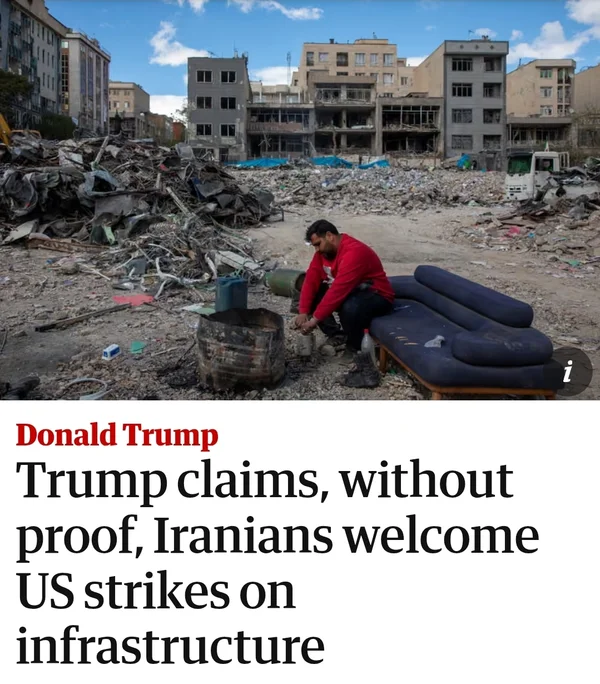
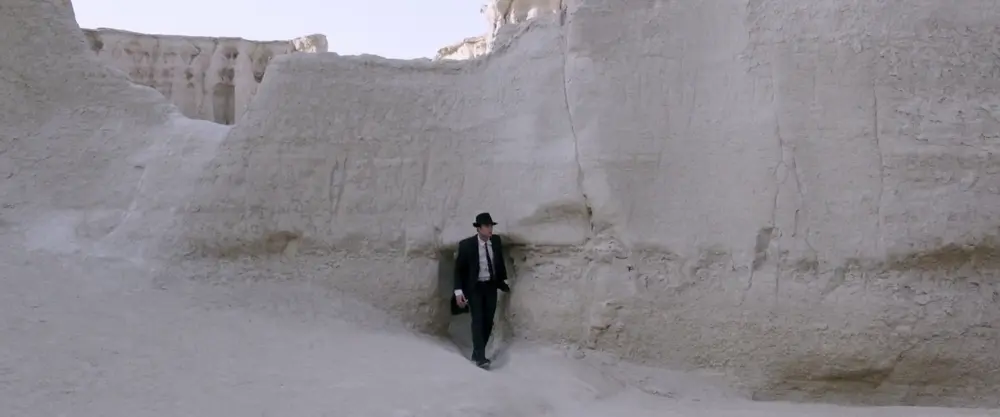
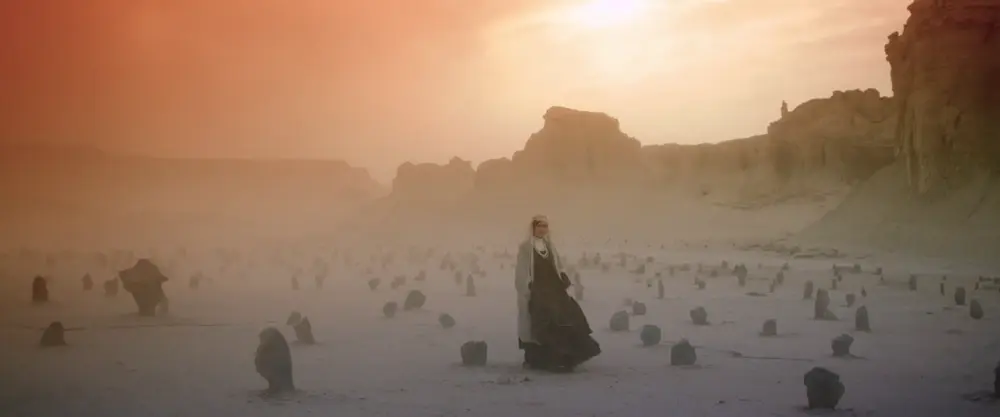
But I won’t deny that the impulse to write a post that culminated with this film came from the way Haghighi plays with images of the crazy landscape of that island, and from imagining the madness of that place now, under possible invasion, and from wondering if there was some terrible weird prophetic power in this film.
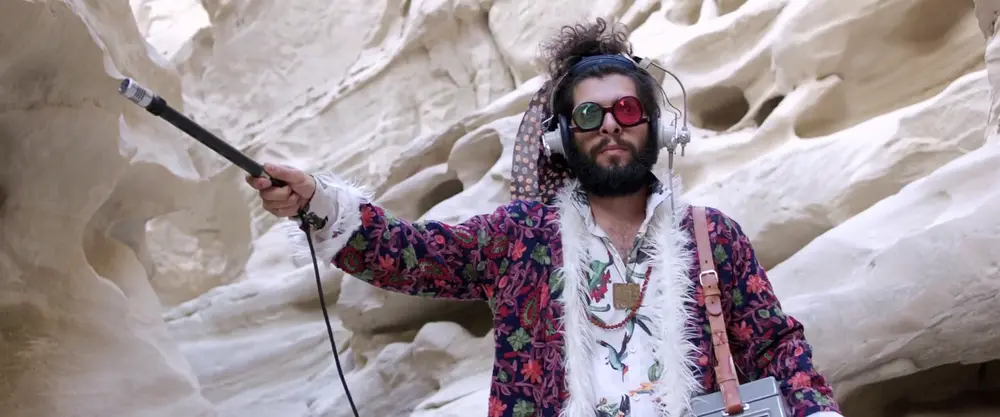
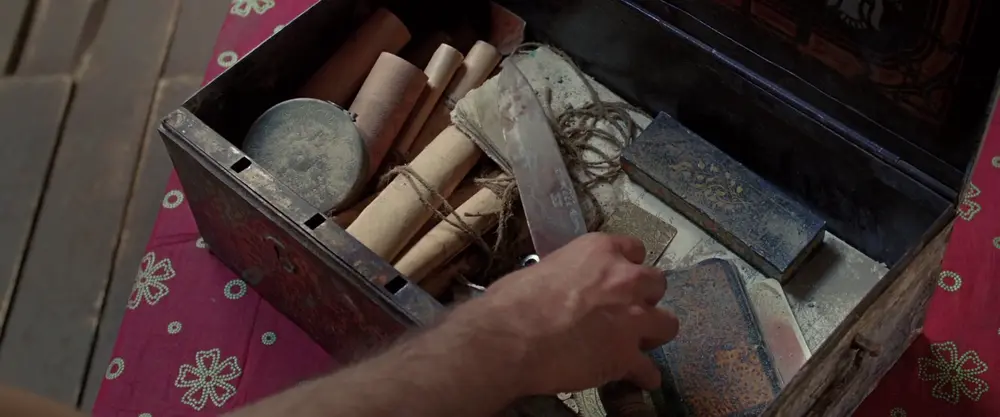
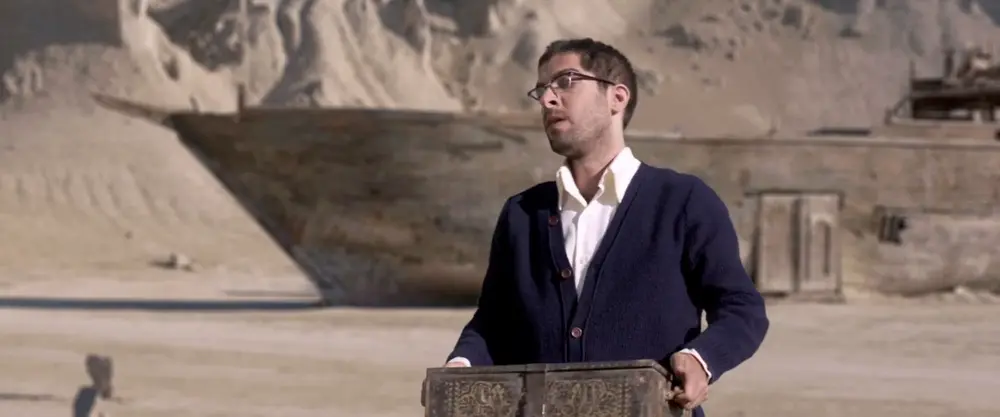
Maybe it’s just some bollocks that I was telling myself, and maybe nothing is going to happen on Qeshm, but anyway that was in my head, and I think it’s important to acknowledge it, even if the 🍊“plan”🍊 goes in a completely different direction.
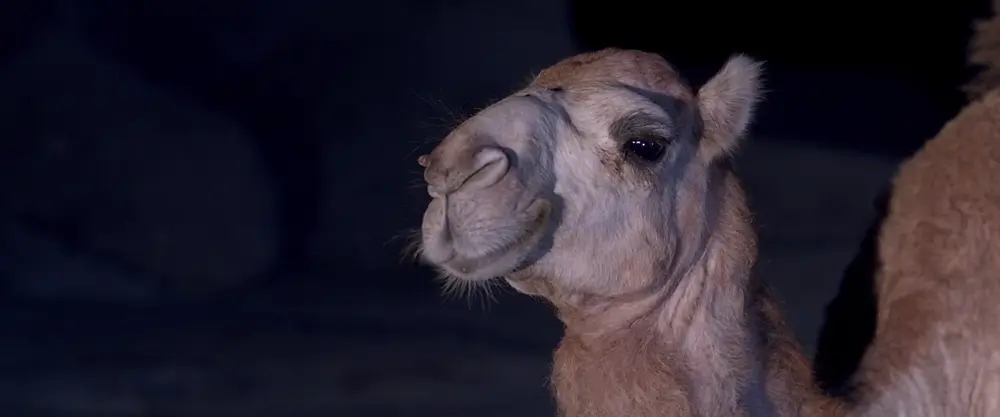
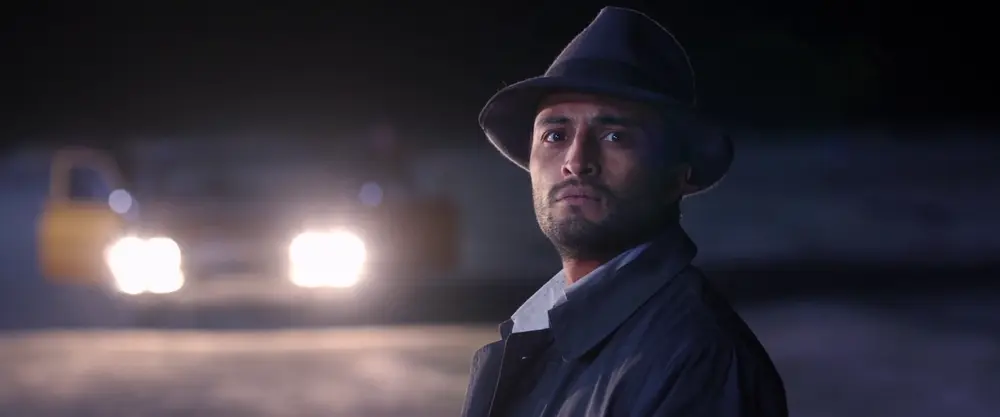
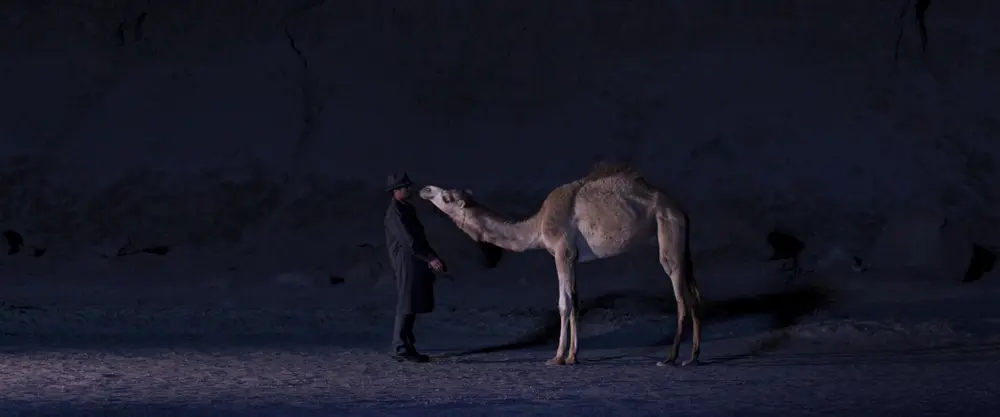
But if Qeshm does turn out to be some kind of American military cemetery, how many times will that dragon stir? Hard to get that image out of my mind.

Surprise! Yes, it’s TACO Tuesday, and he’s 🐔🍗ed out. Of course he has. But I’m sure he’s got a GREAT DEAL 🤗🫱🏻🫲🏽 I suppose we should be grateful for that, at least. It’s not AS IF there was any actual desire on my part for the weird premonition that I was getting from A Dragon Arrives! to materialise in the world. Still, we may continue to live through this endlessly repeating cycle for a while yet. Fine, that gives me time to watch at least another dozen Iranian films while he’s bloviating and trumpulating. Not that life is getting better for the people shown in these films. Let’s keep that in mind.