 The Middle East Film Festival
Film Catalogue :
Arab/Muslim World Films
Here’s a full but not yet exhaustive set of lists of notable Palestinian/Arab, Iranian, Turkish AND Kurdish films. As stated on the accompanying page, some of the Palestinian films were made in Israel and primarily with Israeli money, but I think you have to be a bit of an ideological hardass to say that that automatically makes them unPalestinian, and since they speak of the Palestinian perspective, they are to be found here. I think that it’s also clear that the Egyptian and Iranian film industies, in particular, are much bigger than what is seen here, but of course they were not central to my focus at the beginning. Note that as of April 2026 I’ve added comments to the blog (at the bottom of the page, of course), so if you have any information about gaping holes on my list, feel free to write something.
The project started with me watching only films from the opposing Israeli and Palestinian sides, after which I started looking more generally at films from the rest of the Arab world. Fairly soon after that I had to add Iranian films to the project, and it was only actually much later that I caved to the admission that Turkey is just as much part of the Middle East as it’s part of Europe or Asia. It’s a complicated place, after all, and that makes it çok veeeeri interesting. Having come to this a bit later on, the efficiency with which I hoovered up Turkish films, directors and actors was much higher than it had been at the beginning, when I was working much less systematically. The Turkish list then ended up for a little time being easily the longest list of them all. It subbsequently got overtaken by an even more exhaustive Iranian list, but upon coming back to Turkey, I’ve added quite a few more and it looks like the Turkish and Iranian lists are going to be close to parity by the time I finish the broad sweep, and that seems about the way it should be. Turkey has a much longer history of making films (which interestingly reflects the country’s broader history in very striking ways) than most other parts of the Middle East, with the exception of Egypt and Iran.
Having come so far by now, and having dug so deep into Turkish and Iranian cinema history, I’m conscious that I’m going to have to come back round and look at some historical Egyptian cinema at some point. Egyptian cinema is really the original cinema of the Middle East, big enough to have been influential beyond the Arab world back in its early days. Political and economic stagnation caused it to decline somewhat in influence, and it’s now somewhat overshadowed by cinema from elsewhere in the Arab World, most notably Lebanon. Iranian cinema is a slightly different story, having blossomed much later, but it’s clear now that most film buffs will first think of Iran if you ask them which part of the Middle East has the most interesting film industry - “vibrant” can hardly be the right word at the time of writing (2026), but the output through all these hard decades has been extraordinary.
At the time that you’re viewing this page, a total of 377 films are listed here. There is a pretty small proportion of those films which cross over onto the the other Israeli/Jewish catalogue. No surprise that this includes the very small number of films made in/about Israel/Palestine which are (approximately at least) 50/50 cooperative projects - films such as Ajami and Junction 48, despite all the practical difficulties and official restrictions in the way; but there’s a second contribution of films coming from France, one of the few other places on Earth where the lives of Arabs and Jews can be said to dialogue (to state things euphemistically) quite as much with each other as they do in the Holy Land. There’s also overlap in the films about the fate of the Jewish community of Iraq; some films which look directly at Israel’s wars in the Middle East, not always from both sides but kind of at least; and finally, a small number of Biblical- and/or Zionist-mythogising Western films which obviously can be considered Orientalist. The small total of these films currently stands at 19.
Palestinian films from/about Gaza and the Occupied Territories
I used the word “normal” in the corresponding Israeli section, to describe films which depict everyday life, situations which are perhaps not specifically Jewish, and whose themes could therefore be adapted into another cultural context. Most notably, the majority of those Israeli films contain little or no reference to Arabs. Slightly misleading for me to describe that as normal. It’s of course delusional to pretend that you can ignore what’s going on, but it’s a delusion successfully marketed to the Israeli public ever since construction of the wall began. Conversely, it is virtually impossible for a Palestinian film to contain no references to Israel, because normal life for Palestinians is the life under Israeli occupation. So there is a substantive difference in that regard at least. All that said, why fuss too much over this word? Evidentally nothing is normal in the whole situation, seen from outside, and yet this is also normal life, seen from the side of either of these two concerned parties.
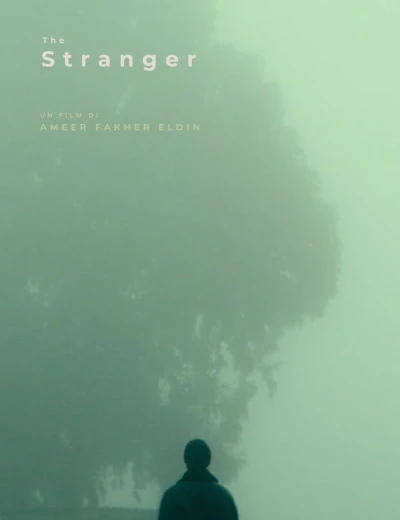
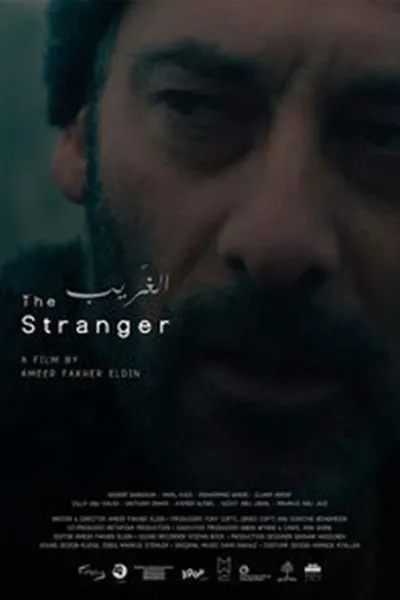
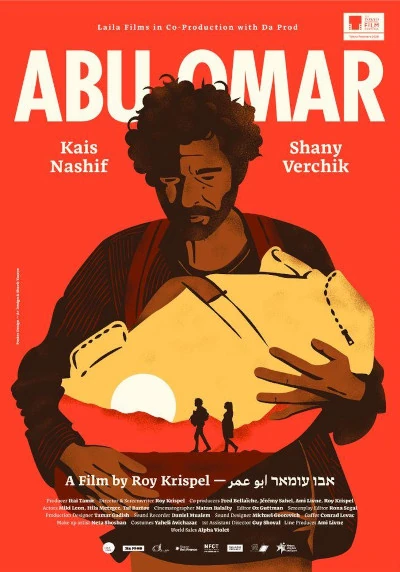
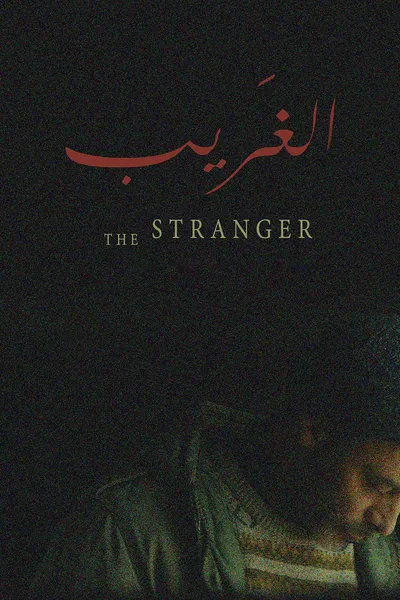
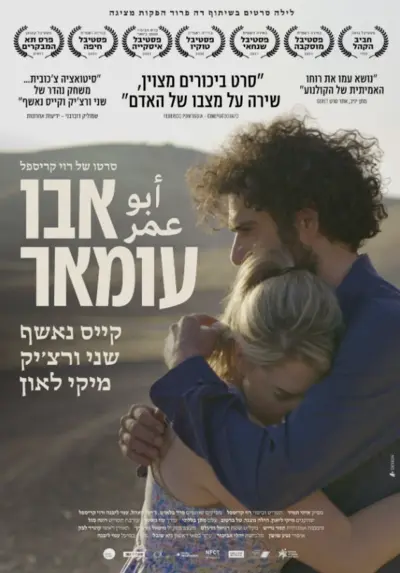
Strictly and rather technically-pedantically speaking, The Stranger isn’t a Palestinian film, being about Arabs in the Golan Heights, who of course traditionally identify as Syrian rather than Palestinian. That identification has apparently been fragmenting since the Civil War started in Syria, but of course the official political status of the place in the eyes of the so-called international community remains that of 1967/1973. The film is also not directed by a Palestinian, but since it’s set in Israeli-occupied territores I’ve put it in this section. I’ve also included here a film which I previously had only in the Israeli catalogue - Abu Omar. The director was Israeli as was the leading actress, but with Qais Nashef ’s incredible performance, how can we possibly say that this isn’t a Palestinian film?
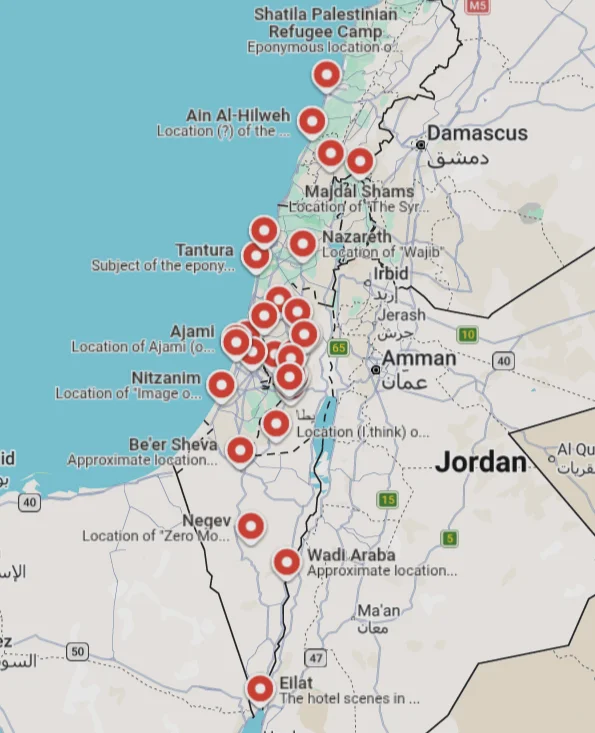
Note - as with the Turkish, Kurdish and Iranian sections (click/tap on the links to see below), there is now a Google map of Palestinian and Israeli films on the list. This one is a little bit different from those three, as it zooms in a bit more on towns and neighbourhoods. That is appropriate enough in this context, where the closeness of the geography is so central to the issues, and also I’ve seen the geography myself. So for example you can see Palestinian towns/cities/villages, and the illegal Israeli settlements right up next to them, as well as a few details within Jerusalem.
26 films in this section.
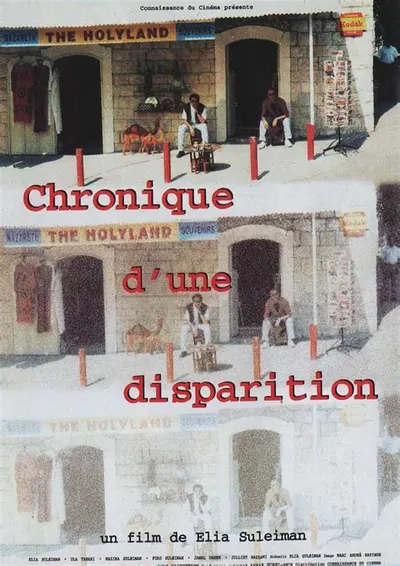
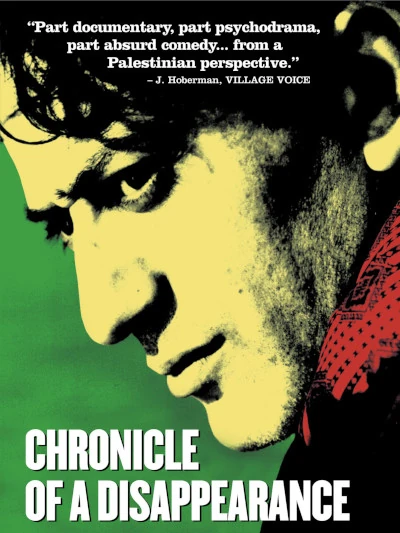
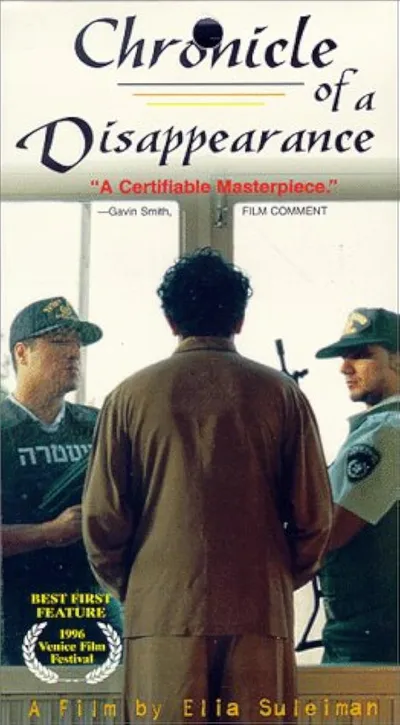
- Chronicle of a Disappearance ("Sajal ai-Khtifa'an" - سجل اختفاء) (dir. Elia Suleiman, 1996) (Seen?⏳❌ )
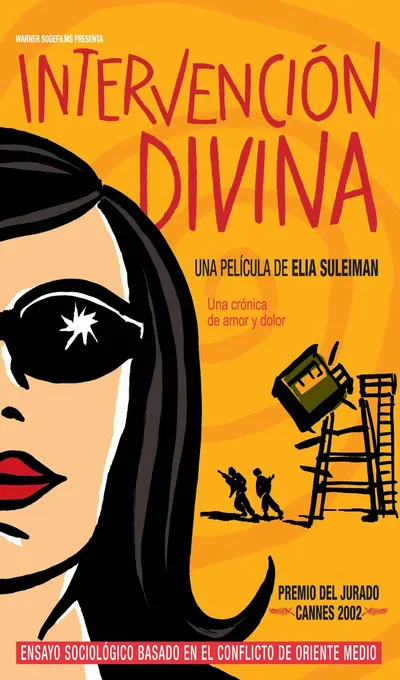
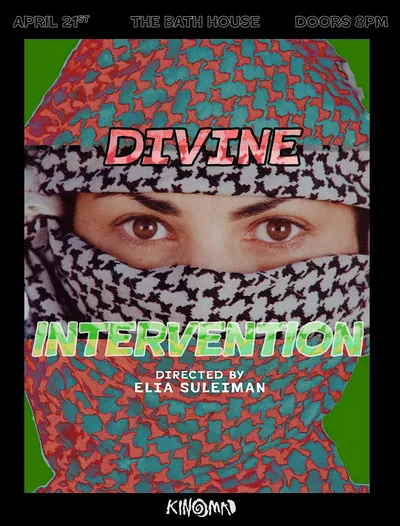
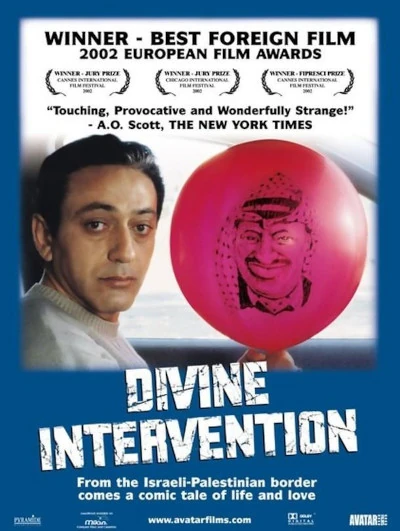
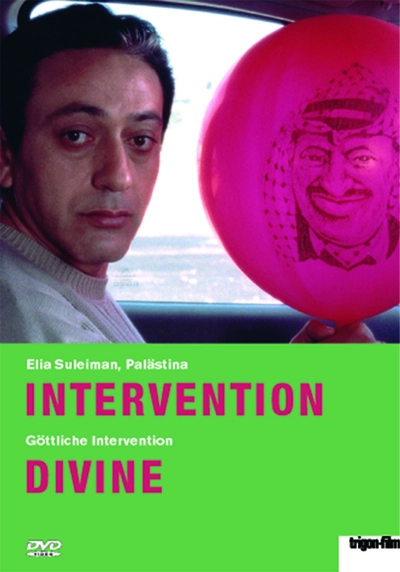
- Divine Intervention ("Yad 'iilahiat" - Divine Hand - يد إلهية) (dir. Elia Suleiman, 2002) Trailer (Seen?⏳❌ )
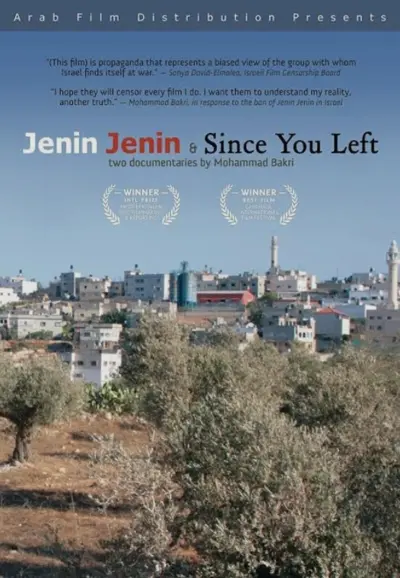
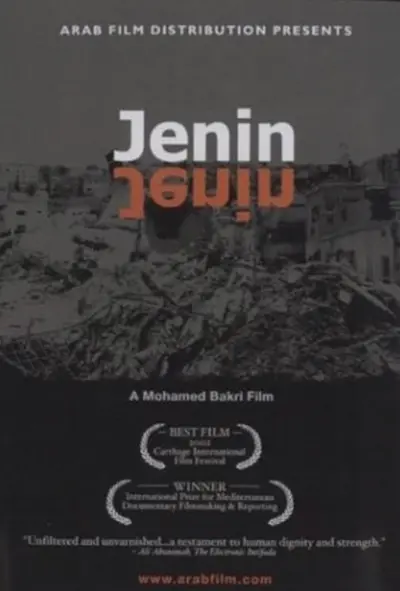
- Jenin, Jenin (جنين - جنين) (dir. Mohammad Bakri, 2002) Watch on Youtube (Seen?⏳❌ )
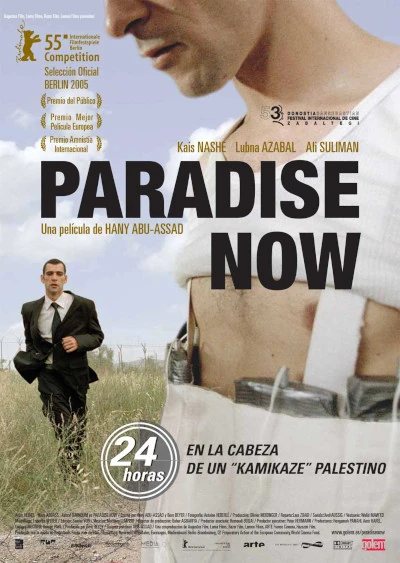
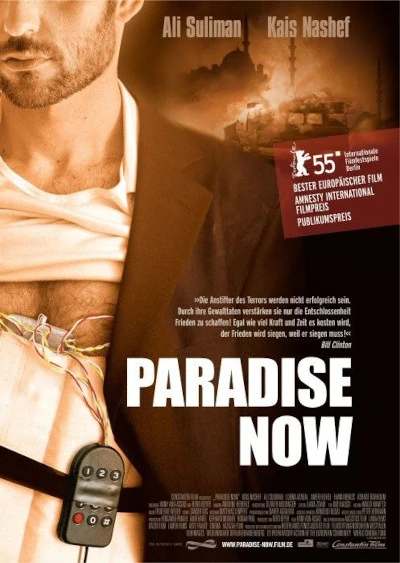
- Paradise Now ("al-Janna alaan" - الجنّة الآن) (dir. Hany Abu-Assad, 2005) Trailer (Seen 👁️✔️ )
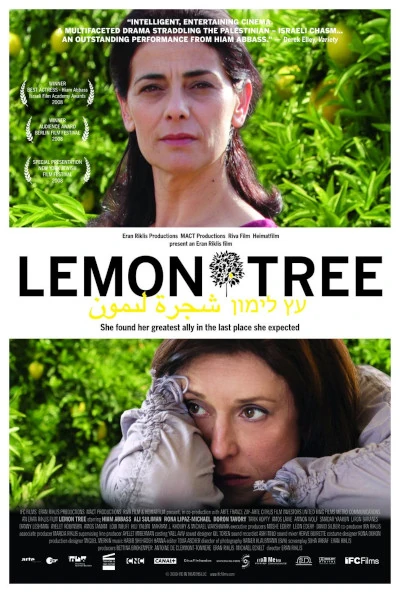
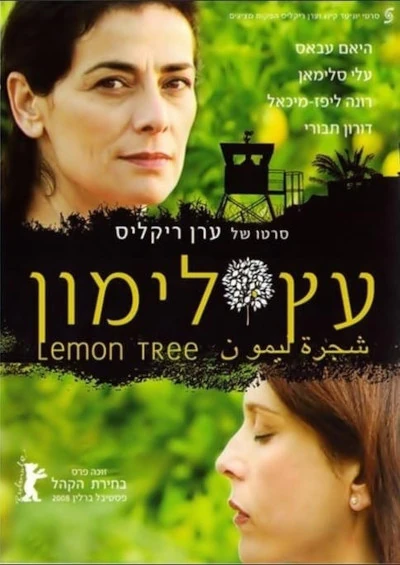
- Lemon Tree ("Shajaret Leimoun" - شجرة ليمون ; "Etz Limon" - עץ לימון) (dir. Eran Riklis, 2008) Trailer (Seen 👁️✔️ )
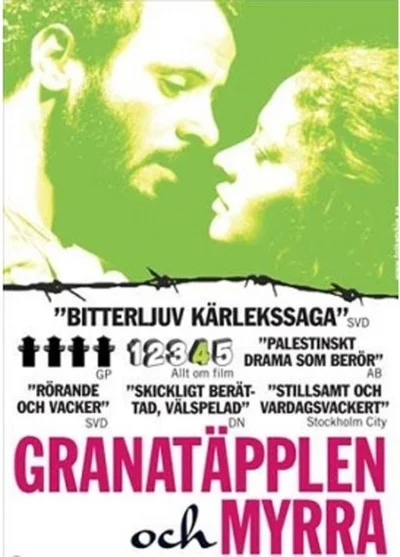
- Pomegranates and Myrrh ("al-Muru wa'al-Rumaan" - المر والرمان) (dir. Najwa Najjar, 2008 - Interview) Watch on Youtube (Seen 👁️✔️ )
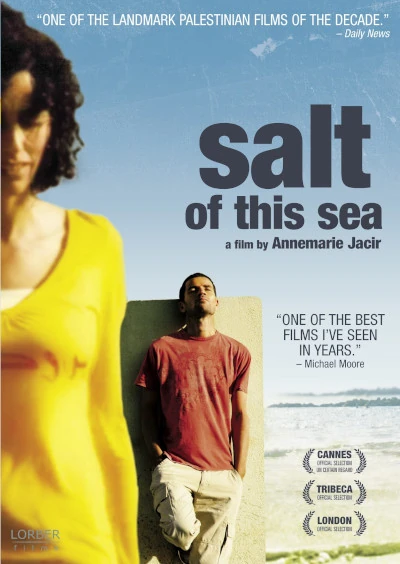
- Salt of this Sea ("Milh hadha al-bahr" - ملح هذا البحر) (dir. Annemarie Jacir, 2008) Trailer (Seen 👁️✔️ )
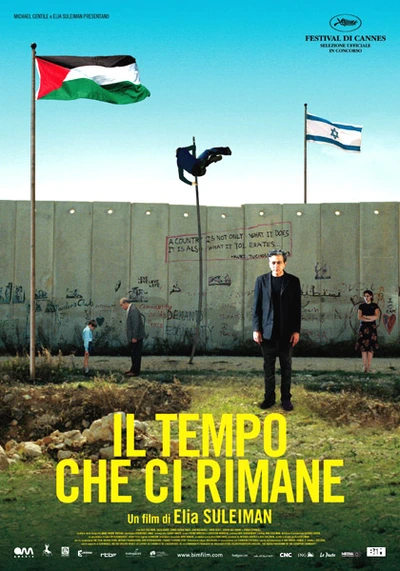
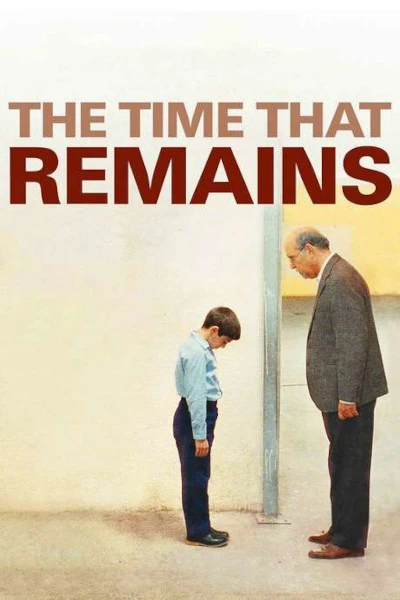
- The Time That Remains ("al-Zaman al-Baqi" - الزمن الباقي) (dir. Elia Suleiman, 2009 - Interview) Trailer (Seen?⏳❌ )
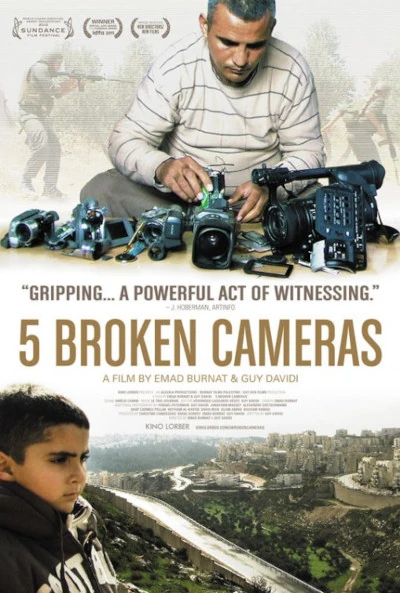
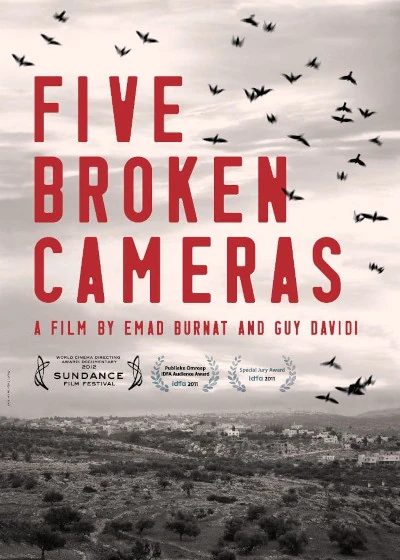
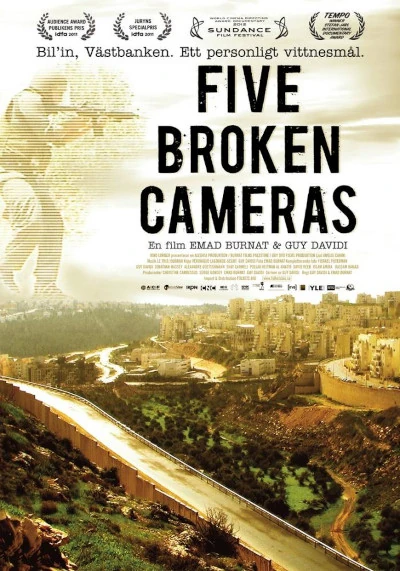
- Five Broken Cameras ("Khams Kamīrāt Muḥaṭṭamah" - خمس كاميرات محطمة ; "Hamesh Matslemot Shvurot" - חמש מצלמות שבורות) (dir. Emad Burnat, 2011) Watch on Youtube (Seen 👁️✔️ )
- Habibi ("Habibi Rasak kharban" - Darling, Your Head is Broken - حبيبي راسك خربان) (dir. Susan Youssef, 2011 - Interview) Trailer (Seen 👁️✔️ )
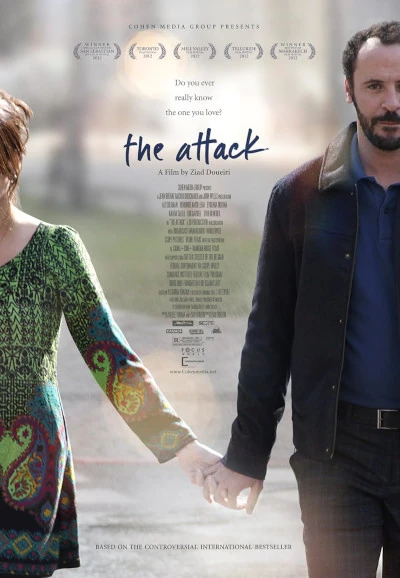
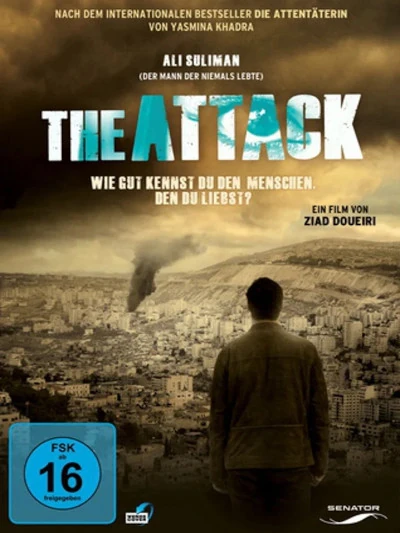
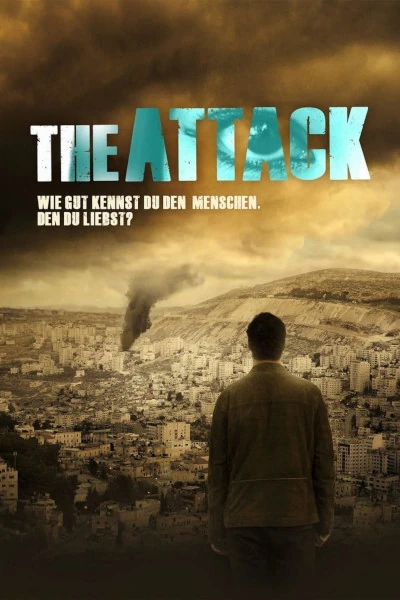
- The Attack ("al-Hujum" - الهجوم ; "haPigu'a" - הפיגוע) (dir. Ziad Doueiri, 2012 - Interview) Trailer (Seen 👁️✔️ )
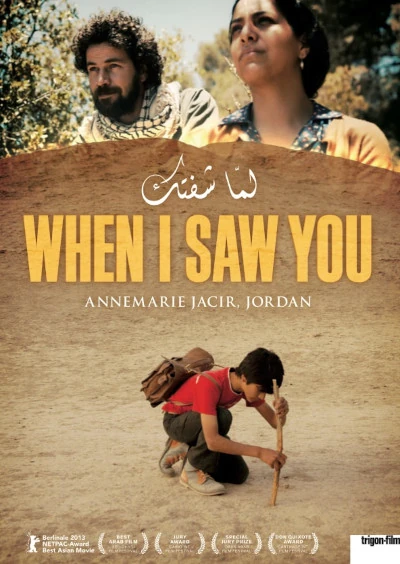
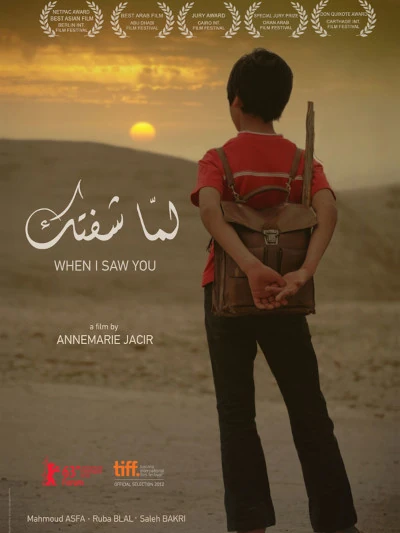
- When I Saw You ("Lamma Shoftak" - لما شفتك) (dir. Annemarie Jacir, 2012 - Interview) Trailer (Seen 👁️✔️ )
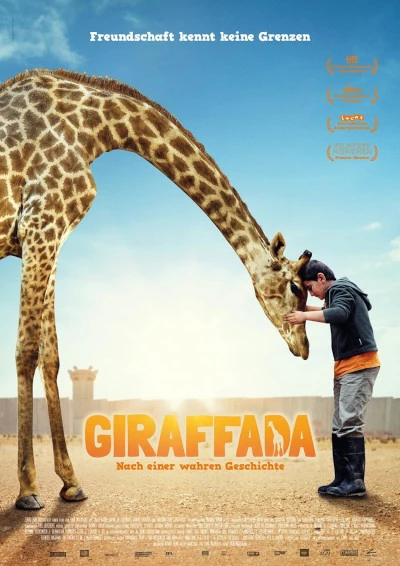
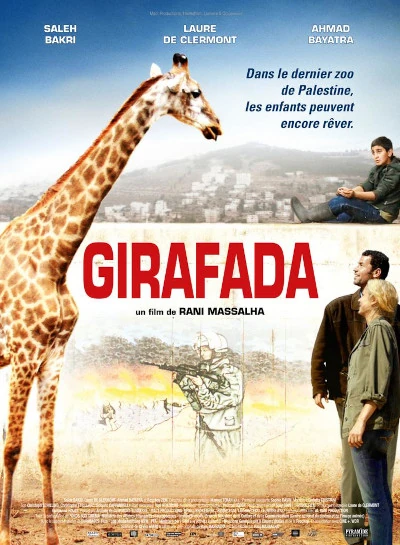
- Giraffada (زرافاضة) (dir. Rani Massalha, 2013 - Interview) Trailer (Seen 👁️✔️ )
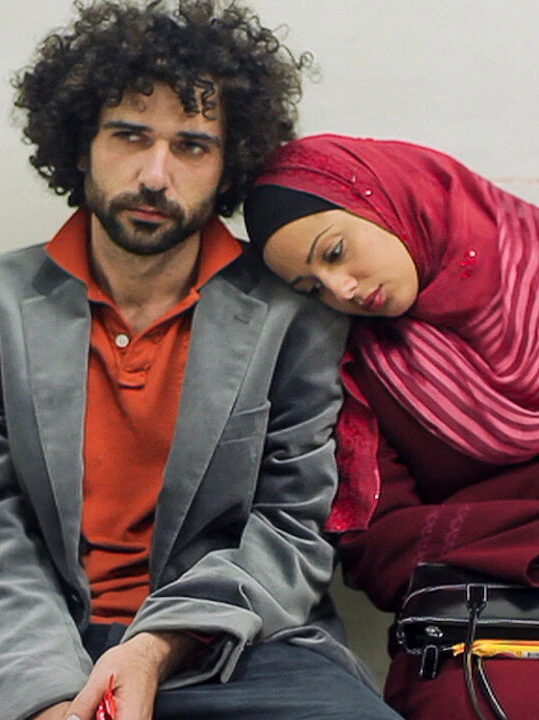
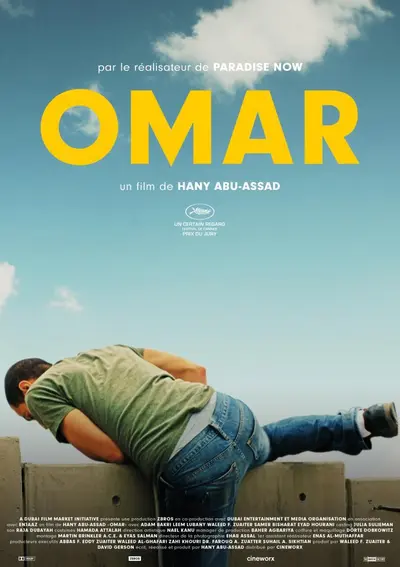
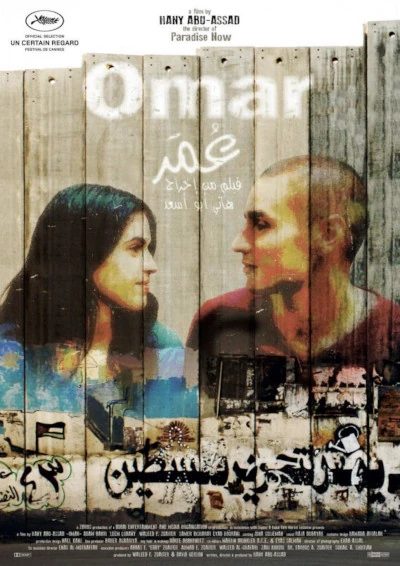
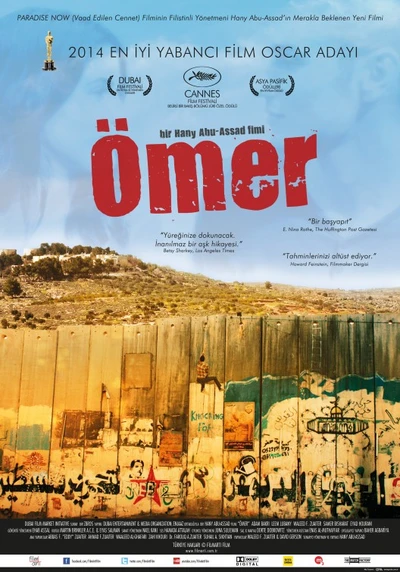
- Omar (عمر) (dir. Hany Abu-Assad, 2013 - Interview) Trailer (Seen 👁️✔️ )
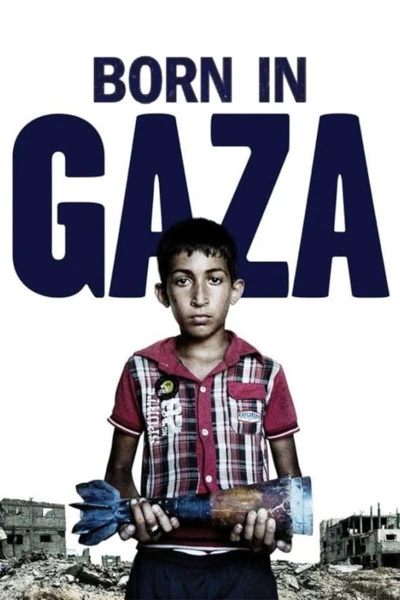
- Born in Gaza (2014) (Seen?⏳❌ )
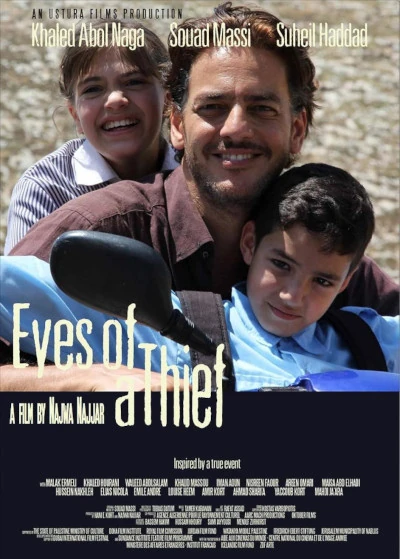
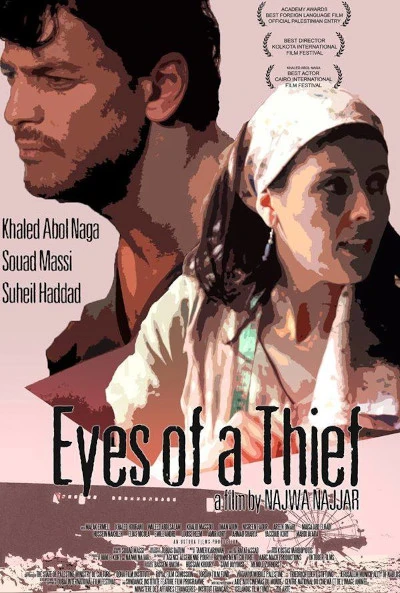
- Eyes of a Thief ("Aiyun al-Haramiya" - عيون الحرامية) (dir. Najwa Najjar, 2014) Trailer (Seen 👁️✔️ )
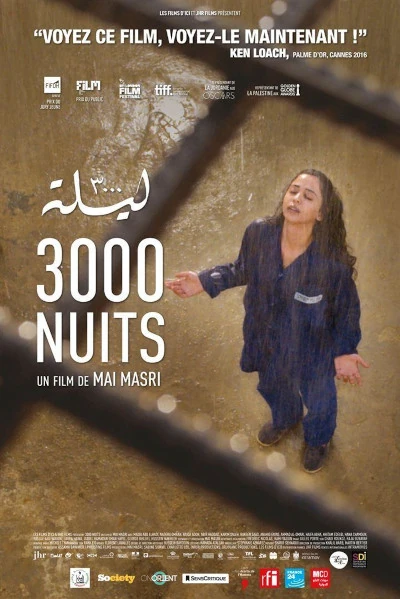
- 3000 Nights (٣٠٠٠ ليلة) (dir. Mai Masri, 2015 - Interview) Trailer (Seen 👁️✔️ )
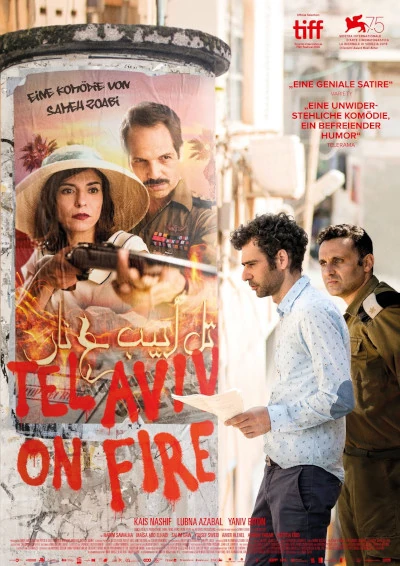
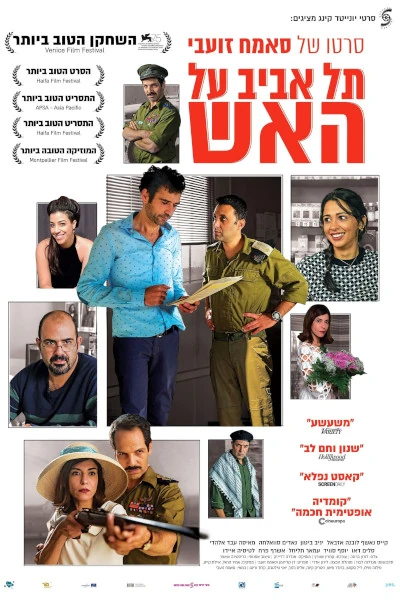
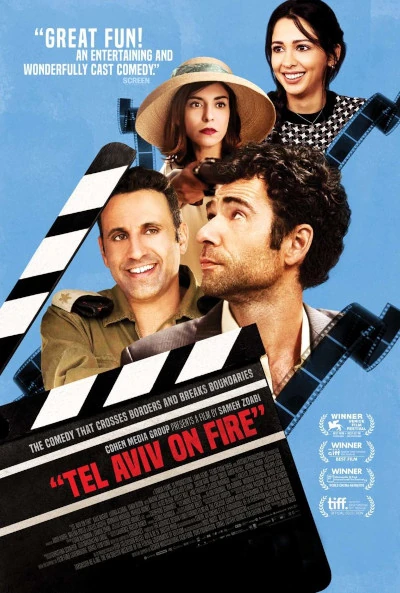
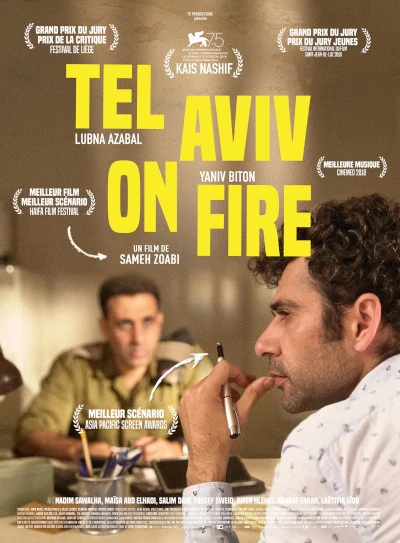
- Tel Aviv on Fire ("Tal Abib 'a Nar" - تل ابيب ع نار ; "Tel Aviv Al Ha'Esh" - תל אביב על האש) (dir. Sameh Zoabi, 2018 - Interview) Trailer (Seen 👁️✔️ )
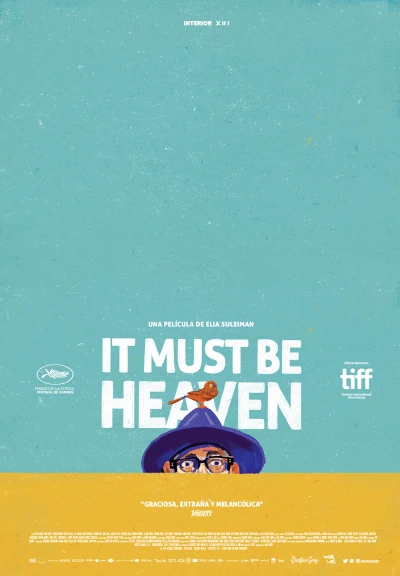
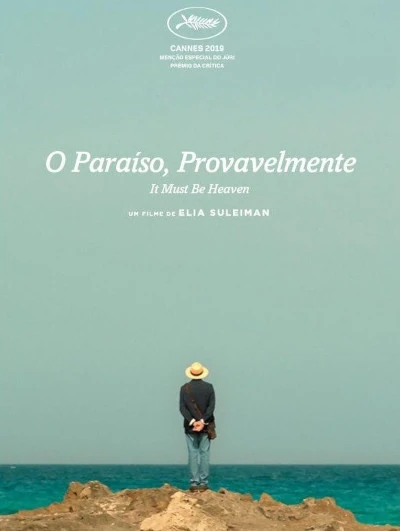
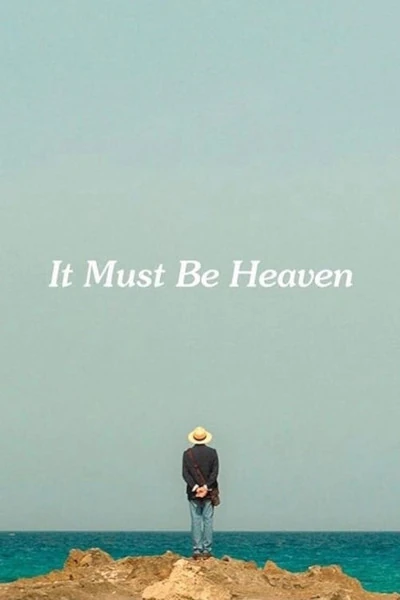
- It Must Be Heaven ("'in shit kama fi alsama'" - If you wish, as in heaven - إن شئت كما في السماء) (dir. Elia Suleiman, 2019 - Interview) Trailer (Seen?⏳❌ )
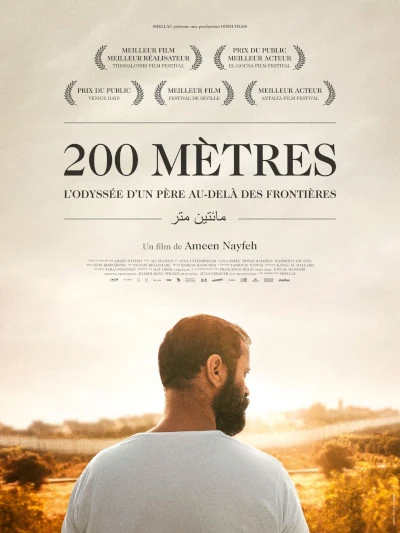
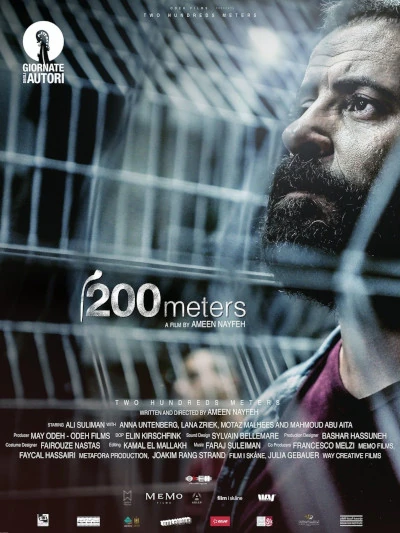
- 200 Metres (٢٠٠ متر) (dir. Ameen Nayfeh, 2020 - Interview) Trailer (Seen 👁️✔️ )
- Abu Omar (אבו עומאר ; أبو عمر) (dir. Roy Krispel, 2021 - Interview) Trailer (not amazing sound on the interview :~\) (Seen 👁️✔️ )
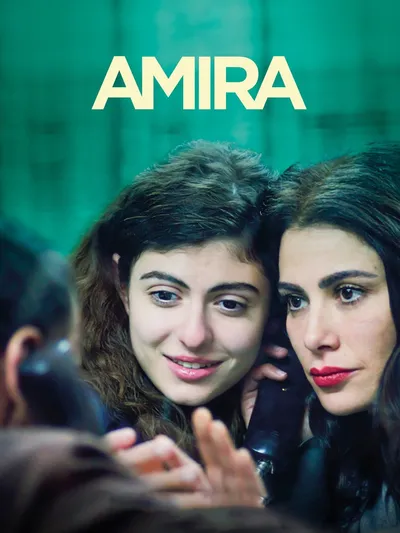
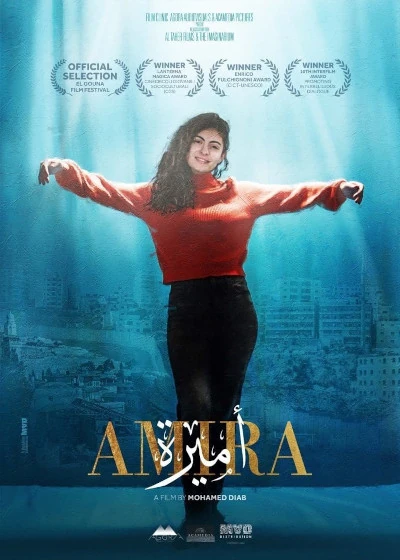
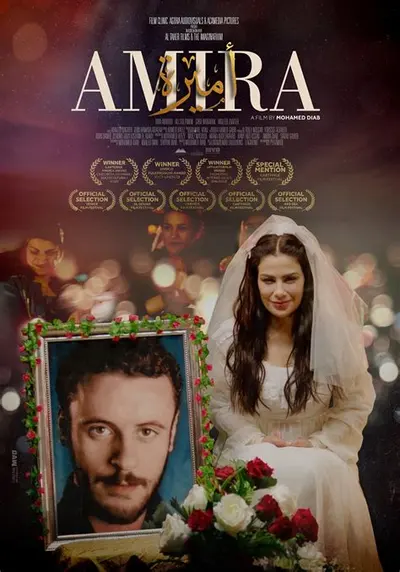
- Amira (أميرة) (dir. Mohamed Diab, 2021 - Interview) (Seen 👁️✔️ )
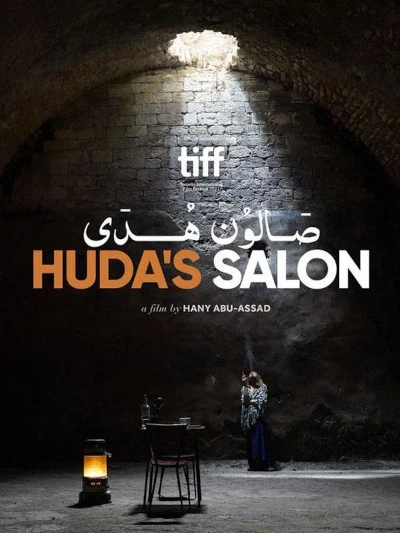
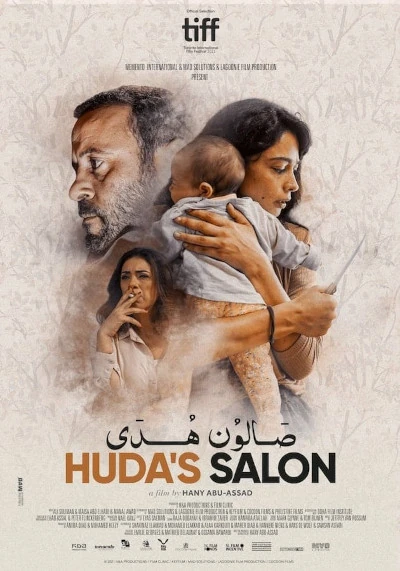
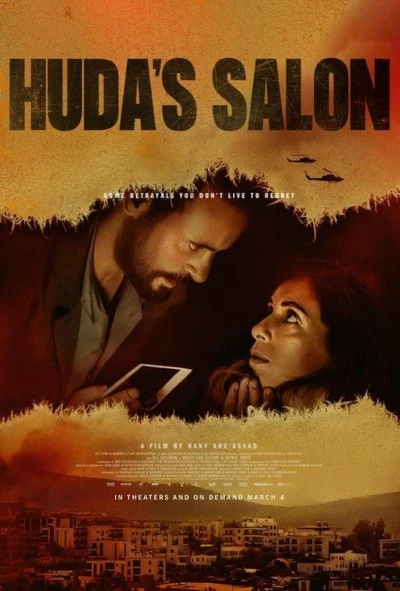
- Huda's Salon (صالون هدى) (dir. Hany Abu-Assad, 2021 - Interview) Trailer (Seen 👁️✔️ )
- The Stranger ("Al-Gharib" - الغريب) (dir. Ameer Fakher Eldin, 2021 - Interview) Trailer (Seen 👁️✔️ )
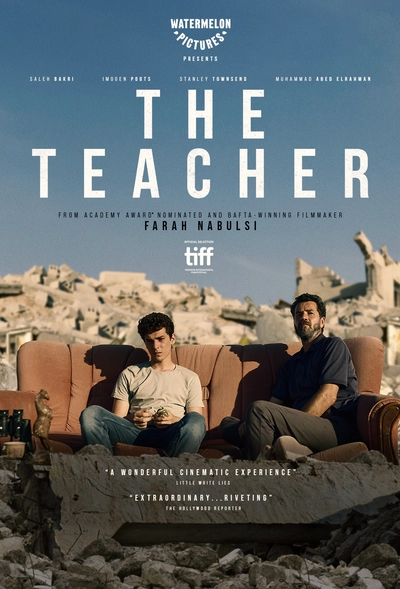
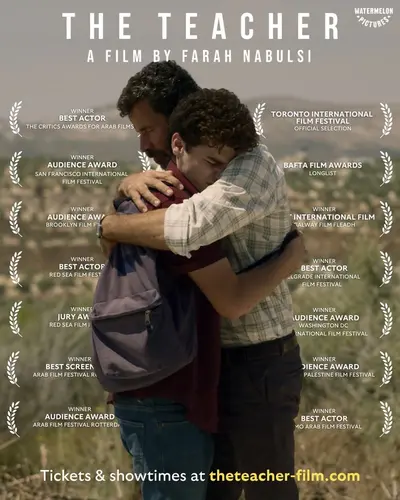
- The Teacher ("Al-Ustadh" - الأستاذ) (dir. Farah Nabulsi, 2023) Trailer (Seen?⏳❌ )
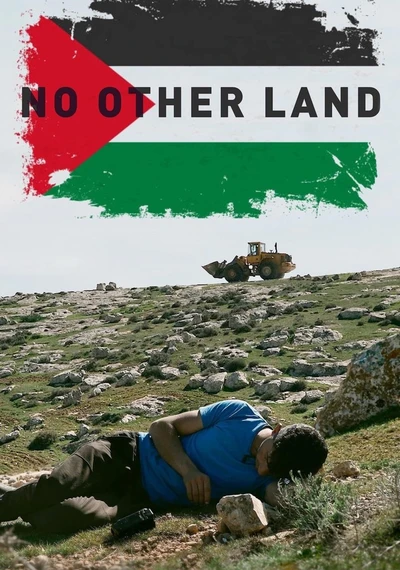
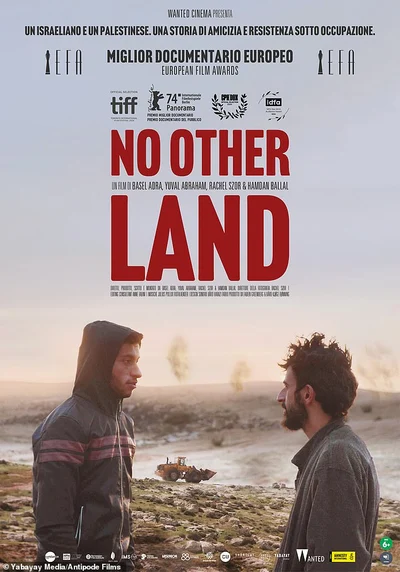
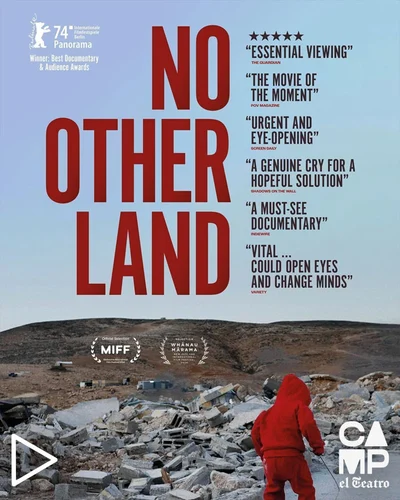
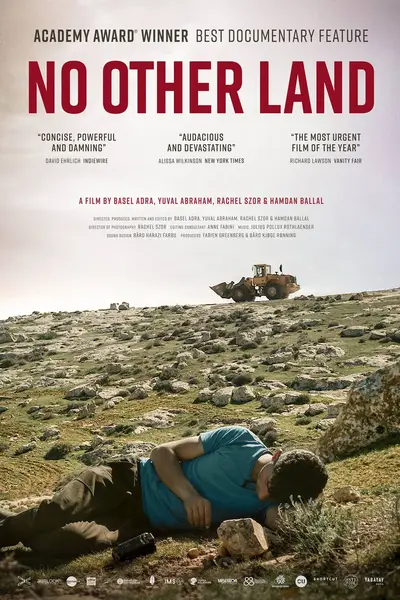
- No Other Land ("Lā arḍ ukhrá" - لا أرض أخرى) (dir. Basel Adra, Hamdan Ballal, Yuval Abraham and Rachel Szor; 2024) Trailer (Seen?⏳❌ )






Films about history up to 1948 and about exile
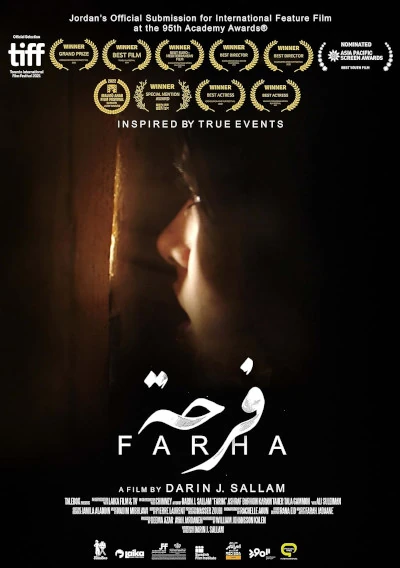
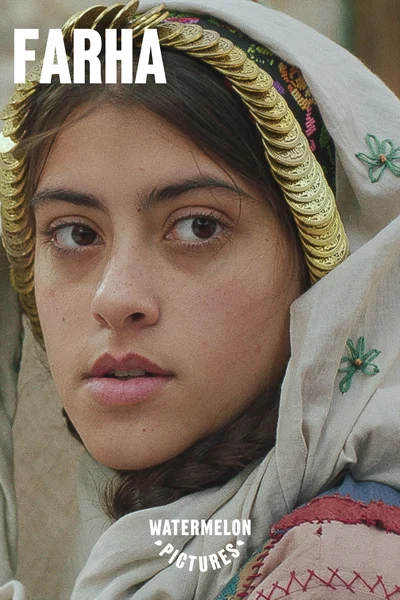
Very hard stuff. These films are all documentaries, apart from Farha, a film which caused quite a controversy when Avigdor Lieberman (an Israeli politician who was once considered far right, but has come by the time of writing to be considered a relative moderate compared to some characters in the Israeli government - “relative” is of course very very relative in this case) condemned Netflix for streaming the film in Israel. Uncomfortable viewing for him, no doubt, but I’m here for honest and open discussions.
Only 6 films in this section.
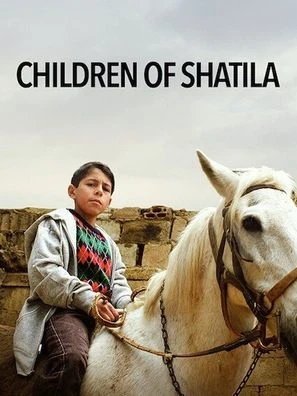
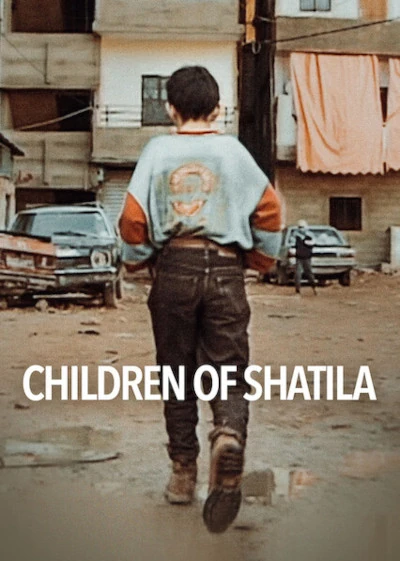
- Children of Shatila (dir. Mai Masri, 1998) Watch on Youtube (Seen 👁️✔️ )
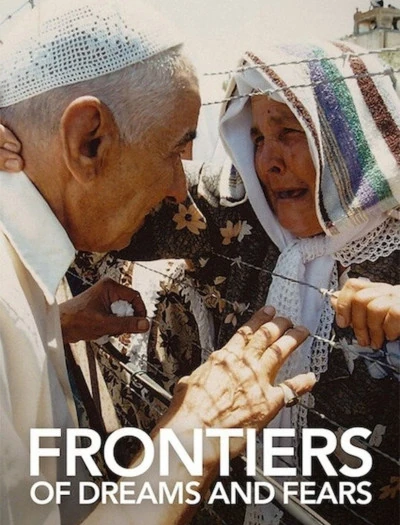
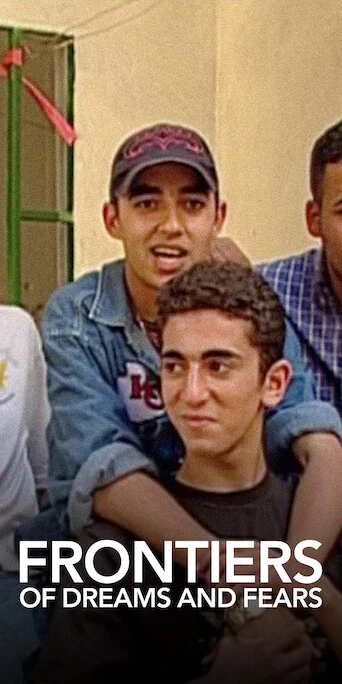
- Frontiers of Dreams and Fears (dir. Mai Masri, 2001) Watch on Youtube (Seen 👁️✔️ )
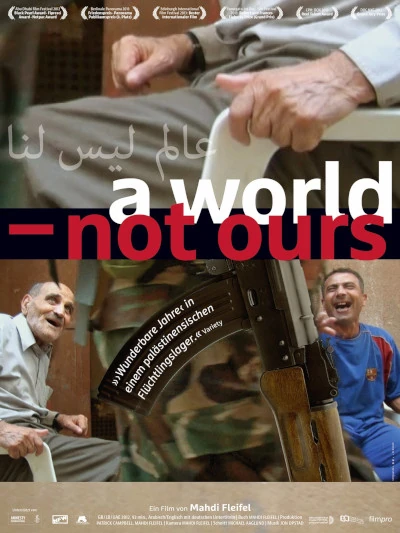
- A World Not Ours (dir. Mahdi Fleifel, 2012) Trailer (Seen 👁️✔️ )
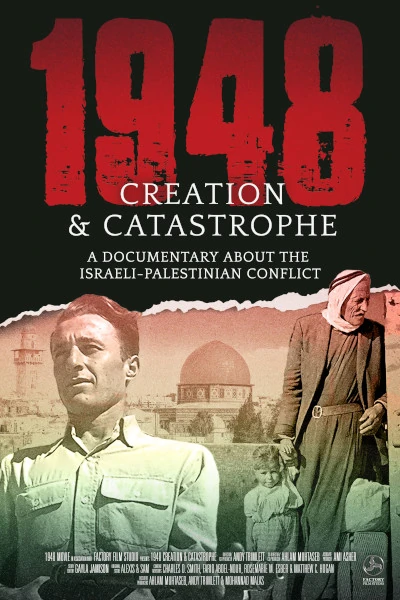
- 1948: Creation & Catastrophe (2019) Watch on Youtube (Seen?⏳❌ )
- Farha (فرحة) (dir. Darin J Sallam, 2021 - Interview) Trailer (Seen 👁️✔️ )
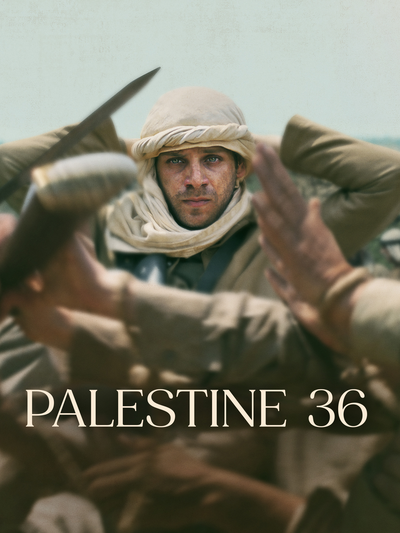
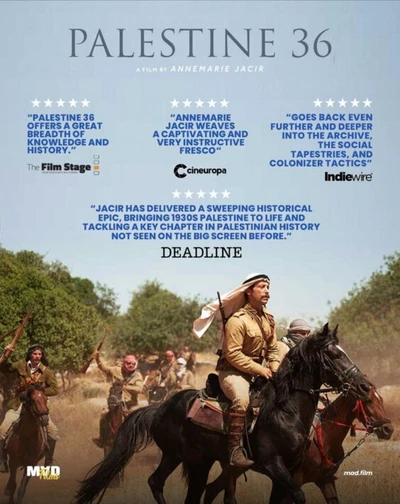
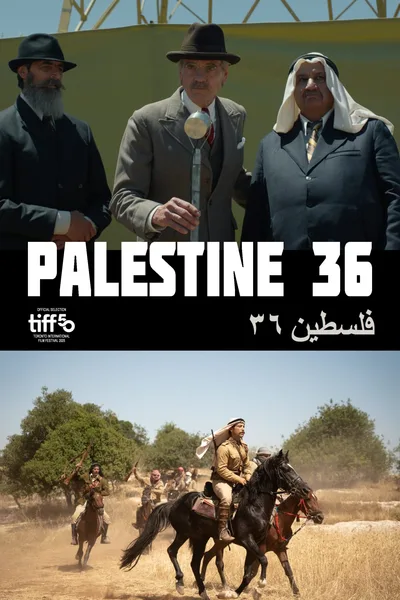
- Palestine 36 (فلسطين ٣٦) (dir. Annemarie Jacir, 2025 - Interview) Trailer (Seen?⏳❌ )







Palestinian films from inside the 1948 borders

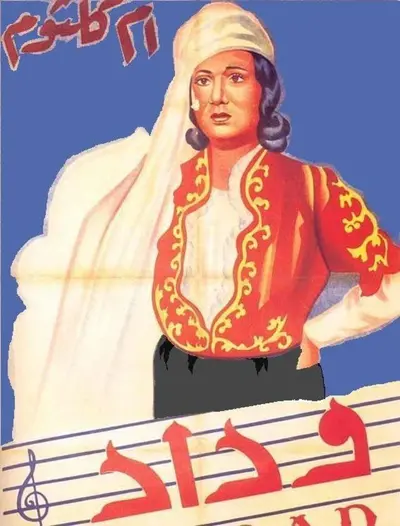
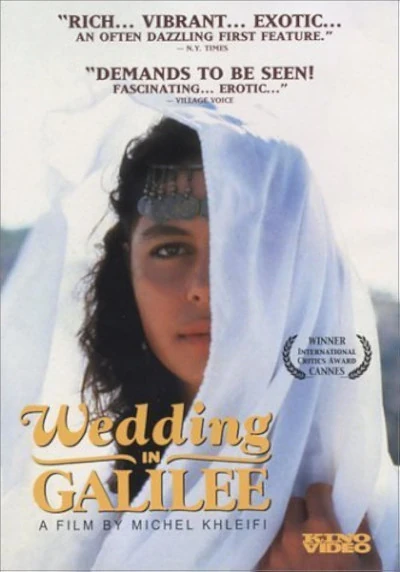
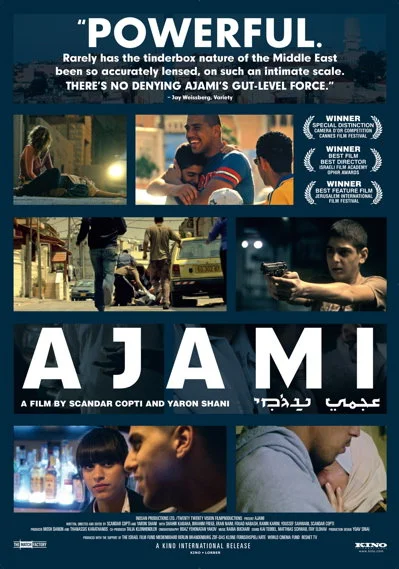
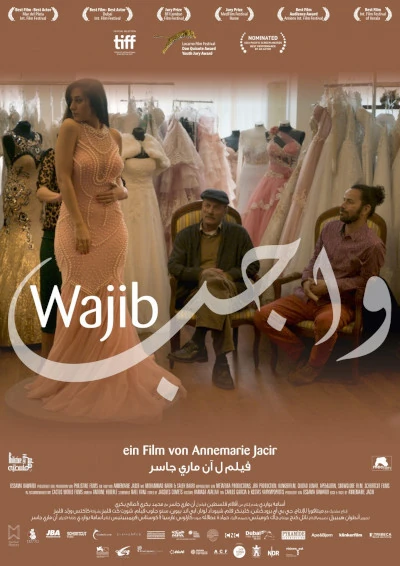
A very small section, of course - simply because most productions made inside those borders are of course Israeli productions. I’m assuming that at least some of the funding for some of these films was Israeli, but they’re very much Arab directed and Arab-acted. Only one of these films, Ajami, has a Jewish Israeli character foregrounded in the story. Fair enough - it’s about carving out a space. The most interesting thing to note about these films is the enormous diversity of Arab identities that you have inside a relatively small geographical space (just like Lebanon) - from Nazarene Christian Arabs in Wajib to tent-dwelling Bedouin in Sandstorm.
Only 5 films in this section.
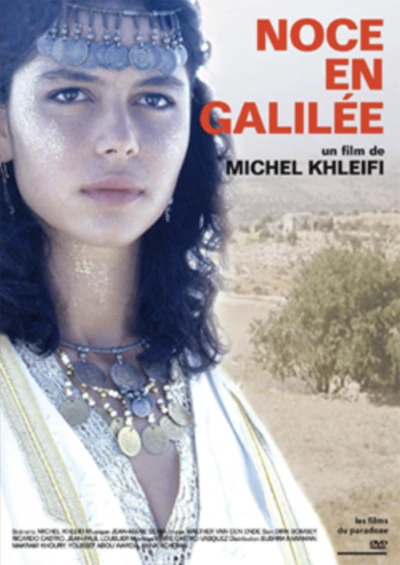
- Wedding in Galilee ("Urs al-Jalil" - عرس الجليل) (1987) Trailer (Seen?⏳❌ )
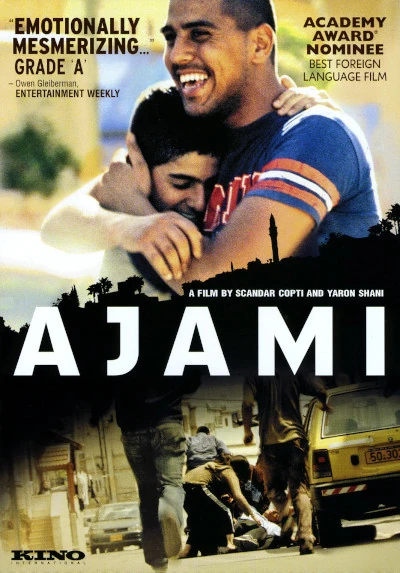
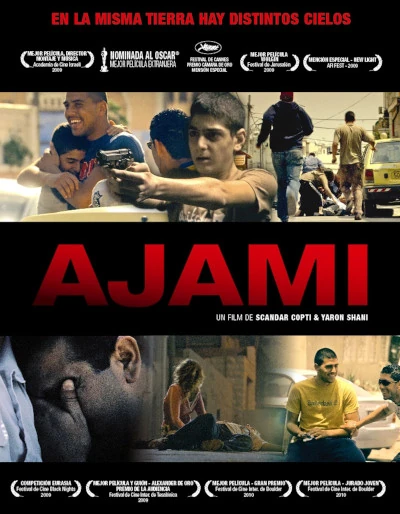
- Ajami (عجمي) (dir. Scandar Copti and Yaron Shani; 2009 - Interview) Trailer (Seen 👁️✔️ )
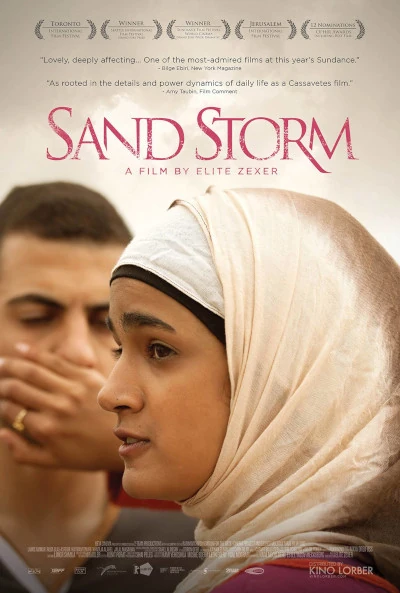
- Sandstorm ("Asifat Ramliya" - عاصفة رملية ; "Sufat Khol" - סופת חול) (dir. Elite Zexer, 2016 - Interview) Trailer (Seen 👁️✔️ )
- Junction 48 (ג'נקשן 48 ; "Mafraq 48" - مفرق 48) (dir. Udi Aloni, 2017 - Interview) Trailer (Seen 👁️✔️ )
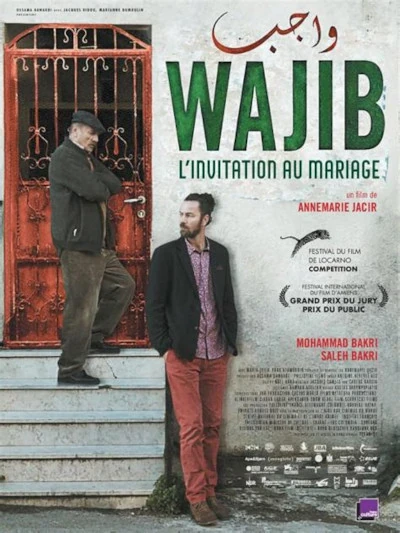
- Wajib (Duty - واجب) (dir. Annemarie Jacir, 2017 - Interview) Trailer (Seen 👁️✔️ )


Palestinian short films (from the Occupied Territories, and from exile)
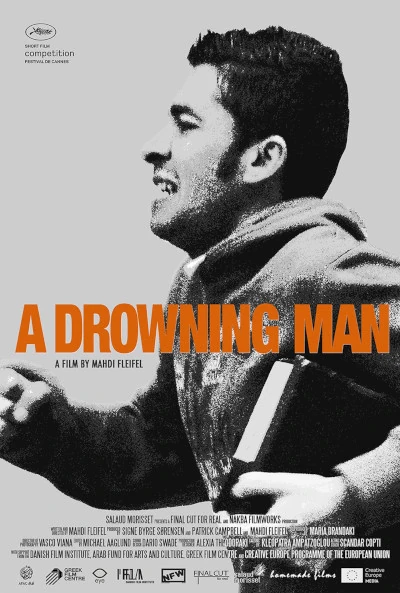
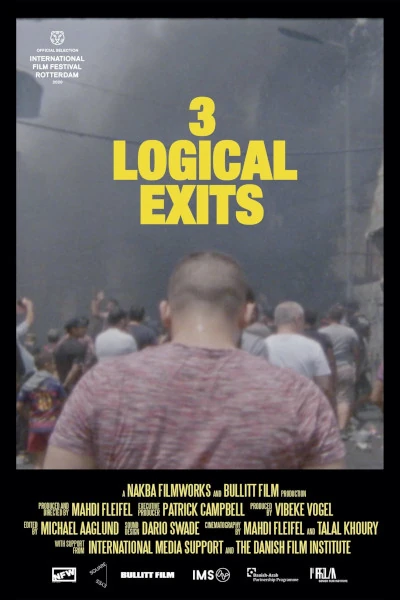
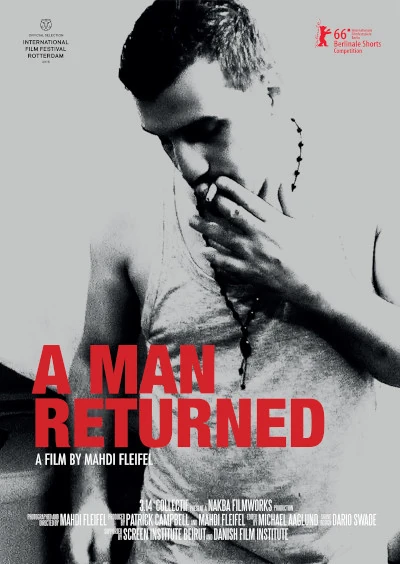
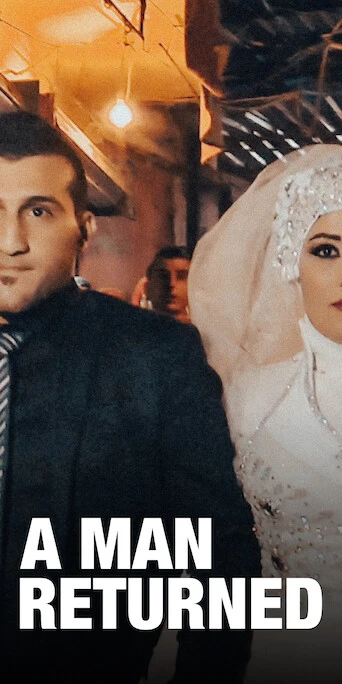
Netflix is a bit annoying in a couple of ways, as I’ve mentioned elsewhere, but I really do have to commend them for the selection of Palestinian films which they make available, and there are a few little gems here which you would really struggle to find anywhere else. Several of these films come from Mahdi Fleifel. I’ll have to devote a post to his works at some point. Three of those, Xenos, A Man Returned and 3 Logical Exits follow up on his longer feature, A World Not Ours, tracing the often desperate life decisions of an acquaintance from the Lebanese refugee camp in which the feature film is shown.
Only 9 films in this section.
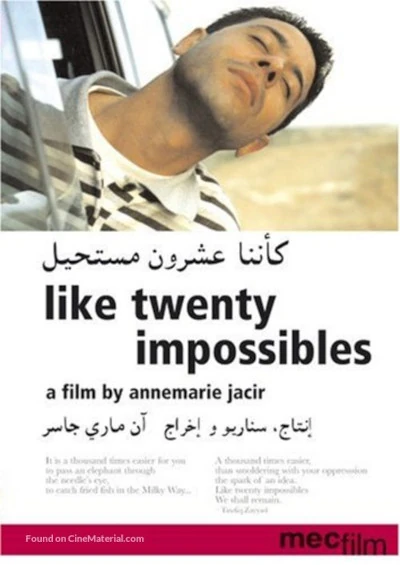
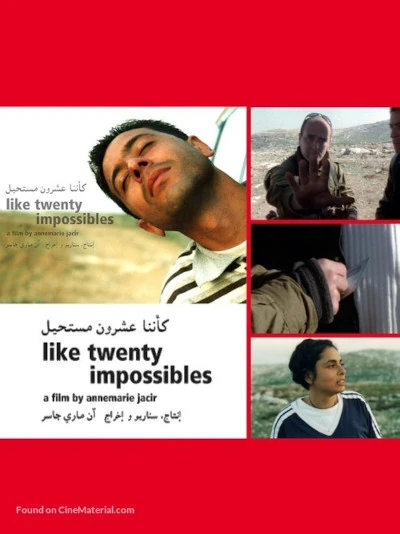
- Like Twenty Impossibles ("Ka'inana Ashrun Mustaheel" - كأننا عشرون مستحيل) (dir. Annemarie Jacir, 2003) Trailer (Seen 👁️✔️ )
- Xenos (dir. Mahdi Fleifel, 2014) Trailer (Seen 👁️✔️ )
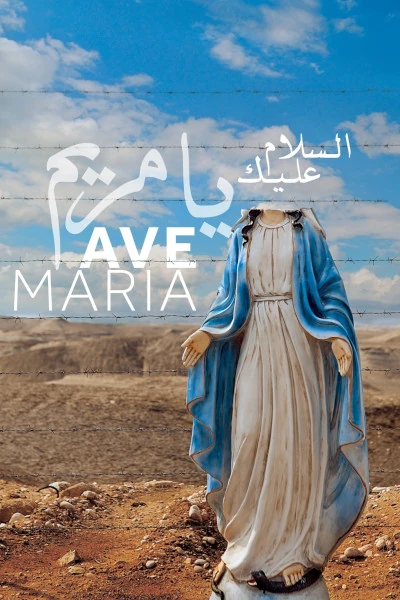
- Ave Maria (2015) Trailer (Seen 👁️✔️ )
- A Man Returned (dir. Mahdi Fleifel, 2017) Trailer (Seen 👁️✔️ )
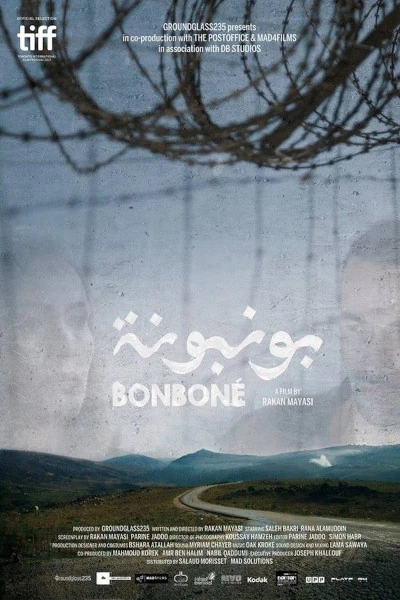
- Bomboné (2017) Trailer (Seen 👁️✔️ )
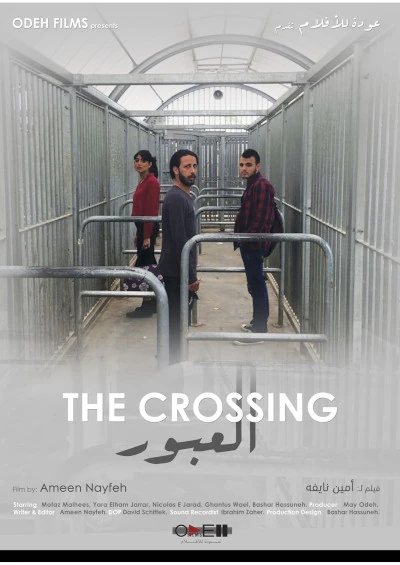
- The Crossing ("Al-'Ubur" - العبور) (dir. Ameen Nayfeh, 2017) Trailer (Seen 👁️✔️ )
- A Drowning Man (dir. Mahdi Fleifel, 2018) Trailer (Seen 👁️✔️ )
- 3 Logical Exits (dir. Mahdi Fleifel, 2020) Trailer (Seen 👁️✔️ )
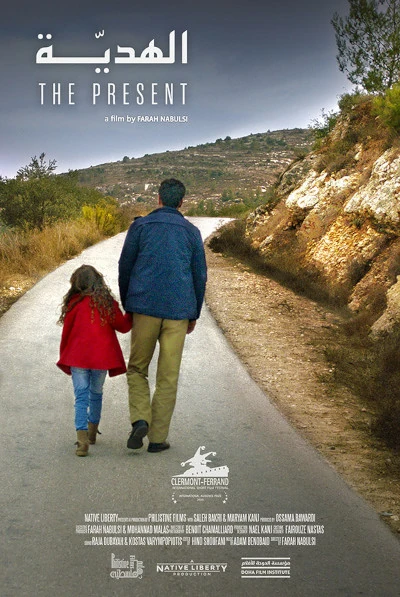
- The Present ("Al-Hadiya" - الهدية) (2020) Trailer (Seen 👁️✔️ )



Egyptian and other North African films
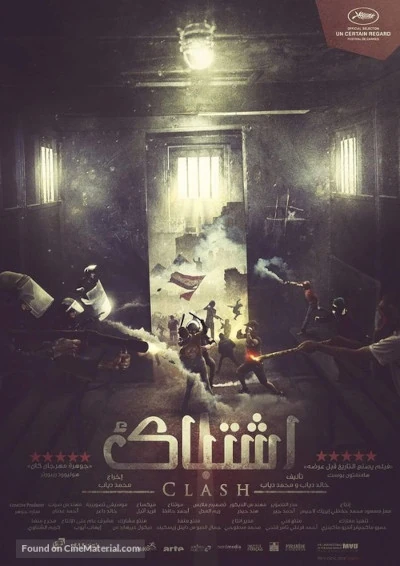
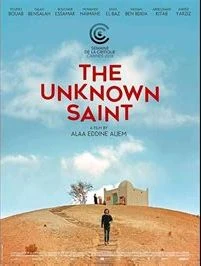
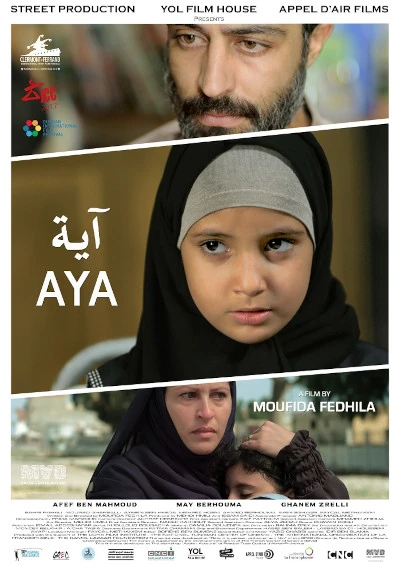
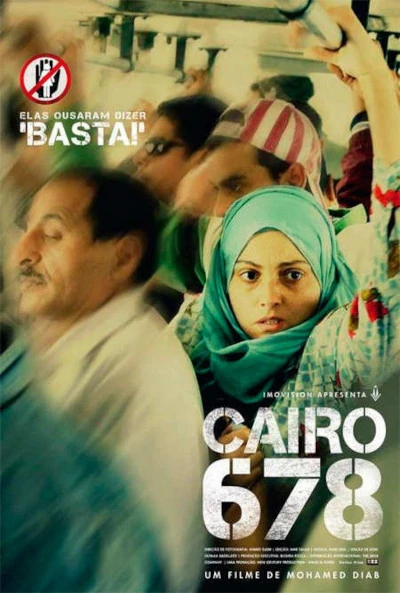
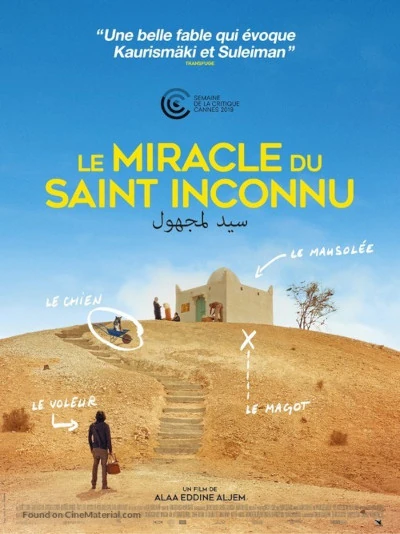
At the moment of writing, I have still watched fewer than half of these films, simply because Israel-Palestine (by extension Lebanon, and by further extension to that: Iran) have been the priority so far. I’ll have more to say later, but anyway the work of Mohamed Diab (Cairo 678 and Clash) is pretty interesting. Also, The Unknown Saint, a Morrocan film, is good if you’re in the mood for something quirky, away from the eye of the Middle East storm. Tunisia, the original home of the Arab Spring, has made an interesting contribution since then. Although only a very short film, Aya (available on Netflix last time I checked) is well worth searching out. It’s heartbreaking, but it says a lot in little or no time at all. Of course I can’t mention Tunisia and Morocco without also acknowledging their later neighbour, Algeria. And when we talk about those three countries together, we are also going to be soon talking about France. Hence you’ll find films in this section which also turn up in the Arab (et al.) Diaspora section at the bottom of this page.
By the time I reach the end of the initial round-trip voyage implied on the watchlist, I shall have watched a number approaching 450 films, and it won’t escape notice that Egyptian films will constitute a tiny fraction of that number. That’s a bit ironic, given the fact that Egypt was the giant of Middle East cinema for decades until other countries found their voice. Necessarily any attempt to delve deeper into the history of film in the Middle East will require the addition of a lot of classic Egyptian movies.
19 films in this section.
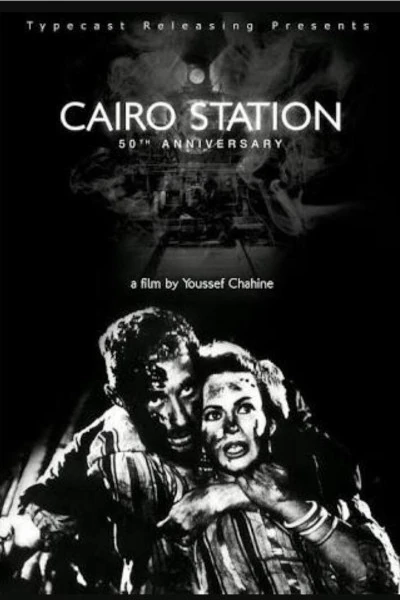
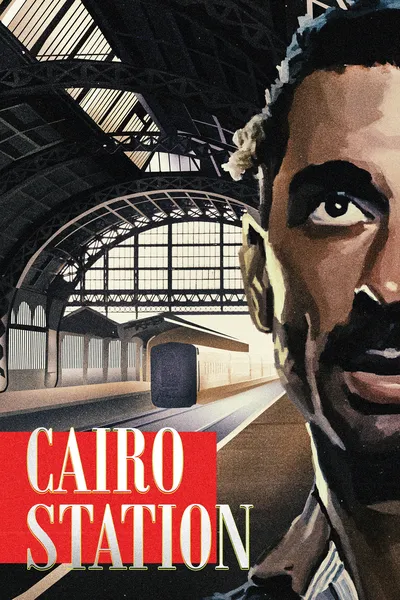
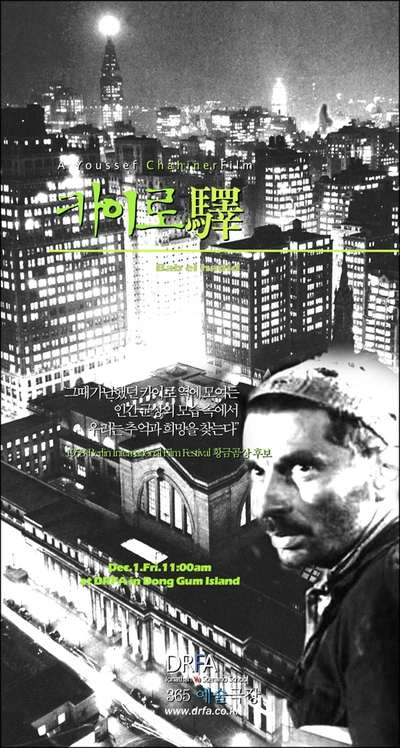
- Cairo Station ("Bāb al-Ḥadīd" - The Iron Gate - باب الحديد) (dir. Youssef Chahine, 1958) Trailer (Seen?⏳❌ )
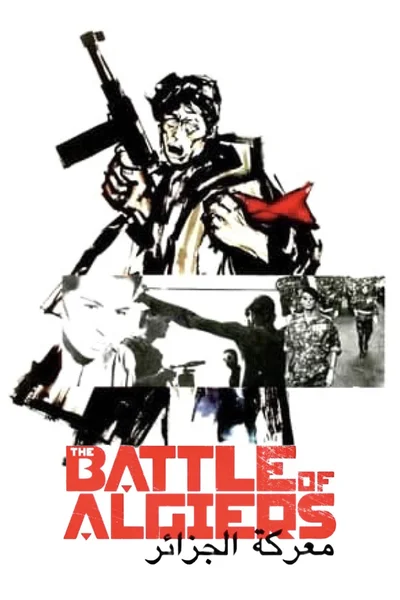
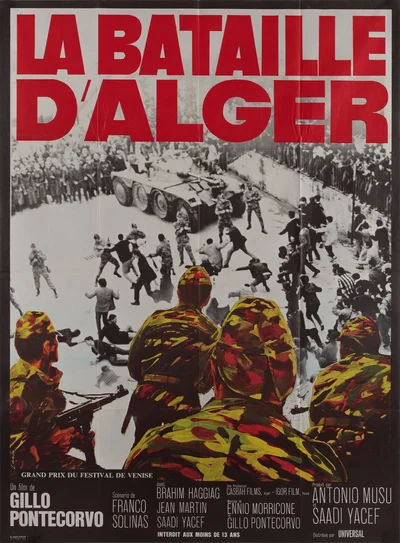
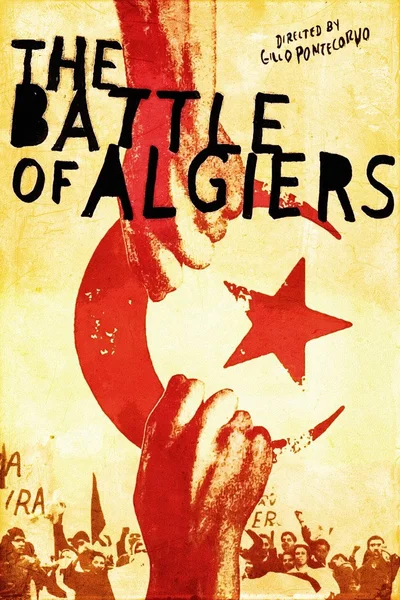
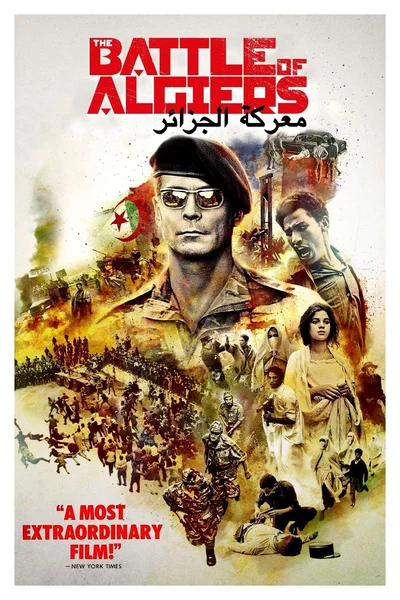
- The Battle of Algiers (dir. Gillo Pontecorvo, 1966) Watch on Youtube (Seen?⏳❌ )
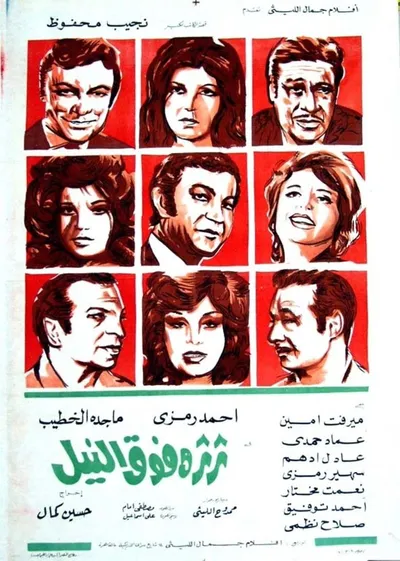
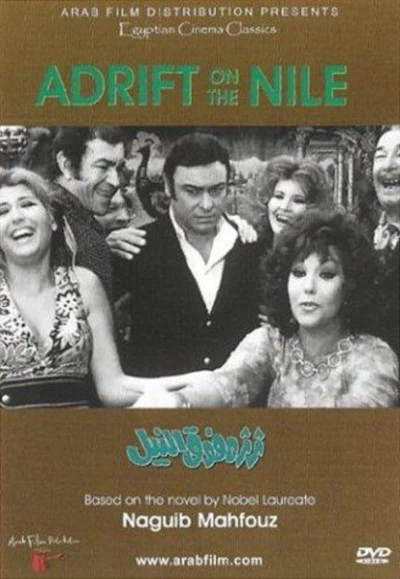
- Chitchat on the Nile ("Thartharah fawqa al-Nīl" - ثرثرة فوق النيل) (1971) (Seen?⏳❌ )
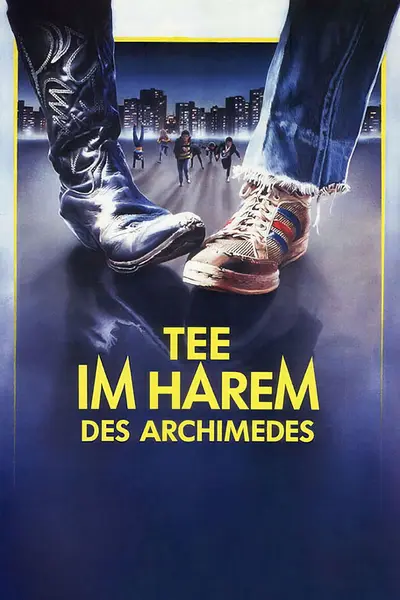
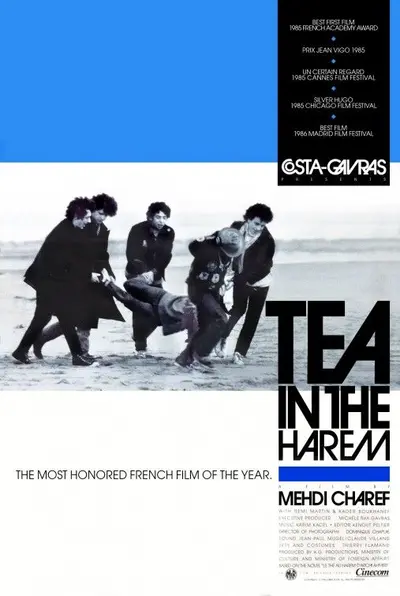
- Tea in the Harem (dir. Mehdi Charef, 1985) Watch on Youtube (Seen?⏳❌ )
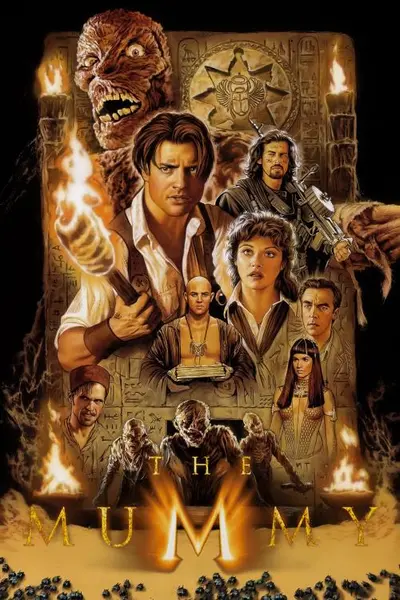
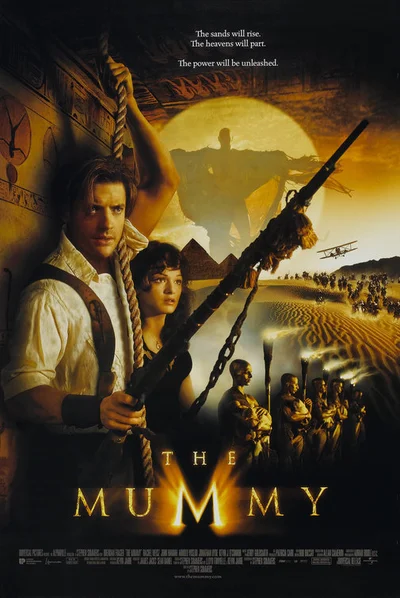
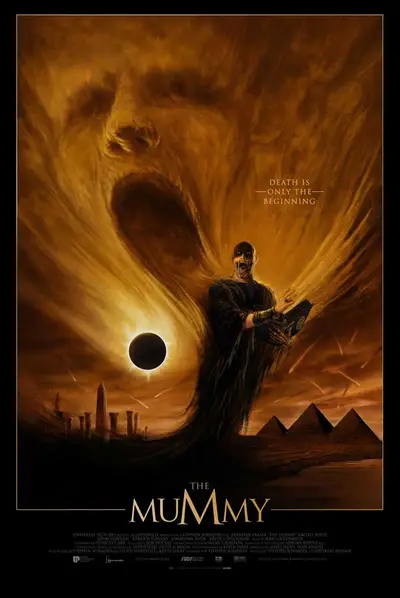
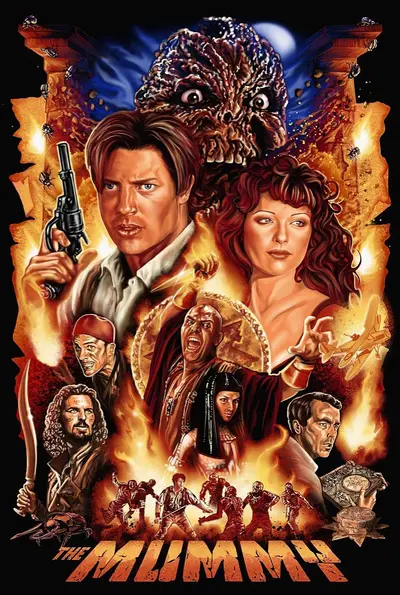
- The Mummy (1999) Trailer (Seen?⏳❌ )
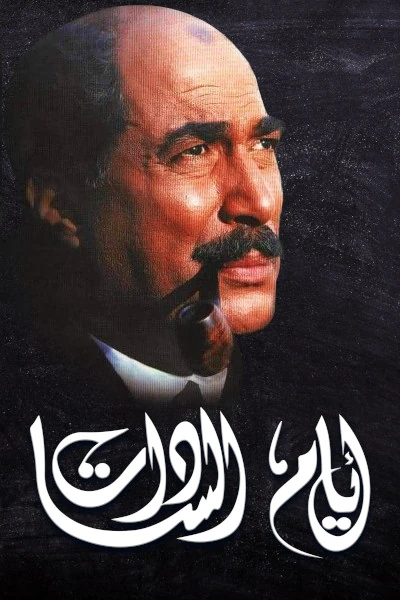
- Days of Sadat ("Ayaam al-Sadat" - أيام السادات) (2001) Watch on Youtube (grainy and jumpy film, but anyway, it's there) (Seen?⏳❌ )
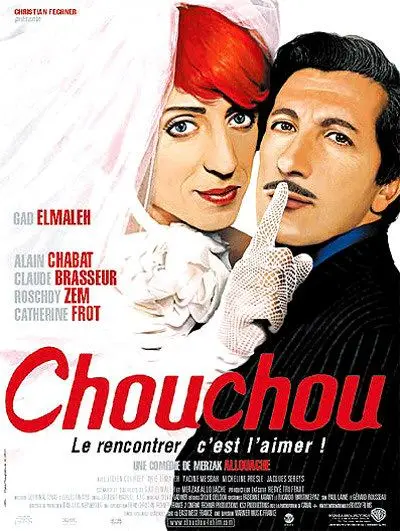
- Chouchou (dir. Merzak Allouache, 2003) Trailer (Seen?⏳❌ )
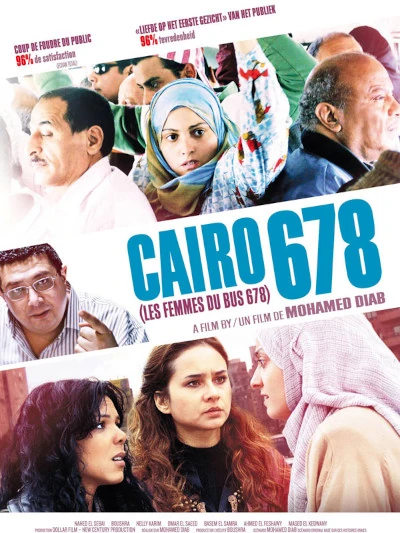
- Cairo 678 (٦٧٨) (dir. Mohamed Diab, 2010 - Interview) Trailer (Seen 👁️✔️ )
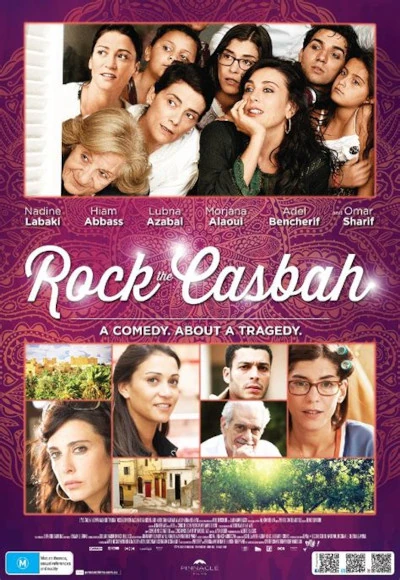
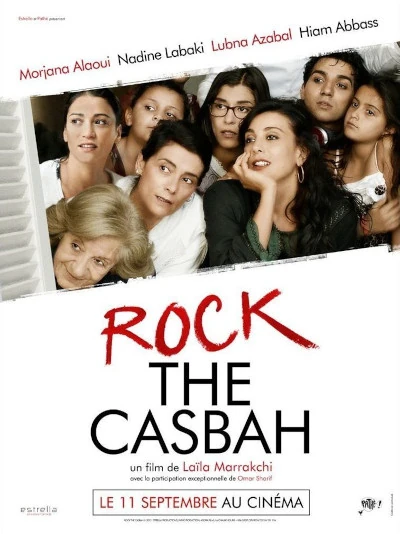
- Rock the Casbah (dir. Laïla Marrakchi, 2013) Trailer (Swedish subs on the trailer - I can't find one with English, sorry) (Seen 👁️✔️ )
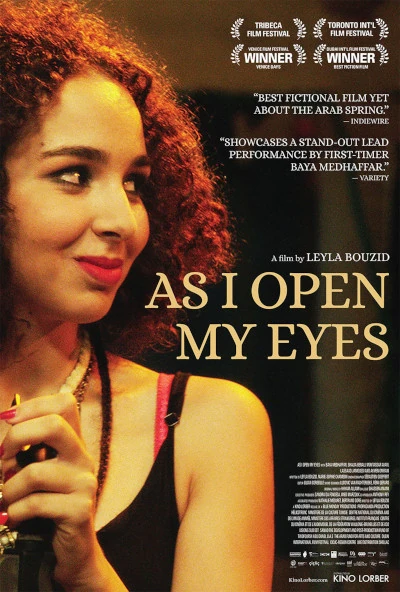
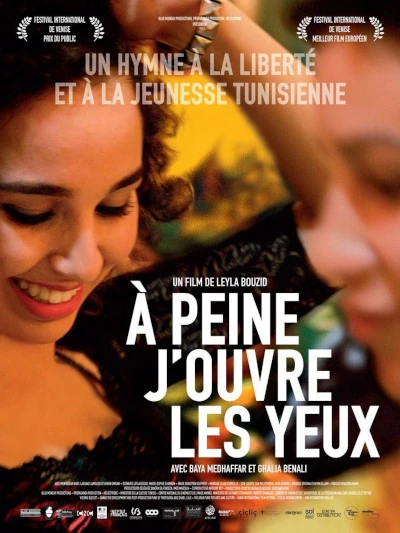
- As I Open My Eyes (À peine j'ouvre les yeux) ("Ala Hayat Ayni" - On my Eye - على حلة عيني) (dir. Leyla Bouzid, 2015) Trailer (Seen?⏳❌ )
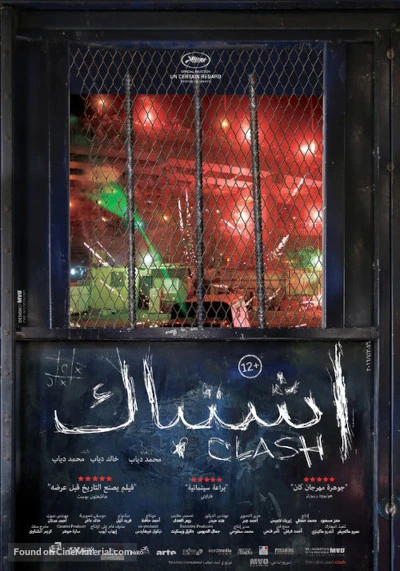
- Clash ("Eshtebak" - اشتباك) (dir. Mohamed Diab, 2016 - Interview) Trailer (Seen 👁️✔️ )
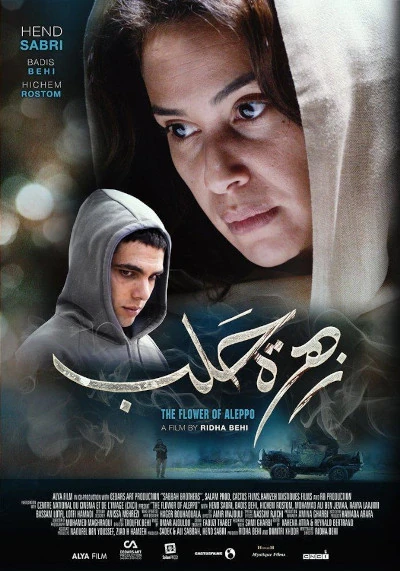
- The Flower of Aleppo ("Zahrat Halab" - زهرة حلب) (dir. Ridha Behi, 2016) Trailer (Seen 👁️✔️ )
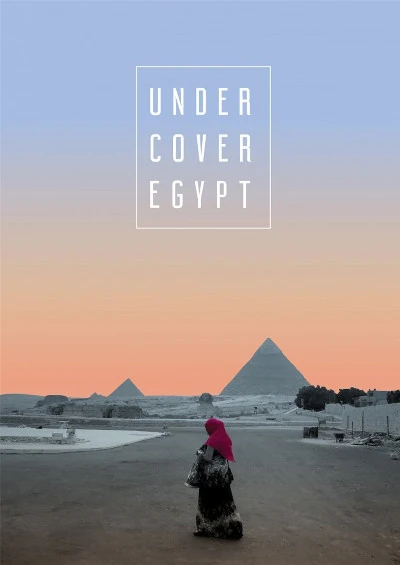
- Undercover Egypt (2016) (Seen?⏳❌ )
- Aya (آية) (2017) Trailer (Seen 👁️✔️ )
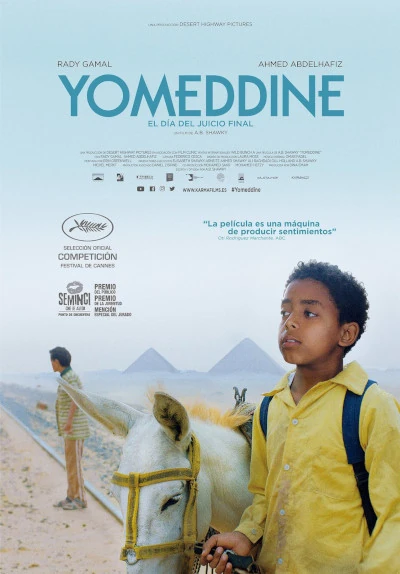
- Yomeddine (Judgement Day - يوم الدين) (dir. Abu Bakr Shawky, 2018) Trailer (Seen?⏳❌ )
- Papicha (dir. Mounia Meddour, 2019) Trailer (Seen?⏳❌ )
- The Unknown Saint ("Sayid al-Majhul" - سيد المجهول) (dir. Alaa Eddine Aljem, 2019 - Interview) Trailer (Seen 👁️✔️ )
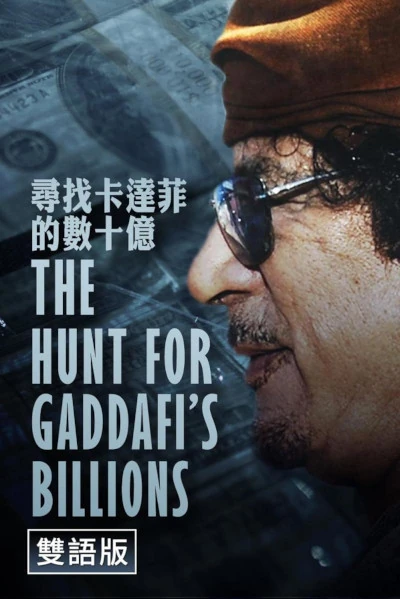
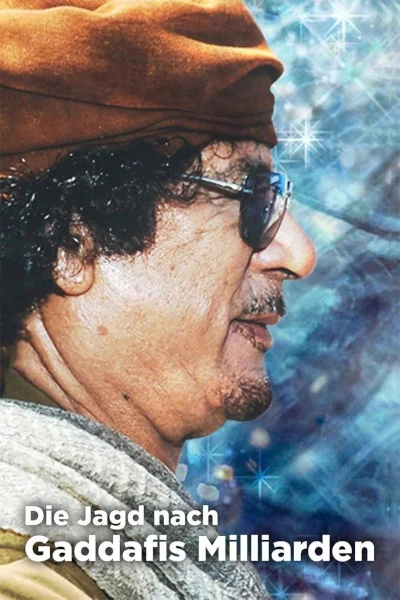
- The Hunt for Gaddafi's Billions (2021) (Seen?⏳❌ )
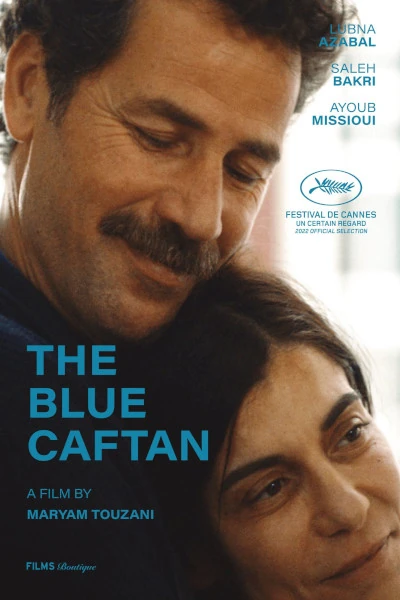
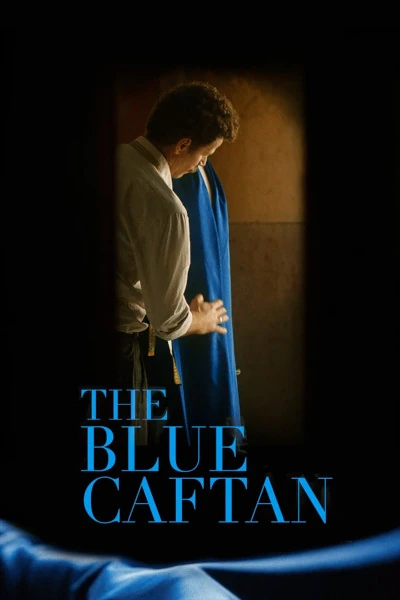
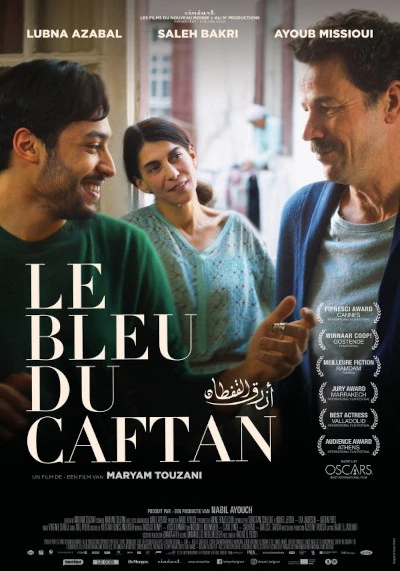
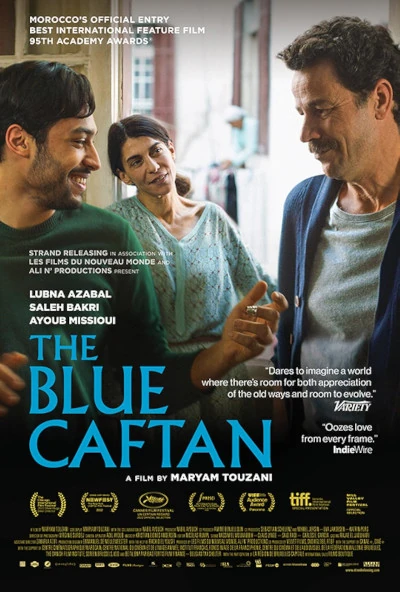
- The Blue Caftan (Le Bleu du caftan) ("a-Zraq al-Quftan" - أزرق القفطان) (dir. Maryam Touzani, 2022) Trailer (Seen 👁️✔️ )







Films from/about Iraq, Syria and Lebanon
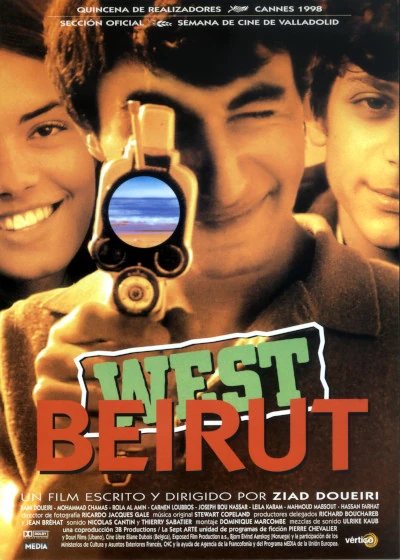
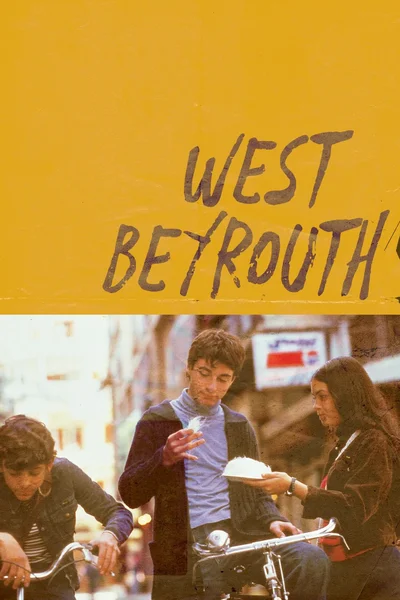
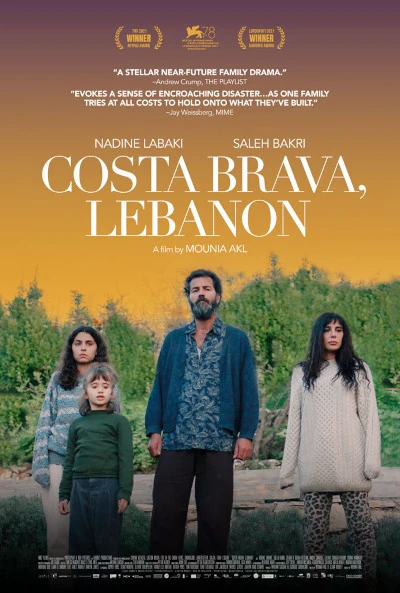
I’ve already written one very long post about three of these films (West Beirut, The Insult and Memory Box), and a shorter post about one other (Costa Brava, Lebanon). I’ll be coming back soon enough, and at the time of writing these words (September 2024) it’s looking ever more likely, alas, that Lebanon is going to get foregrounded again. I’ve never been to Lebanon, but somehow it very much lives inside me. As for the films about Iraq and Syria, God help me… So much violence, so much sadness. After realising that I needed a Turkish section, and then realisting that I needed a Kurdish section, I added quite a few Iraqi Kurdish films, which you’re seeing listed here.
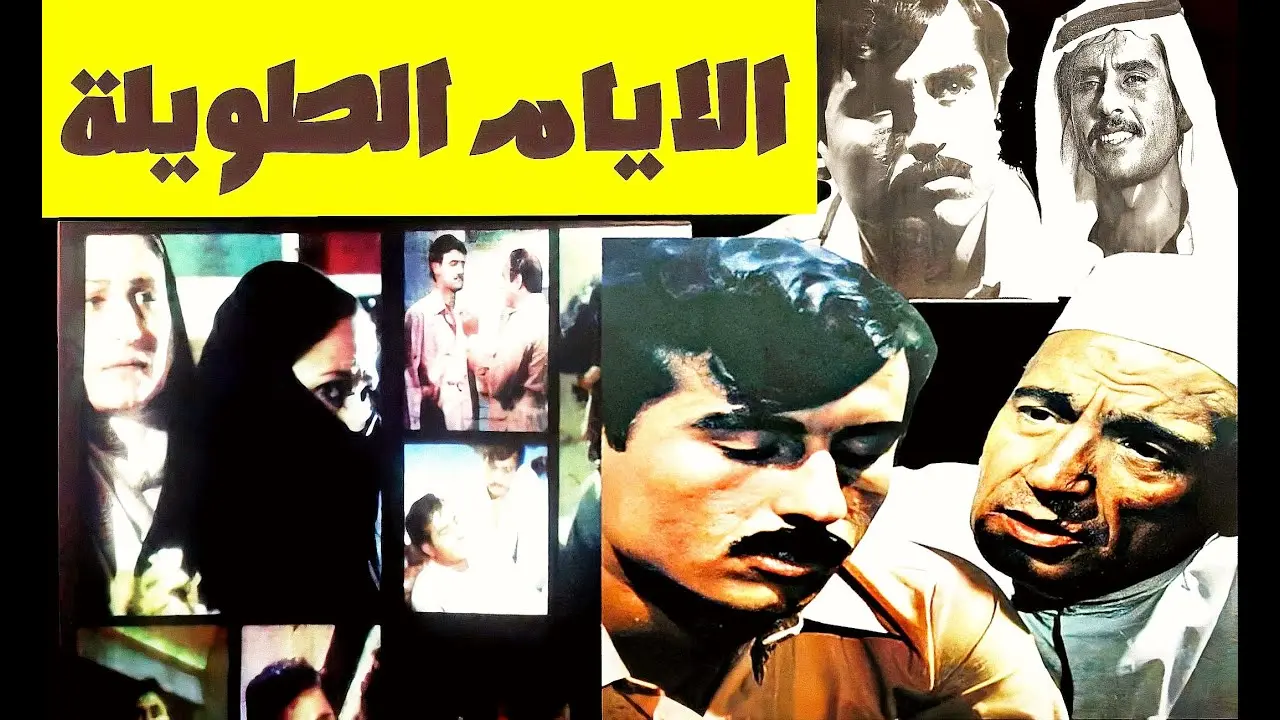
Notice that I’ve added some Saddam Hussein era propaganda films at the top of the list. I’m watching them so that you don’t have to. I will surely suffer in the act, but the idea is that they’ll give me something to think about for a post.
52 films in this section.
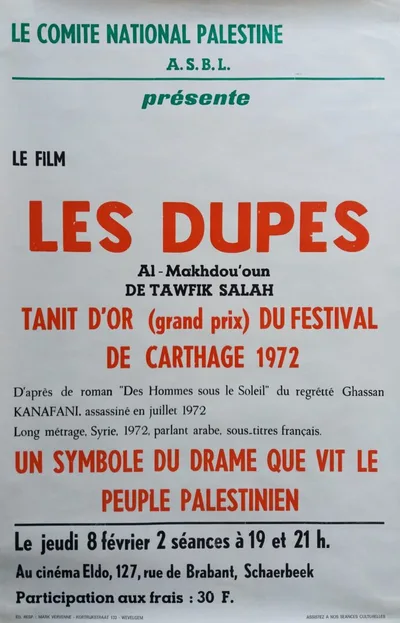
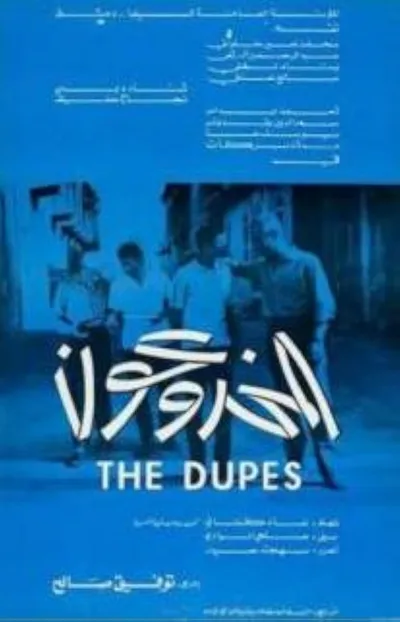
- The Dupes ("al-makhdūʿūn" - المخدوعون) (dir. Tewfik Saleh, 1972) Watch on Youtube (Seen?⏳❌ )
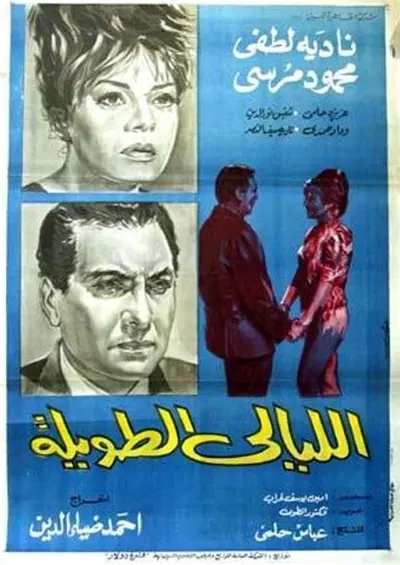
- The Long Days ("al-Ayyām aṭ-Ṭawīla" - الأيام الطويلة) (dir. Khairiya A-Mansour, Tewfik Saleh and Terence Young; 1980) Watch on Youtube (*Saddam Hussein's heroic youth - warts and all, no embellishments) (Seen 👁️✔️ )
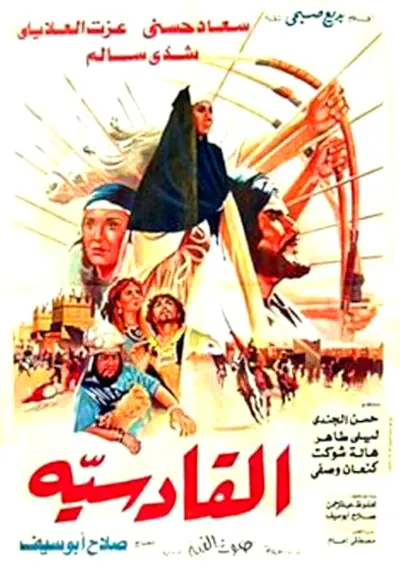
- Al-Qadisiyya (القادسية) (1981) Watch on Youtube (*Saddam-commissioned Iran-Iraq War propaganda - Arabs smashing Persians in 636 CE) (Seen 👁️✔️ )
- Clash of Loyalties ("Al-Mas'alat al-kubraa" - The Great Question - المسألة الكبرى) (dir. Mohamed Shukri Jameel, 1983) Watch on Youtube (*Saddam-era propaganda about the 1920 revolution against the British, starring Oliver Reed!!!) (Seen 👁️✔️ )
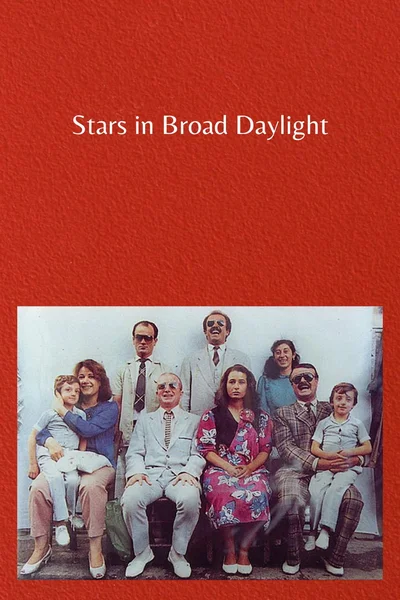
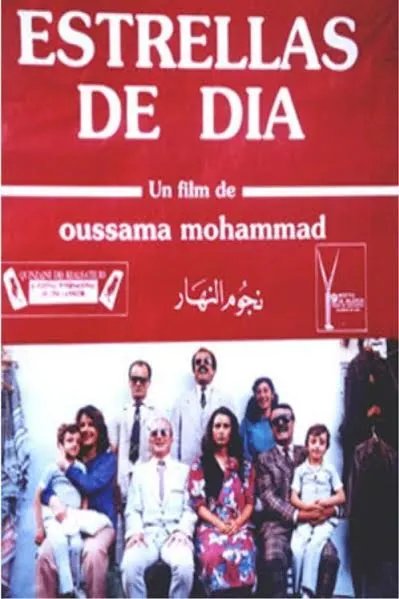
- Stars in Broad Daylight ("Nujum al-Nahar" - نجوم النهار) (dir. Ossama Mohammed, 1988) Watch on Youtube (Seen?⏳❌ )
- West Beirut ("Beirut Al Gharbiyya" - بيروت الغربية) (dir. Ziad Doueiri, 1998 - Interview) Trailer (Seen 👁️✔️ )
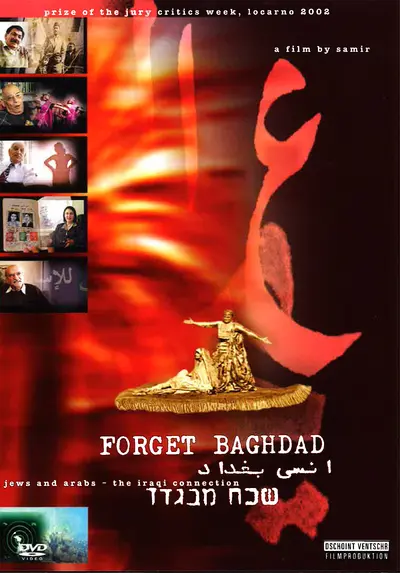
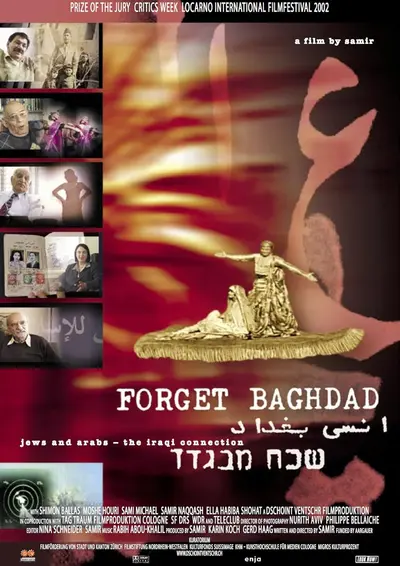
- Forget Baghdad (2002) Watch on Youtube (Seen 👁️✔️ )
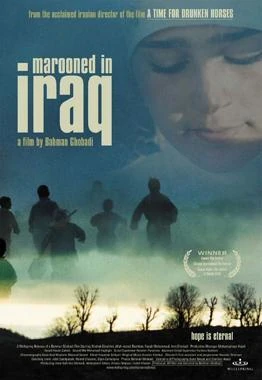
- Marooned in Iraq (dir. Bahman Ghobadi, 2002) Watch on Youtube (Seen 👁️✔️ )
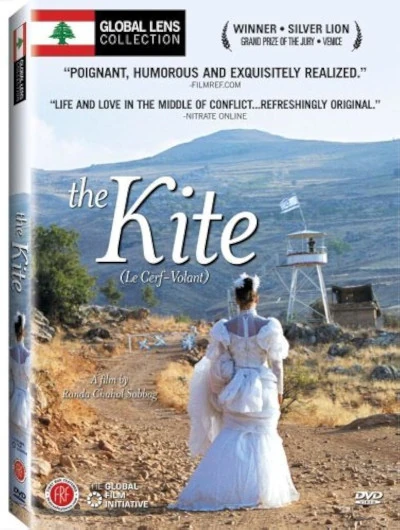
- The Kite (Le Cerf-volant) ("ṭiyyāra min waraq" - طيّارة من ورق) (dir. Randa Chahal Sabag, 2003) Trailer (Seen 👁️✔️ )
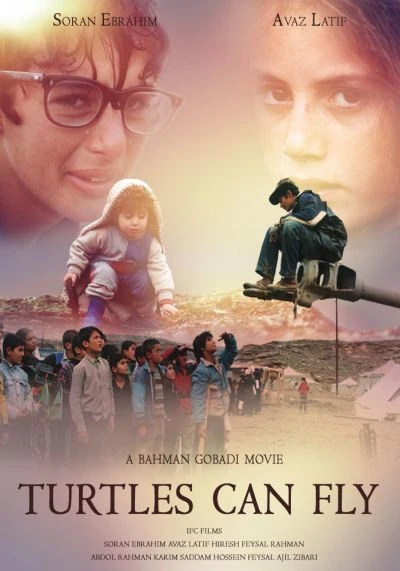
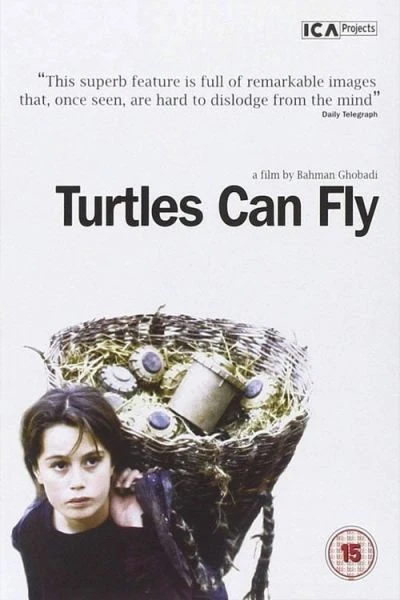
- Turtles Can Fly (dir. Bahman Ghobadi, 2004) Trailer (Seen 👁️✔️ )
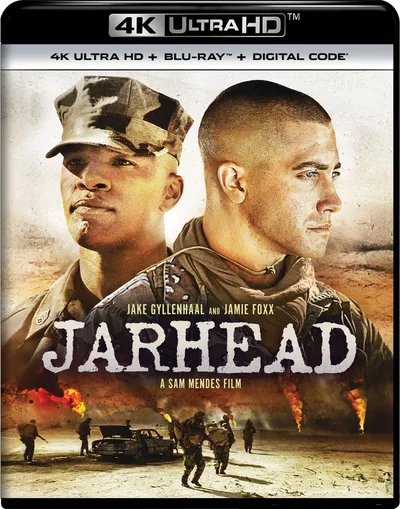
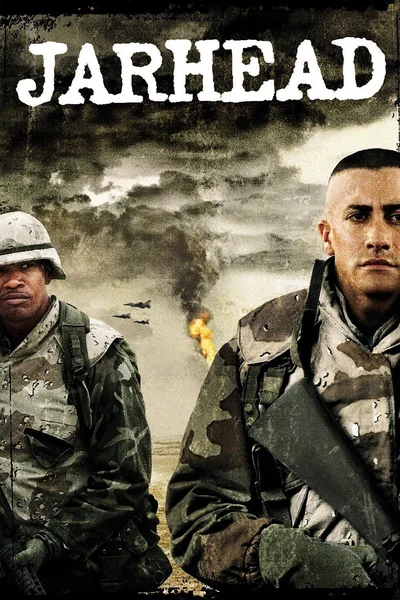
- Jarhead (dir. Sam Mendes, 2005) Trailer (Seen?⏳❌ )
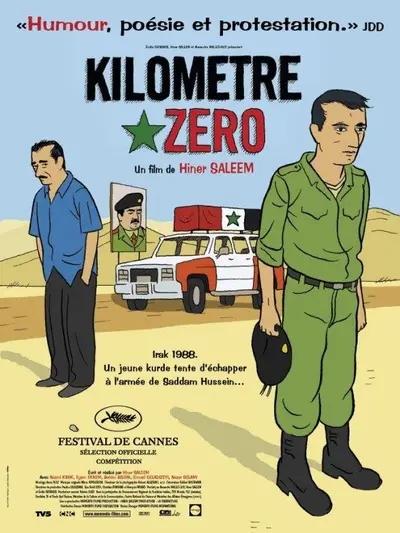
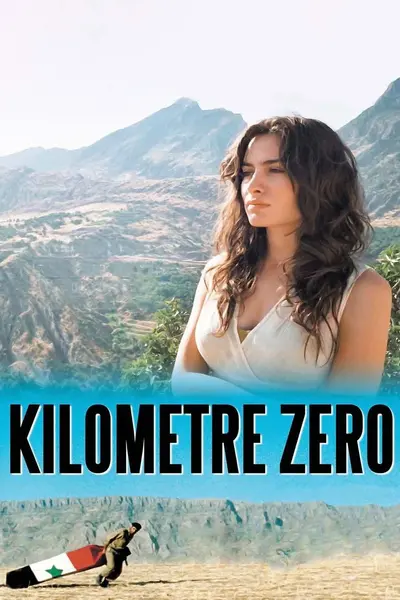
- Kilometre Zero (dir. Hiner Saleem, 2005) Trailer (Seen 👁️✔️ )
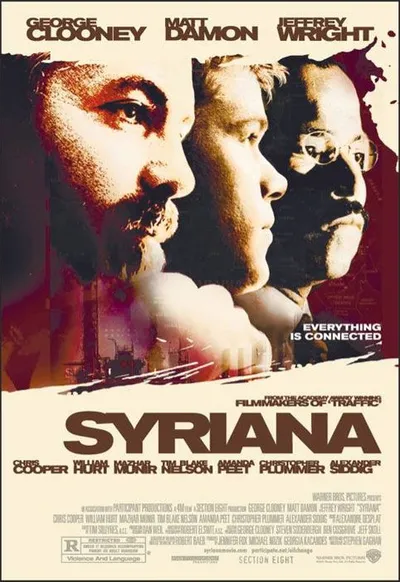
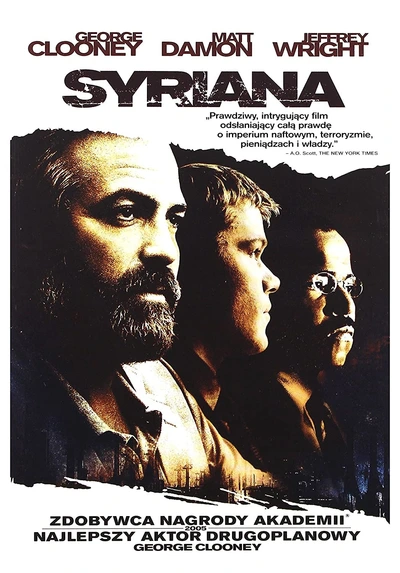
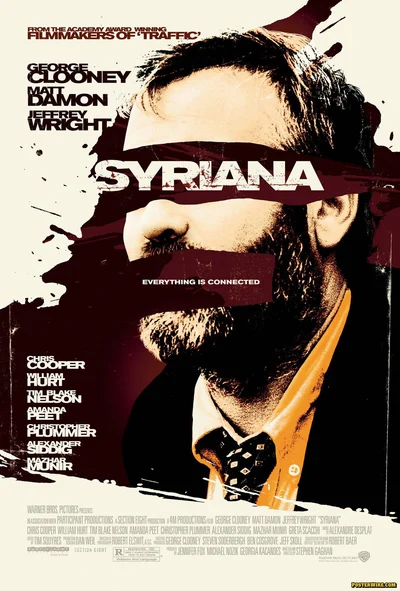
- Syriana (dir. Stephen Gaghan, 2005) Trailer (Seen?⏳❌ )
- Underexposure ("Film Ghayr Salih" - Unsuitable film - فيلم غير صالح) (dir. Oday Rasheed, 2005) Watch on Youtube (Seen 👁️✔️ )
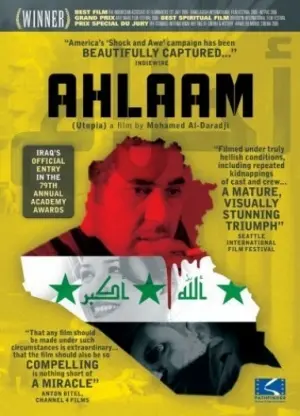
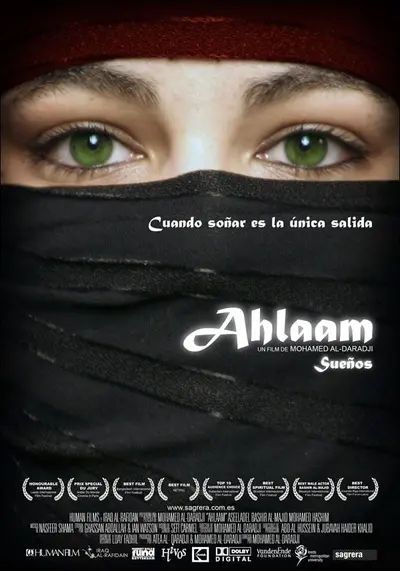
- Ahlaam (Dreams - أحلام) (dir. Mohamed Al-Daradji, 2006 - Interview) Trailer (Seen 👁️✔️ )
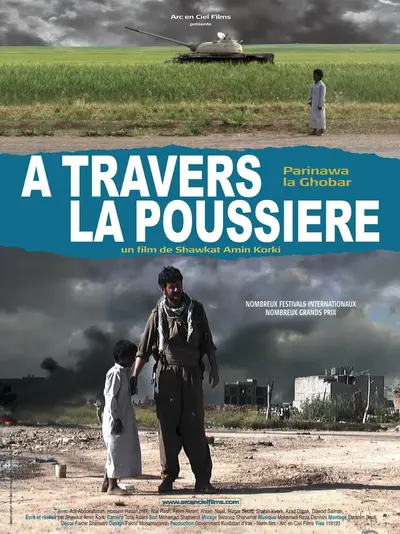
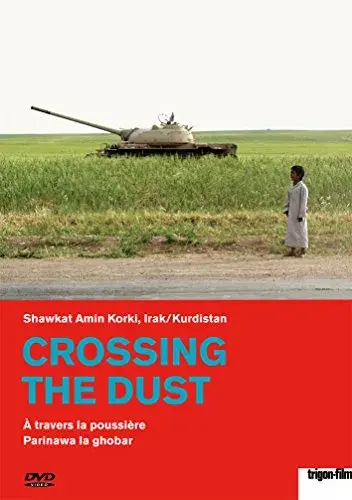
- Crossing The Dust ("Perrînewe le Xûbar" - پەڕینەوە لە غووبار) (dir. Shawkat Amin Korki, 2006) Watch on Youtube (Seen 👁️✔️ )
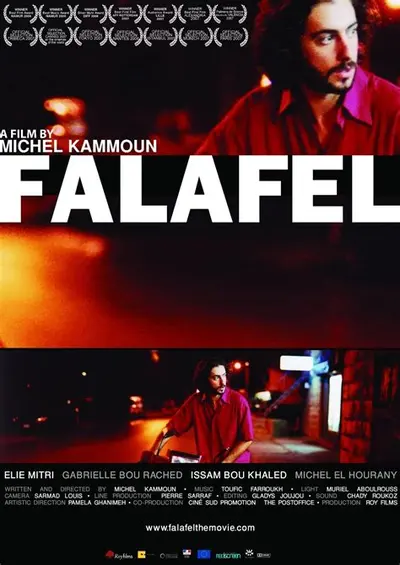
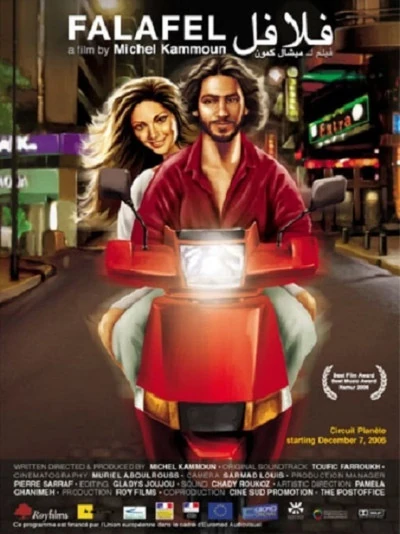
- Felafel (فلافل) (2006) Trailer (Seen 👁️✔️ )
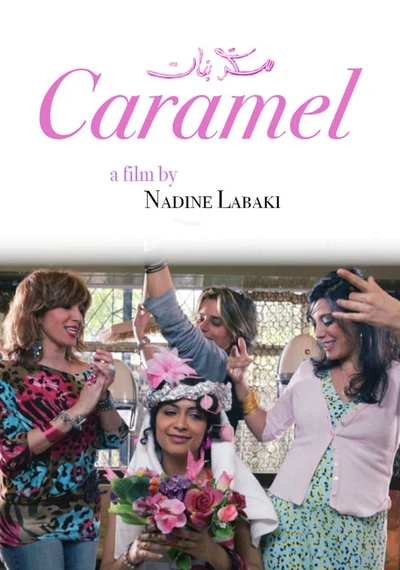
- Caramel ("Sukkar banat" - سكر بنات) (dir. Nadine Labaki, 2007) Trailer (Seen 👁️✔️ )
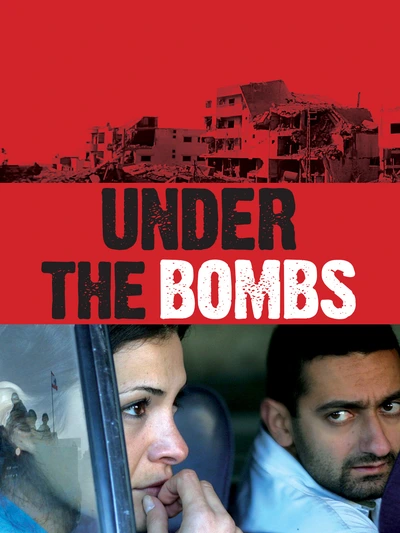
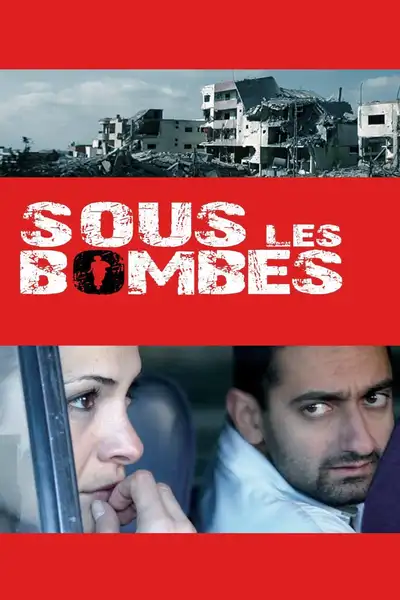
- Under the Bombs ("Taht al-qasf" - تحت القصف) (dir. Philippe Aractingi, 2007) Watch on Youtube (Seen?⏳❌ )
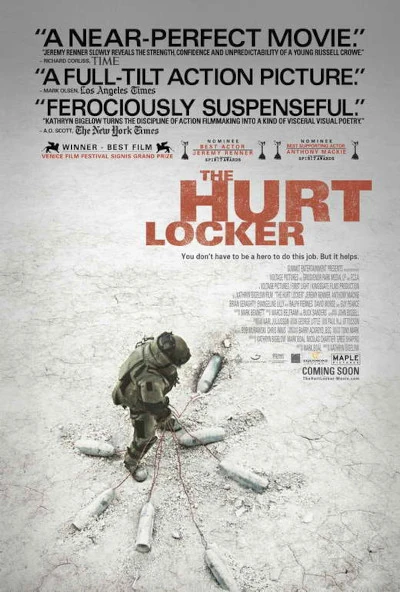
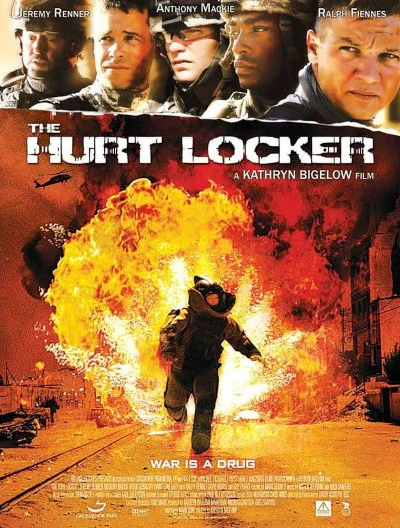
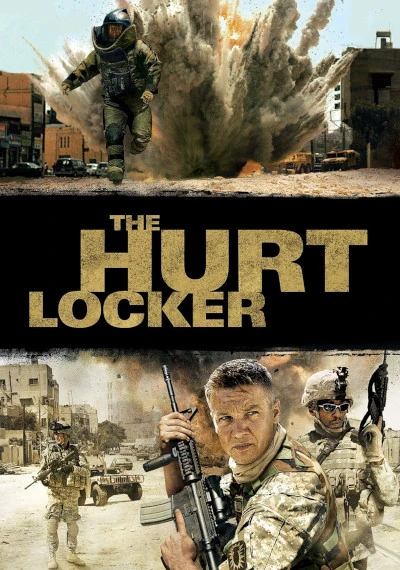
- The Hurt Locker (dir. Kathryn Bigelow, 2008) Trailer (Seen?⏳❌ )
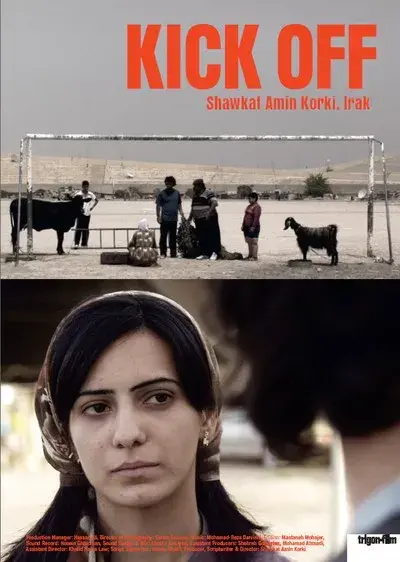
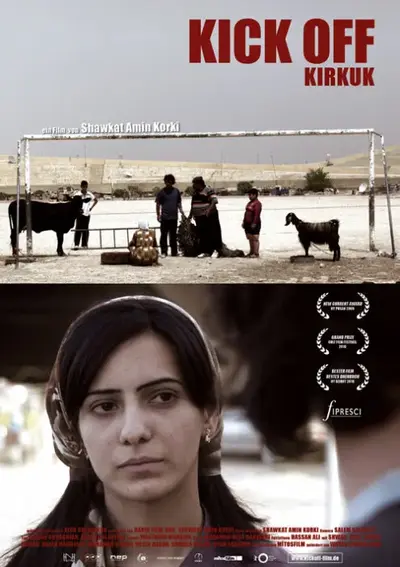
- Kick Off (dir. Shawkat Amin Korki, 2009) Trailer (Seen 👁️✔️ )
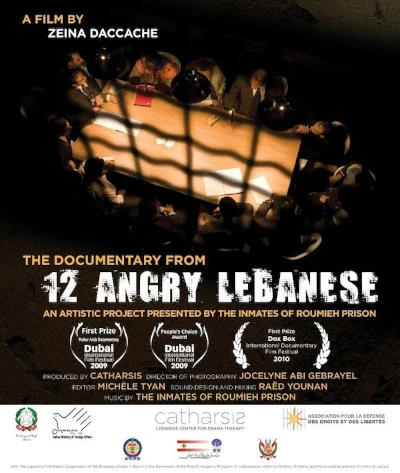
- Twelve Angry Lebanese (dir. Zeina Daccache, 2009) (Seen?⏳❌ )
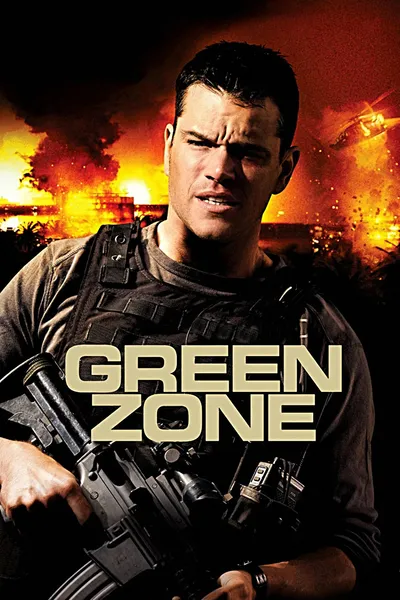
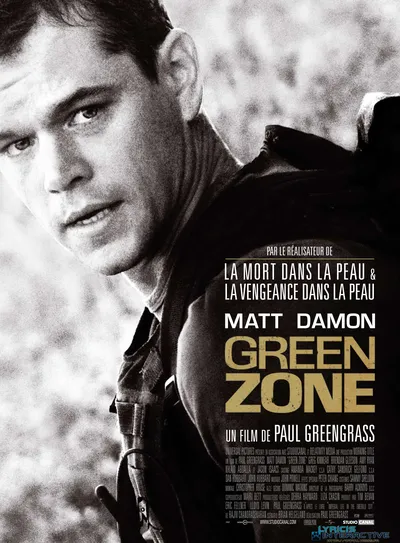
- Green Zone (dir. Paul Greengrass, 2010) Trailer (Seen?⏳❌ )
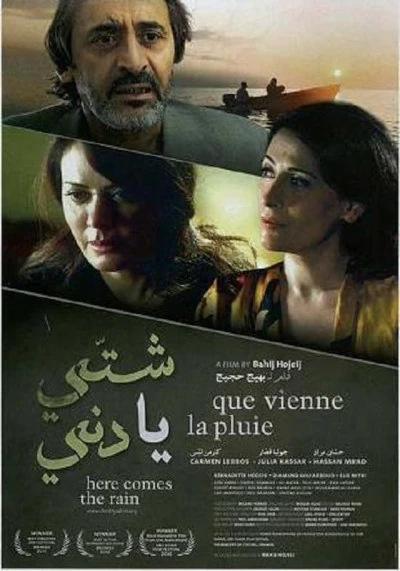
- Here Comes the Rain ("Shtty ya Duni" - Get Lost, My World - شتّي يا دني) (dir. Bahij Hojeij, 2010) Trailer (Seen 👁️✔️ )
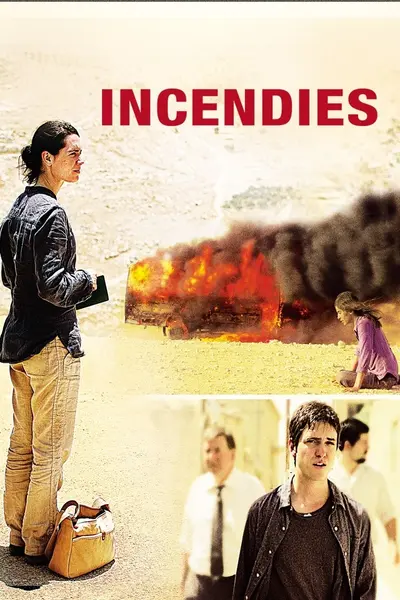
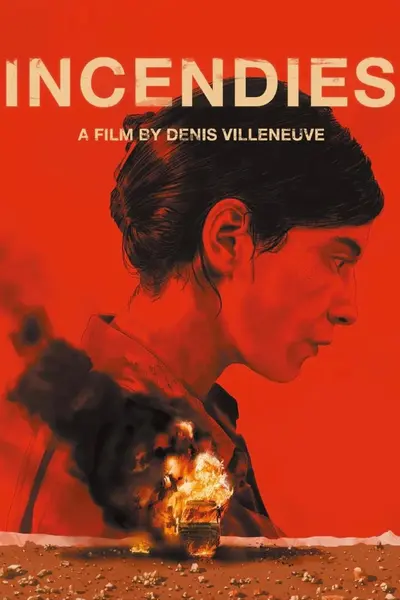
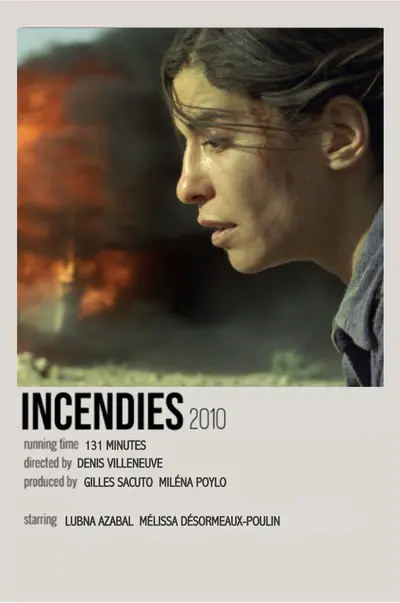
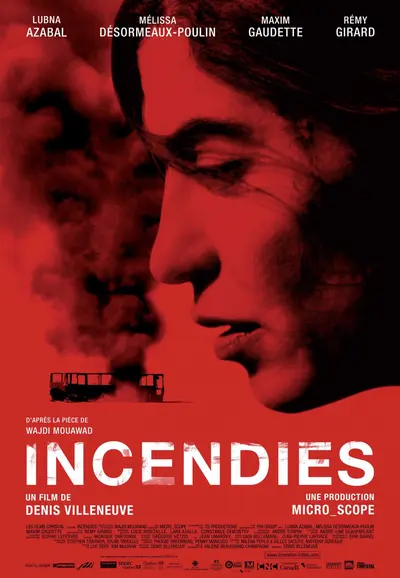
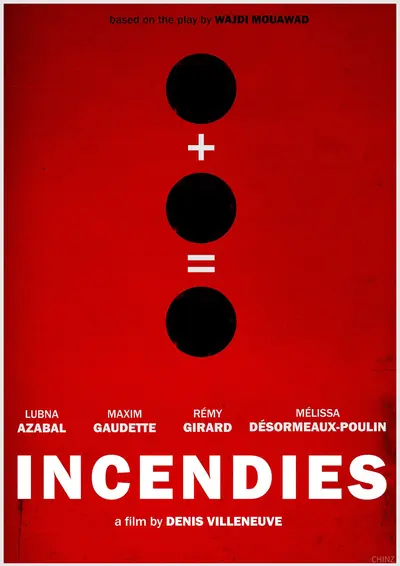
- Incendies (dir. Denis Villeneuve, 2010) Trailer (Seen 👁️✔️ )
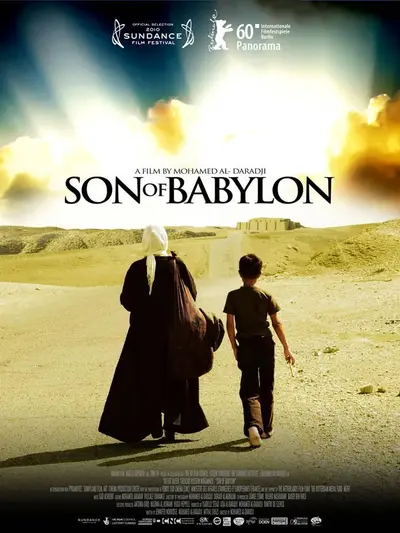
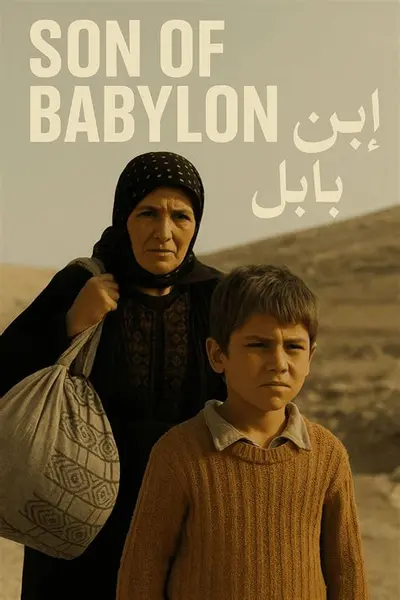
- Son of Babylon ("Ibn Babil" - ابن بابل) (dir. Mohamed Al-Daradji, 2010) Watch on Youtube (Seen 👁️✔️ )
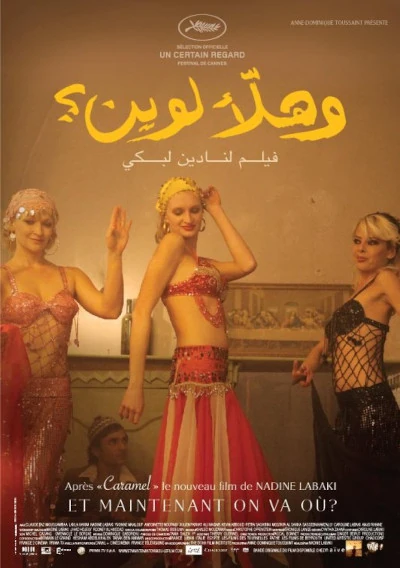
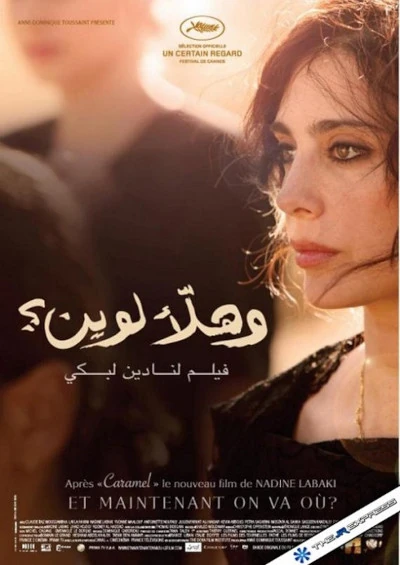
- Where Do We Go Now? ("w halla' la wayn" - وهلأ لوين) (dir. Nadine Labaki, 2011 - Interview) Trailer (Seen 👁️✔️ )
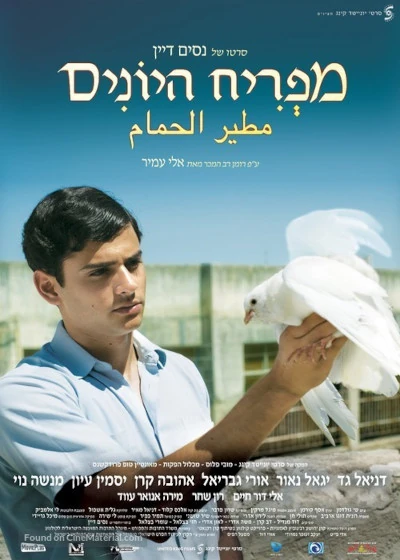
- Farewell Baghdad ("Muṭayr al-Ḥammām" - مطير الحمام ; "Mafti'ah haYonim" - The Dove Flyer - מפריח היונים) (dir. Nissim Dayan, 2013) Trailer (Seen 👁️✔️ )
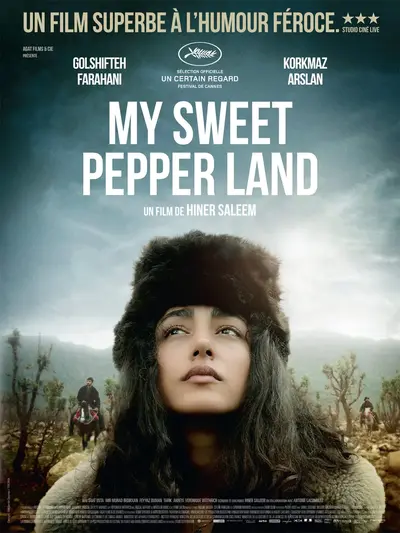
- My Sweet Pepper Land ("Wilatê Tijê Şîrînêkem" - وڵاتە تیژە شیرینەکەم) (dir. Hiner Saleem, 2013 - Interview) Watch on Youtube (Seen 👁️✔️ )
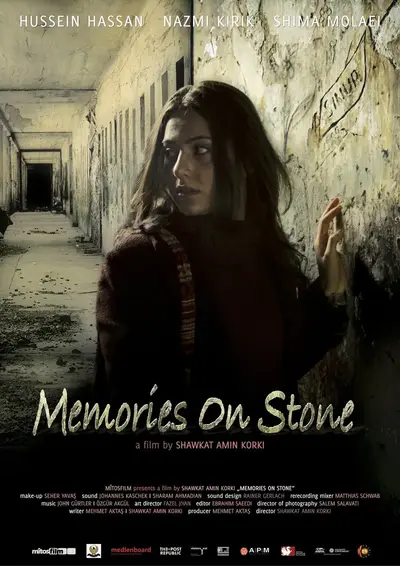
- Memories On Stone (Bîranînên li ser kevirî) (dir. Shawkat Amin Korki, 2014 - Interview) Trailer (Seen 👁️✔️ )
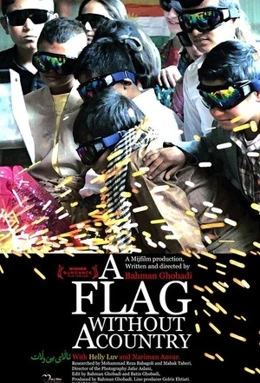
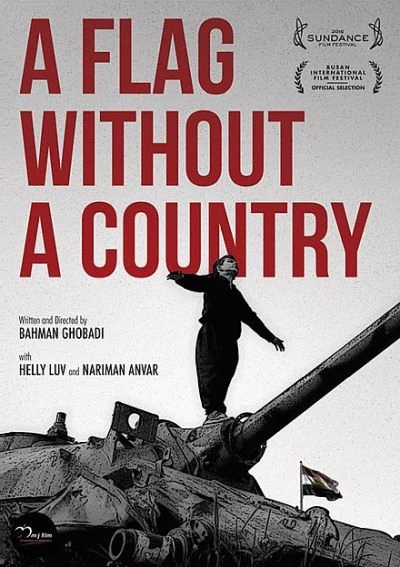
- A Flag Without a Country ("Iallaî bê wllat" - ئاڵای بێ وڵات) (dir. Bahman Ghobadi, 2015 - Interview) Watch on Youtube (Seen 👁️✔️ )
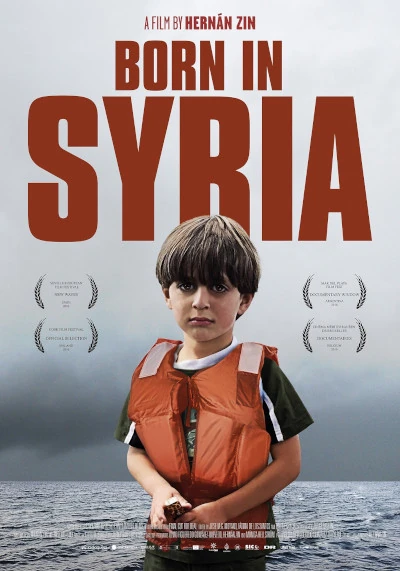
- Born in Syria (2016) (Seen 👁️✔️ )
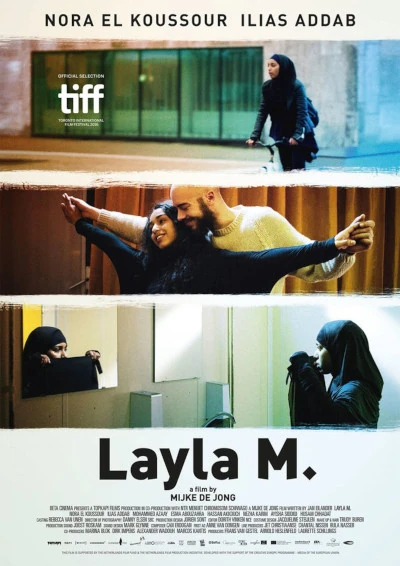
- Layla M (dir. Mijke de Jong, 2016) Trailer (Seen 👁️✔️ )
- Remember Baghdad (dir. Fiona Murphy, 2016) Trailer (Seen 👁️✔️ )
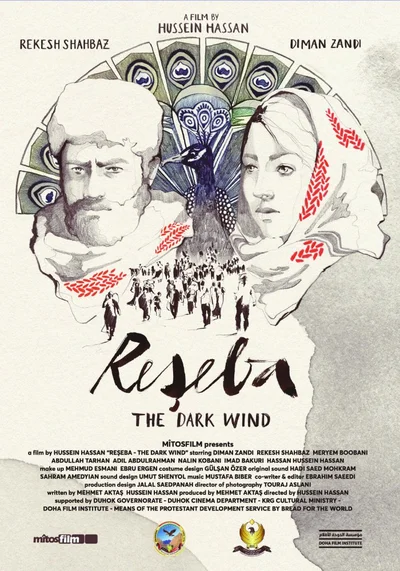
- Reseba: The Dark Wind (ڕەشەبا) (dir. Hussein Hassan Ali, 2016) Watch on Youtube (Seen 👁️✔️ )
- The Flower of Aleppo ("Zahrat Halab" - زهرة حلب) (dir. Ridha Behi, 2016) Trailer (Seen 👁️✔️ )
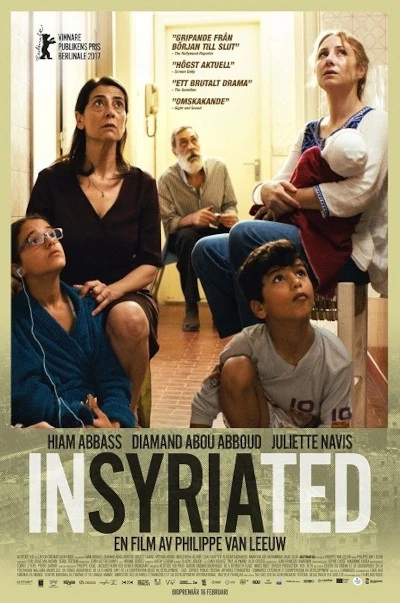
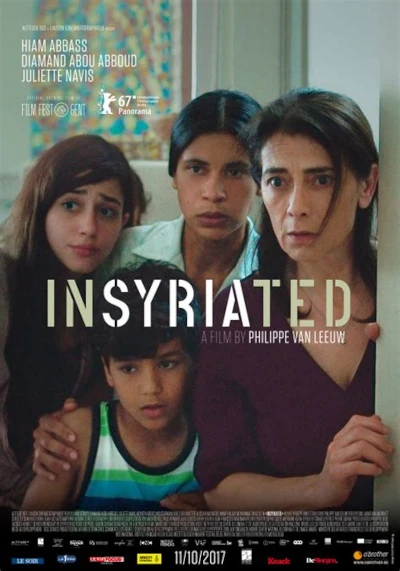
- Insyriated ("Fi Suria" - In Syria - في سوريا) (dir. Philippe Van Leeuw, 2017 - Interview) Trailer (Seen?⏳❌ )
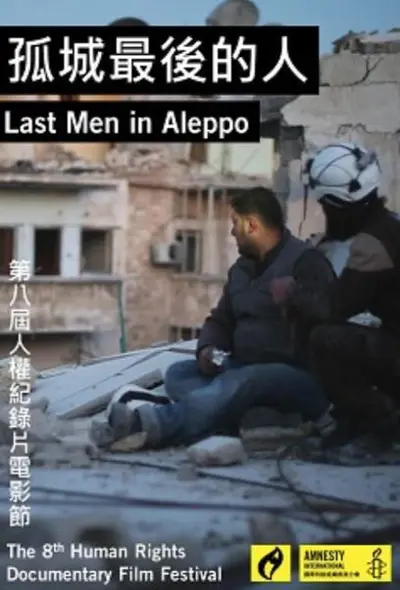
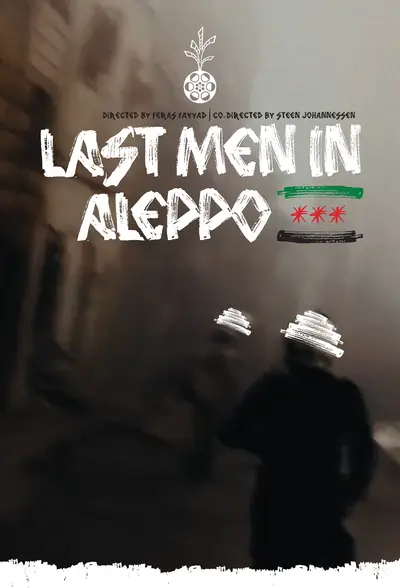
- Last Men in Aleppo ("Ākhir al-Rijāl fī Ḥalab" - آخر الرجال في حلب) (dir. Feras Fayyad and Steen Johannessen; 2017) (Seen?⏳❌ )
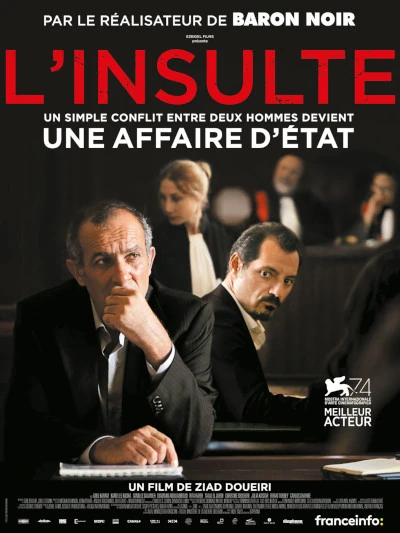
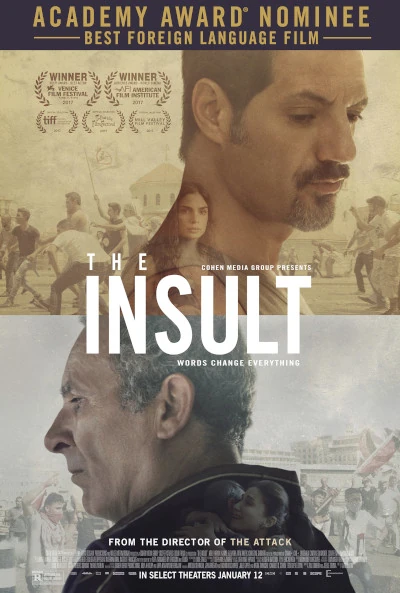
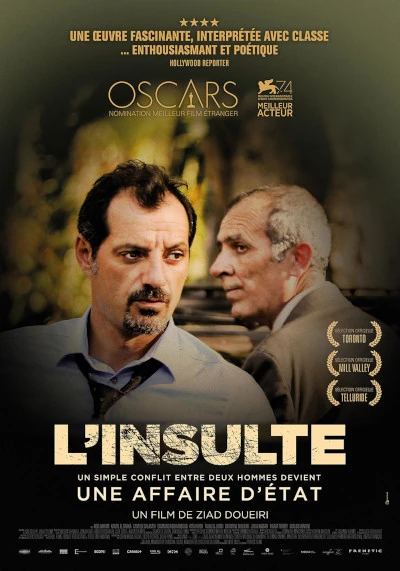
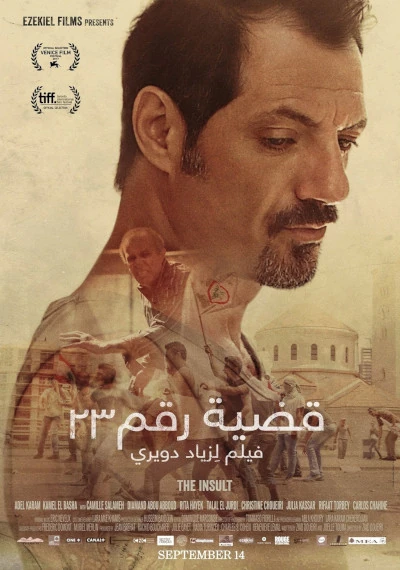
- The Insult ("Qadiyya raqm 23" - Case No. 23 - قضية رقم ٢٣) (dir. Ziad Doueiri, 2017 - Interview) Trailer (Seen 👁️✔️ )
- Beirut (dir. Brad Anderson, 2018) Trailer (Seen 👁️✔️ )
- Capernaum ("Cafarnaüm" - كفرناحوم) (dir. Nadine Labaki, 2018 - Interview) Trailer (Seen 👁️✔️ )
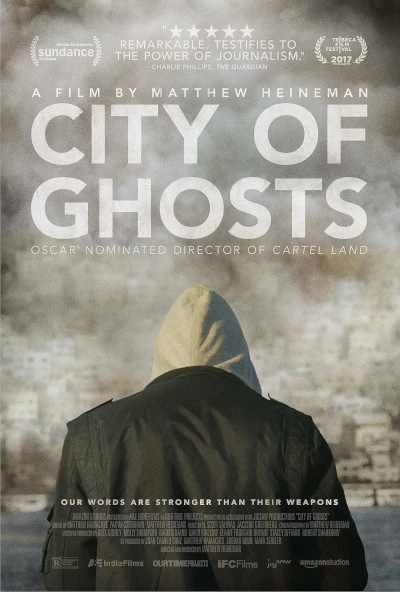
- City of Ghosts (dir. Matthew Heineman, 2018) (Seen?⏳❌ )
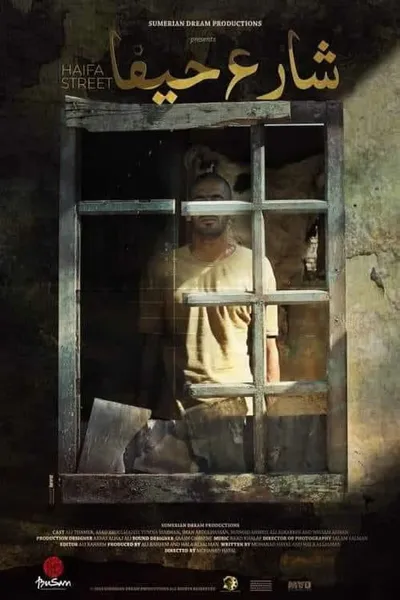
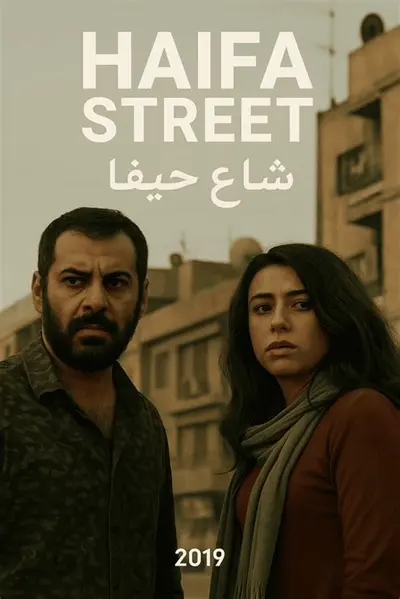
- Haifa Street ("Shari' Haifa" - شارع حيفا) (dir. Mohanad Hayal, 2019 - Interview) Trailer (Seen 👁️✔️ )
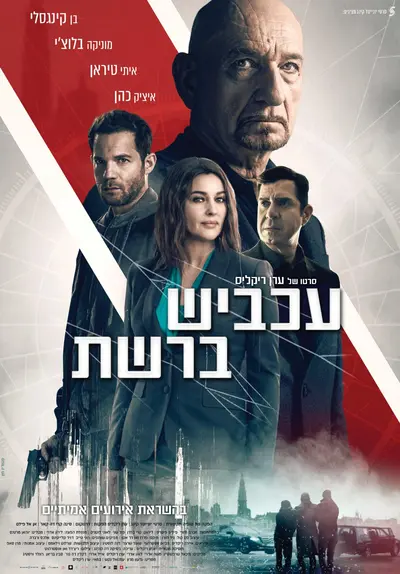
- Spider in the Web (dir. Eran Riklis, 2019) Trailer (Seen?⏳❌ )
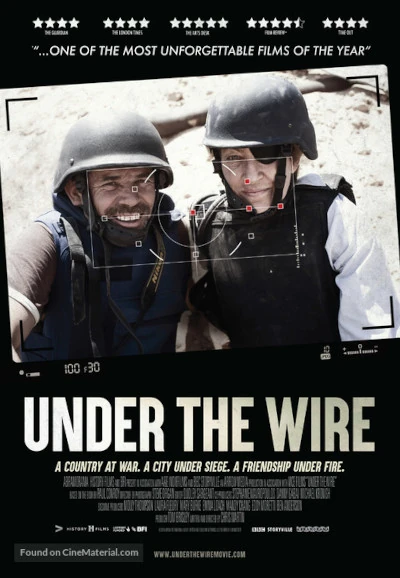
- Under The Wire (dir. Chris Martin, 2019) (Seen?⏳❌ )
- An Army of Sons (2020) (Seen?⏳❌ )
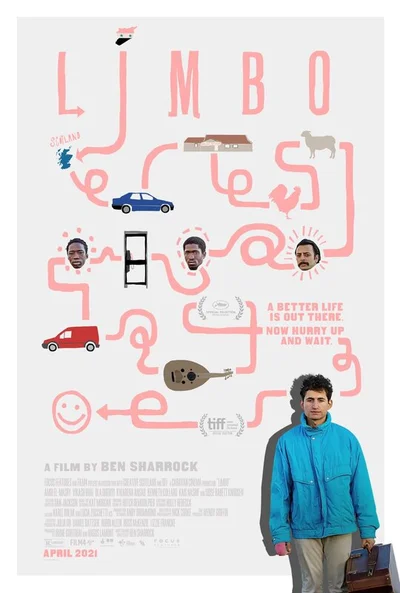
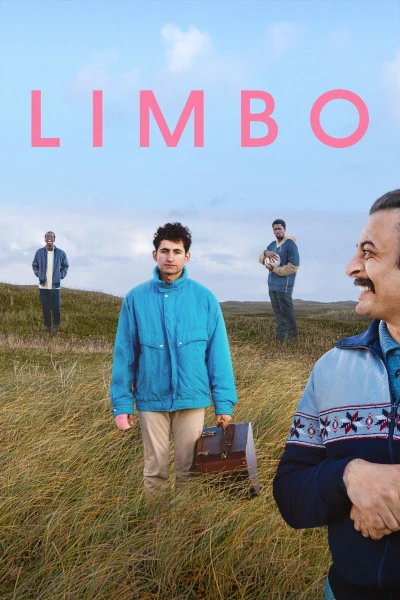
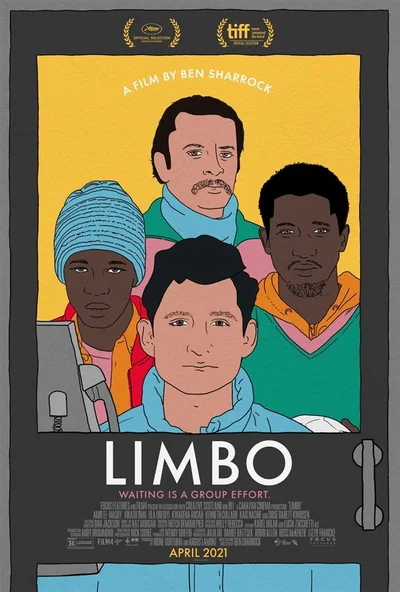
- Limbo (dir. Ben Sharrock, 2020 - Interview) Trailer (Seen 👁️✔️ )
- Costa Brava, Lebanon ("Kusta Brafa, Lubnan" - كستا برافا، لبنان) (dir. Mounia Akl, 2021 - Interview) Trailer (Seen 👁️✔️ )
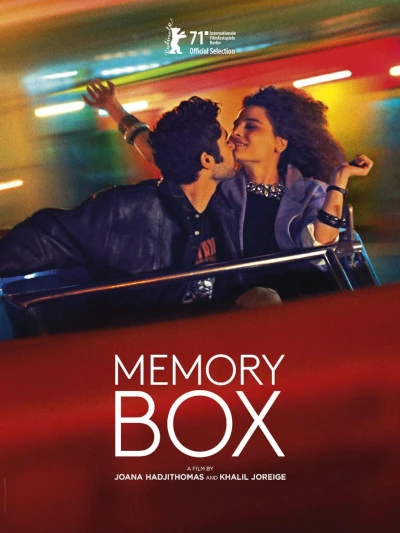
- Memory Box (dir. Joana Hadjithomas and Khalil Joreige, 2021 - Interview) Trailer (Seen 👁️✔️ )
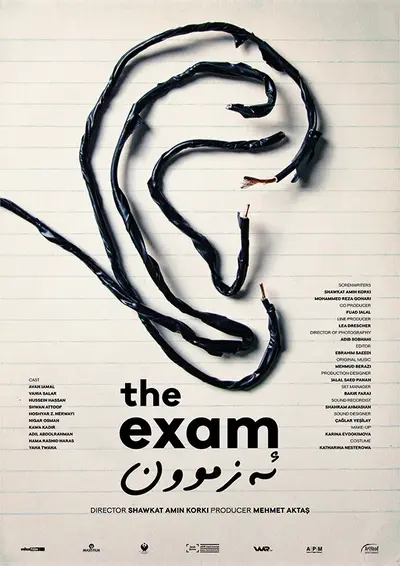
- The Exam ("Ezmûn" - ئەزموون) (dir. Shawkat Amin Korki, 2021) Trailer (Seen 👁️✔️ )
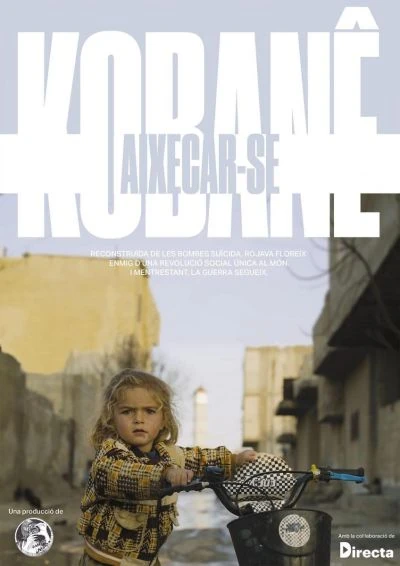
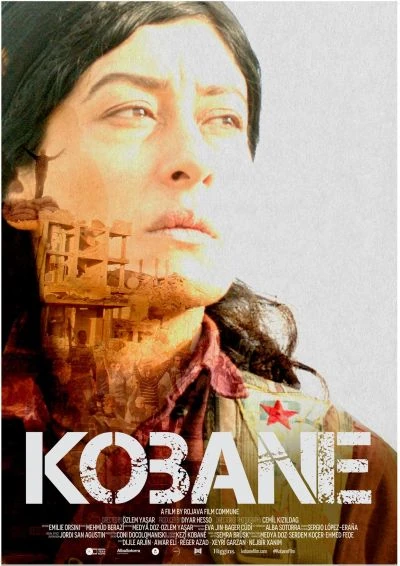
- Kobanê (dir. Özlem Yasar, 2022) Watch on Youtube (Seen 👁️✔️ )
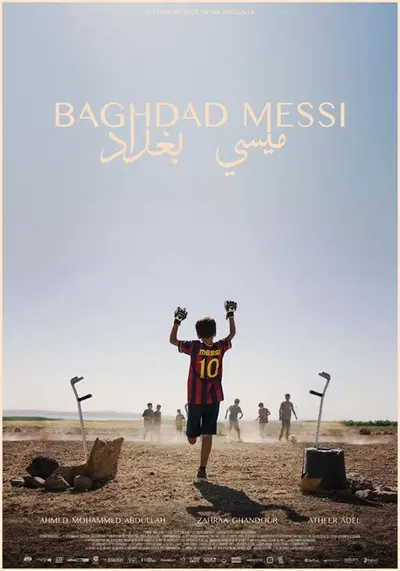
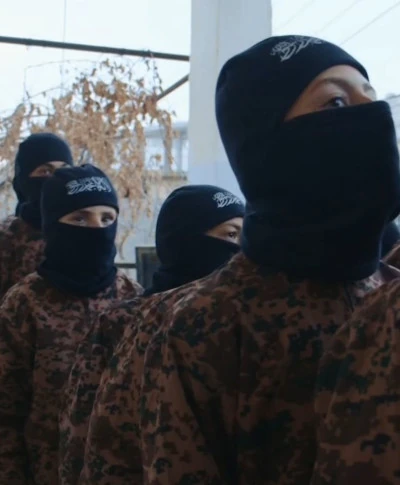
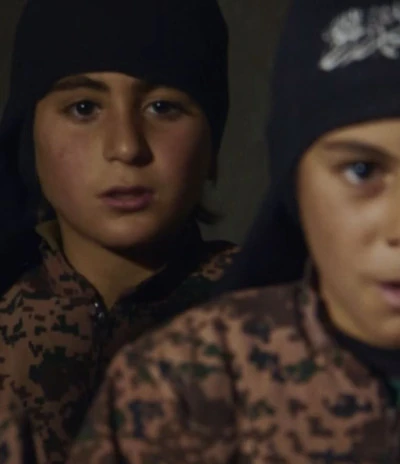
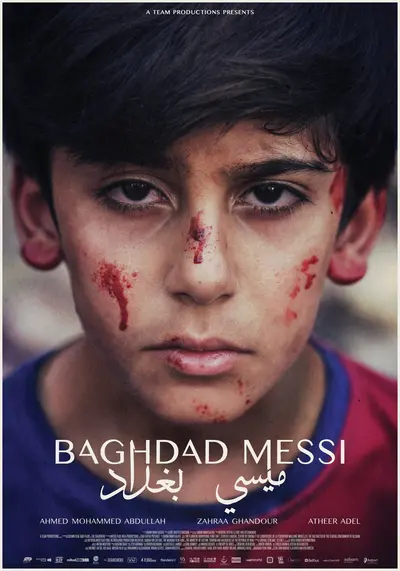
- Baghdad Messi (ميسي بغداد) (dir. Sahim Omar Kalifa, 2023) Trailer (Seen 👁️✔️ )
















Films from/about the Arabian Peninsula
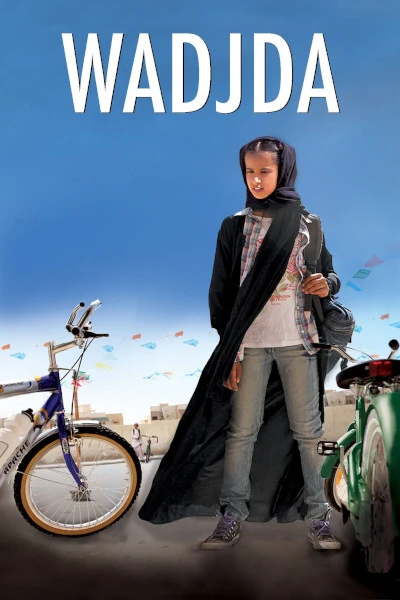
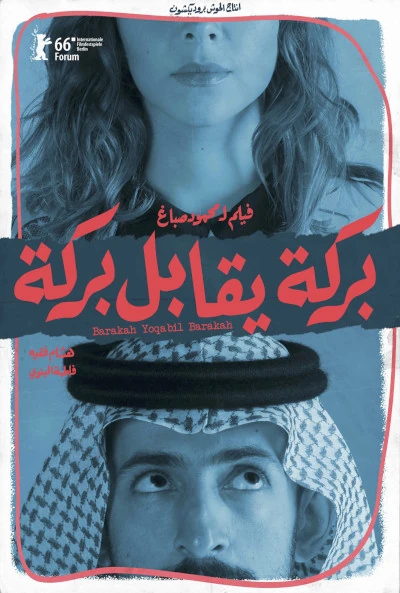
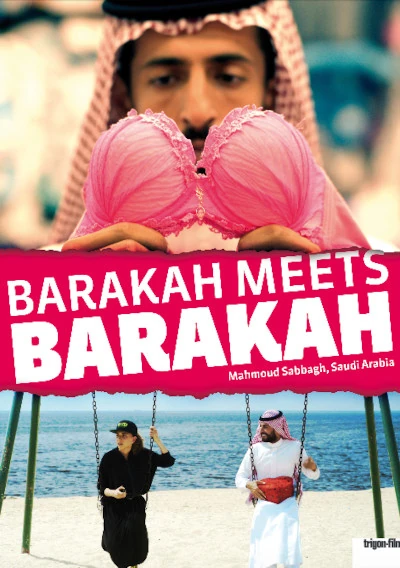
I gotta be honest. Before I started this project it had not occurred to me that there was the possibility of a film coming out of Saudi Arabia. I was wrong. There are two lovely Saudi films on this list - Wadjda and Barakah Meets Barakah. However, I should point out that they were made before MBS’s hostile takeover. I imagine the possibilities for expression are severely reduced now from what they were when those films were made. If the sportswashing is working on you, you’re probably not reading this anyway. Two of the films are about a conflict which we have mostly forgotten in the last decade - Yemen. I don’t know anything about it, other than that the Houthis are there. I’ll try to learn something.
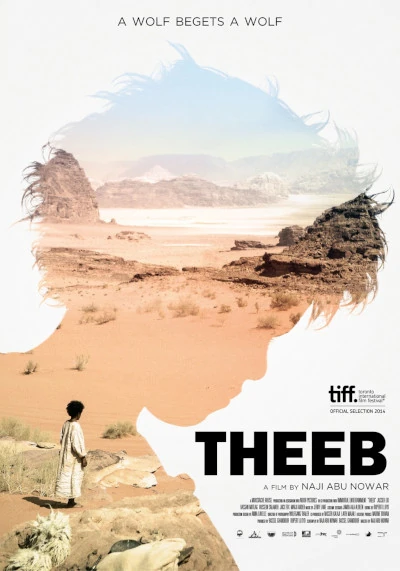
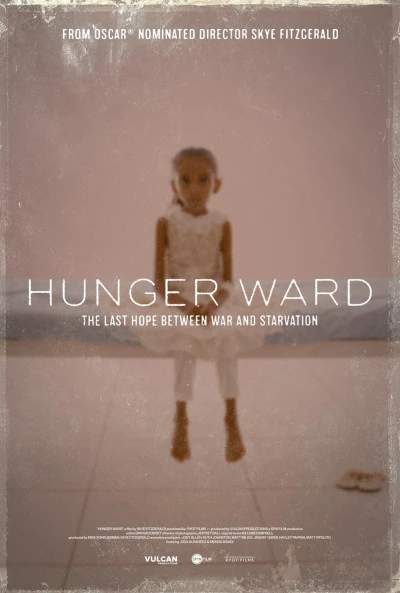
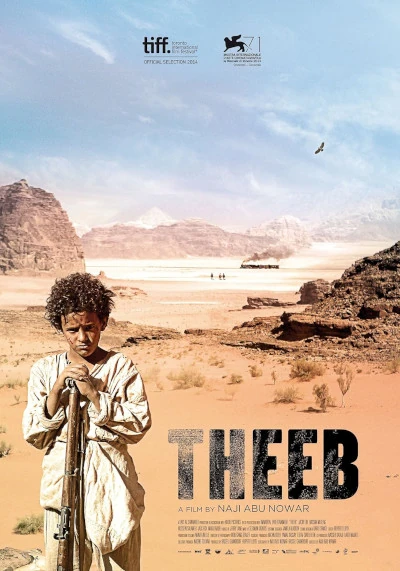
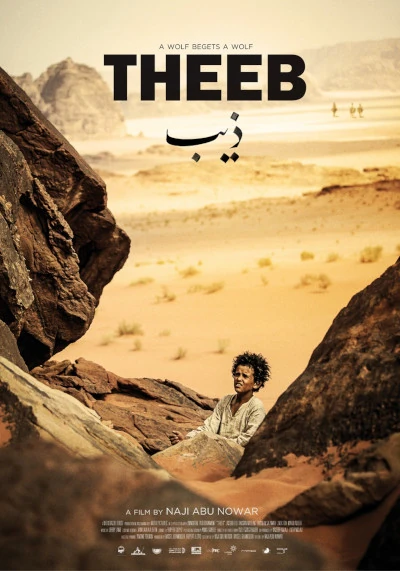
Don’t get the wrong idea, by the way, about one of the films on this list. I’m WELL aware, from pre-reading about it, and from watching only two minutes of it, that Al-Kameen is a propaganda film. I’m going to watch it alongside Hunger Ward, a warts and all documentary about the war in Yemen. Theeb was made in Jordan, but it’s very much about the Hejaz, and is pretty much the only film on either list which harks right back to the pre-1948 historical roots of the Israeli-Arab conflict (albeit that it’s only a quite oblique reference).
Only 7 films in this section.
- Wadjda (وجدة) (dir. Haifaa Al-Mansour, 2012 - Interview) Trailer (Seen 👁️✔️ )
- Theeb (Wolf - ذيب) (dir. Naji Abu Nowar, 2014) Trailer (Seen 👁️✔️ )
- Barakah Meets Barakah ("Baraka yuqabil Baraka" - بركة يقابل بركة) (dir. Mahmoud Sabbagh, 2016) Trailer (Seen 👁️✔️ )
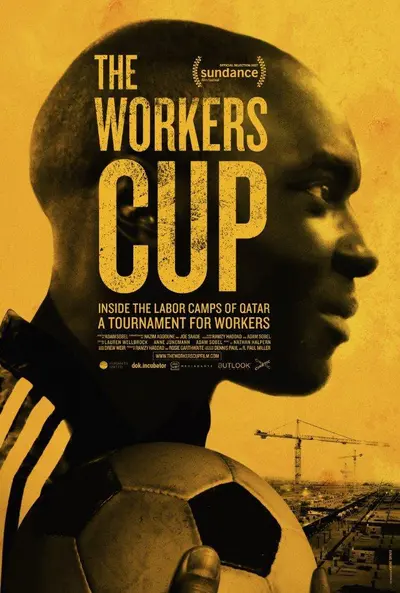
- The Workers' Cup (dir. Adam Sobel, 2017) Trailer (Seen 👁️✔️ )
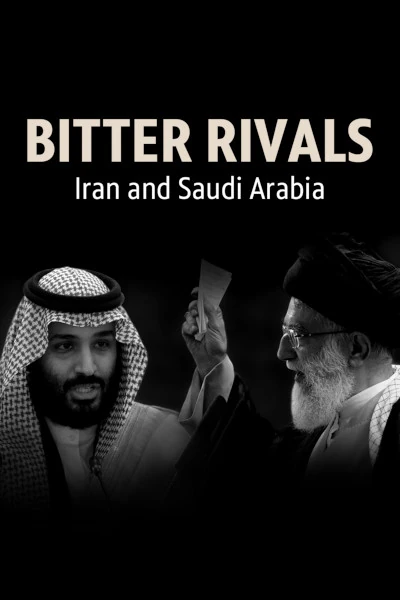
- Bitter Rivals: Iran and Saudi Arabia (2018) Trailer (Seen 👁️✔️ )
- Hunger Ward (dir. Skye Fitzgerald, 2020) Trailer (Seen?⏳❌ )
- Al-Kameen (The Ambush - الكمين) (2021) Trailer (Seen?⏳❌ )

Films from/about Iran
Apologies for any inconsistent transliteration of the Farsi - I just lifted them from Wikipedia, and there’s more than one convention for the transliteration of Farsi. What to say? As we stand, it all starts (and for some, it finishes) with Iran versus Israel. Apart from talking about the mad apocalyptic geopolitics between the two regimes (and, crucially, NOT the peoples), and the crappy internal politics of both countries, Iran produces beautiful and deeply contemplative films which are worth watching for their own sake and in their own right, not only for the political or historical commentary. Iran has justly become considered, over the course of several decades, to be one of the treasure houses of artistic cinema.
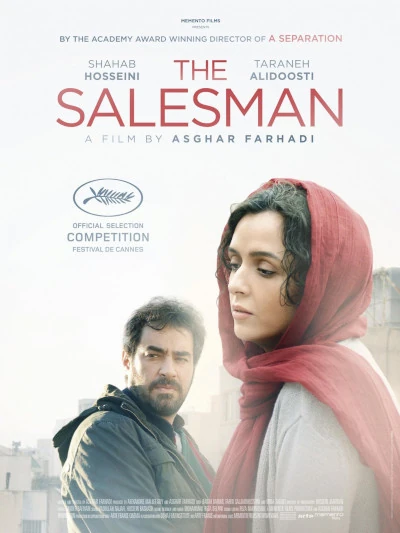
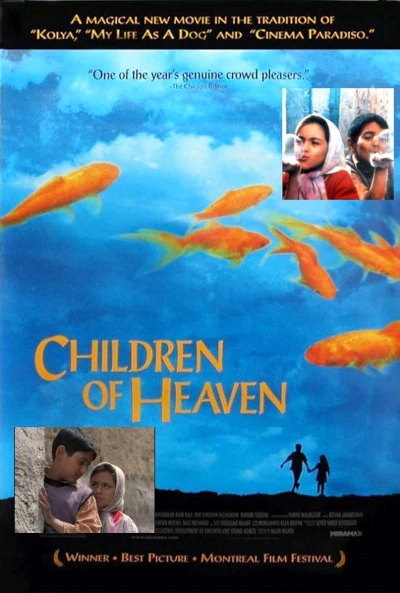
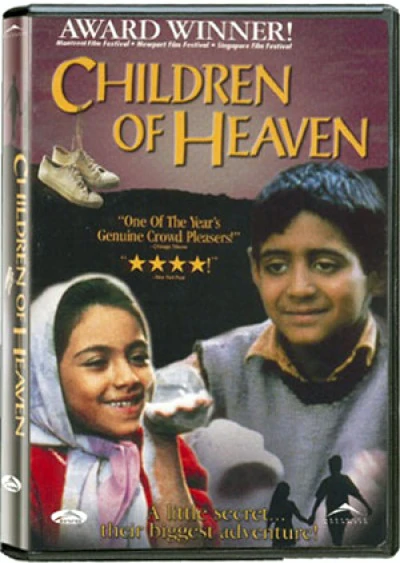
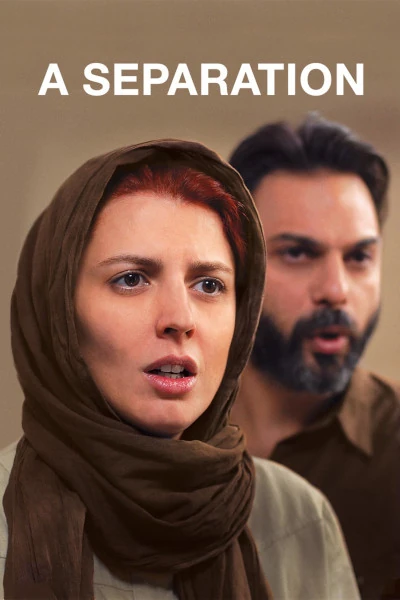
Iranian films can be a bit strange for the beginner. The apparently reduced stylistics and lack of artifice can leave the Western viewer expecting something which they will not find there. Early on in the project I wrote one short post about one of the more typical films, Children of Heaven, and then came back two years later to write a much longer post about a larger selection of Iranian films, some of which fall outside that characterisation. We can say that the films of Asghar Farhadi are a decent way into Iranian cinema. They combine Iranian cinematic aesthetics with themes that are recognisable enough for a Western audience.
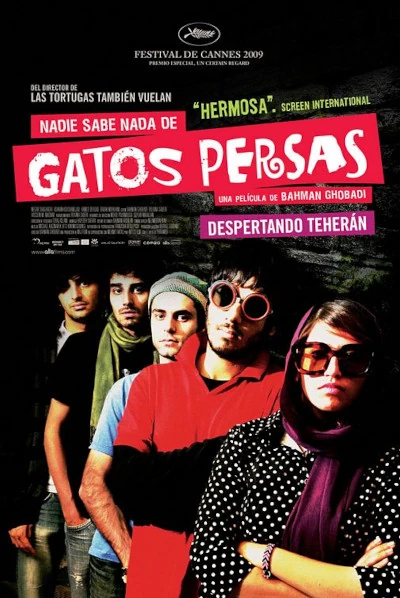
Note that you can in fact find quite a few of these films, in full, on YouTube. I just want to say that I’ve added the links here, but that I have absolutely no idea about whether there are copyright issues. If the links don’t work for you, then very possibly there was an issue with that film, but I rather guess that the situation is similar to that pertaining to a lot of Russian films which you can easily find on YouTube, and that whatever copyright law exists is pretty flexible for these movies. It’s also possible, in some cases, that because of the censorship in Iran the makers decided to put the films on YouTube for free, to provide an easy way for people to find them (albeit that it’s of course not easy at all in Iran these days to get onto YouTube). I just don’t know. There’s little point expecting super HD video quality, or amazing sound. Nor do I have any idea if the subtitles will always be consistent or anything close to accurate!

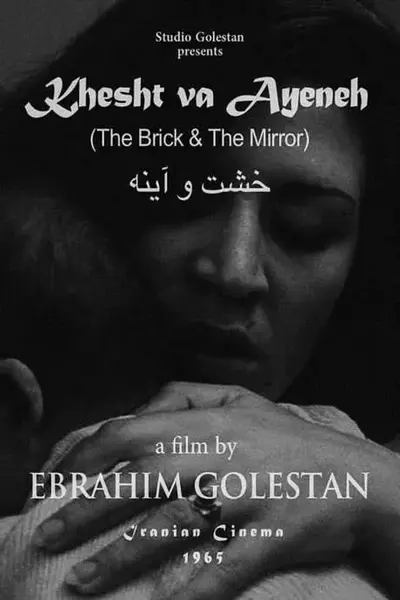
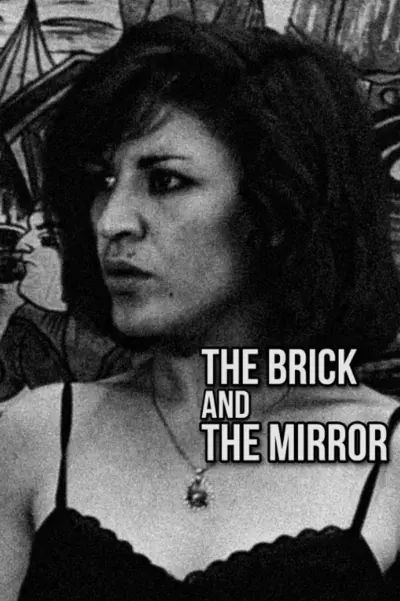
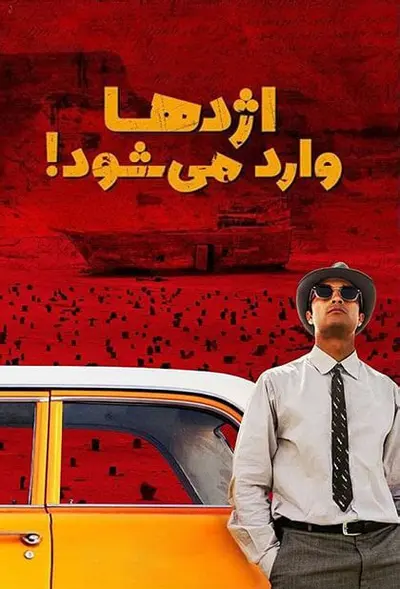
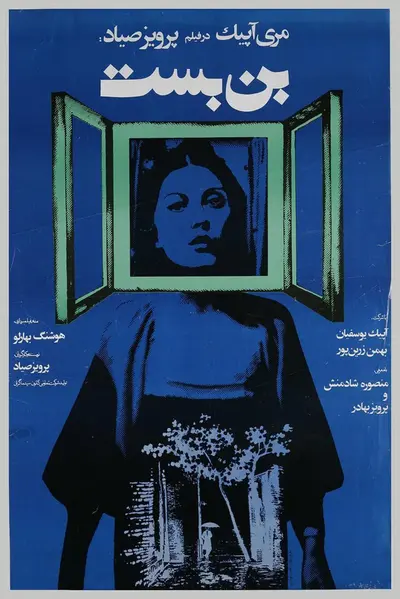
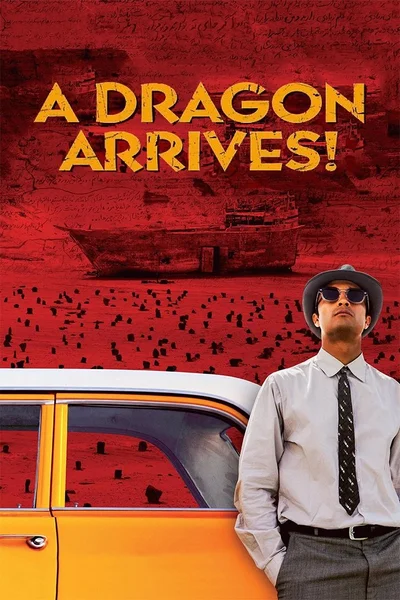
It took a bit of digging to find some films, of course, and especially the older pre-revolutionary ones can be challenging to locate. Many of them are on YouTube, as you see, but often without subtitles, so there’s more research involved to get everything you need to watch. It was watching and writing about Mani Haghighi’s A Dragon Arrives! that took me back to the pre-revolutionary period. At many points in that film, Haghighi references his grandfather Ebrahim Golestan’s Brick and Mirror. Because I got obsessed, in order to write properly about Haghighi’s film I had to go back and watch Golestan’s. After that, curiosity was piqued, and this blog post by Andrej Chovanec was very helpful.
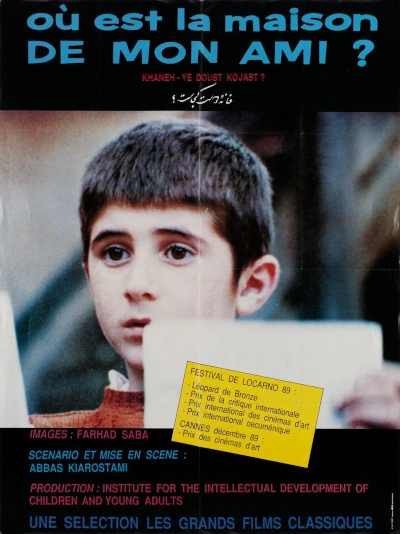
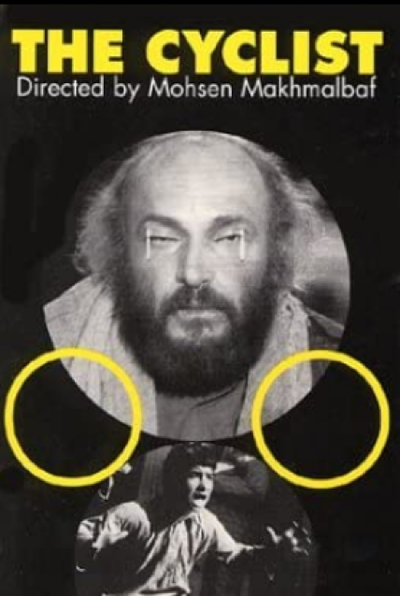
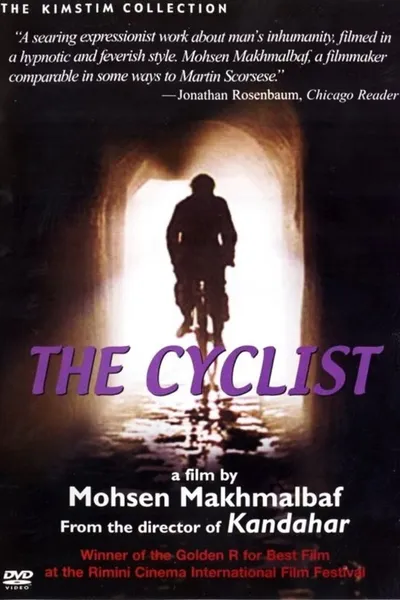
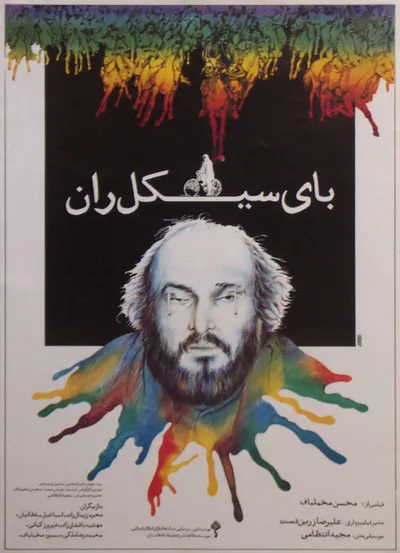
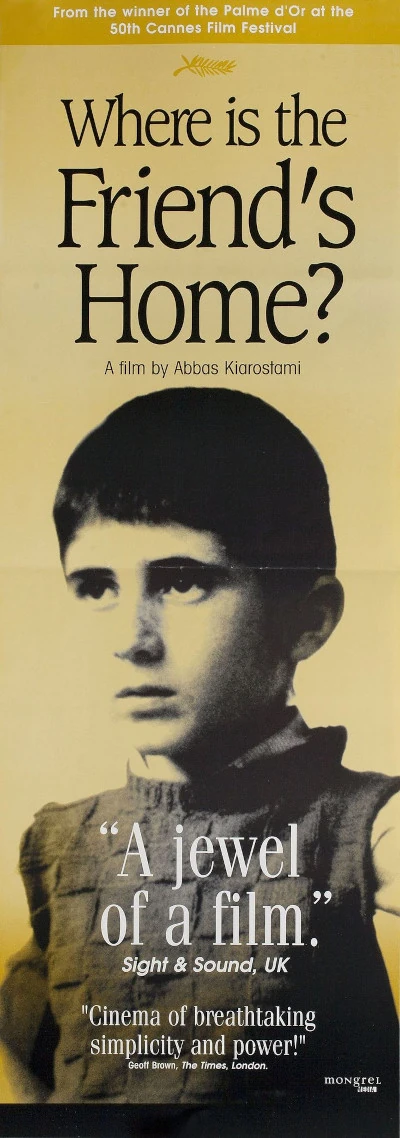
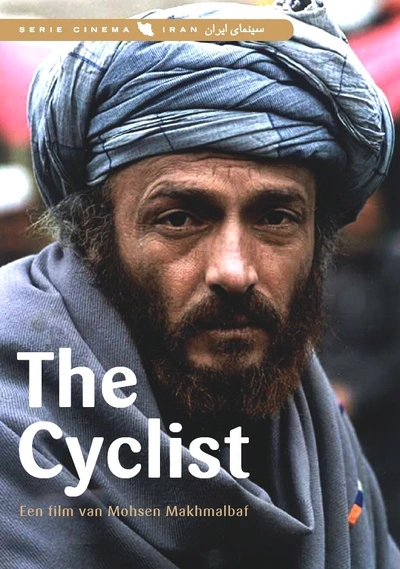
Attentive readers will notice that there are plenty of films listed here from the 1970s. It seems that there was plenty of output, despite the restrictions of the late Pahlavi regime. And then production falls through the floor in the 80s. The reasons should be obvious enough. Restrictions from the Islamic regime which turned out to be no more liberal, and of course in many ways significantly less so, than those of the Shah’s guys, caused many filmmakers to give up and leave Iran, or just to go silent. On top of that, there was of course the small matter of an eight-year-long murderous attritional war with Iraq. Unsurprising that resources were not available for contemplative film-making, even if the government had been more open-minded than it was. The real wonder of it was that the film industry was able to blossom so quickly after the war ended. Two films made in 1987, while the war was still ongoing - Abbas Kiarostami’s Where is the Friend’s Home?, and Mohsen Makhmalbaf’s The Cyclist - had a lot to do with that.
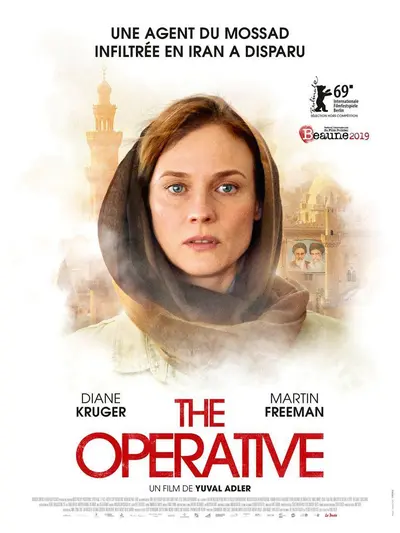
Final note - I’ve also added a few films to this list which were made in the West, and which will be at least one or all of the following
- hostile to the regime of the Islamic Republic
- orientalising (hence also to be found in the corresponding section)
- dehumanising
Let it be clear, then, that I’m not especially endorsing these films (even if they’re not all baaaad films), but just that since they are about Iran they belong here alongside some far more worthy films.
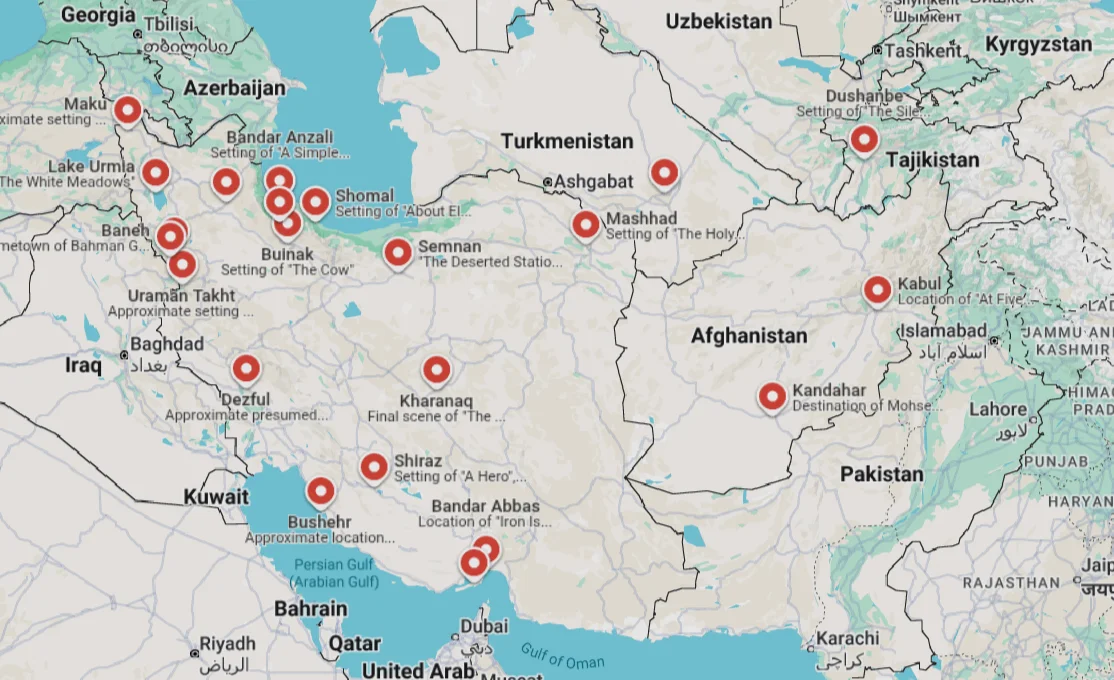
Note, also, that while watching these films, unfamiliar as I was with the geography of Iran, I created a small non-exhaustive list on Google Maps of settings for some films, some of them confirmed 100%, some of them very approximate. I'm sharing the list here. Why not? I didn’t bother to add locations for films that are set in Teheran - a very large number of them, of course - simply because I have no knowledge of the place, and so the significance of one particular neighbourhood as opposed to another would mostly escape me. One day, maybe.
111 films in this section.
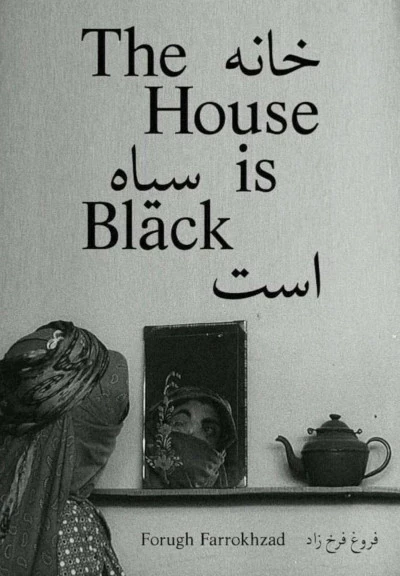
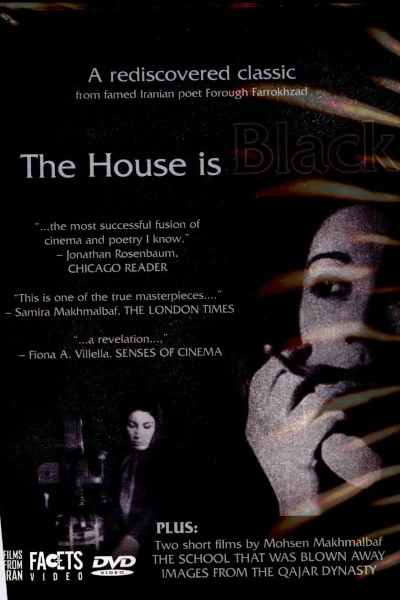
- The House is Black ("Khaneh siah ast" - خانه سیاه است) (dir. Forugh Farrokhzad, 1963) Trailer (Seen 👁️✔️ )
- Brick and Mirror ("Khesht o Ayeneh" - خشت و آینه) (dir. Ebrahim Golestan, 1965) View Film Clip (You can find the whole film, with English subs, on the Internet Archive) (Seen 👁️✔️ )
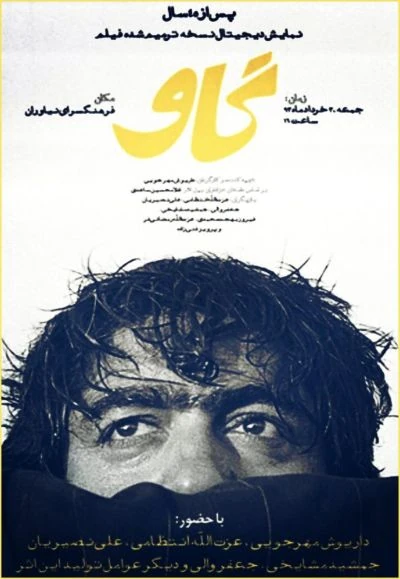
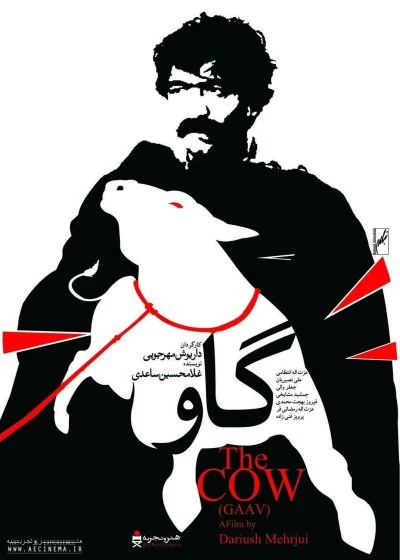
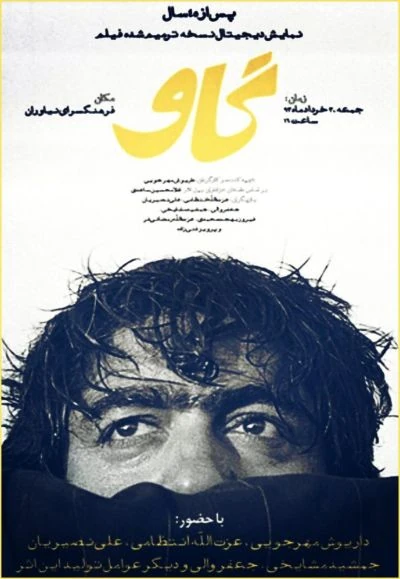
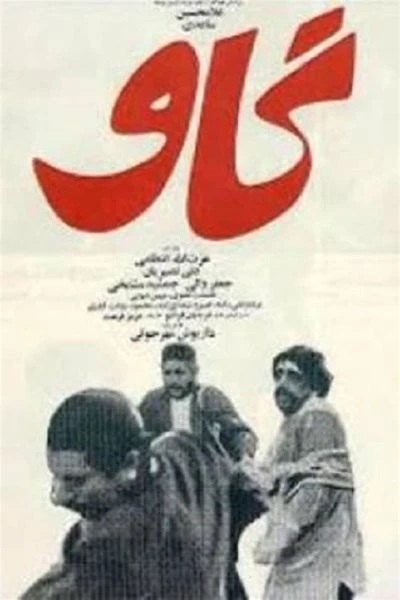
- The Cow ("Gāv" - گاو) (dir. Dariush Mehrjui, 1969 - Interview) Trailer (Seen 👁️✔️ )
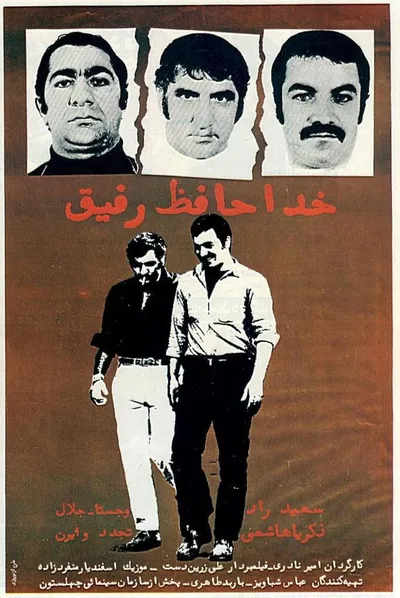
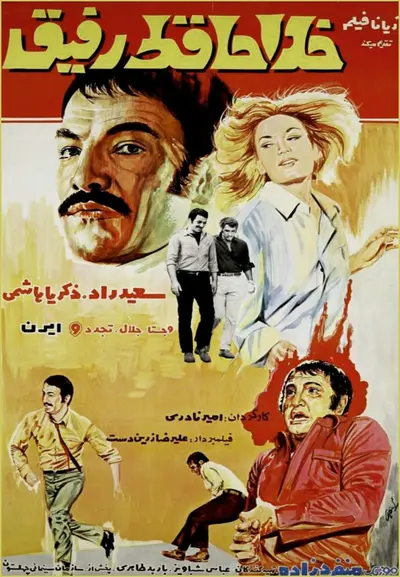
- Goodbye Friend ("Khodahafez Rafigh" - خداحافظ رفیق) (dir. Amir Naderi, 1971) Watch on Youtube (no subtitles - good luck finding!) (Seen?⏳❌ )
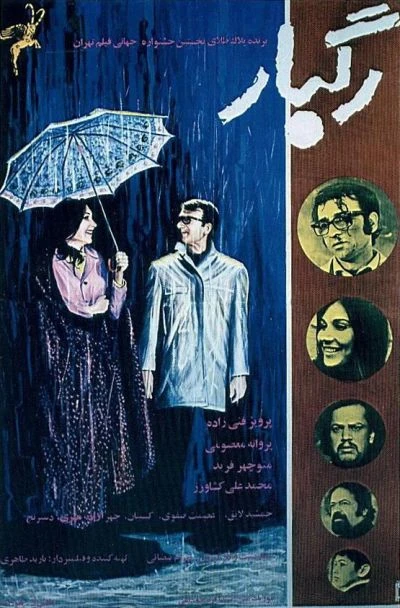
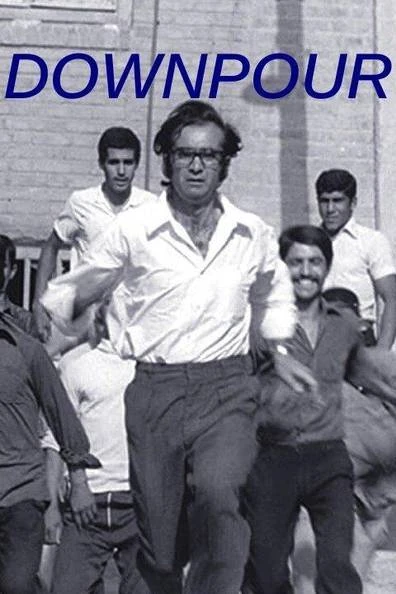
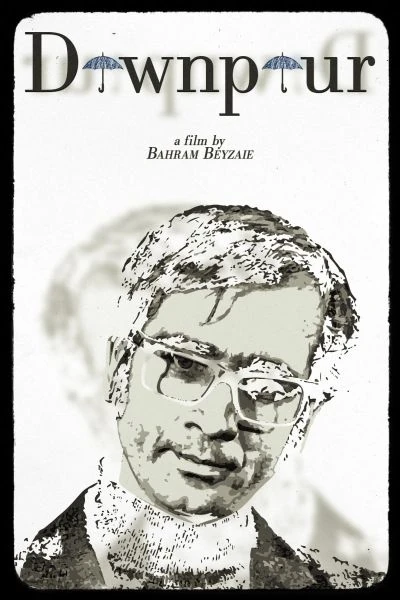
- Downpour ("Ragbār" - Barrage - رگبار) (dir. Bahram Beyzai, 1972) Watch on Youtube (Seen 👁️✔️ )
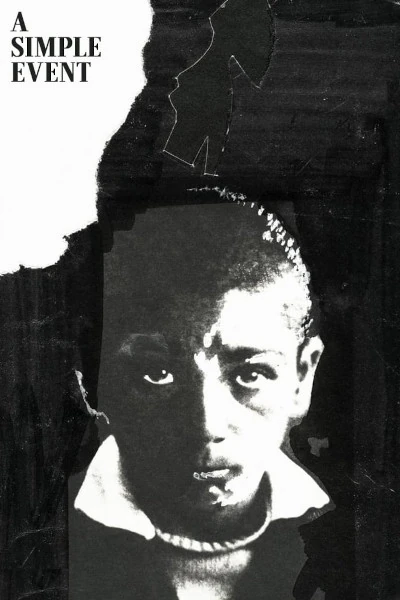
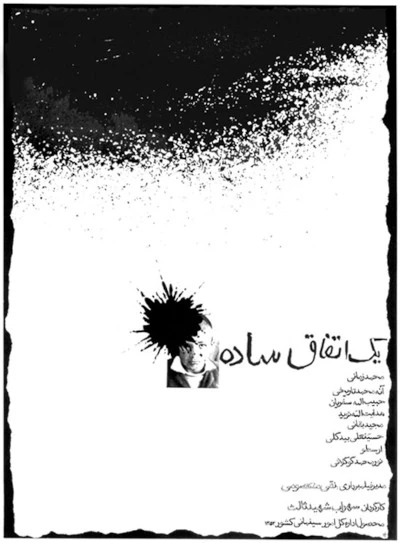
- A Simple Event ("Yek Ettefagh-e Sadeh" - یک اتفاق ساده) (dir. Sohrab Shahid Saless, 1973) Watch on Youtube (no subtitles) (Seen 👁️✔️ )
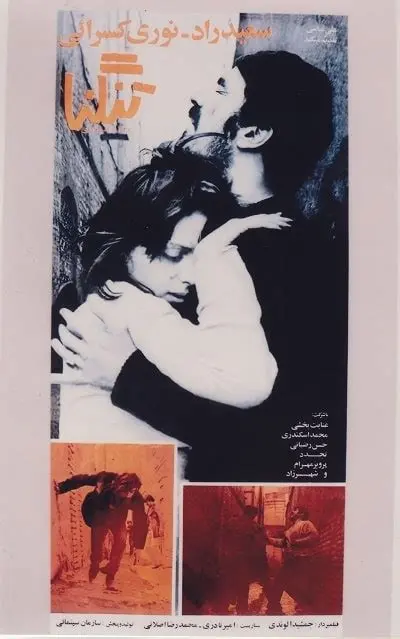
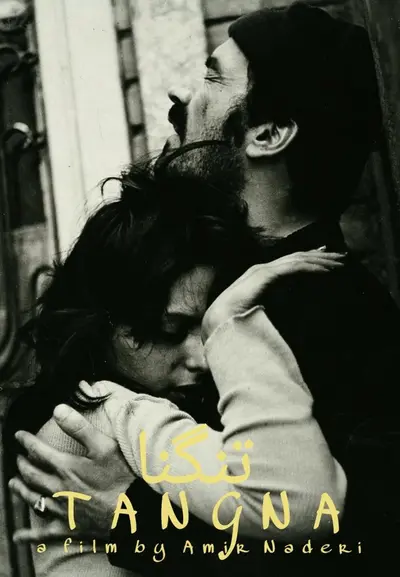
- Tangna (Impasse - تنگنا) (dir. Amir Naderi, 1973) Watch on Youtube (no subs :~\) (Seen?⏳❌ )
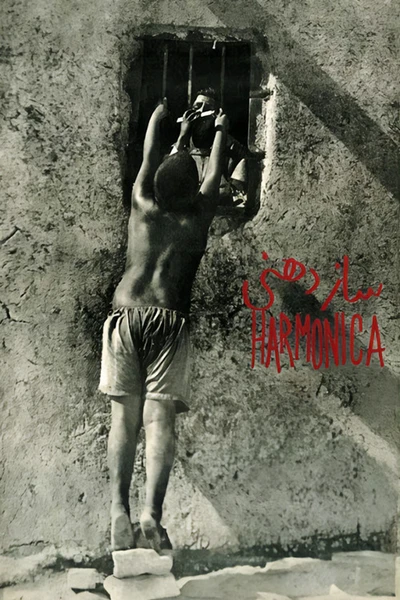
- Harmonica ("Saz Dahani" - ساز دهانی) (dir. Amir Naderi, 1974) Watch on Youtube (Seen 👁️✔️ )
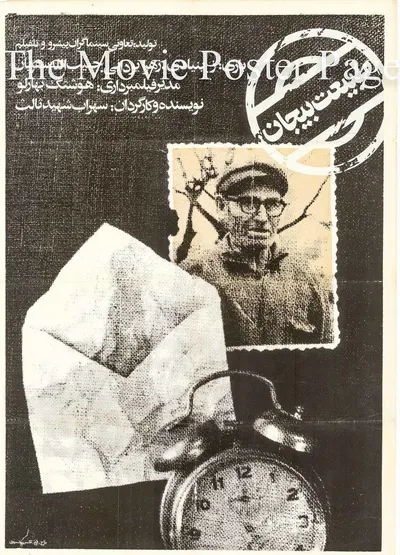
- Still Life ("Tabiate bijan" - طبیعت بیجان) (dir. Sohrab Shahid Saless, 1974) Watch on Youtube (Seen 👁️✔️ )
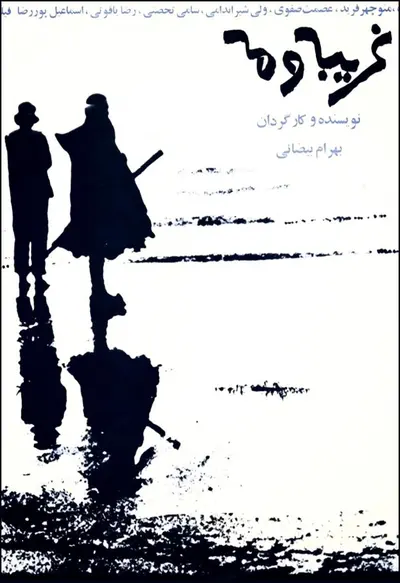
- The Stranger and the Fog ("Gharibe va meh" - غریبه و مه) (dir. Bahram Beyzai, 1974) Trailer (Seen 👁️✔️ )
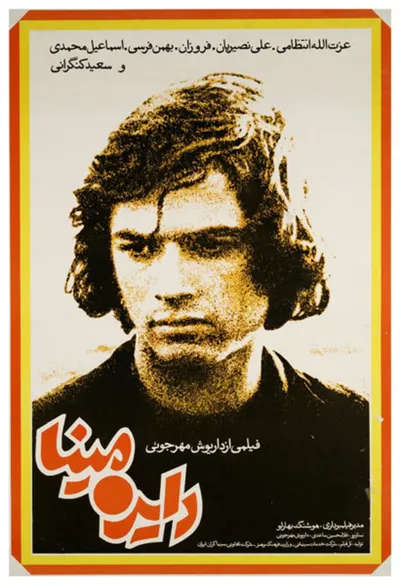
- The Cycle ("Dayereh-ye Mina" - Mina's Circle - دایرهٔ مینا) (dir. Dariush Mehrjui, 1975) Watch on Youtube (No subtitles - good luck finding! I found it with subs on ok.ru - try that if you dare.) (Seen 👁️✔️ )
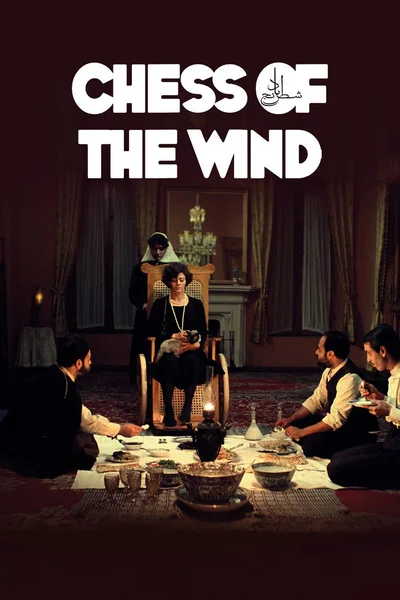
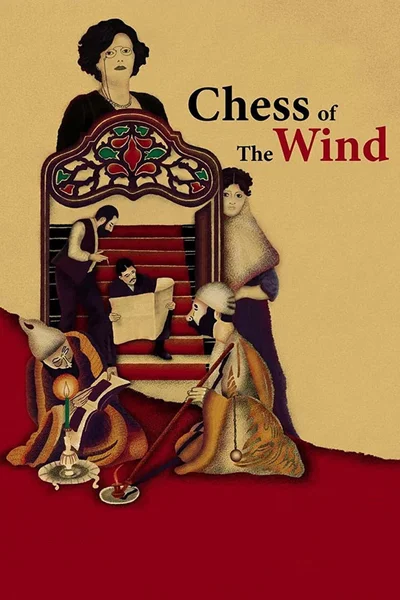
- Chess of the Wind ("Shatranj-e Baad" - شطرنج باد) (dir. Mohammad Reza Aslani, 1976) Trailer (Seen 👁️✔️ )
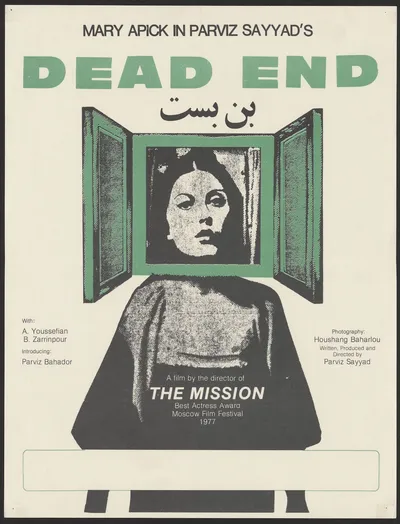
- Dead End ("Bon Bast" - بنبست) (dir. Parviz Sayyad, 1977) Watch on Youtube (no subtitles, but find them on opensubtitles.org) (Seen 👁️✔️ )
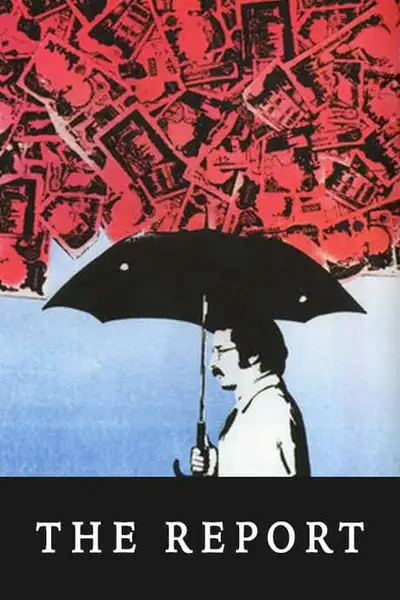
- The Report ("Gozāresh" - گزارش) (dir. Abbas Kiarostami, 1977) Watch on Youtube (Seen 👁️✔️ )
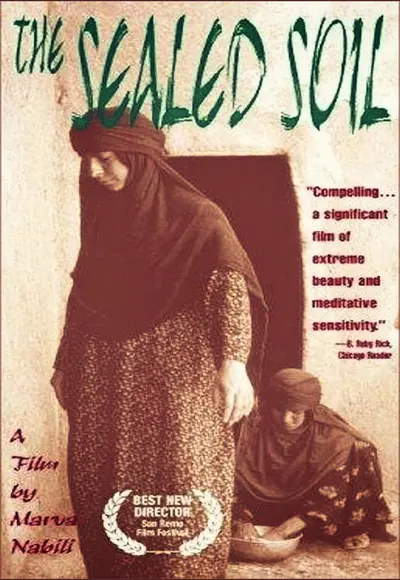
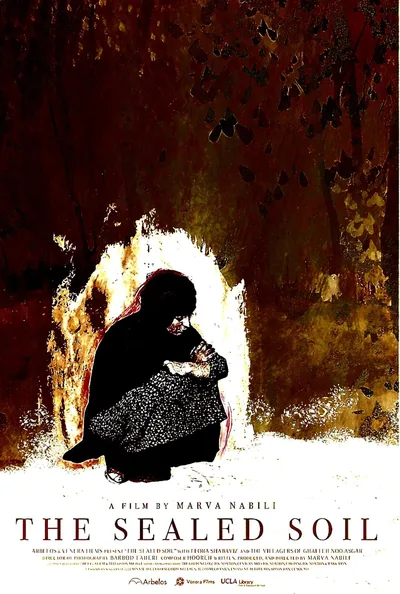
- The Sealed Soil ("Khak-e Sar Behmohr" - خاک سر به مهر) (dir. Marva Nabili, 1977) Watch on Youtube (Abbreviated version and lo-fi video, but with some English subs at least) (Seen 👁️✔️ )
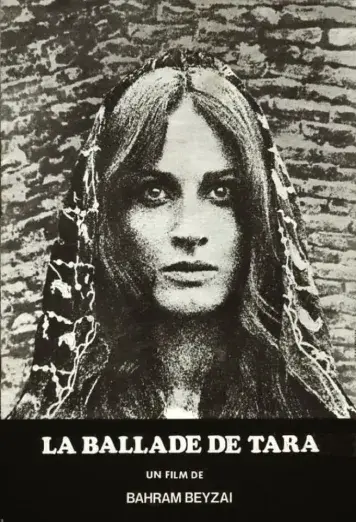
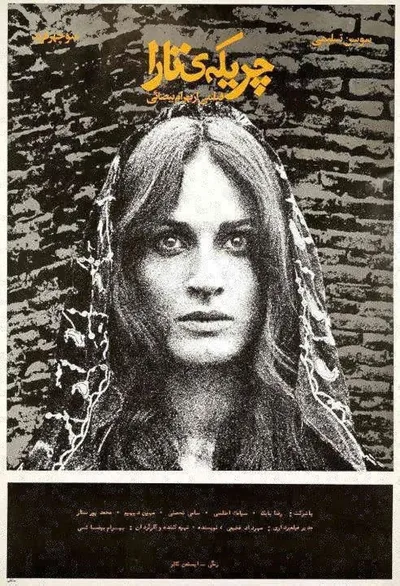
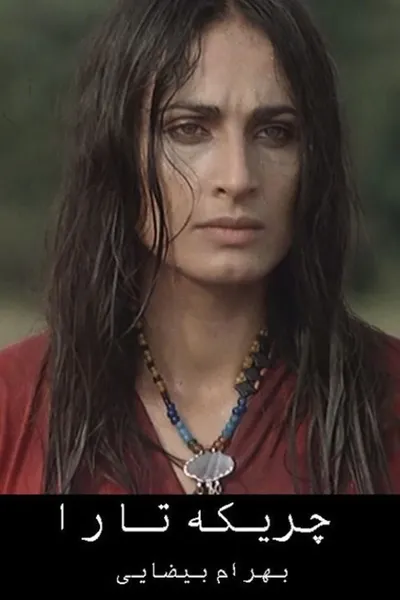
- Ballad of Tara ("Tcherike-ye Tara" - چریکه تارا) (dir. Bahram Beyzai, 1979) Watch on Youtube (Seen 👁️✔️ )
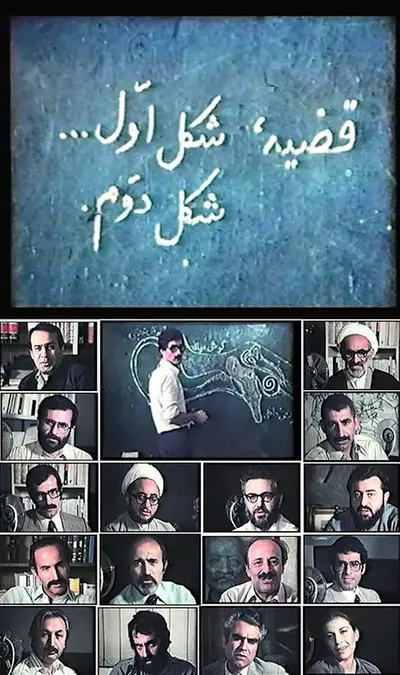
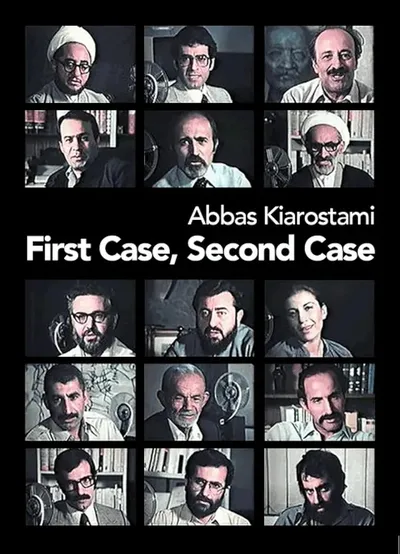
- First Case, Second Case ("Qazieh-e shekl-e avval... shekl-e dovvom" - قضیه شکل اول... شکل دوم) (dir. Abbas Kiarostami, 1979) Watch on Youtube (no subtitles, but you can find them on opensubtitles.org) (Seen 👁️✔️ )
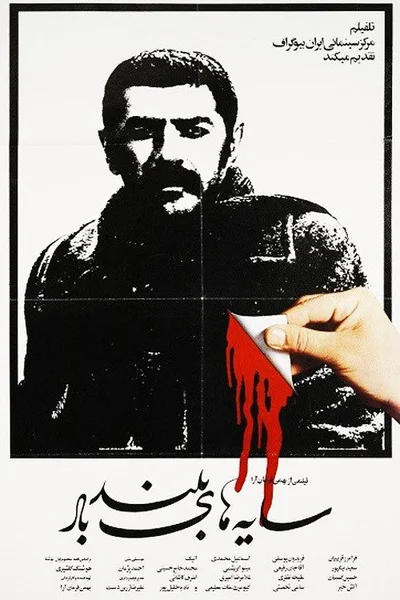
- Tall Shadows of the Wind ("Sayehaye bolande bad" - سایههای بلند باد) (dir. Bahman Farmanara, 1979) Watch on Youtube (Seen 👁️✔️ )
- The Search ("Josteejo" - جستجو) (dir. Amir Naderi, 1980) Watch on Youtube (with German subtitles!) (Seen 👁️✔️ )
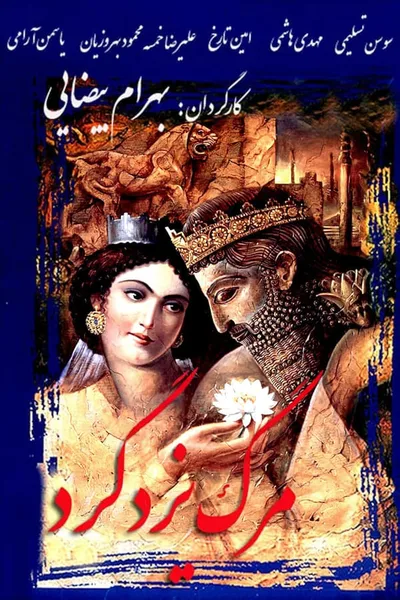
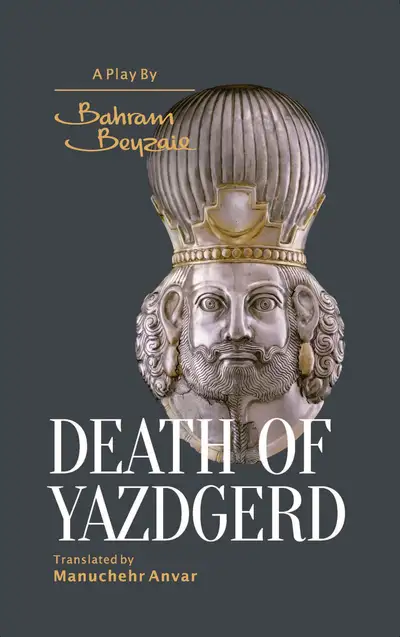
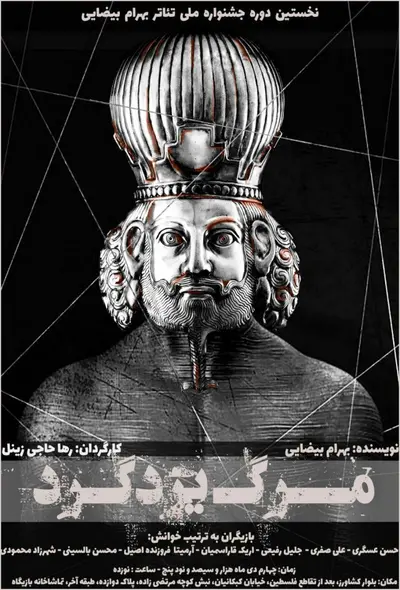
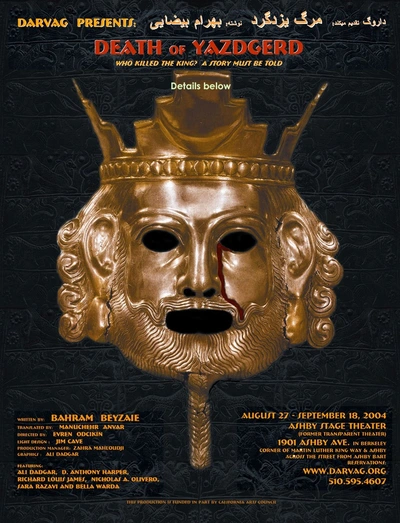
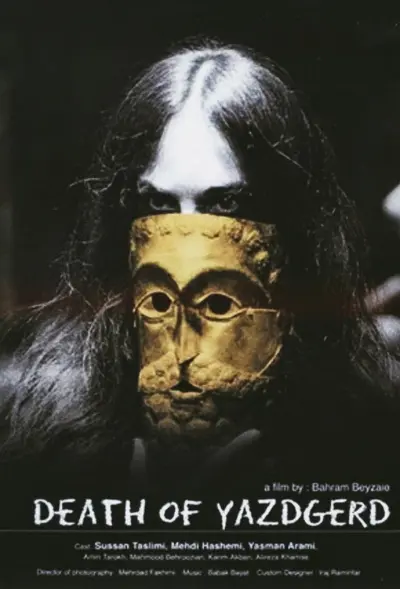
- Death of Yazdgerd ("Marg-e Yazdgerd" - مرگ یزدگرد) (dir. Bahram Beyzai, 1981) Watch on Youtube (Seen 👁️✔️ )
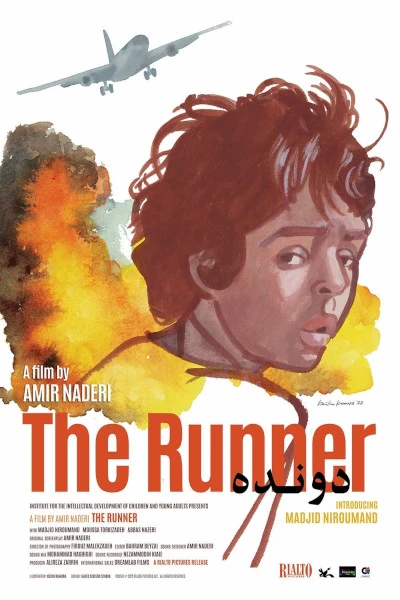
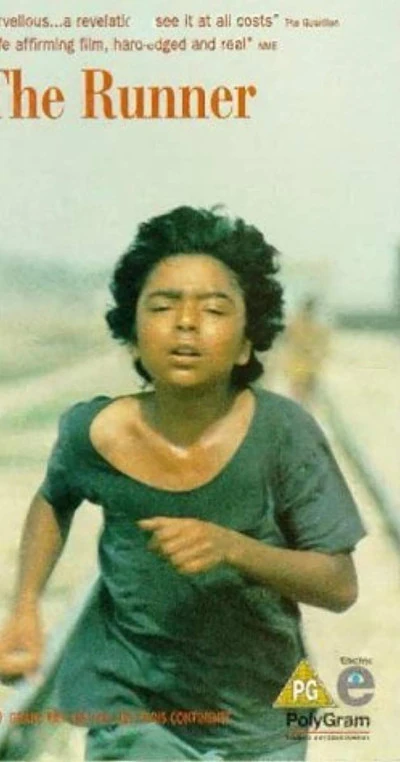
- The Runner ("Davandeh" - دونده) (dir. Amir Naderi, 1984 - Interview) Watch on Youtube (Seen 👁️✔️ )
- The Cyclist ("Bicycleran" - بايسيكلران) (dir. Mohsen Makhmalbaf, 1987) Watch on Youtube (Seen 👁️✔️ )
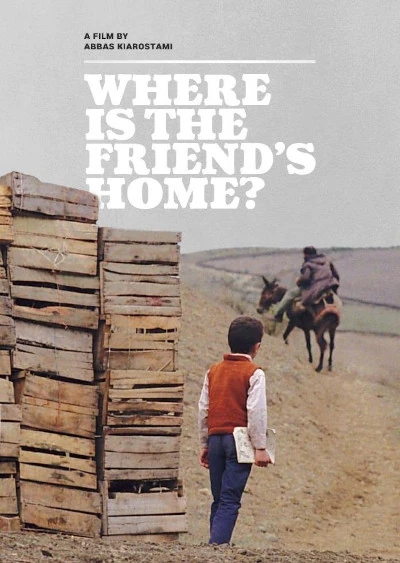
- Koker #1: Where is the Friend's Home? ("Khane-ye dust kojast" - خانه دوست کجاست) (dir. Abbas Kiarostami, 1987 - Interview) Trailer (Seen 👁️✔️ )
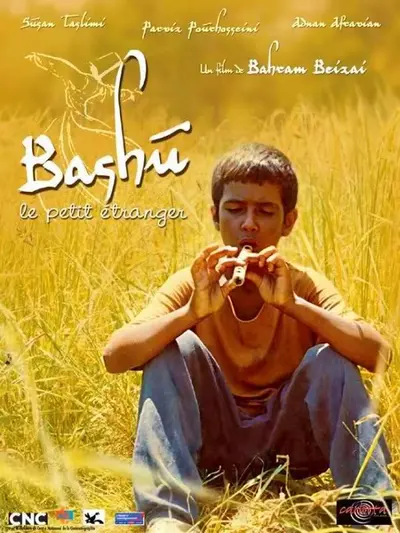
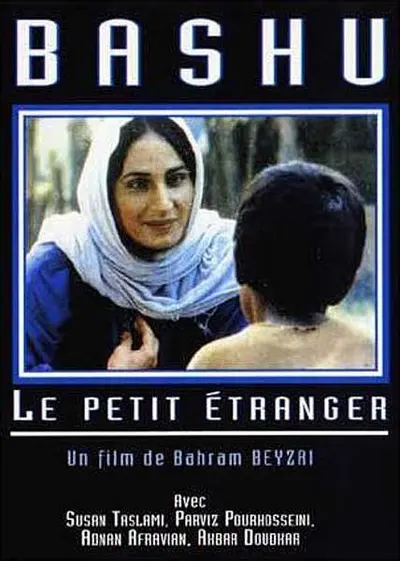
- Bashu, The Little Stranger ("Bashu, Gharibeye Koochak" - باشو غریبه کوچک) (dir. Bahram Beyzai, 1989) Trailer (Seen 👁️✔️ )
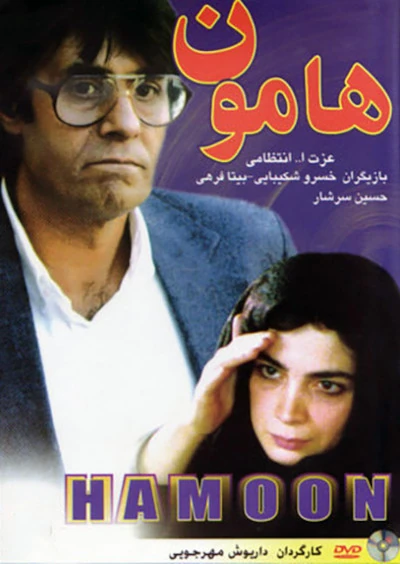
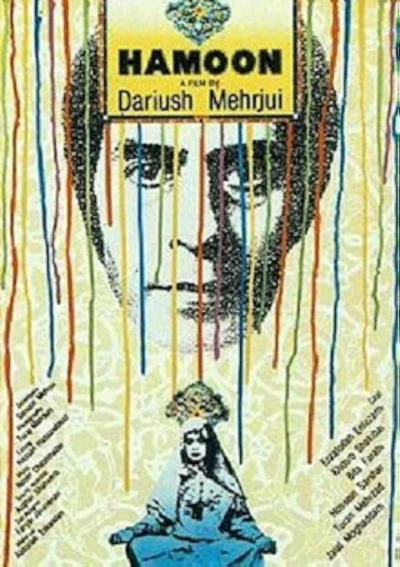
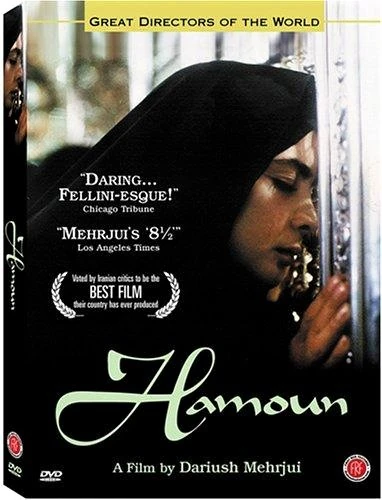
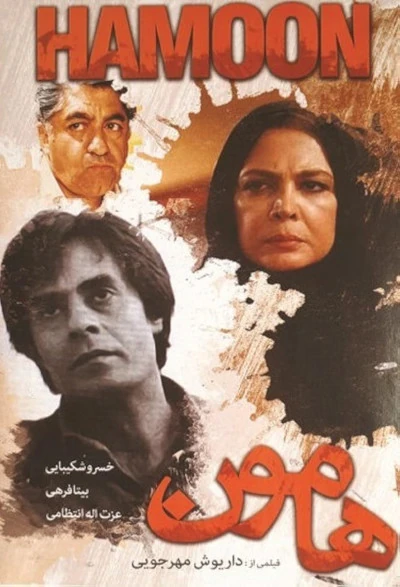
- Hamoun (هامون) (dir. Dariush Mehrjui, 1989) Watch on Youtube (Seen 👁️✔️ )
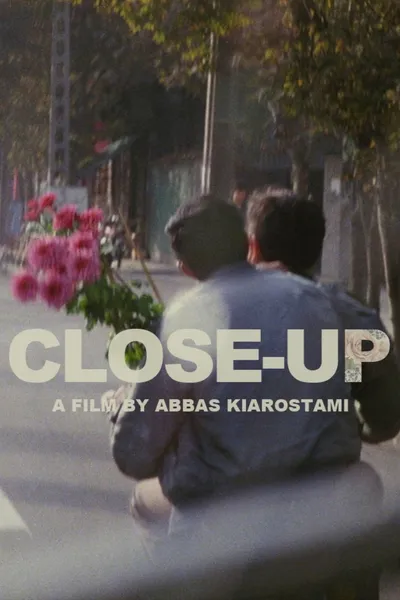
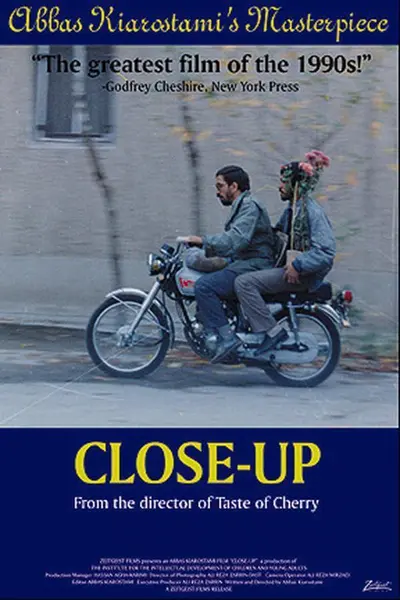
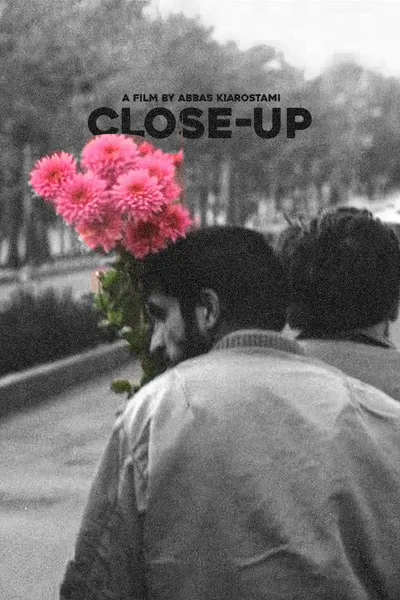
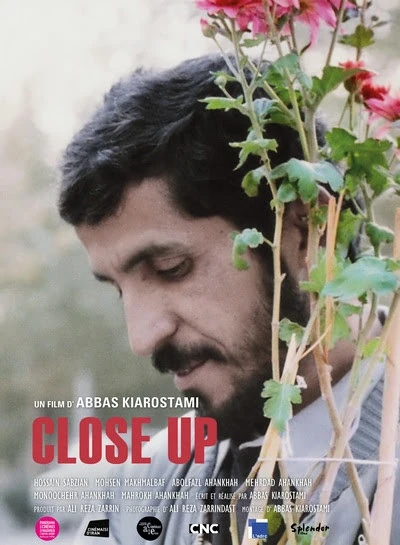
- Close Up ("Klūzāp, nemā-ye nazdīk" - Close-up, close-up view - کلوزآپ ، نمای نزدیک) (dir. Abbas Kiarostami, 1990 - Interview) Watch on Youtube (Seen 👁️✔️ )
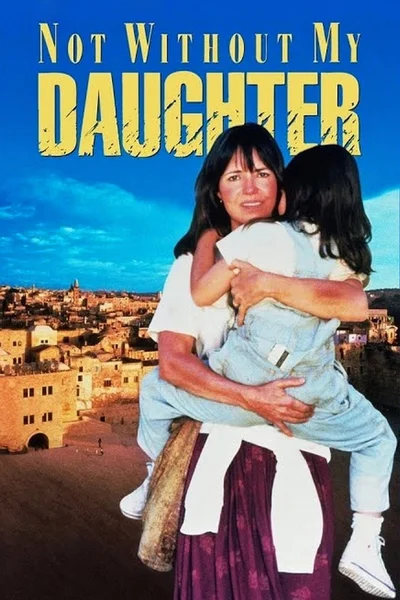
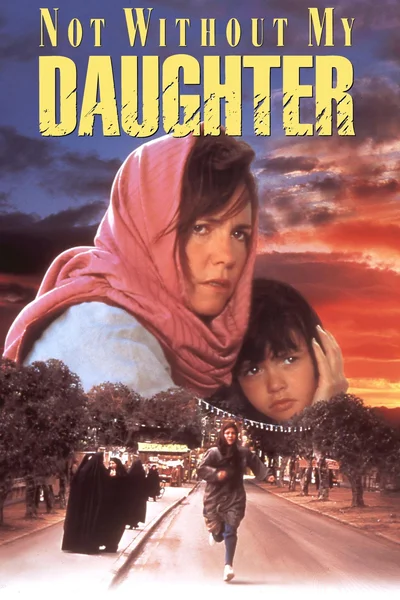
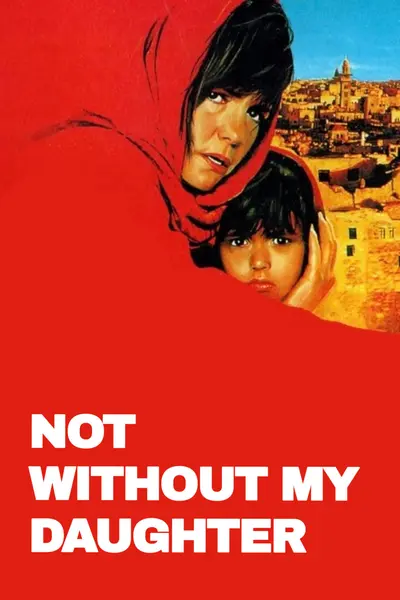
- Not Without My Daughter (dir. Brian Gilbert, 1991) Trailer (Seen?⏳❌ )
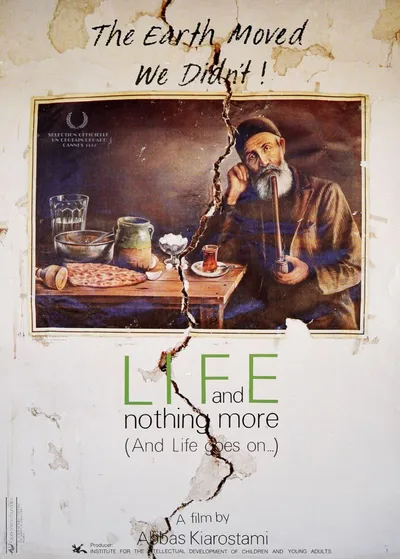
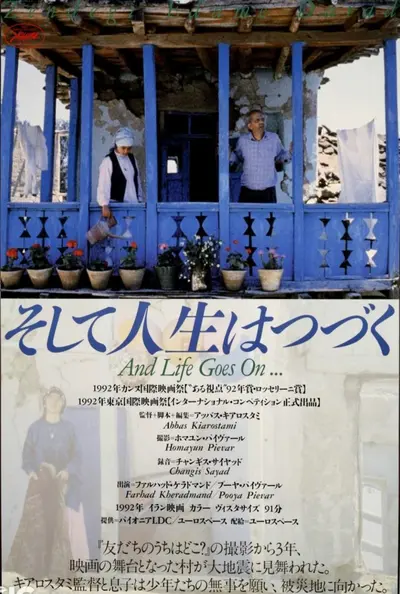
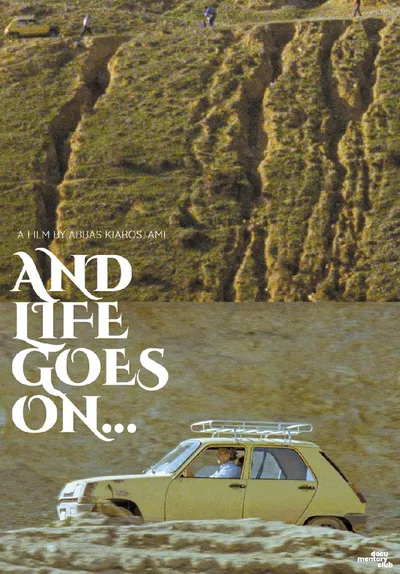
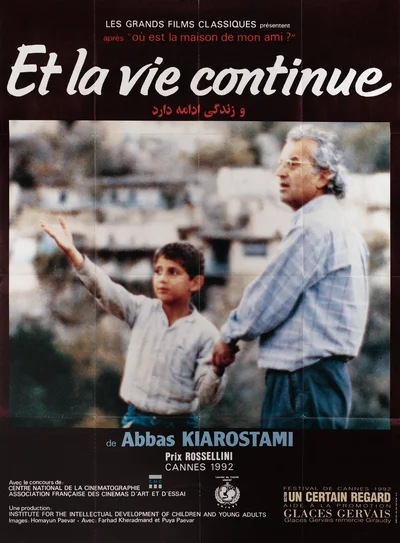
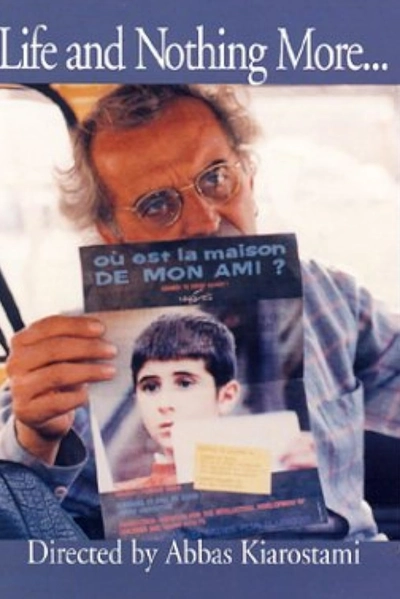
- Koker #2: And Life Goes On ("Zendegi va digar hich" - Life and nothing else - زندگی و دیگر هیچ) (dir. Abbas Kiarostami, 1992) Trailer (Seen 👁️✔️ )
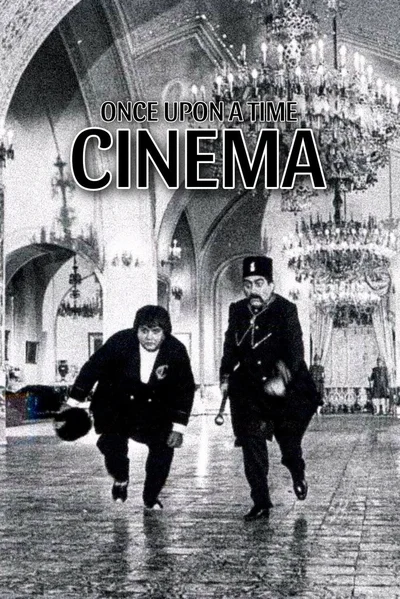
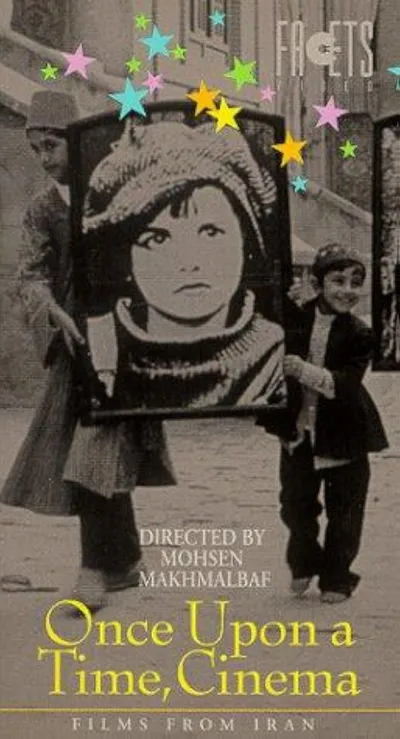
- Once Upon a Time, Cinema (Naser al-din Shah, Actor of Cinema - ناصرالدینشاه آکتور سینما) (dir. Mohsen Makhmalbaf, 1992) Trailer (Seen 👁️✔️ )
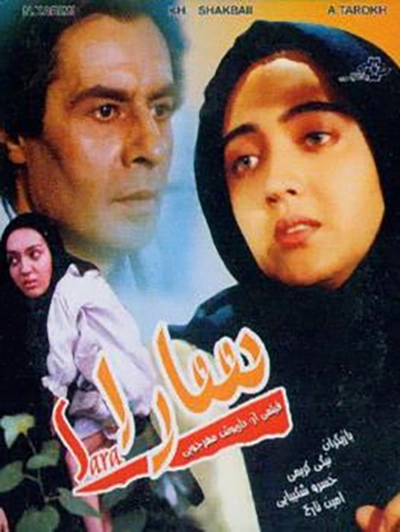
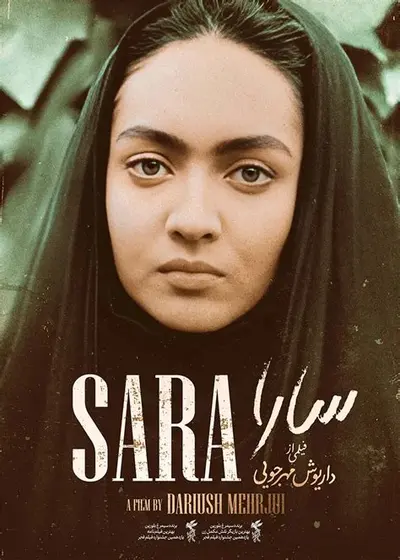
- Sara (سارا) (dir. Dariush Mehrjui, 1993) Watch on Youtube (no subs :~\) (Seen 👁️✔️ )
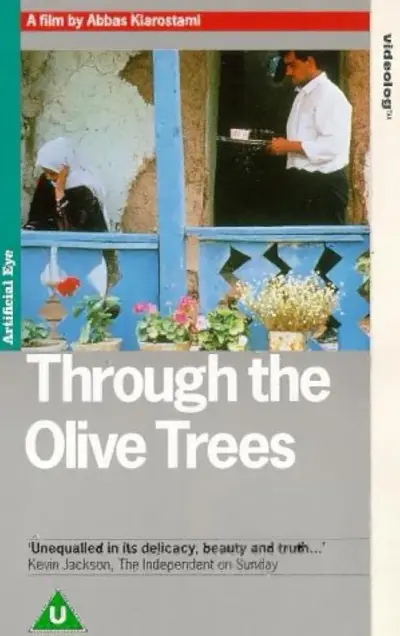
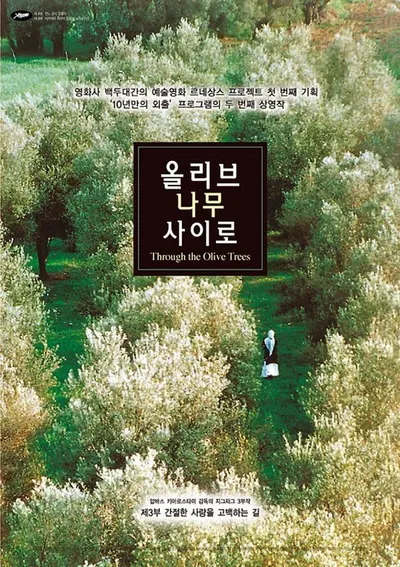
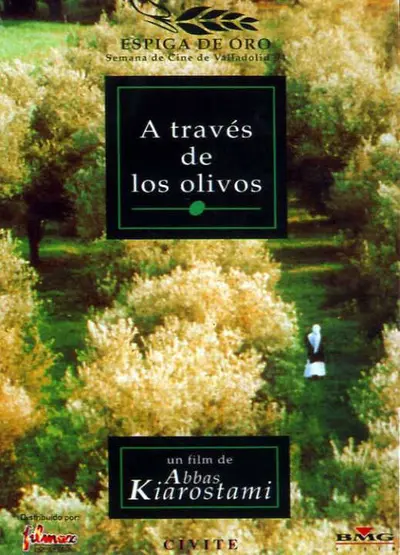
- Koker #3: Through the Olive Trees ("Zīr-e Derakhtān-e Zeytūn" - زیر درختان زیتون) (dir. Abbas Kiarostami, 1994) Trailer (Seen 👁️✔️ )
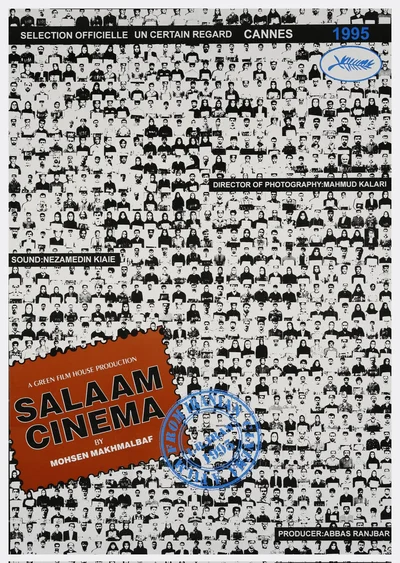
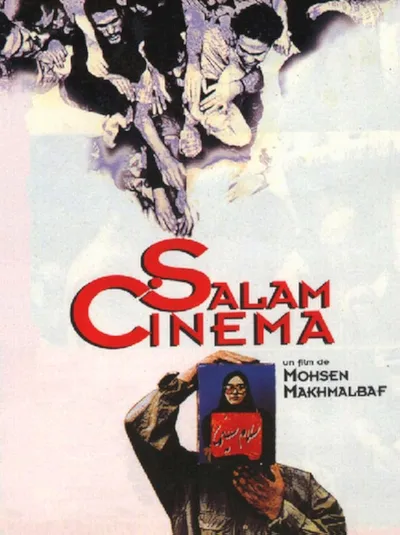
- Hello Cinema ("Salaam Cinema" - سلام سینما) (dir. Mohsen Makhmalbaf, 1995) Watch on Youtube (no subtitles, but you can find them on opensubtitles.org) (Seen 👁️✔️ )
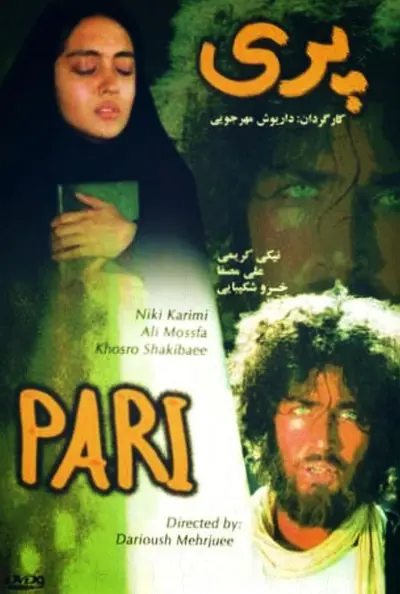
- Pari (پری) (dir. Dariush Mehrjui, 1995) Watch on Youtube (Seen 👁️✔️ )
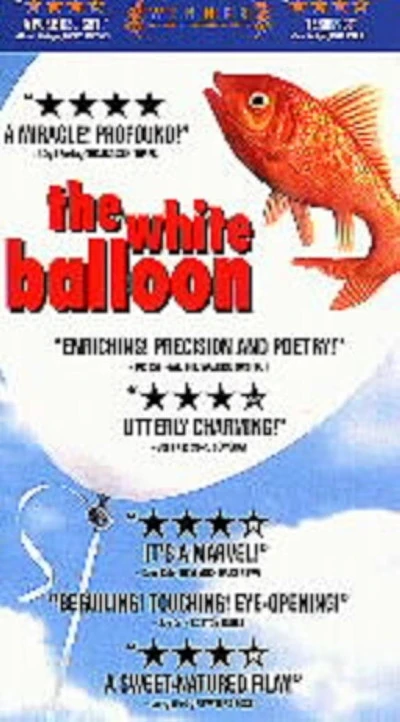
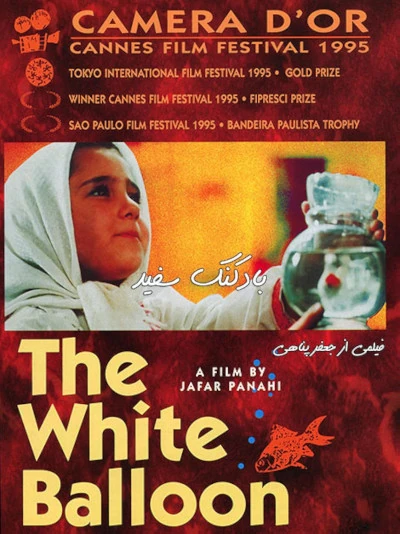
- The White Balloon ("Badkonake sefid" - بادکنک سفيد) (dir. Jafar Panahi, 1995) Trailer (Seen 👁️✔️ )
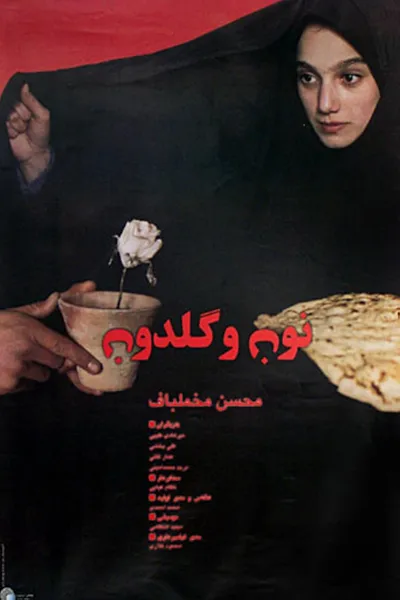
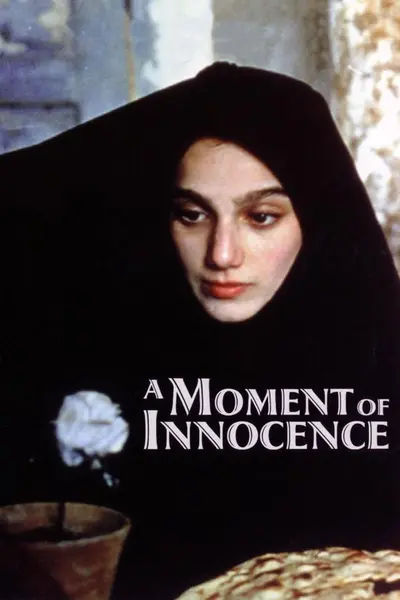
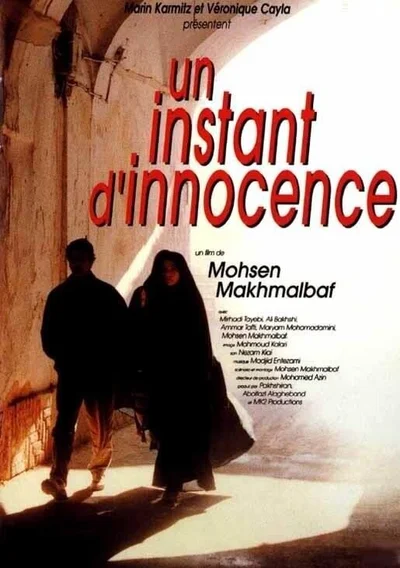
- A Moment of Innocence ("Nūn o Goldūn" - نون و گلدون) (dir. Mohsen Makhmalbaf, 1996) Watch on Youtube (Seen 👁️✔️ )
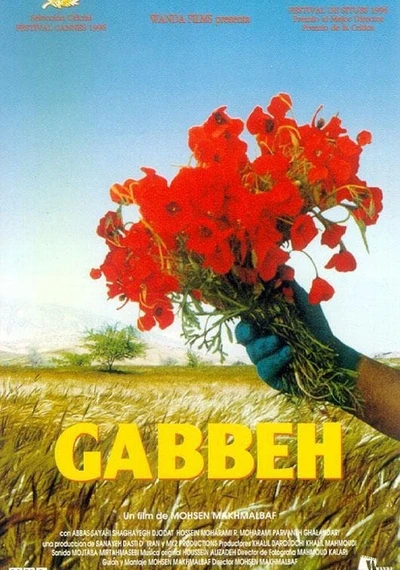
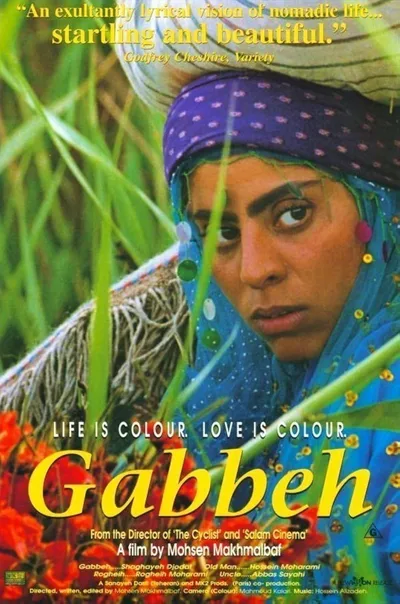
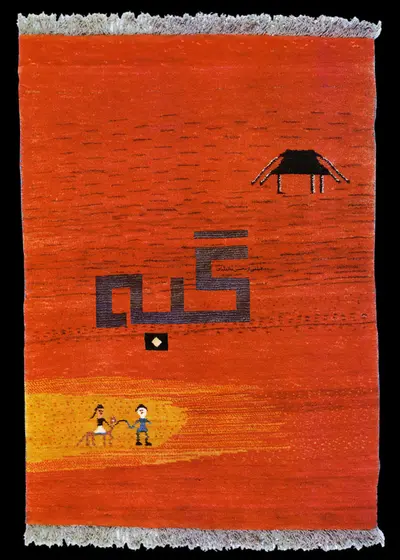
- Gabbeh (گبه) (dir. Mohsen Makhmalbaf, 1996 - Interview) Trailer (Seen 👁️✔️ )
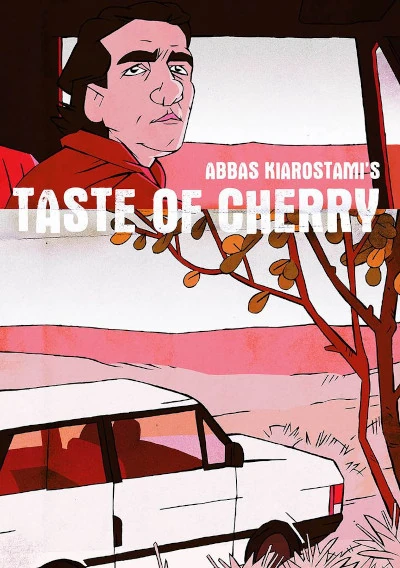
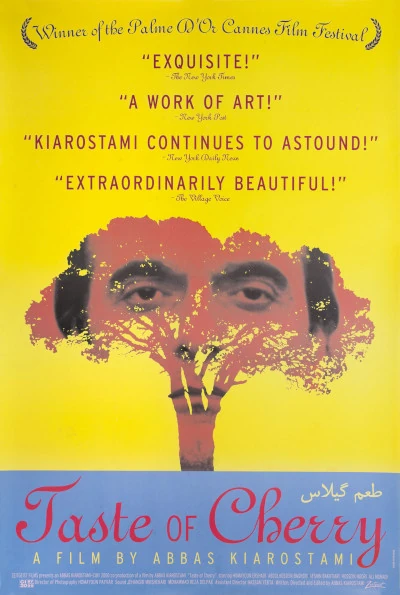
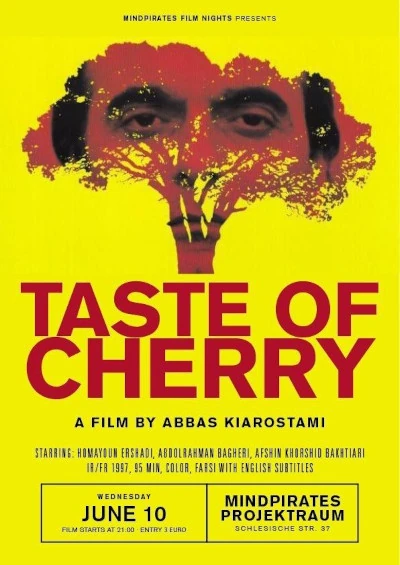
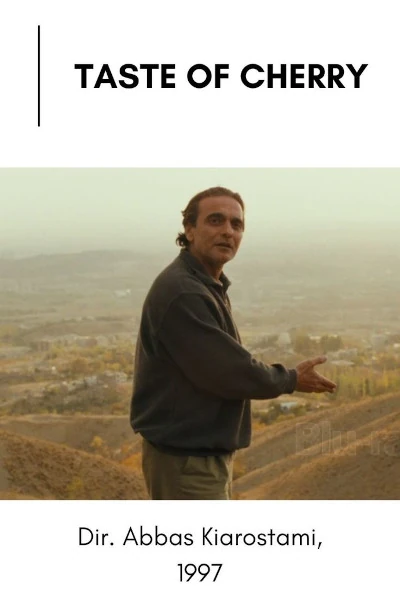
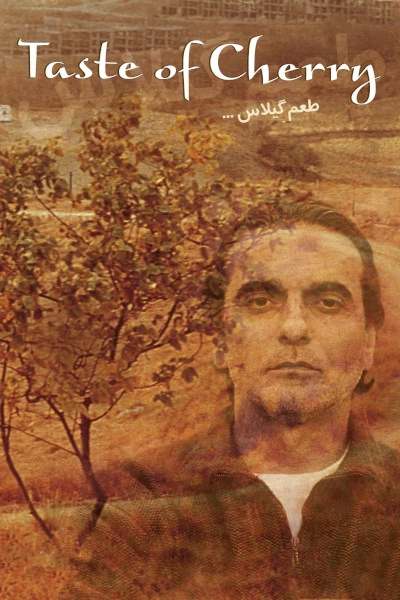
- A Taste of Cherry ("Ta’m-e gīlās" - طعم گیلاس) (dir. Abbas Kiarostami, 1997) View Film Clip (Seen 👁️✔️ )
- Children of Heaven ("Bæccähâ-ye âsmân" - بچههای آسمان) (dir. Majid Majidi, 1997 - Interview) >> Film Clips: #1 #2 (Seen 👁️✔️ )
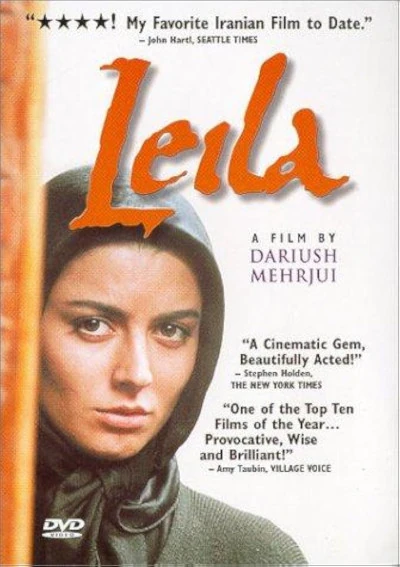
- Leila (لیلا) (dir. Dariush Mehrjui, 1997) Watch on Youtube (Seen 👁️✔️ )
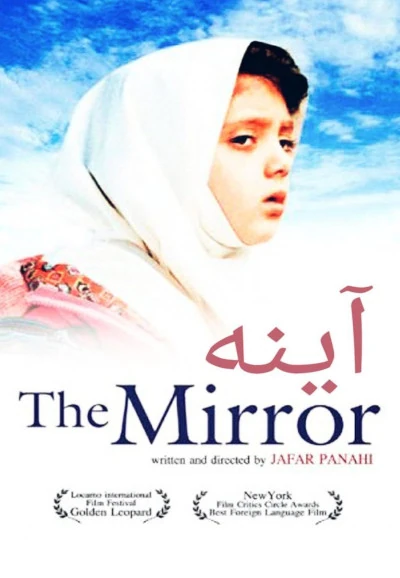
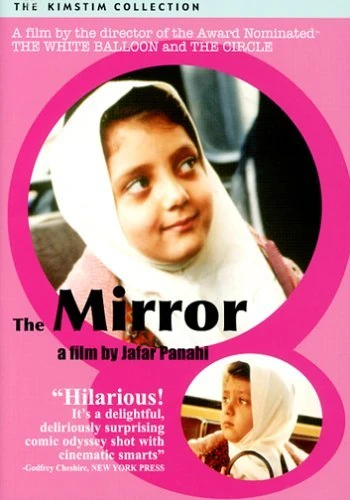
- The Mirror ("Ayneh" - آینه) (dir. Jafar Panahi, 1997) Watch on Youtube (Seen 👁️✔️ )
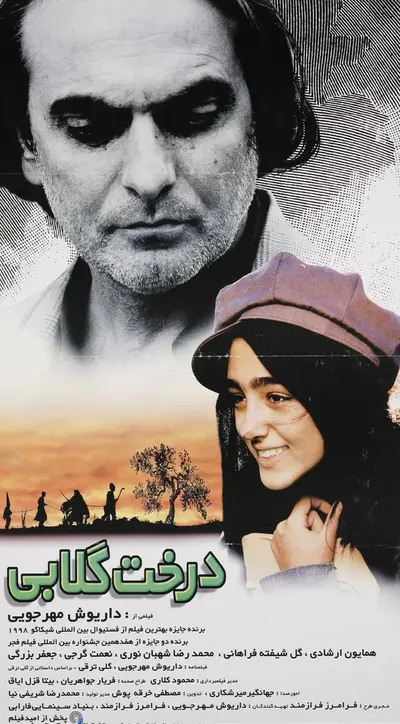
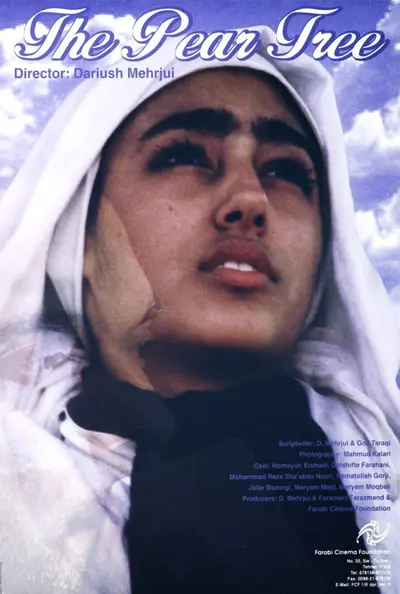
- The Pear Tree ("Derakht-e-Golabi" - درخت گلابی) (dir. Dariush Mehrjui, 1998) Watch on Youtube (Seen 👁️✔️ )
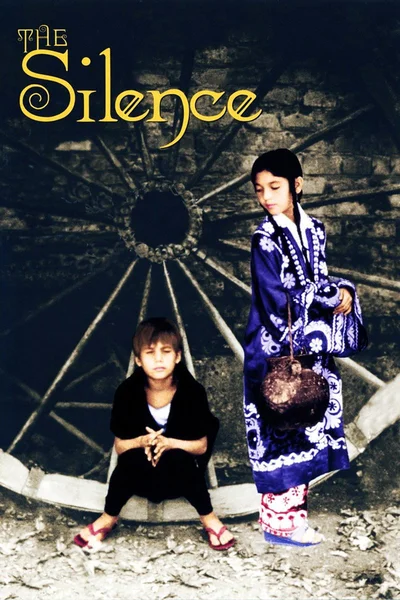
- The Silence ("Sokut" - سکوت) (dir. Mohsen Makhmalbaf, 1998) Trailer (Seen 👁️✔️ )
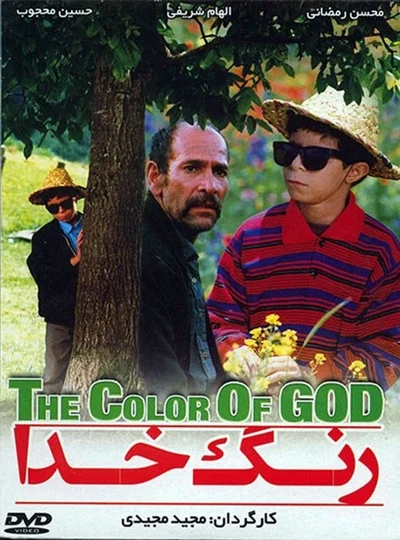
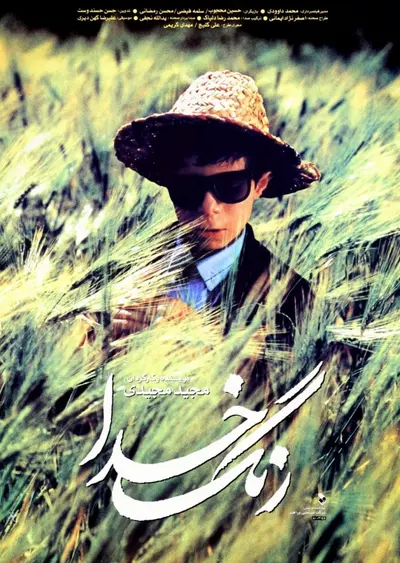
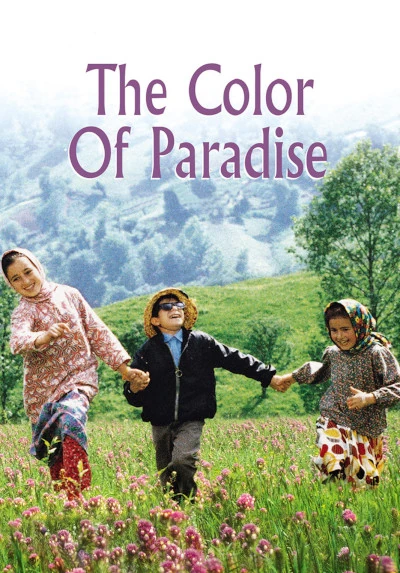
- The Colour of Paradise ("Rang-e Khodā" - The Color of God - رنگ خدا) (dir. Majid Majidi, 1999) Trailer (Seen 👁️✔️ )
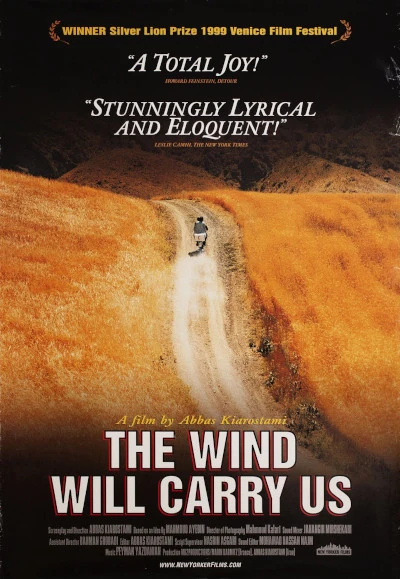
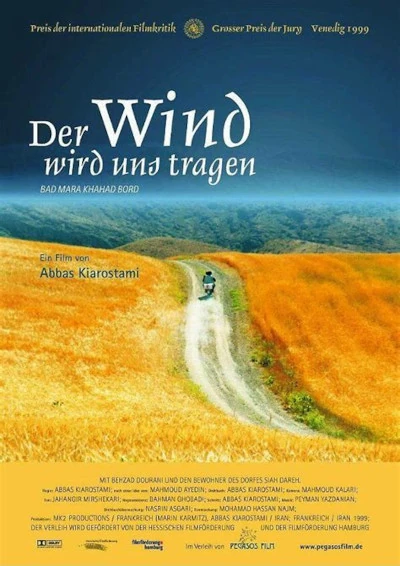
- The Wind Will Carry Us ("Bād mā rā khāhad bord" - باد ما را خواهد برد) (dir. Abbas Kiarostami, 1999) View Film Clip (Seen 👁️✔️ )
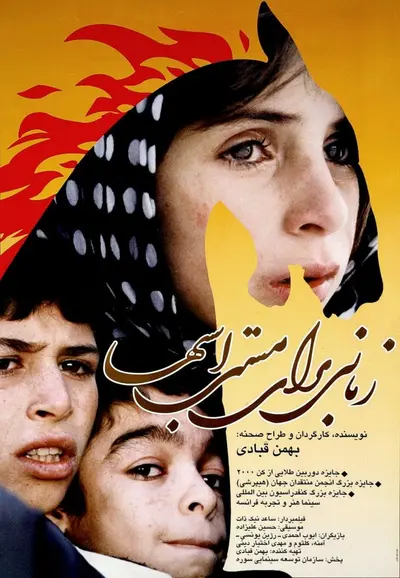
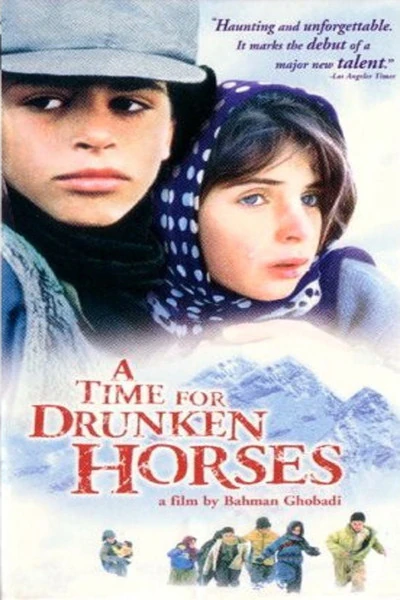
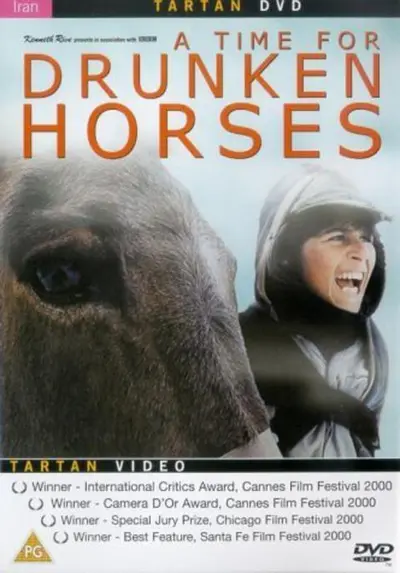
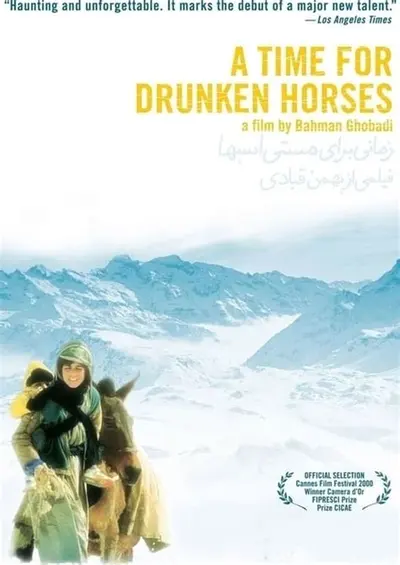
- A Time for Drunken Horses ("Zamāni barāy-e masti-e asbhā" - زمانی برای مستی اسبها ; Dema hespên serxweş - When the Horses Are Drunk) (dir. Bahman Ghobadi, 2000) Watch on Youtube (Seen 👁️✔️ )
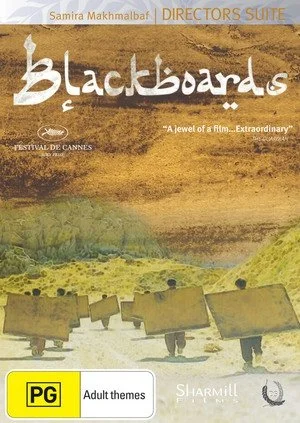
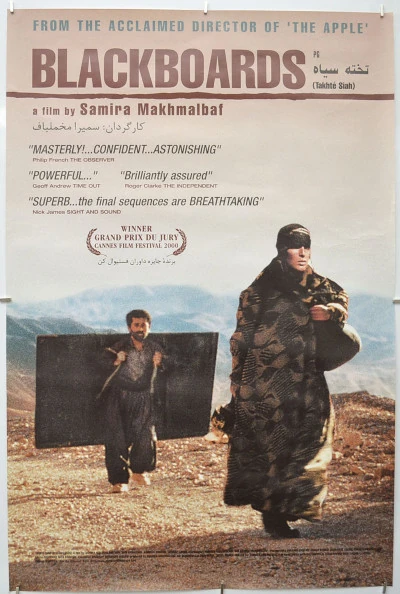
- Blackboards ("Takhté siah" - تخته سیاه ; "Textê Reş" - تەختێ رەش) (dir. Samira Makhmalbaf, 2000) Watch on Youtube (Seen 👁️✔️ )
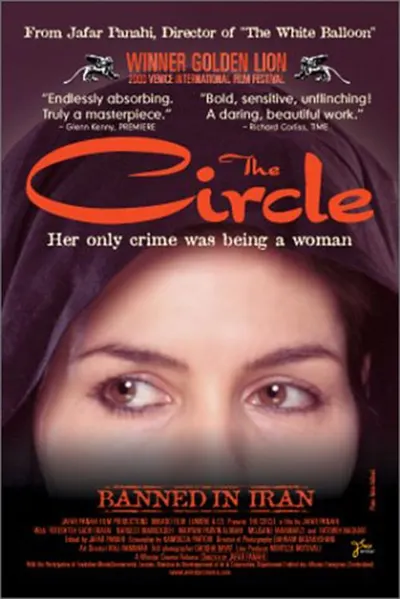
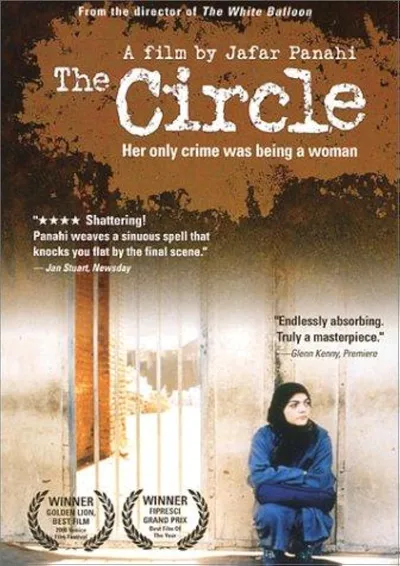
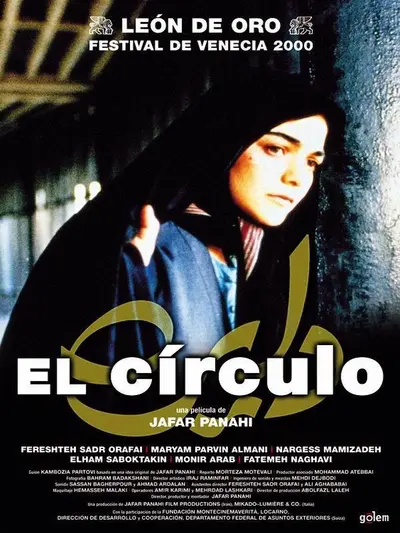
- The Circle ("Dâyere" - دایره) (dir. Jafar Panahi, 2000) Watch on Youtube (Seen 👁️✔️ )
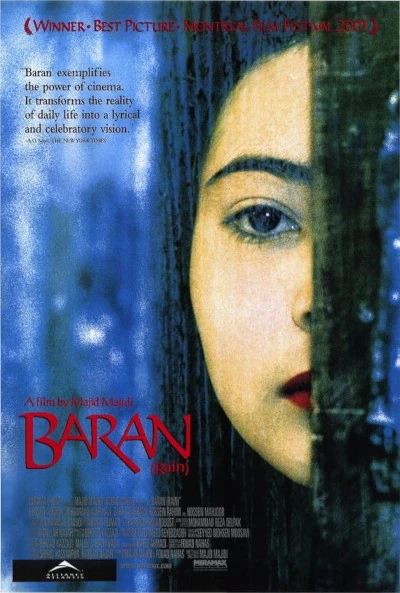
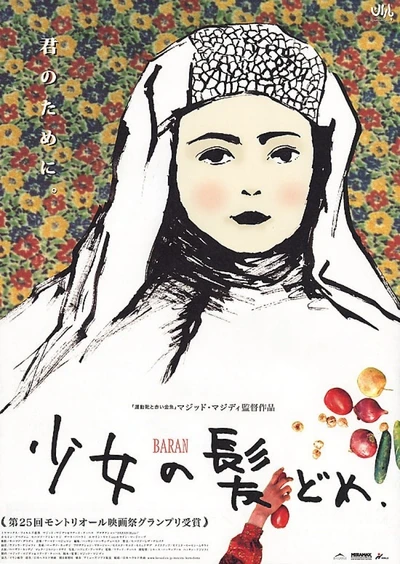
- Baran (Rain - باران) (dir. Majid Majidi, 2001) Trailer (Seen 👁️✔️ )
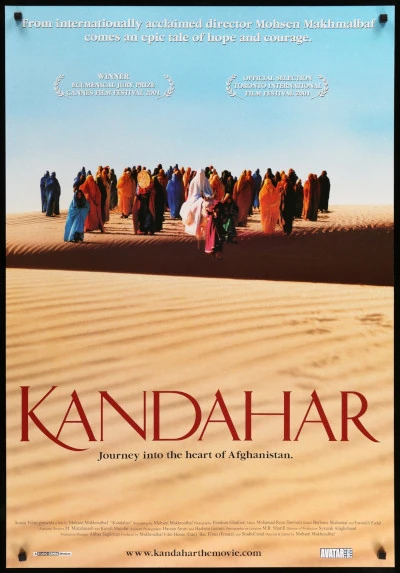
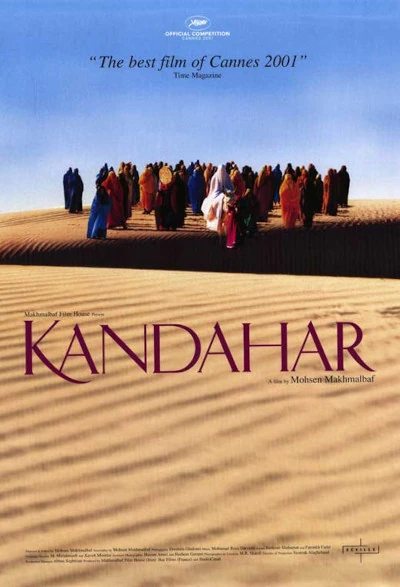
- Kandahar (قندهار) (dir. Mohsen Makhmalbaf, 2001 - Interview) Trailer (Seen 👁️✔️ )
- Marooned in Iraq ("Gomgashte i dar Aragh" - گمگشتهای در عراق) (dir. Bahman Ghobadi, 2002) Watch on Youtube (Seen 👁️✔️ )
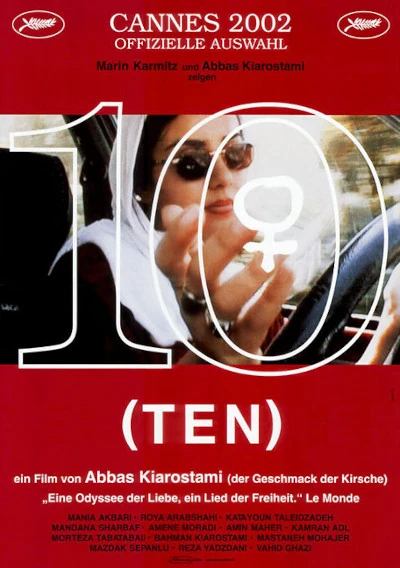
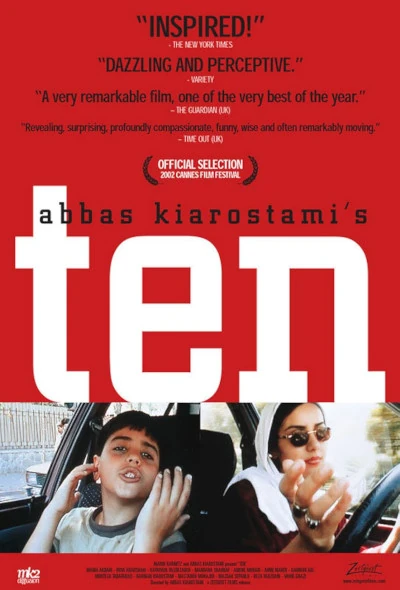
- Ten ("Das" - ده) (dir. Abbas Kiarostami, 2002) View Film Clip (Seen 👁️✔️ )
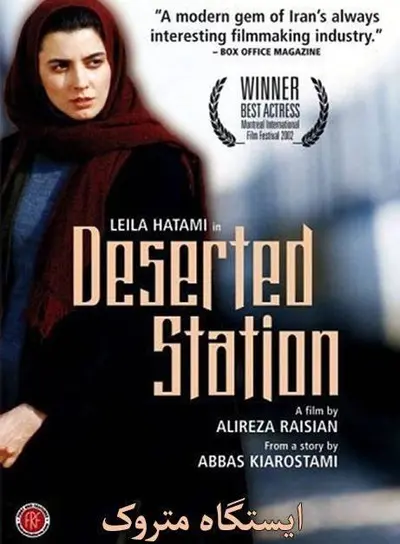
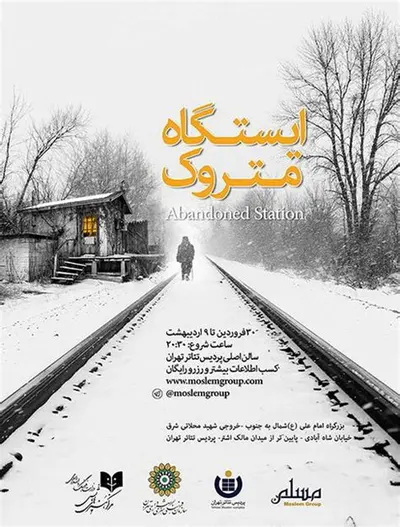
- The Deserted Station ("Istgah-e Matrouk" - ایستگاه متروک) (dir. Alireza Raisian, 2002) Trailer (Seen 👁️✔️ )
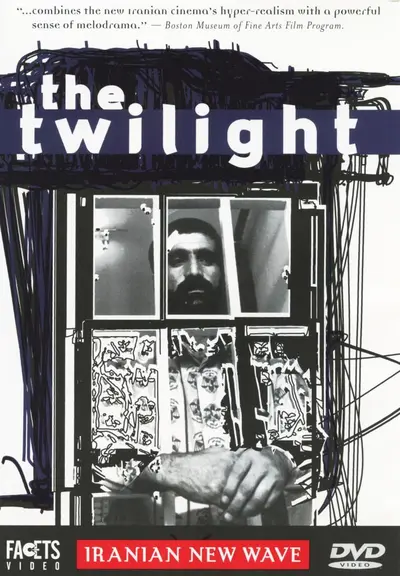
- The Twilight ("Gagooman" - گاگومان) (dir. Mohammad Rasoulof, 2002) Watch on Youtube (Seen 👁️✔️ )
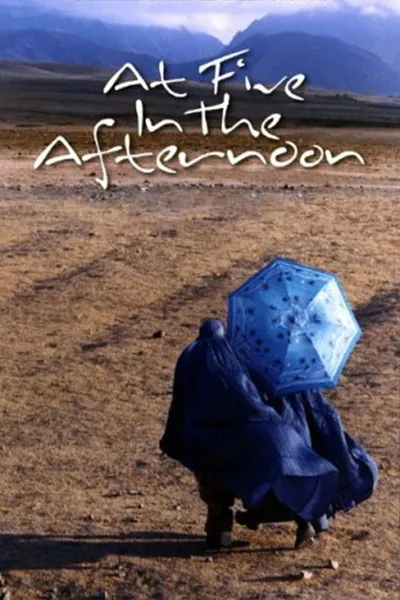
- At Five in the Afternoon ("Panj é asr" - پنج عصر) (dir. Samira Makhmalbaf, 2003) Watch on Youtube (Seen 👁️✔️ )
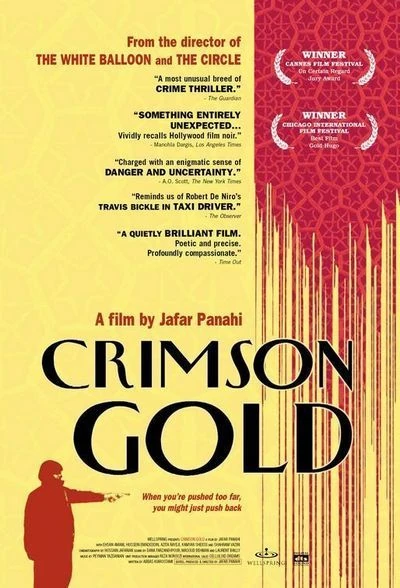
- Crimson Gold ("Talâ-ye Sorkh" - طلای سرخ) (dir. Jafar Panahi, 2003) Watch on Youtube (Seen 👁️✔️ )
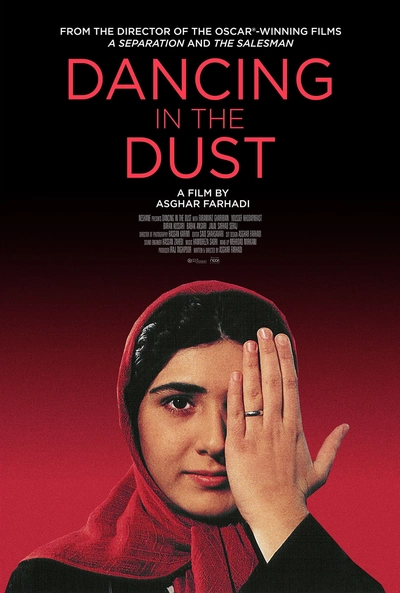
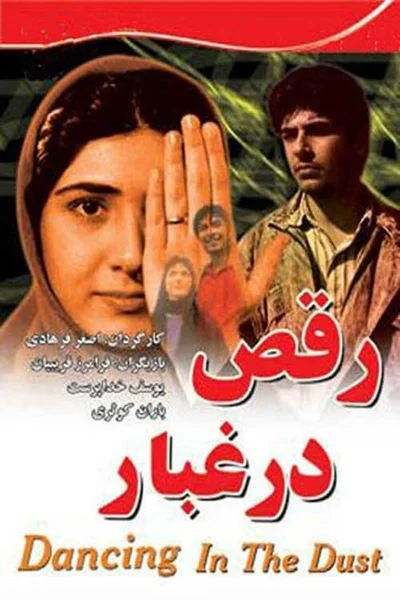
- Dancing in the Dust ("Raqs dar ghabar" - رقص در غبار) (dir. Asghar Farhadi, 2003) Watch on Youtube (Seen 👁️✔️ )
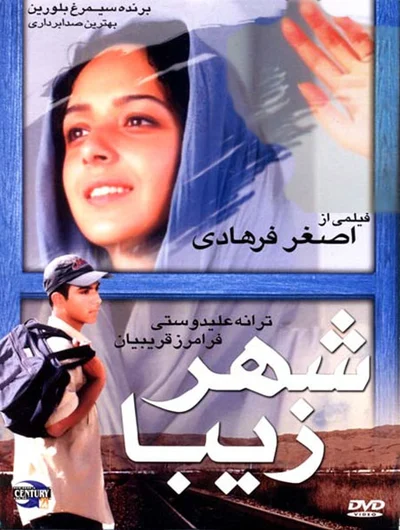
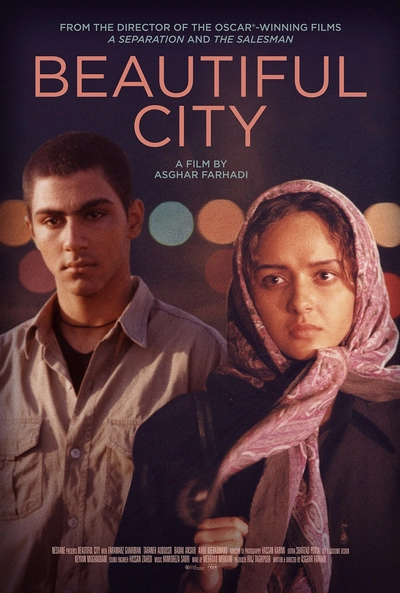
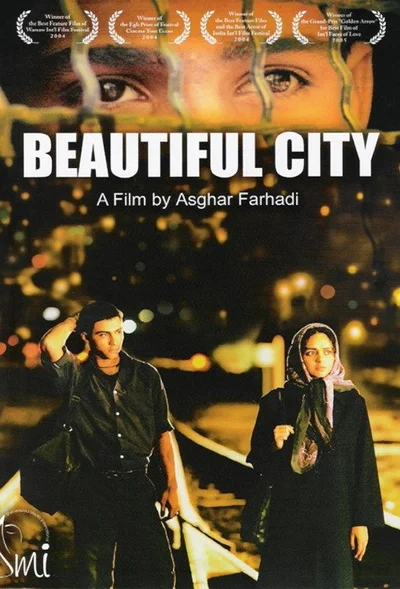
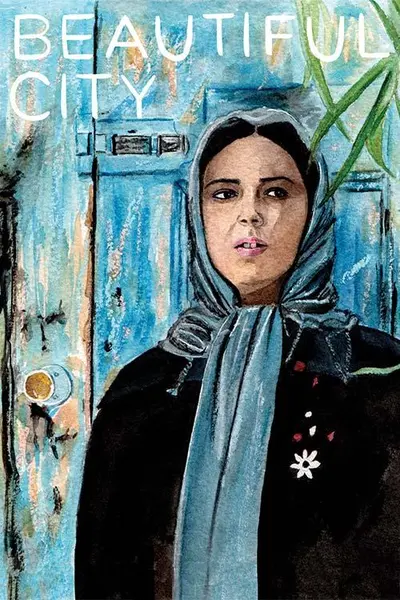
- Beautiful City ("Shahr-e Ziba" - شهر زیبا) (dir. Asghar Farhadi, 2004) Watch on Youtube (Seen 👁️✔️ )
- Turtles Can Fly ("Lakposhtha Parvaz Mikonand" - لاکپشتها هم پرواز میکنند) (dir. Bahman Ghobadi, 2004) Trailer (Seen 👁️✔️ )
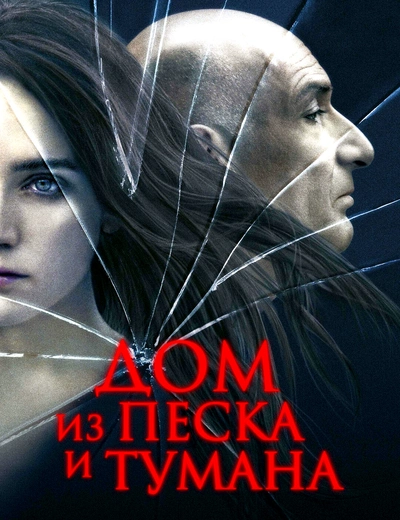
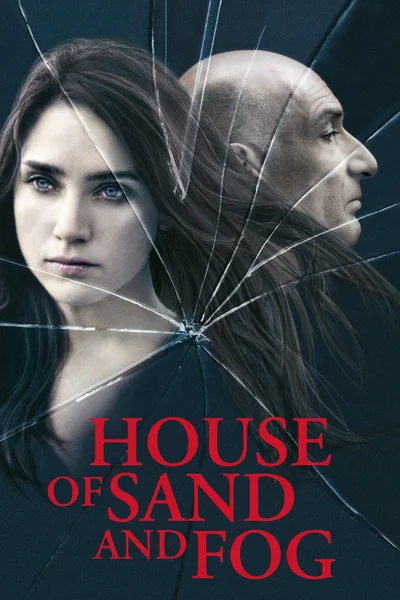
- House of Sand and Fog (dir. Vadim Perelman, 2005) Trailer (Seen?⏳❌ )
- Iron Island ("Jazire-ye Ahani" - جزیره آهنی) (dir. Mohammad Rasoulof, 2005) Trailer (Seen 👁️✔️ )
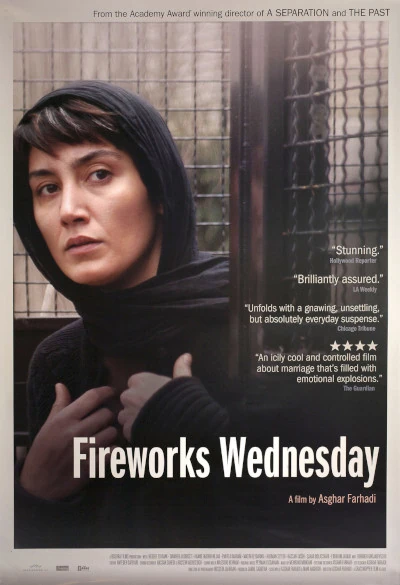
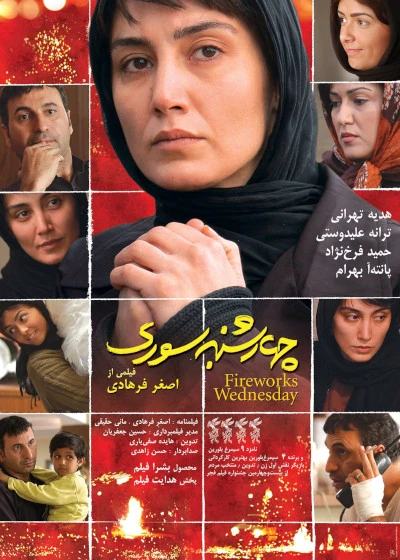
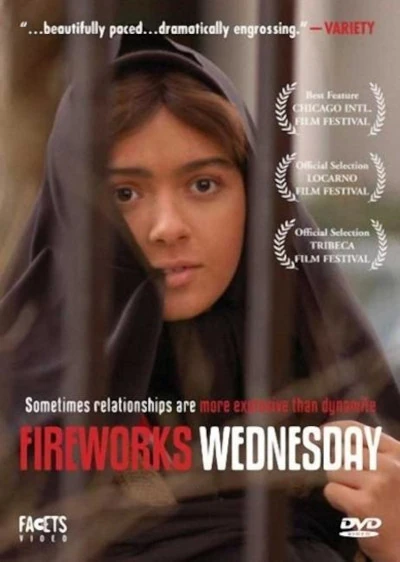
- Fireworks Wednesday ("Čahâršanbe-Suri" - Wednesday - چهارشنبهسوری) (dir. Asghar Farhadi, 2006) Trailer (Seen 👁️✔️ )
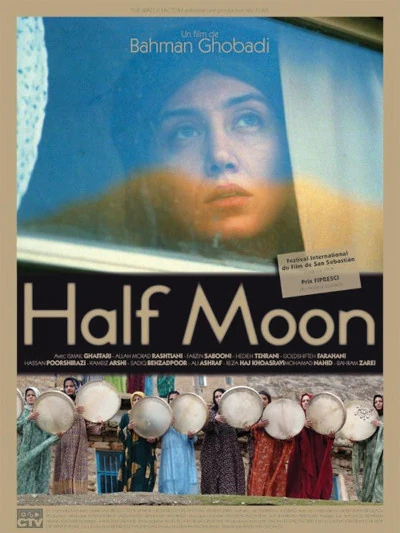
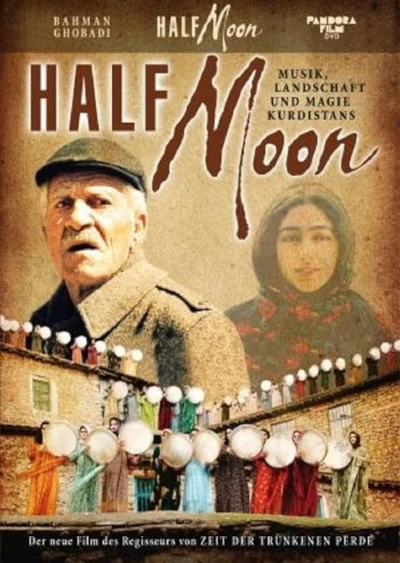
- Half Moon ("Niveyemang" - نیوەمانگ) (dir. Bahman Ghobadi, 2006) Trailer View Film Clip (Seen 👁️✔️ )
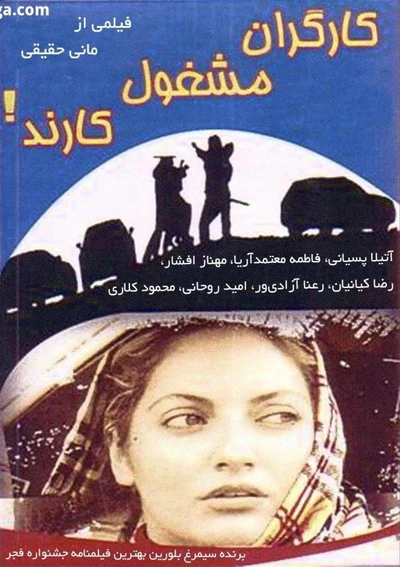
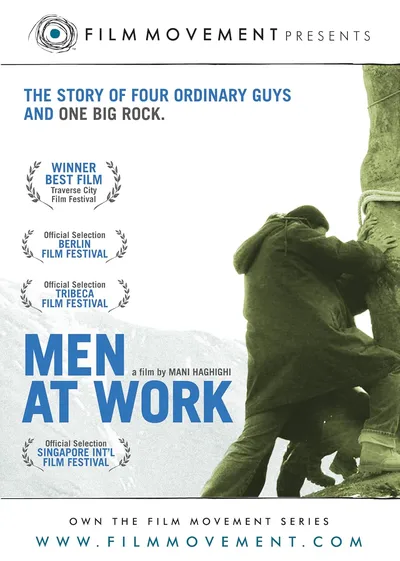
- Men At Work ("Kargarān Mashghoul-e Kār-and" - Workers are busy - کارگران مشغول کارند) (dir. Mani Haghighi, 2006) Watch on Youtube (Seen 👁️✔️ )
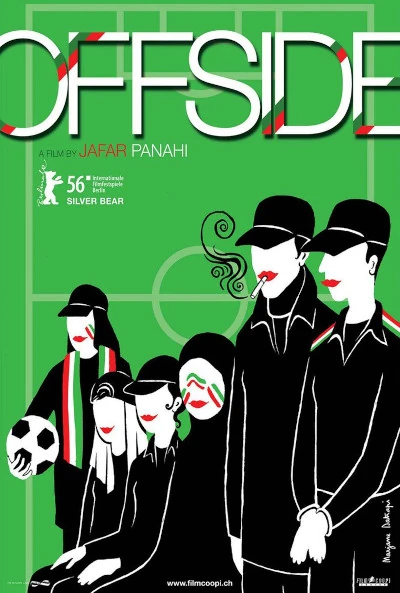
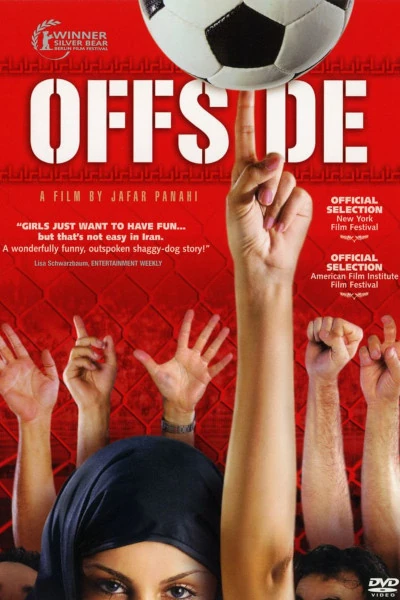
- Offside (آفساید) (dir. Jafar Panahi, 2006) Trailer (Seen 👁️✔️ )
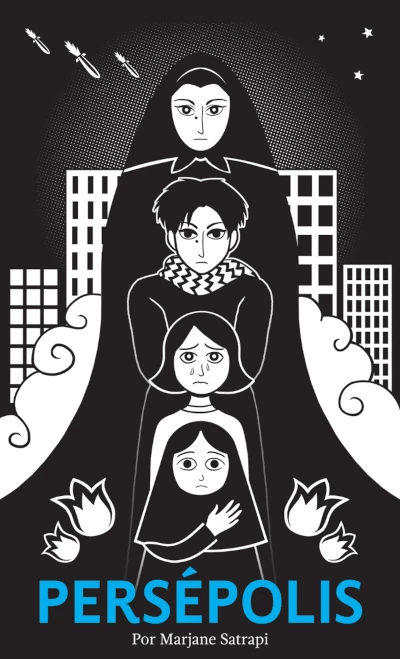
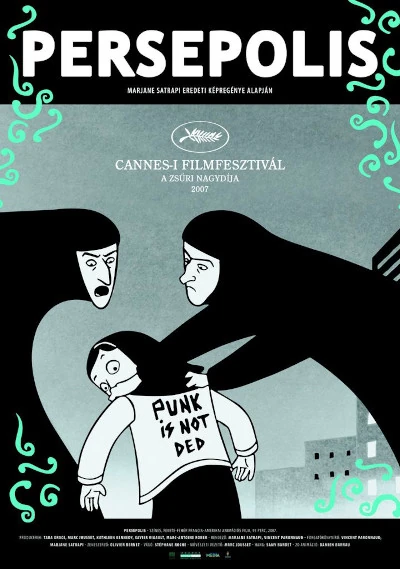
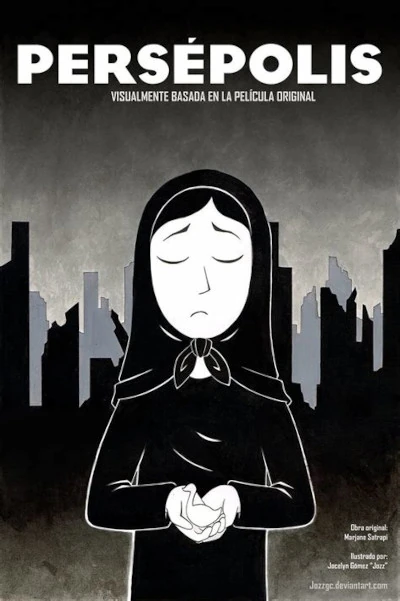
- Persepolis (dir. Vincent Paronnaud and Marjane Satrapi; 2007) Trailer (Seen 👁️✔️ )
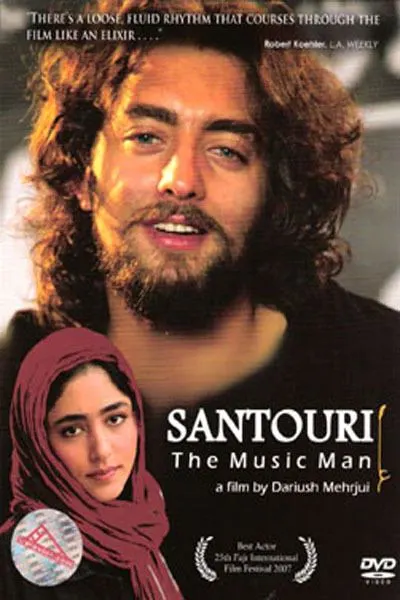
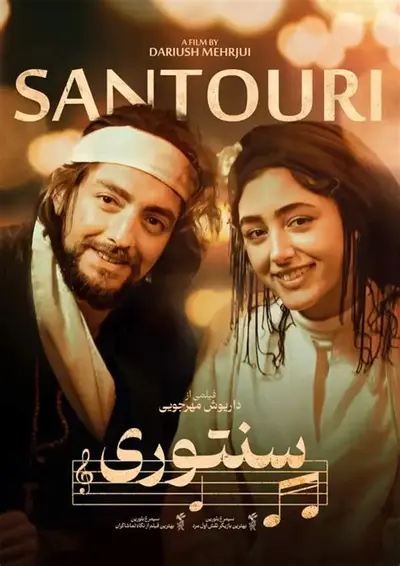
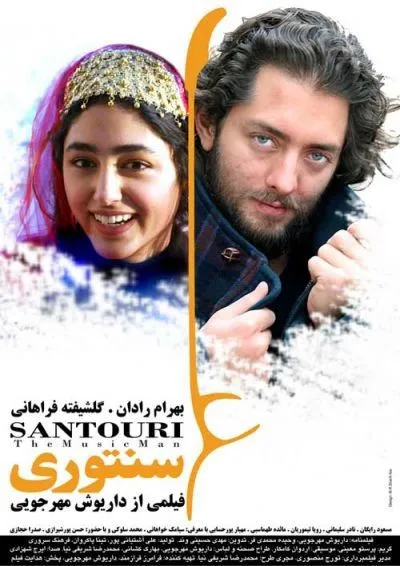
- The Music Man (AKA Santouri) (سنتوری) (dir. Dariush Mehrjui, 2007) Watch on Youtube (no subs :~\) (Seen?⏳❌ )
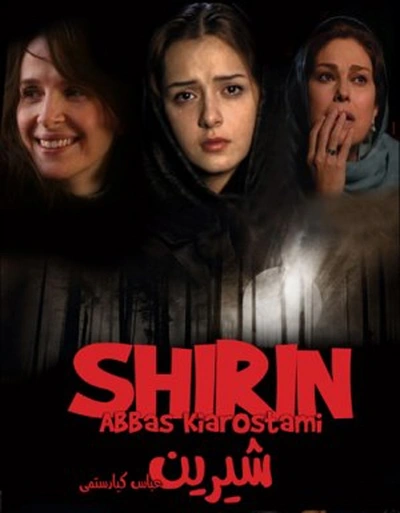
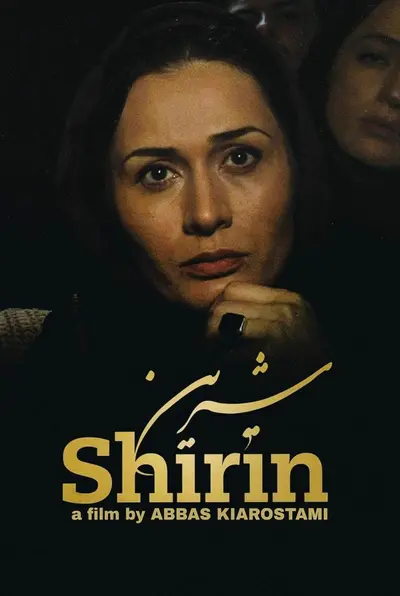
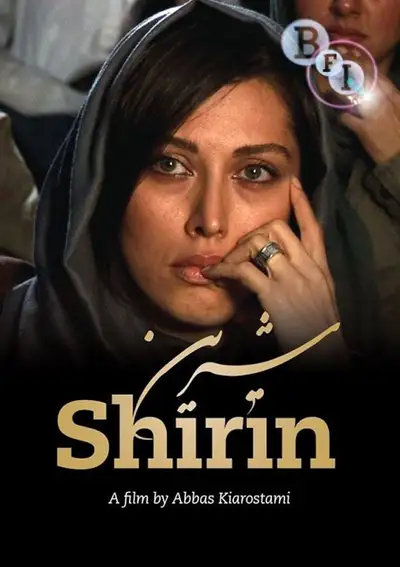
- Shirin (شیرین) (dir. Abbas Kiarostami, 2008) View Film Clip (Seen 👁️✔️ )
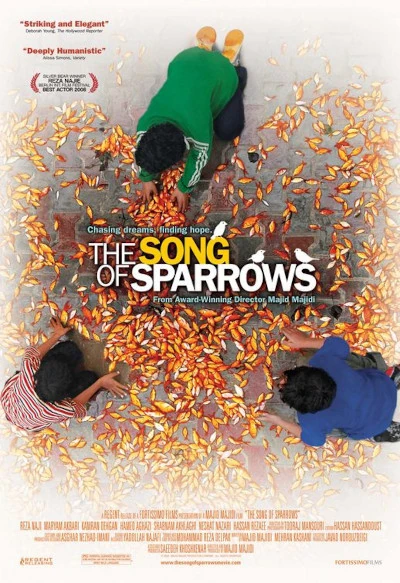
- The Song of Sparrows ("Âvâz-e gonjeshk-hâ" - آواز گنجشکها) (dir. Majid Majidi, 2008) Trailer (Seen 👁️✔️ )
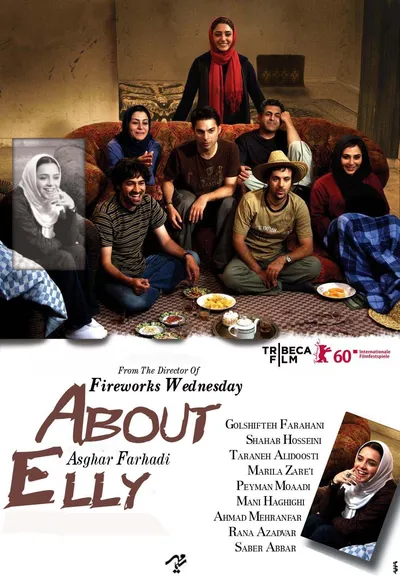
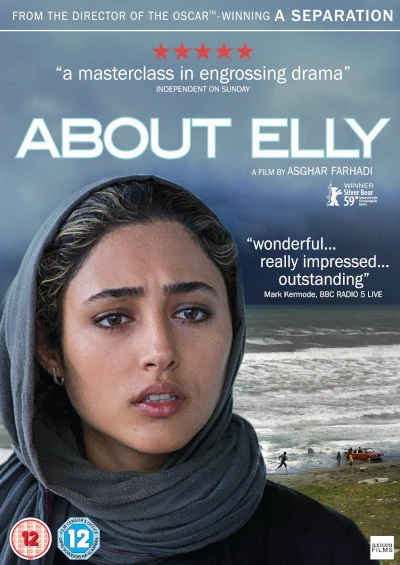
- About Elly ("Dar bāre-ye Elly" - درباره الی) (dir. Asghar Farhadi, 2009 - Interview) Watch on Youtube (Seen 👁️✔️ )
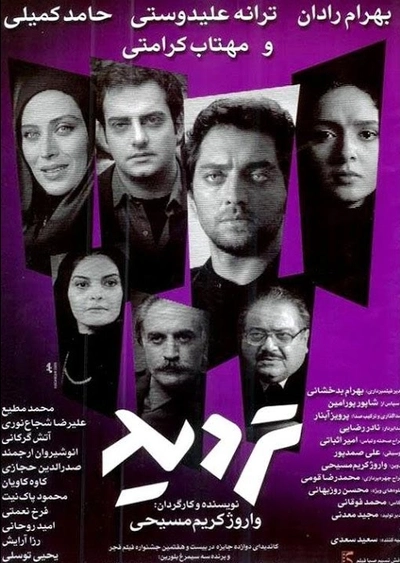
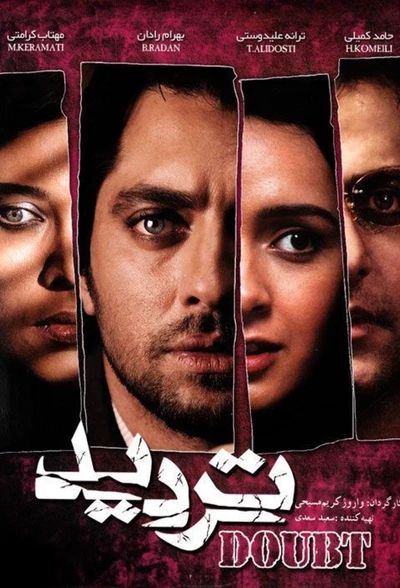
- Doubt ("Tardid" - تردید) (dir. Varuzh Karim-Masihi, 2009) Watch on Youtube (Seen 👁️✔️ )
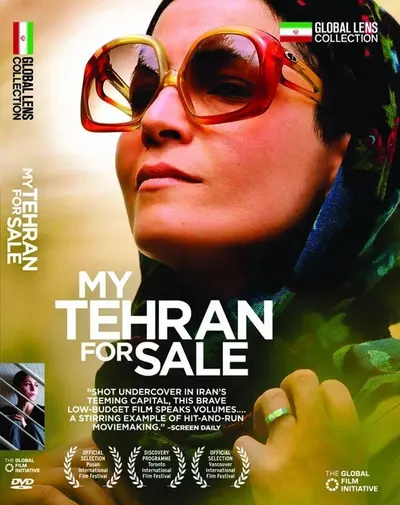
- My Tehran for Sale ("Teheran man, haraj" - تهران من، حراج) (dir. Granaz Moussavi, 2009) Trailer View Film Clip (Seen 👁️✔️ )
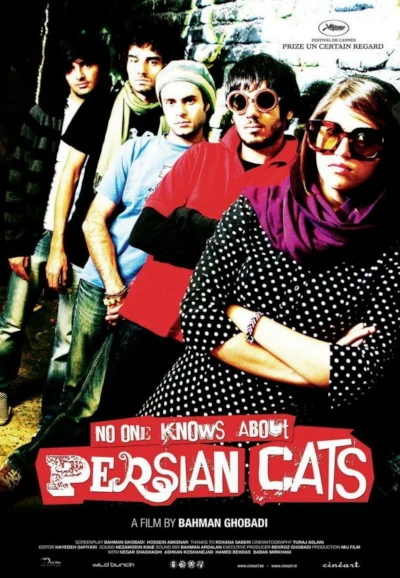
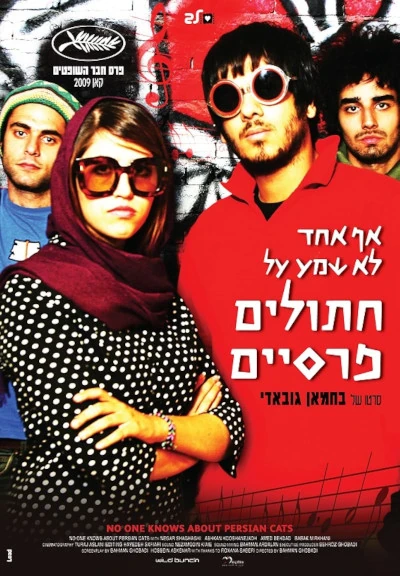
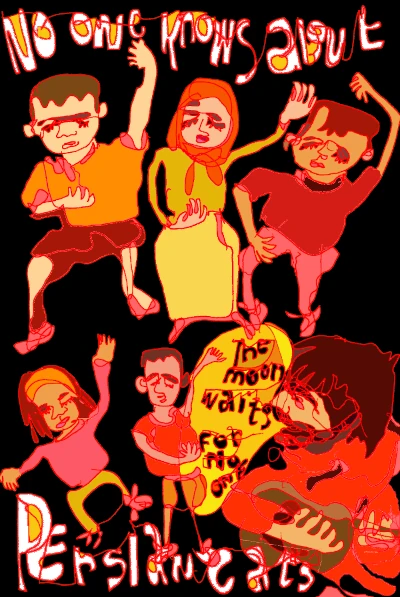
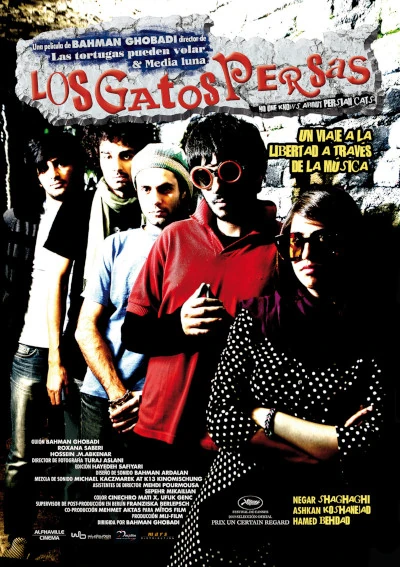
- No-one Knows About Persian Cats ("Kasi az Gorbehaye Irani Khabar Nadareh" - کسی از گربه های ایرانی خبر نداره) (dir. Bahman Ghobadi, 2009 - Interview) Trailer (Seen 👁️✔️ )
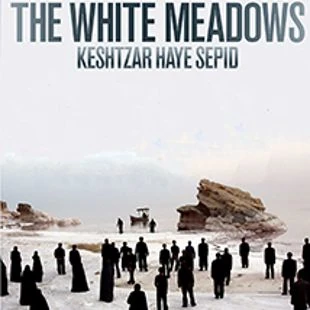
- The White Meadows ("Keshtzarhaye sepid" - کشتزارهای سپید) (dir. Mohammad Rasoulof, 2009) Watch on Youtube (Seen 👁️✔️ )
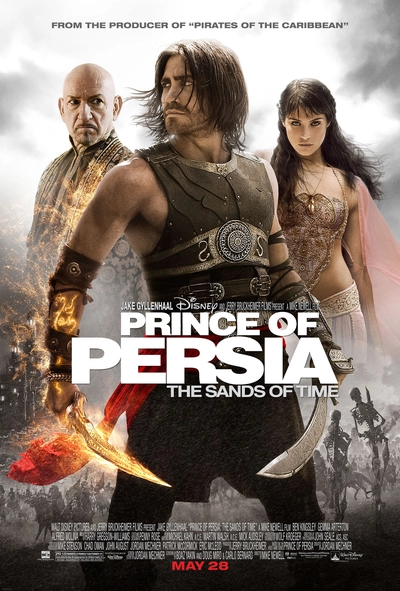
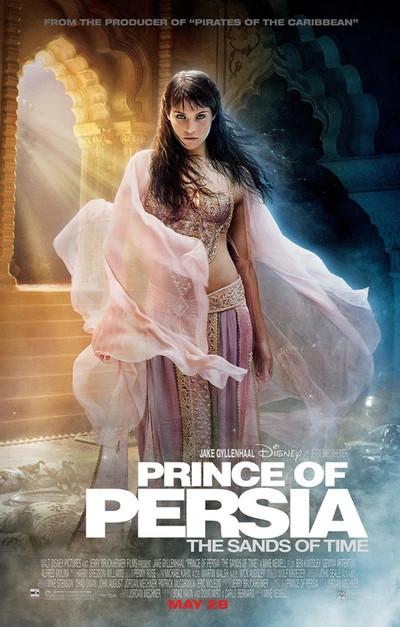
- Prince of Persia: The Sands of Time (dir. Mike Newell, 2010) Trailer (Seen?⏳❌ )
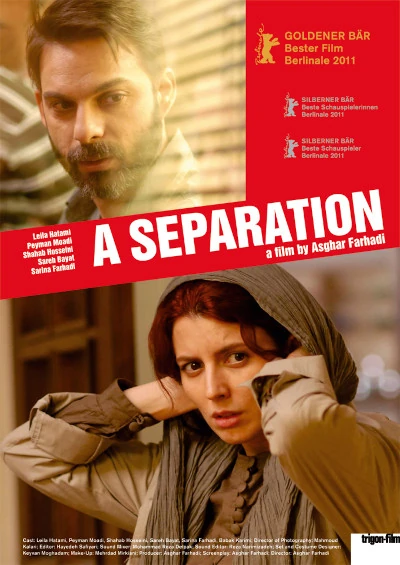
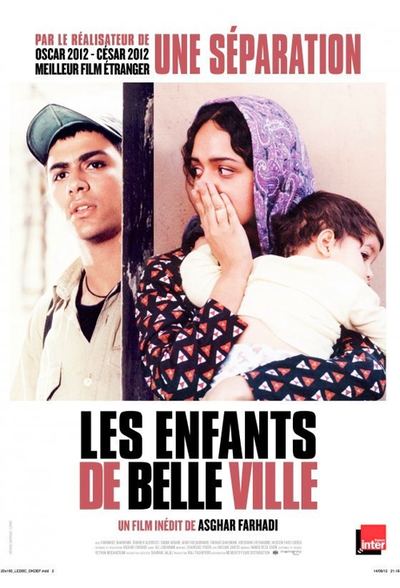
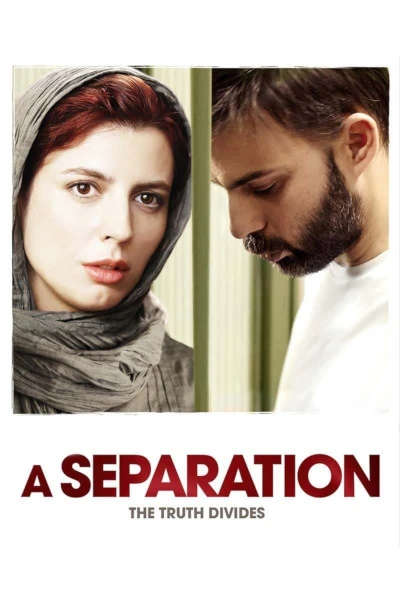
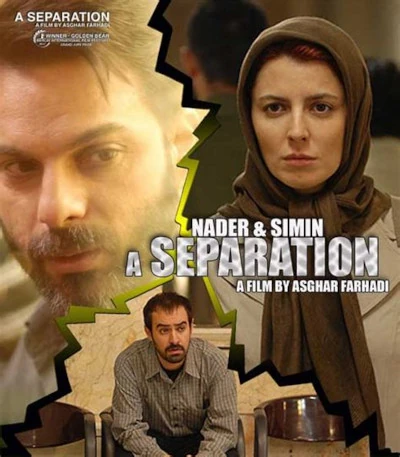
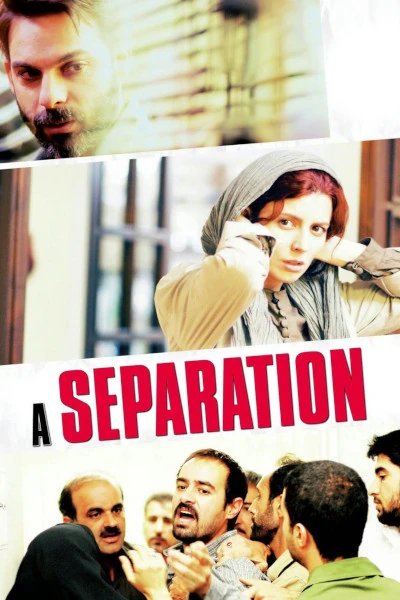
- A Separation ("Jodâyi-e Nâder az Simin" - The Separation of Nader from Simin - جدایی نادر از سیمین) (dir. Asghar Farhadi, 2011 - Interview) Trailer (Seen 👁️✔️ )
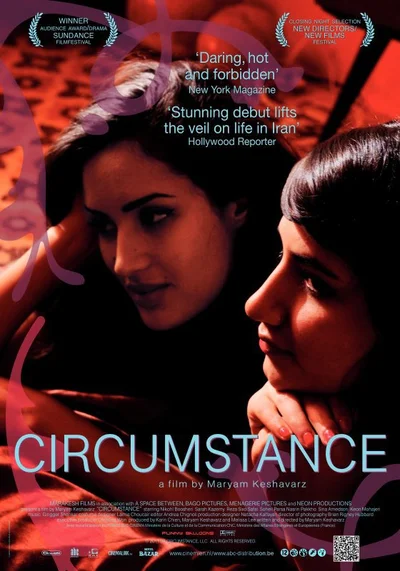
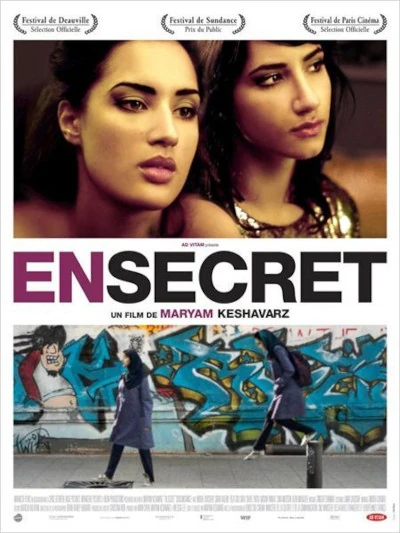
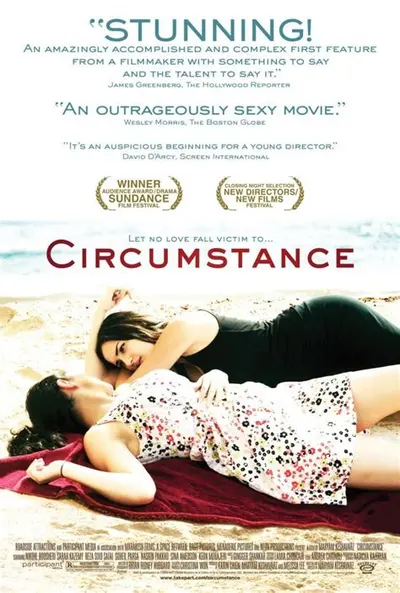
- Circumstance ("Šar'ayet" - شرایط) (dir. Maryam Keshavarz, 2011 - Interview) Trailer (Seen 👁️✔️ )
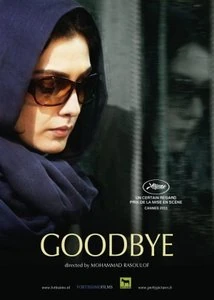
- Goodbye ("Be omid e didār" - Hope to see you - به امید دیدار) (dir. Mohammad Rasoulof, 2011) Trailer (Seen 👁️✔️ )
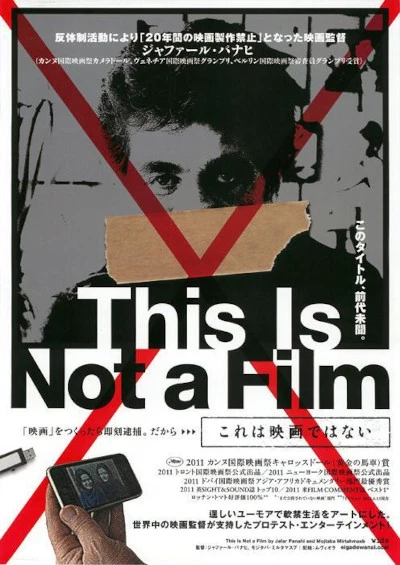
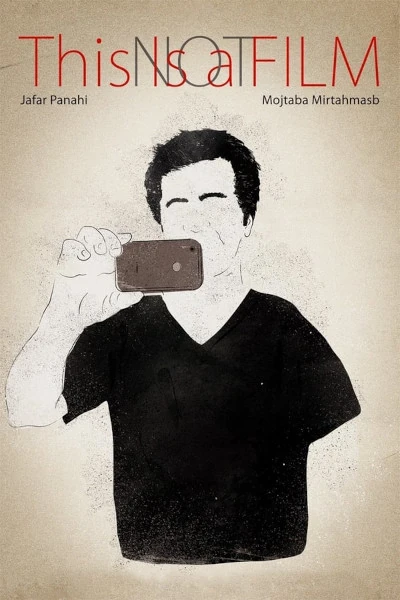
- This Is Not a Film ("In film nist" - این فیلم نیست) (dir. Jafar Panahi, 2011) Trailer (Seen 👁️✔️ )
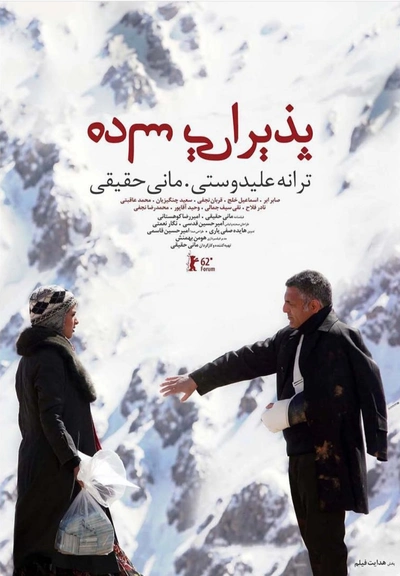
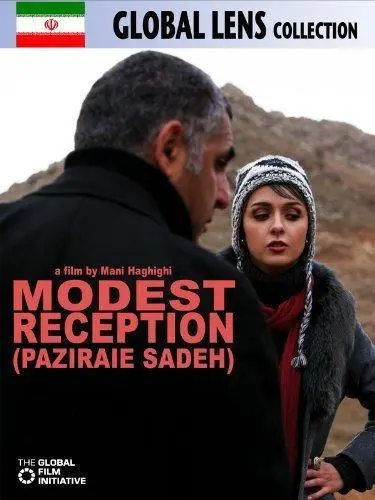
- Modest Reception ("Paziraie sadeh" - پذیرایی ساده) (dir. Mani Haghighi, 2012 - Interview) Trailer (Seen 👁️✔️ )
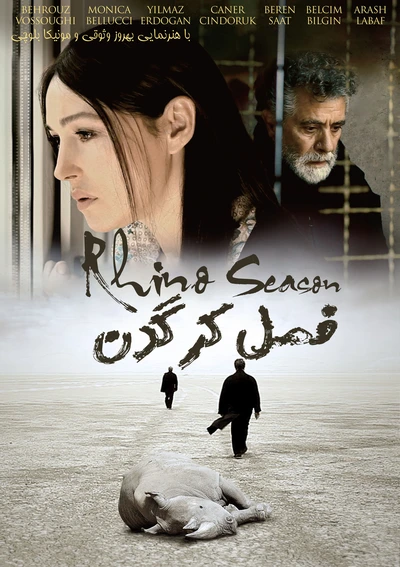
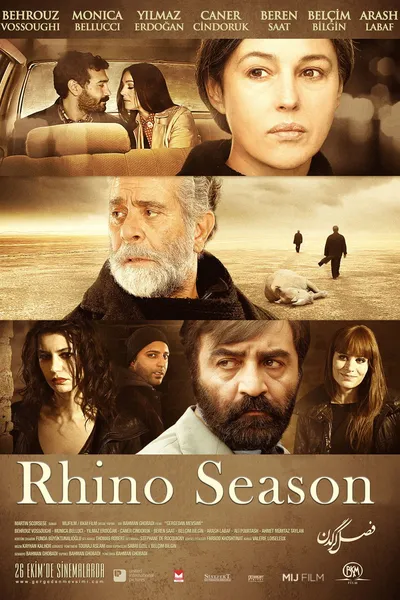
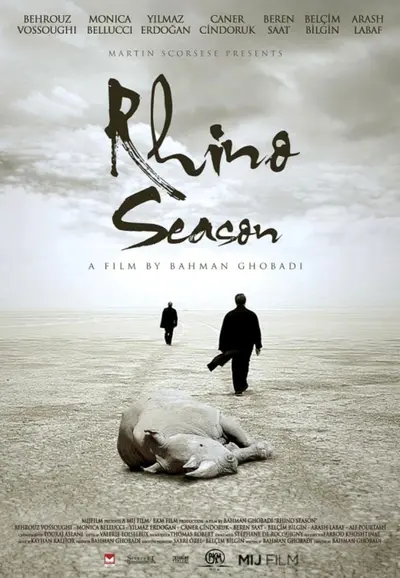
- Rhino Season ("Fasl-e Kargadan" - فصل کرگدن) (dir. Bahman Ghobadi, 2012) Trailer (Seen 👁️✔️ )
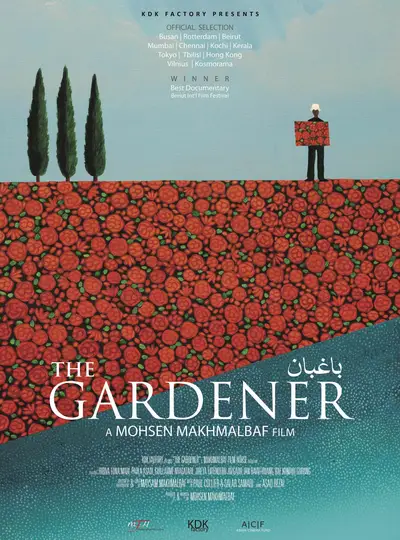
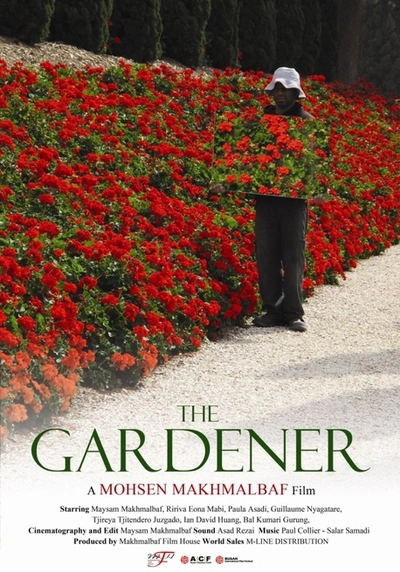
- The Gardener ("Bāghbān" - باغبان) (dir. Mohsen Makhmalbaf, 2012) Watch on Youtube (Seen 👁️✔️ )
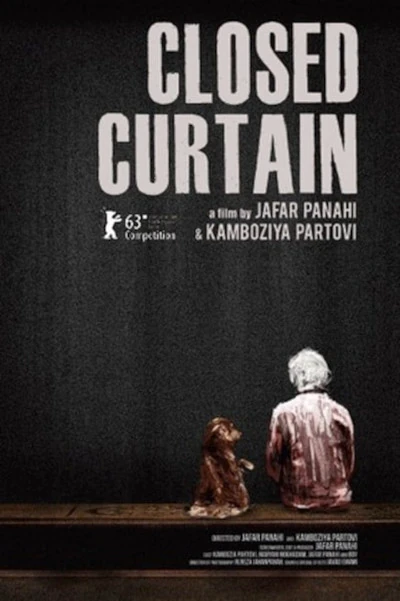
- Closed Curtain ("Pardeh" - پرده) (dir. Jafar Panahi, 2013) Trailer (Seen 👁️✔️ )
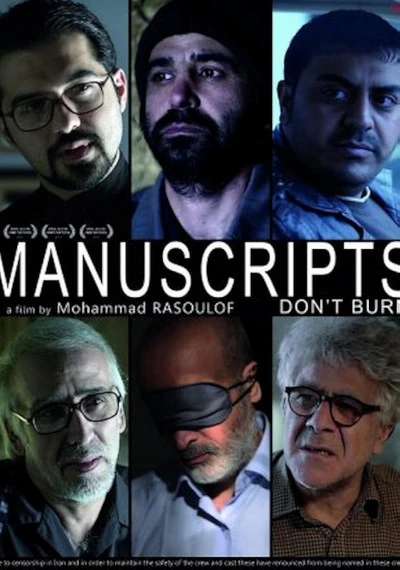
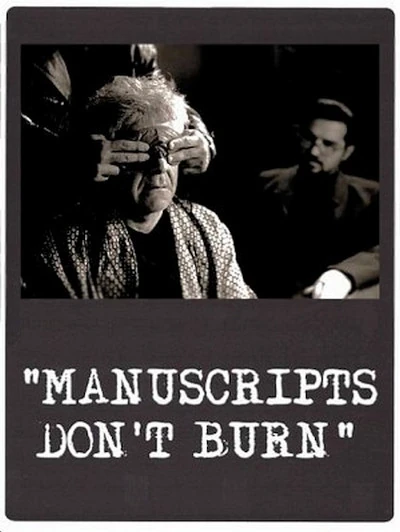
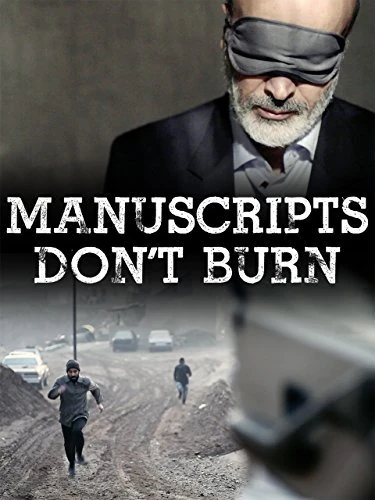
- Manuscripts Don't Burn ("Dast-Neveshtehaa Nemisoozand" - دستنوشتهها نمیسوزند) (dir. Mohammad Rasoulof, 2013 - Interview) Trailer (Seen 👁️✔️ )
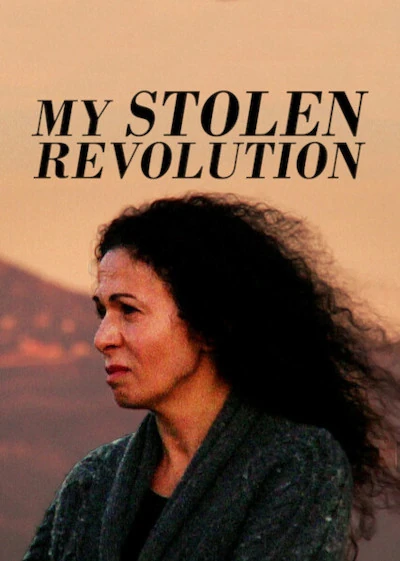
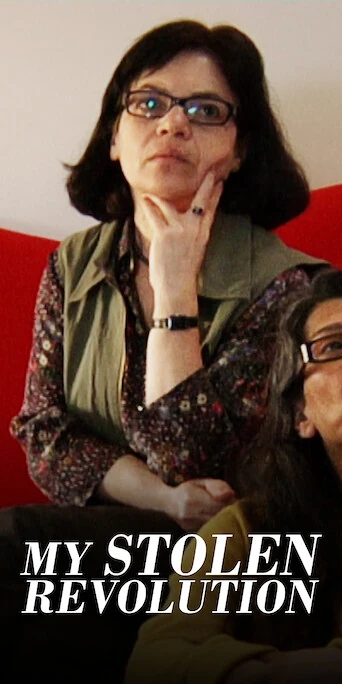
- My Stolen Revolution (dir. Nahid Persson, 2013) (Seen 👁️✔️ )
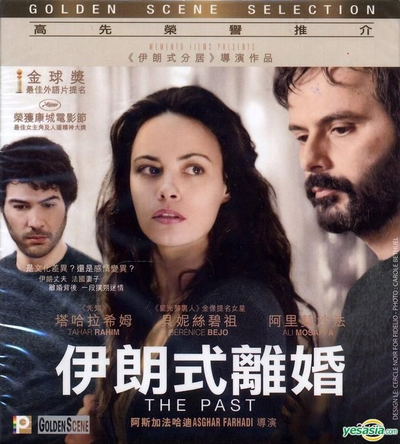
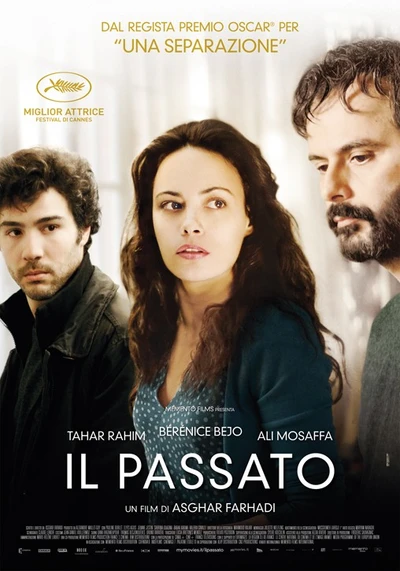
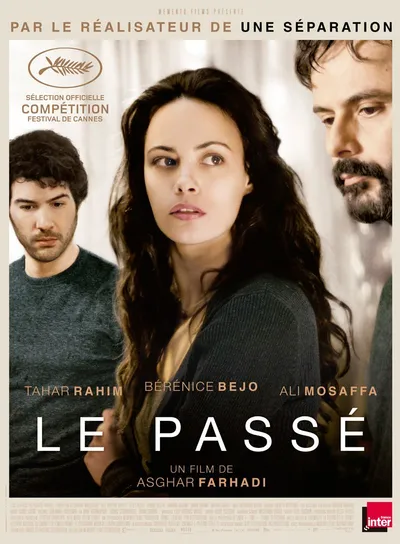
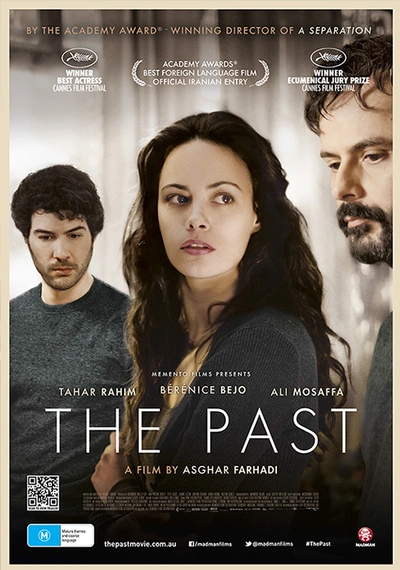
- The Past ("Gozashte" - گذشته) (dir. Asghar Farhadi, 2013 - Interview) Trailer (Seen 👁️✔️ )
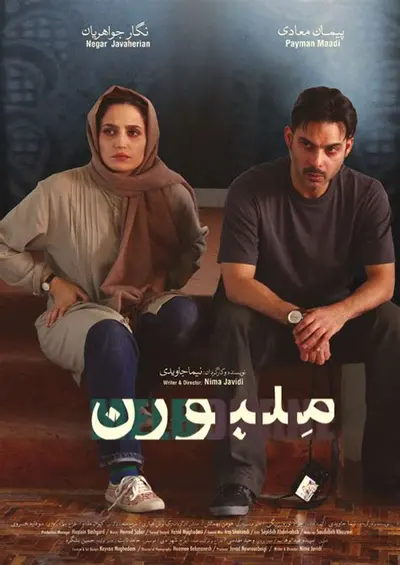
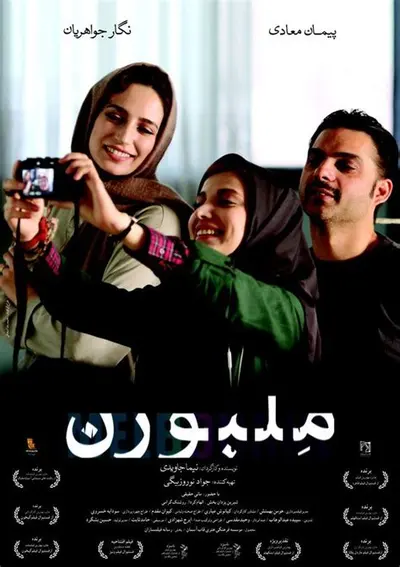
- Melbourne (ملبورن) (dir. Nima Javidi, 2014) Watch on Youtube (Seen 👁️✔️ )
- A Flag Without a Country ("Parcham bedon keshor" - پرچ م بدون کشور ; "Iallaî bê wllat" - ئاڵای بێ وڵات) (dir. Bahman Ghobadi, 2015 - Interview) Watch on Youtube (Seen 👁️✔️ )
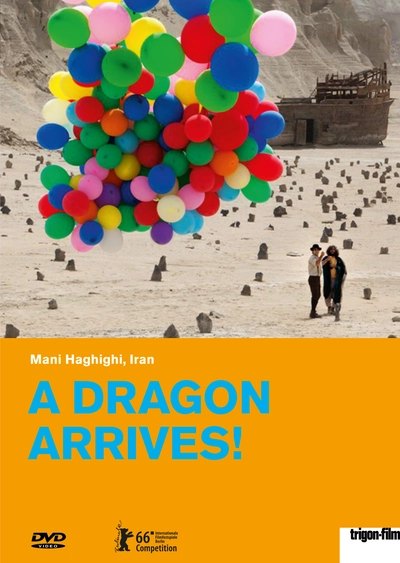
- A Dragon Arrives! ("Ejhdeha Vared Mishavad!" - اژدها وارد میشود) (dir. Mani Haghighi, 2016 - Interview) Trailer (Seen 👁️✔️ )
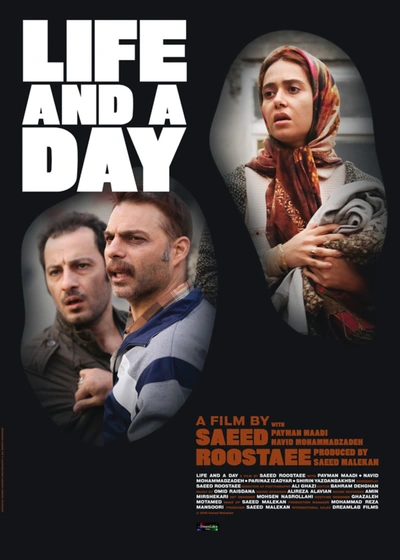
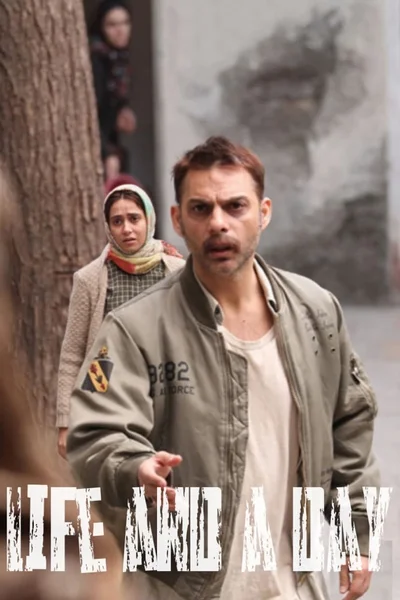
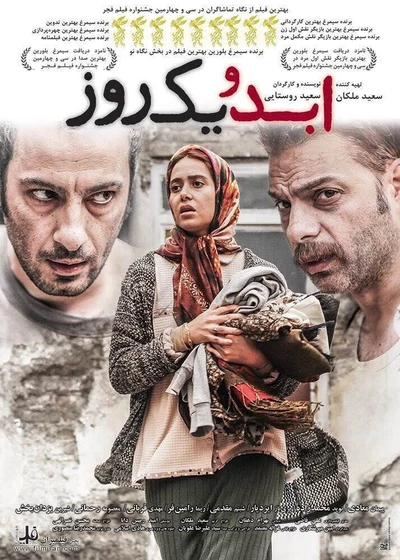
- Life and a Day ("Abad-o Yek Rouz" - ابد و یک روز) (dir. Saeed Roustayi, 2016) Watch on Youtube (Seen 👁️✔️ )
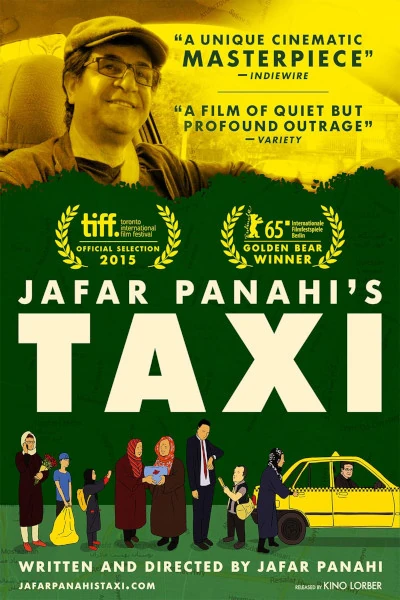
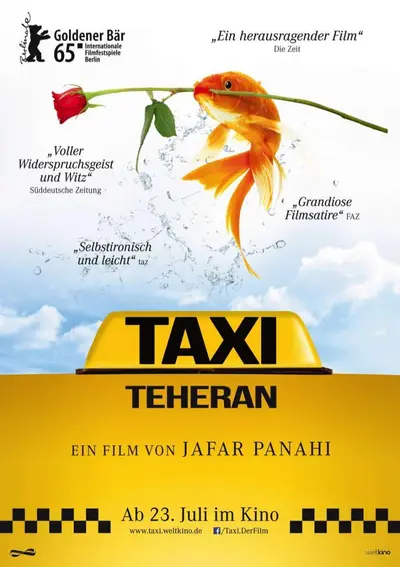
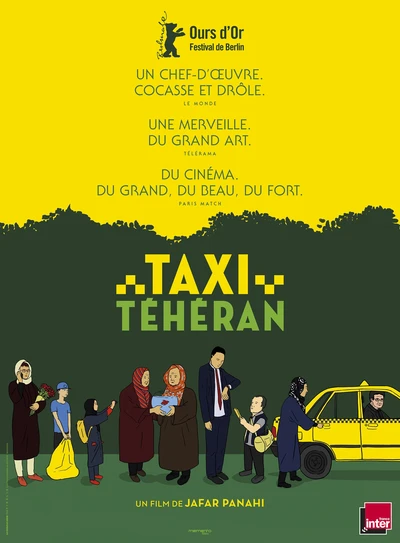
- Taxi (تاکسی) (dir. Jafar Panahi, 2016) Trailer (Seen 👁️✔️ )
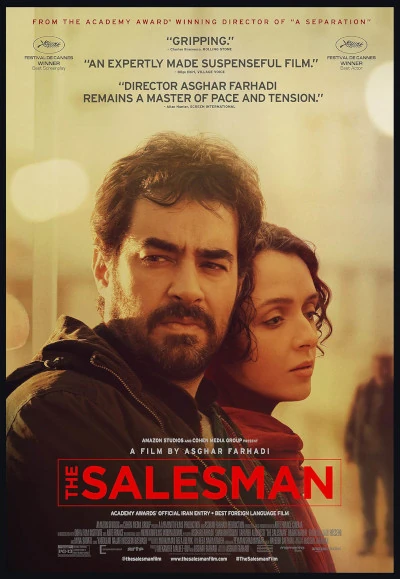
- The Salesman ("Forušande" - فروشنده) (dir. Asghar Farhadi, 2016 - Interview) Trailer (Seen 👁️✔️ )
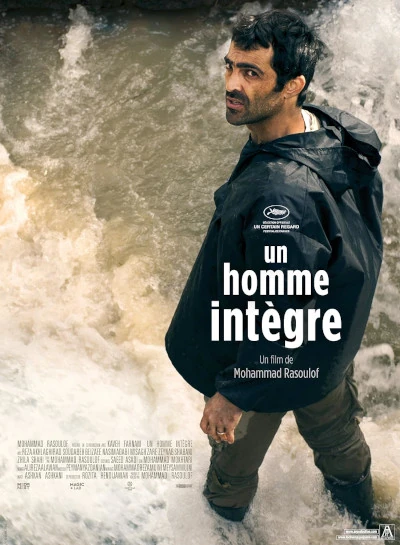
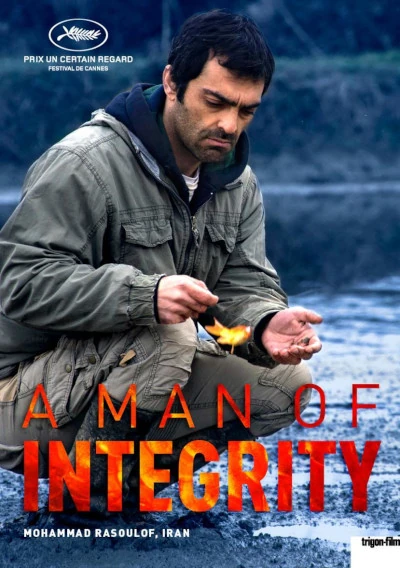
- A Man Of Integrity ("Lerd" - لِرد) (dir. Mohammad Rasoulof, 2017 - Interview) Trailer (Seen 👁️✔️ )
- Zero Days - Nuclear Cyber Sabotage (dir. Alex Gibney, 2017) Watch on Youtube (US-made documentary) (Seen 👁️✔️ )
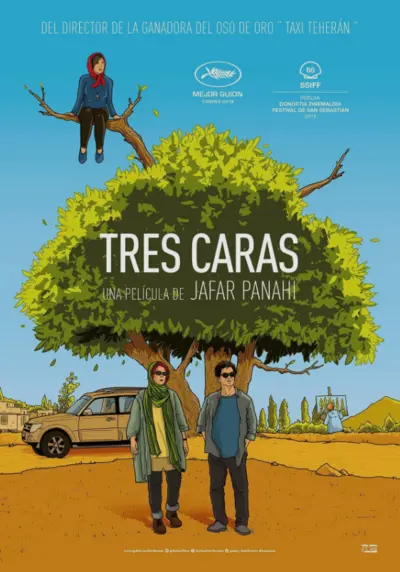
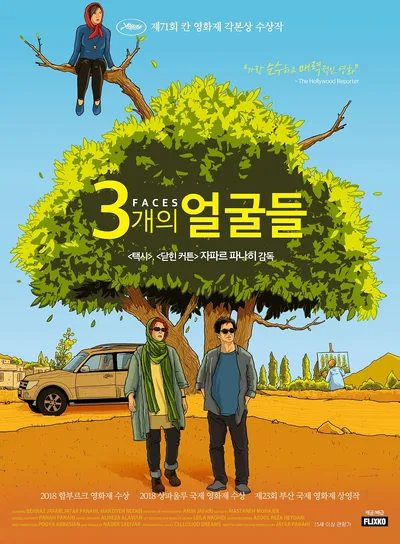
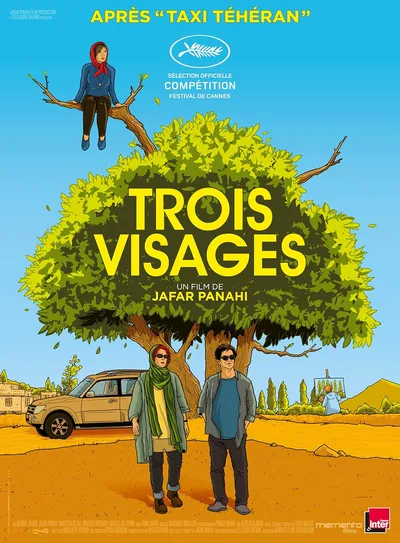
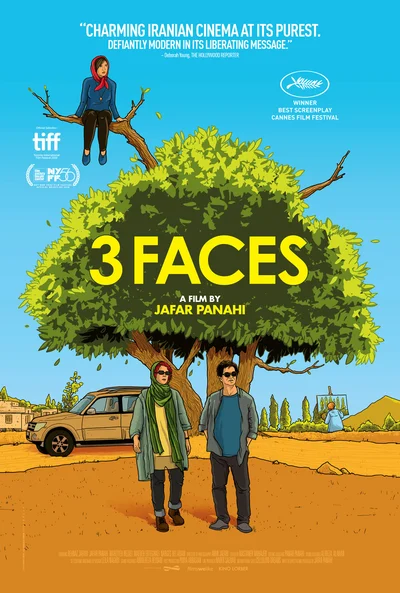
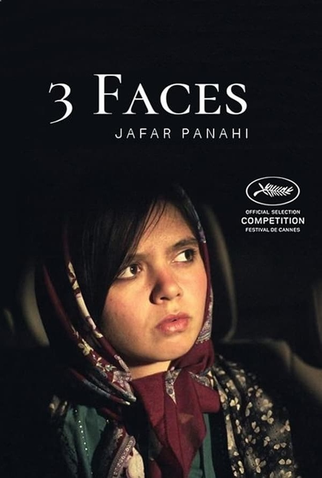
- 3 Faces ("Se rokh" - سه رخ) (dir. Jafar Panahi, 2018) Trailer (Seen 👁️✔️ )
- Bitter Rivals: Iran and Saudi Arabia (2018) Trailer (Seen 👁️✔️ )
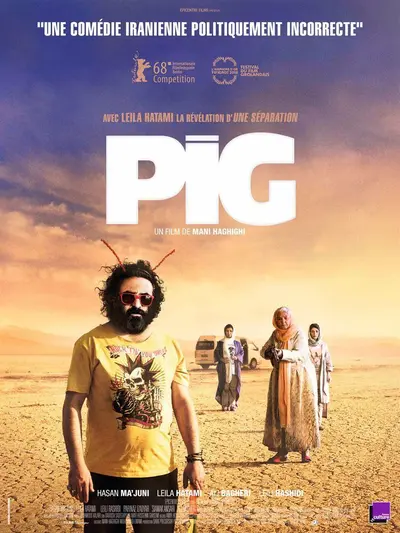
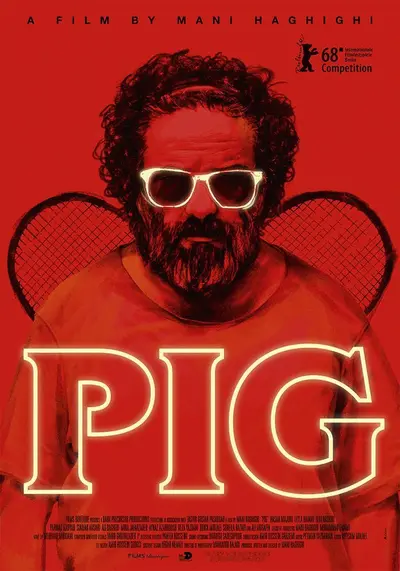
- Pig ("Khook" - خوک) (dir. Mani Haghighi, 2018 - Interview) Trailer (Seen 👁️✔️ )
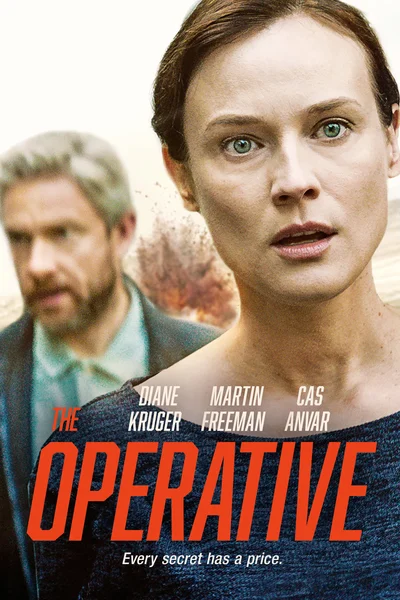
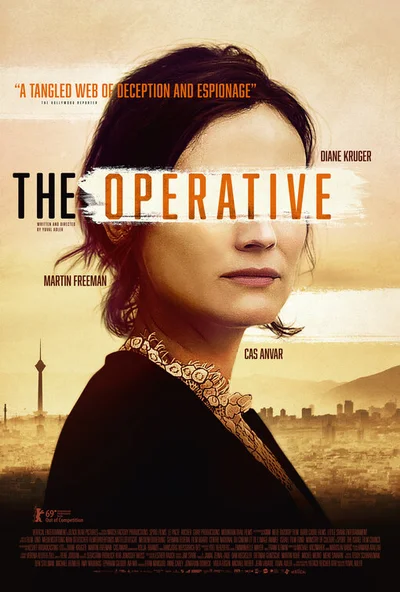
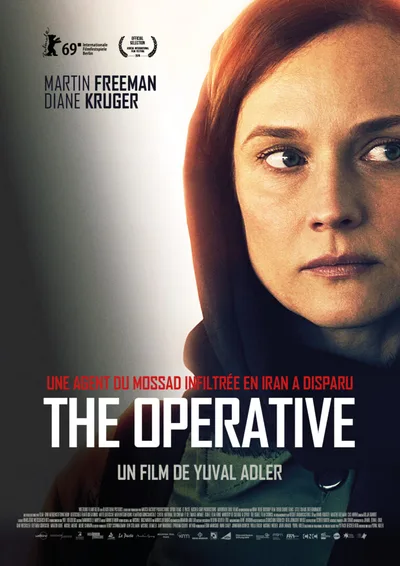
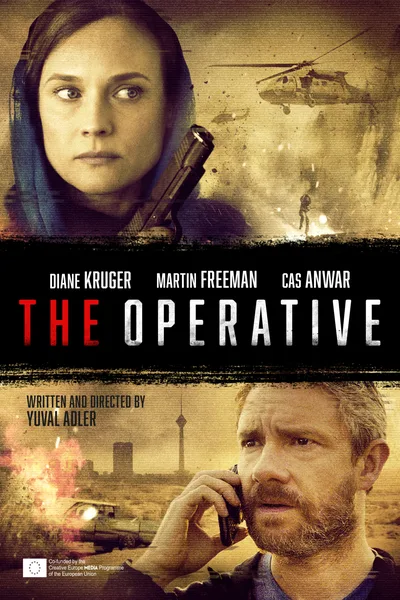
- The Operative (dir. Yuval Adler, 2019) Trailer (Seen?⏳❌ )
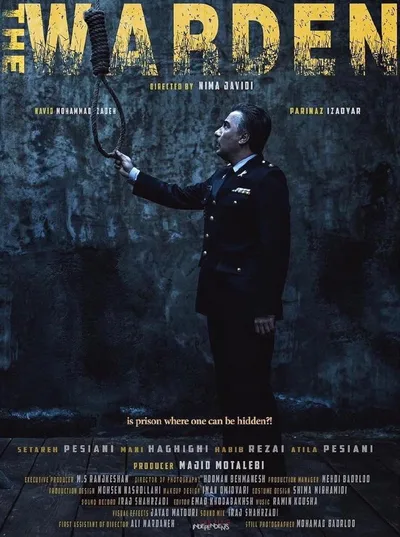
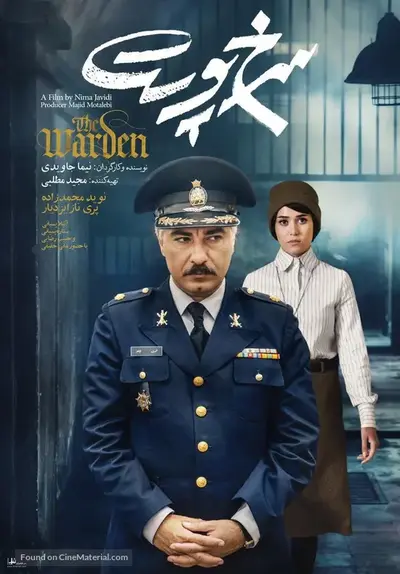
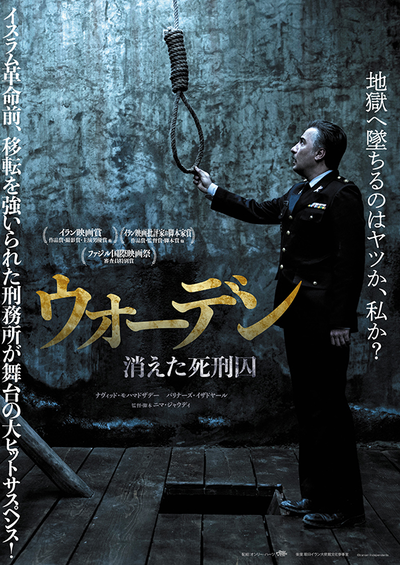
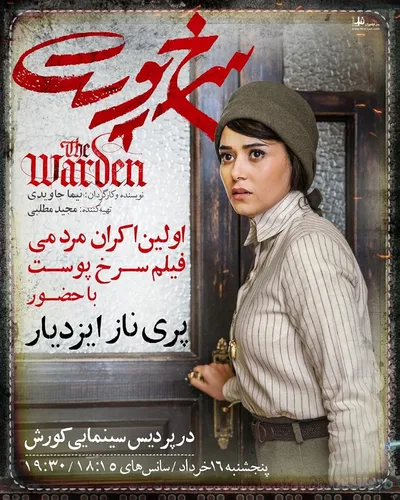
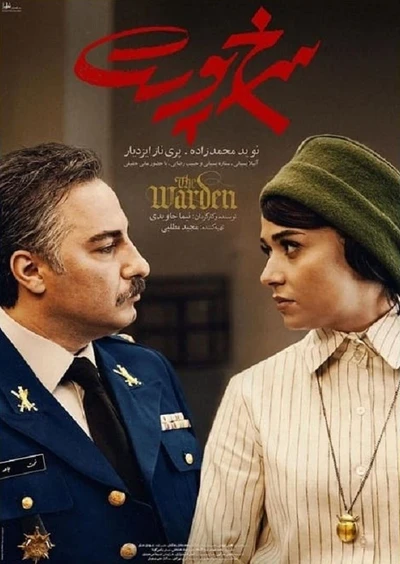
- The Warden ("Sorkhpust" - سرخپوست) (dir. Nima Javidi, 2019) Trailer (Seen 👁️✔️ )
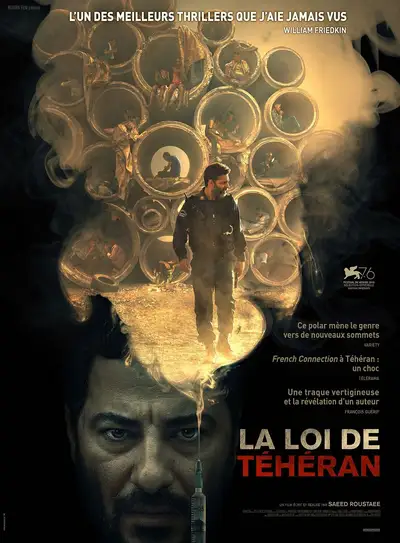
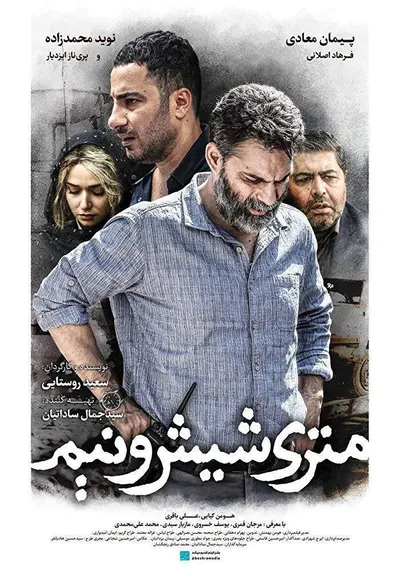
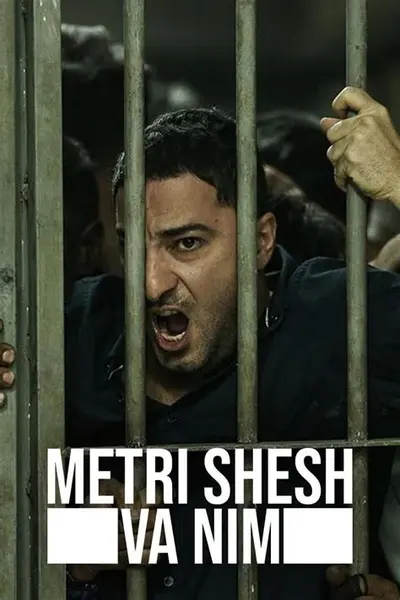
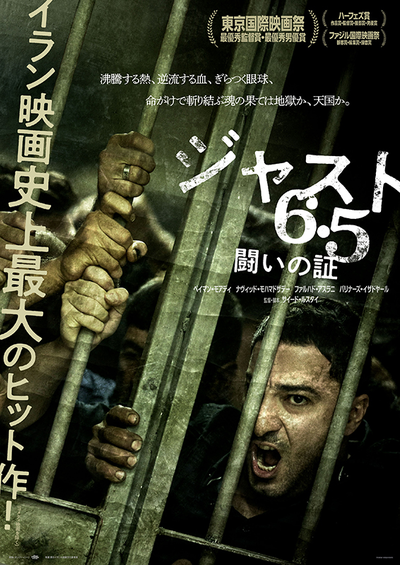
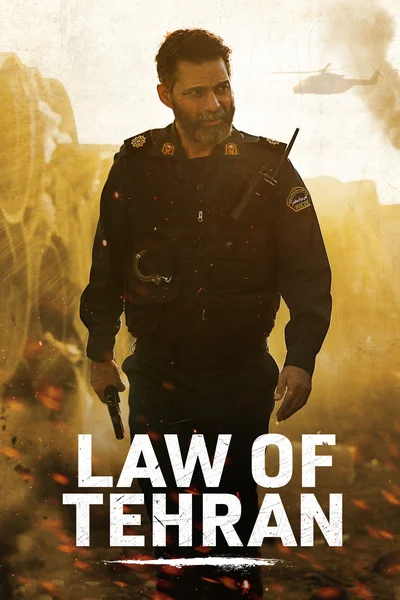
- Just 6.5 (AKA Law of Tehran) ("Metri Shesh-o Nim" - Six and a Half per Metre - متری شیش و نیم) (dir. Saeed Roustayi, 2020) Watch on Youtube (Seen 👁️✔️ )
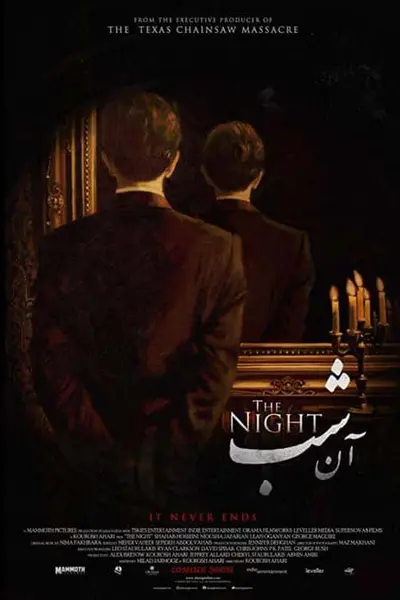
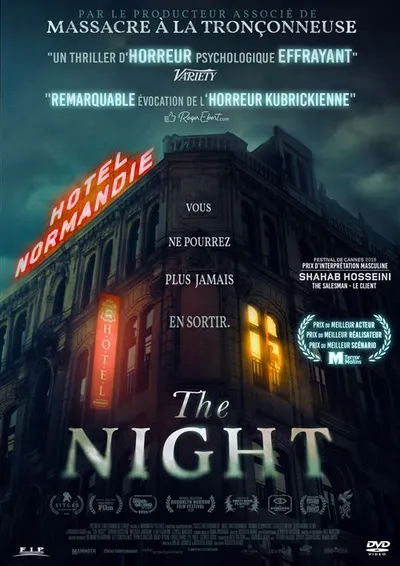
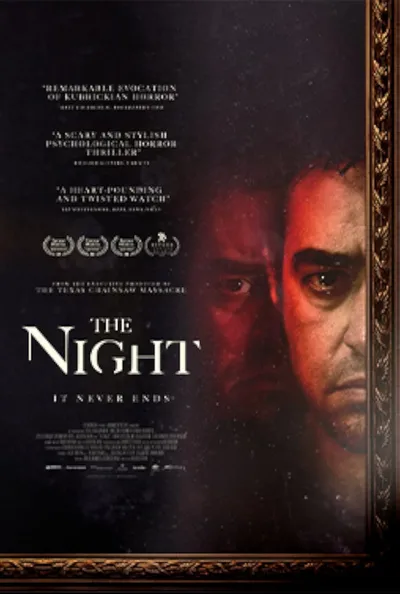
- The Night ("An shab" - That Night - آن شب) (dir. Kourosh Ahari, 2020) Trailer (Seen 👁️✔️ )
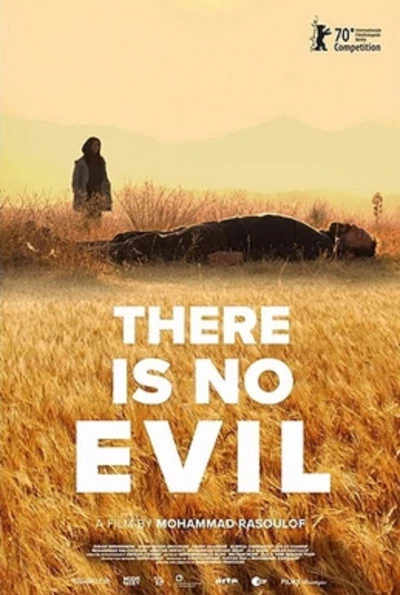
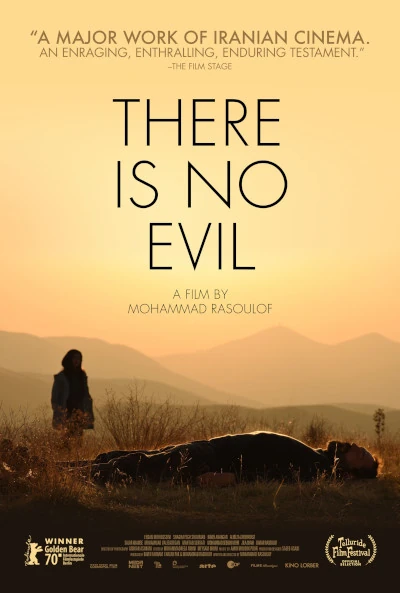
- There Is No Evil ("Sheytân vojūd nadârad" - Shaitan Doesn't Exist - شیطان وجود ندارد) (dir. Mohammad Rasoulof, 2020 - Interview) Trailer (Seen 👁️✔️ )
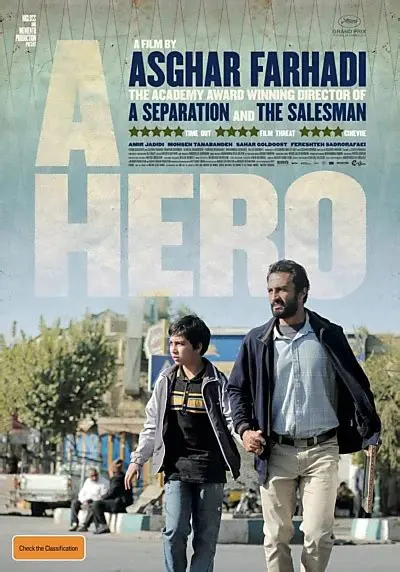
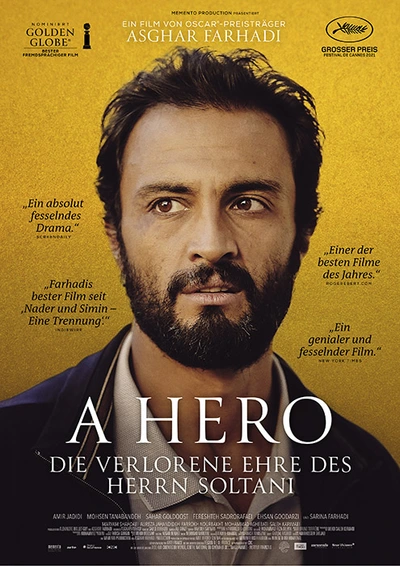
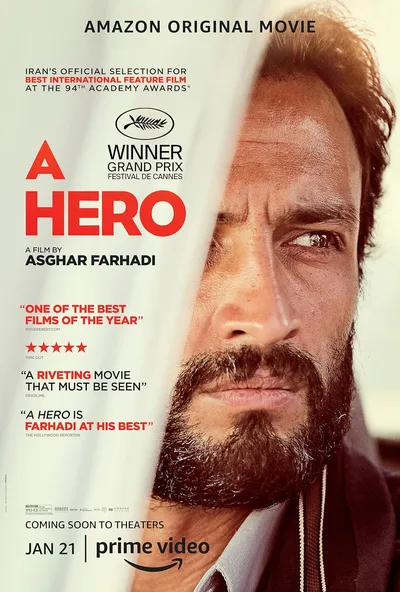
- A Hero ("Qahremaan" - قهرمان) (dir. Asghar Farhadi, 2021 - Interview) Trailer (Seen 👁️✔️ )
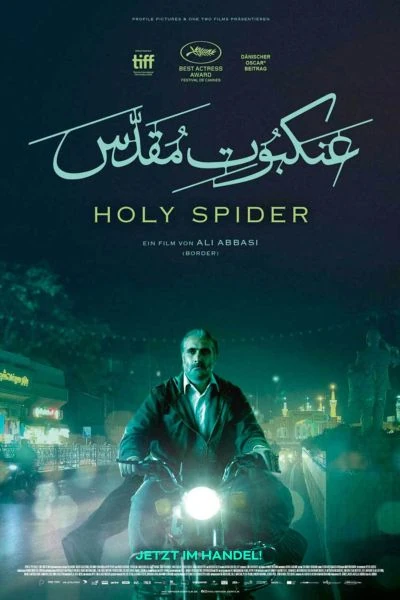
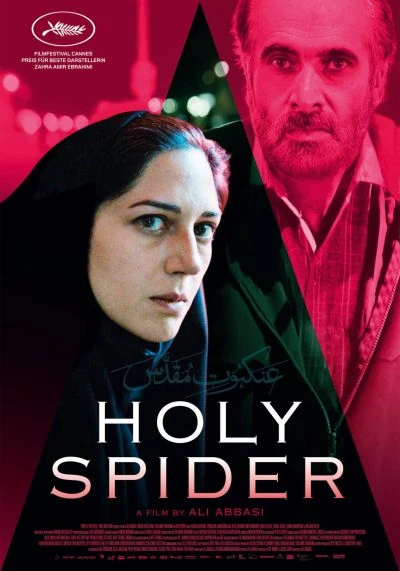
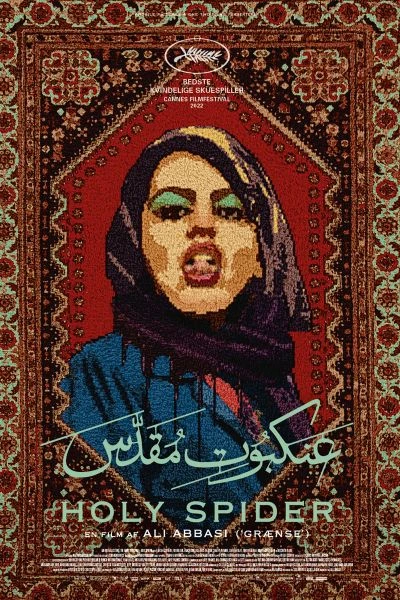
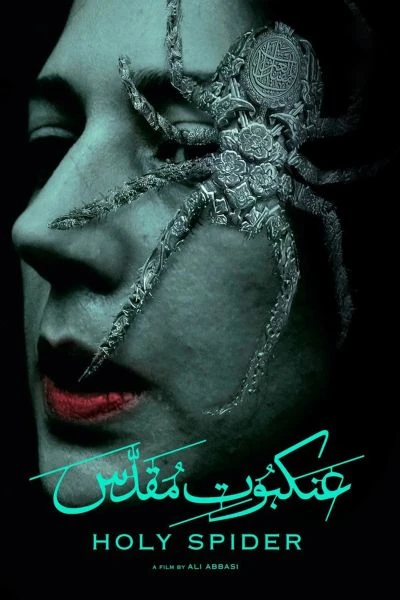
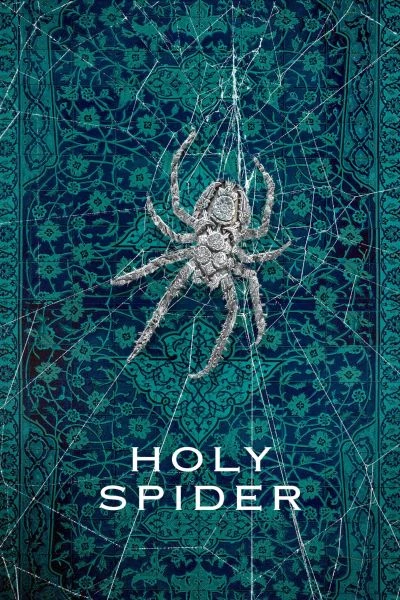
- Holy Spider ("Ankabut-e moqaddas" - عنکبوت مقدس) (dir. Ali Abbasi, 2022 - Interview) Trailer (Seen 👁️✔️ )
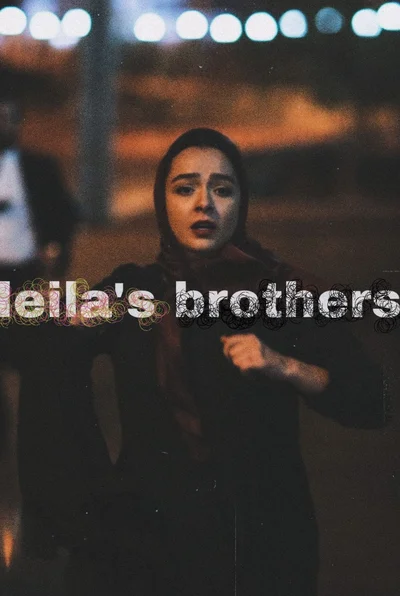
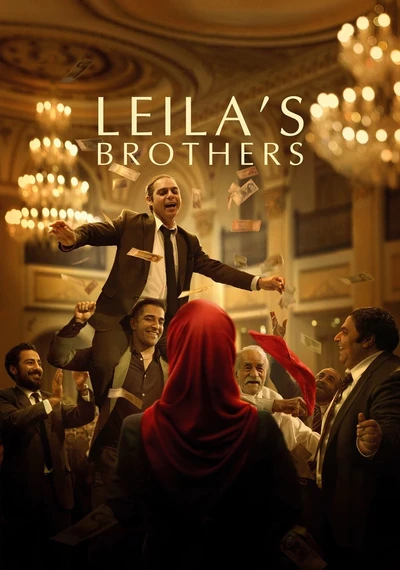
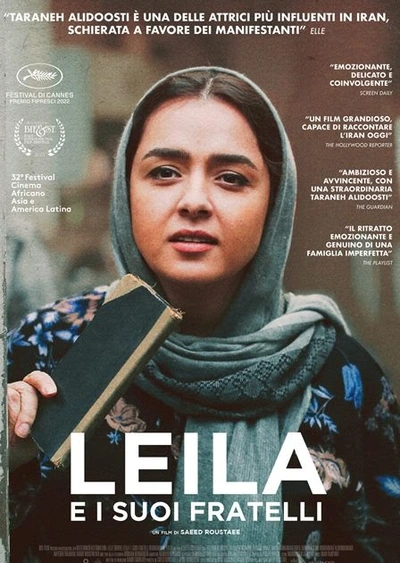
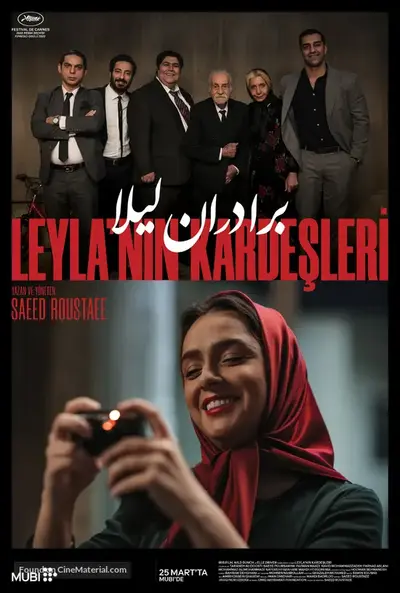
- Leila's Brothers ("Barādarān-e Leilā" - برادران لیلا) (dir. Saeed Roustayi, 2022) Trailer (Seen 👁️✔️ )
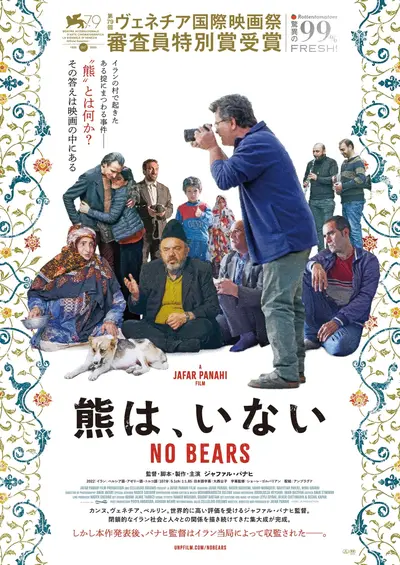
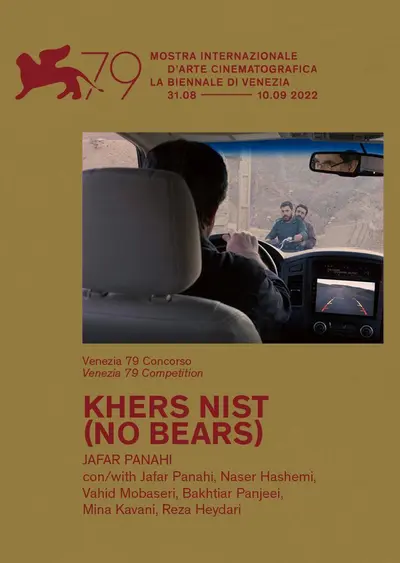
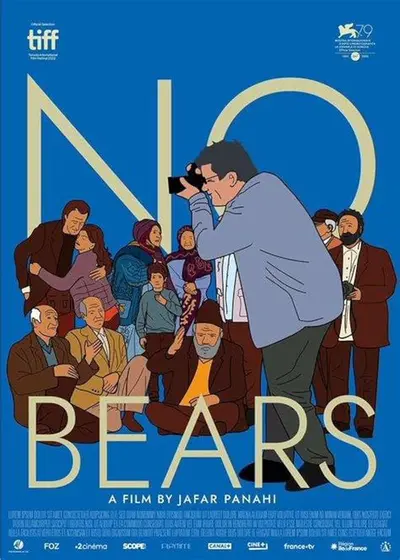
- No Bears ("Khers Nist" - خرس نیست) (dir. Jafar Panahi, 2022) Trailer (Seen 👁️✔️ )
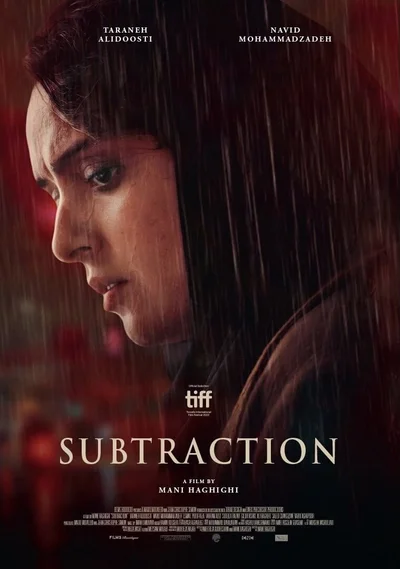
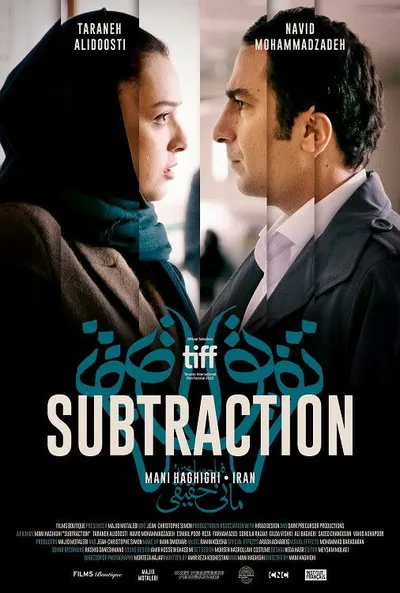
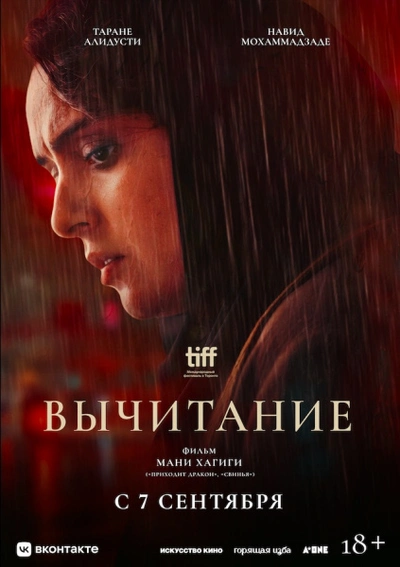
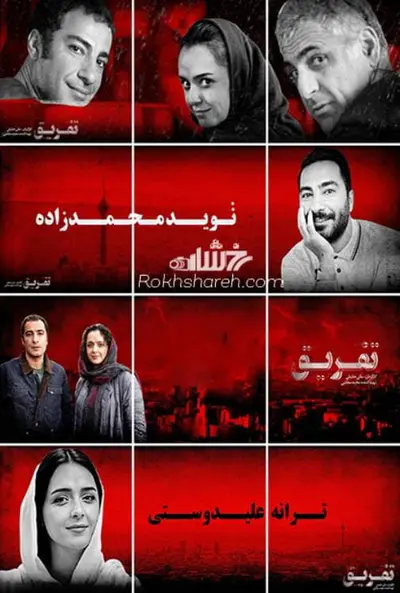
- Subtraction ("Tafrigh" - تفریق) (dir. Mani Haghighi, 2022 - Interview) Trailer (Seen 👁️✔️ )
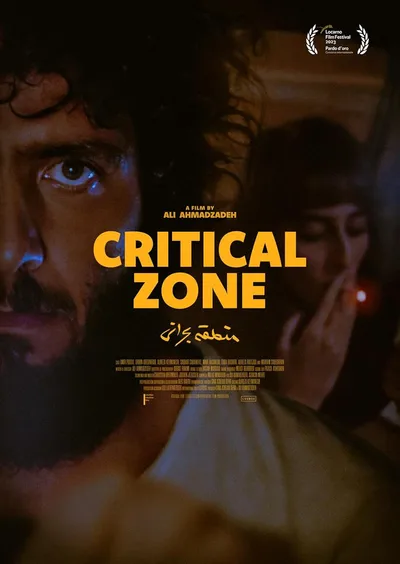
- Critical Zone ("Mantagheye bohrani" - منطقه بحرانی) (dir. Ali Ahmadzadeh, 2023) Watch on Youtube (Seen 👁️✔️ )
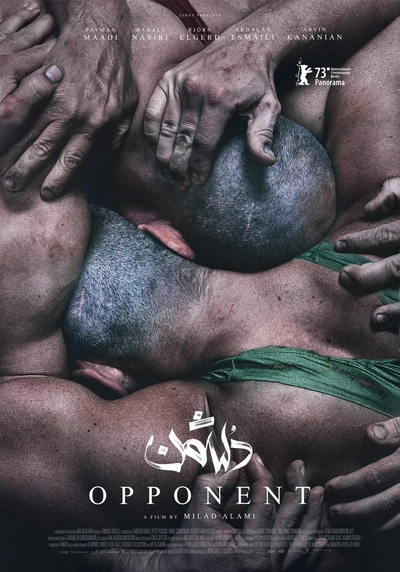
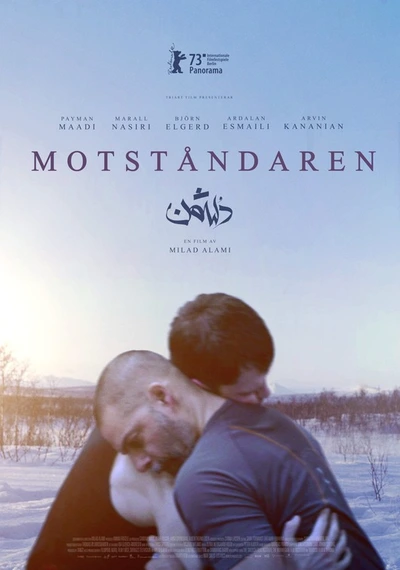
- Opponent ("Dashman" - دشمن) (dir. Milad Alami, 2023 - Interview) Trailer (Seen 👁️✔️ )
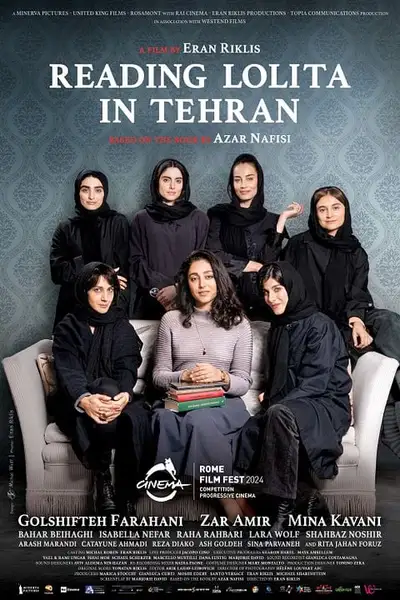
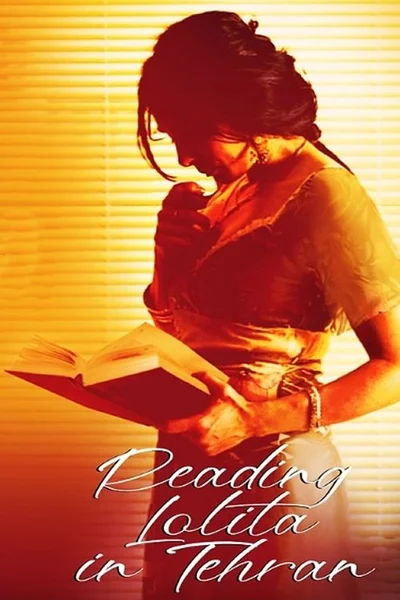
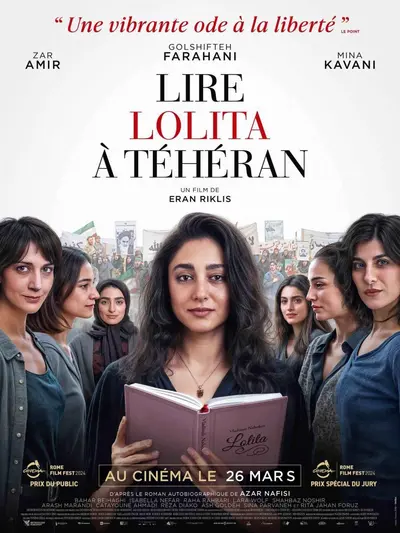
- Reading Lolita in Tehran ("Lolita khani dar taharan" - لولیتا خوانی در تهران) (dir. Eran Riklis, 2023 - Interview) Trailer (Seen 👁️✔️ )
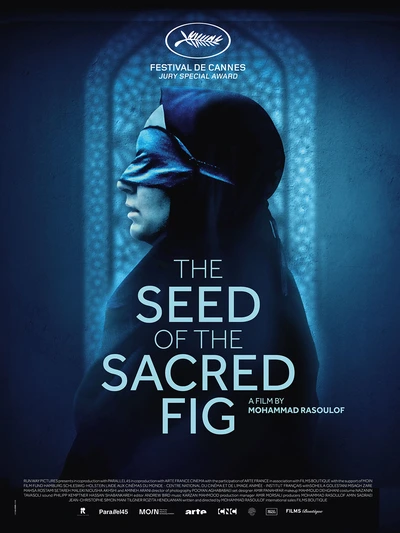
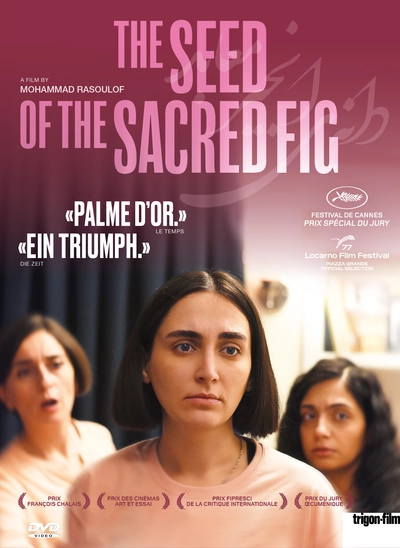
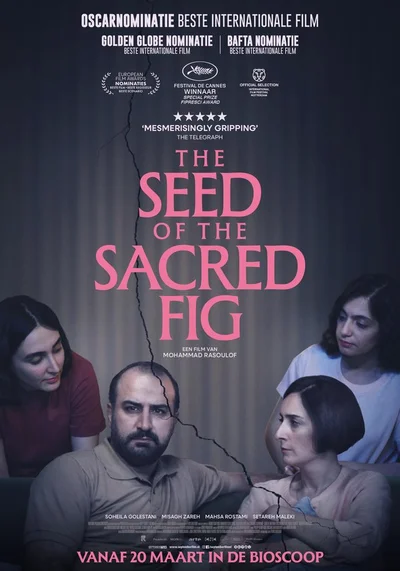
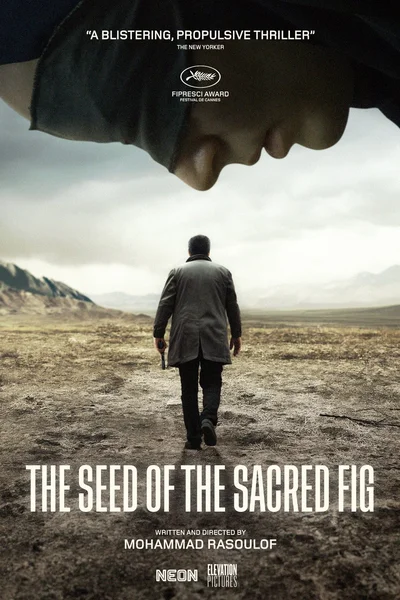
- The Seed of the Sacred Fig ("Dāne-ye anjīr-e ma'ābed" - دانهی انجیر معابد) (dir. Mohammad Rasoulof, 2024) Trailer (Seen 👁️✔️ )
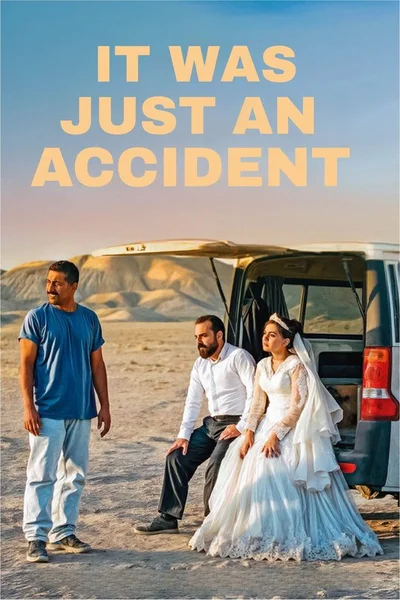
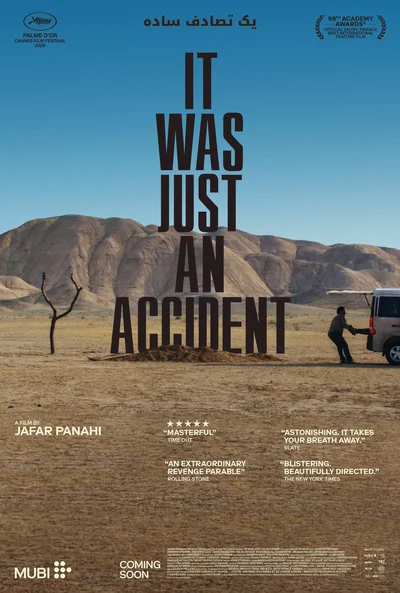
- It Was Just An Accident ("Yek tasādof-e sāde" - یک تصادف ساده) (dir. Jafar Panahi, 2025) Trailer (Seen 👁️✔️ )














Films from/about Turkey

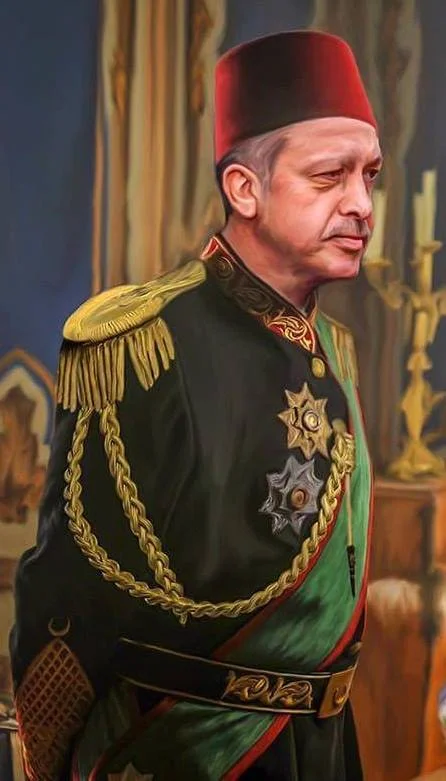
I suppose it was inevitable that I would eventually have to add this section, especially once I started talking about the intersection of the Middle East with Europe, on both sides that is and not only from the long historical Jewish angle. It’s actually a bit of a cliché to point out that this is a country with one foot in Europe and one foot in the Middle East, so this section certainly complements the section of films relating to diaspora communities in Europe. As for the name of this country, sorry Recep, I’m not going to play your silly word game, and I’ll continue to call it what I’ve always called it, in my language, not yours. Unintentional double meanings make a language funny. Taking offence at double meanings only reveals how brittle your national ideology is. To be discussed.
NGL - like all the others on this site, it’s really hard to find some of these films! And when you do find them, getting them with subtitles - synced! - is probably harder. It’s very similar to the situation with Iranian films, though. There are quite a few on YouTube (EVEN with subtitles, occasionally), and you can also find them on dodgy Russian sites, but there of course you’re not likely to be getting them with subs. The difference with the Iranian films is that in the latter case many of the filmmakers are very intentionally making the films available on as many sites as they can find, because their films are banned in Iran. They’re also fairly keen, it seems, to ensure that the films will have subtitles, so that they get noticed outside Iran. In the Turkish case, I guess the dynamics are not the same. Whatever we say about the state of politics in Turkey, it’s not the same as Iran, and films being available so much on free sites comes down to commercial streaming sites not picking them up, and to the fact that it’s still kind of the Wild West as far as copyright is concerned. Needless to say, though, I can’t guarantee that a link that I’ve found today will still be working tomorrow!
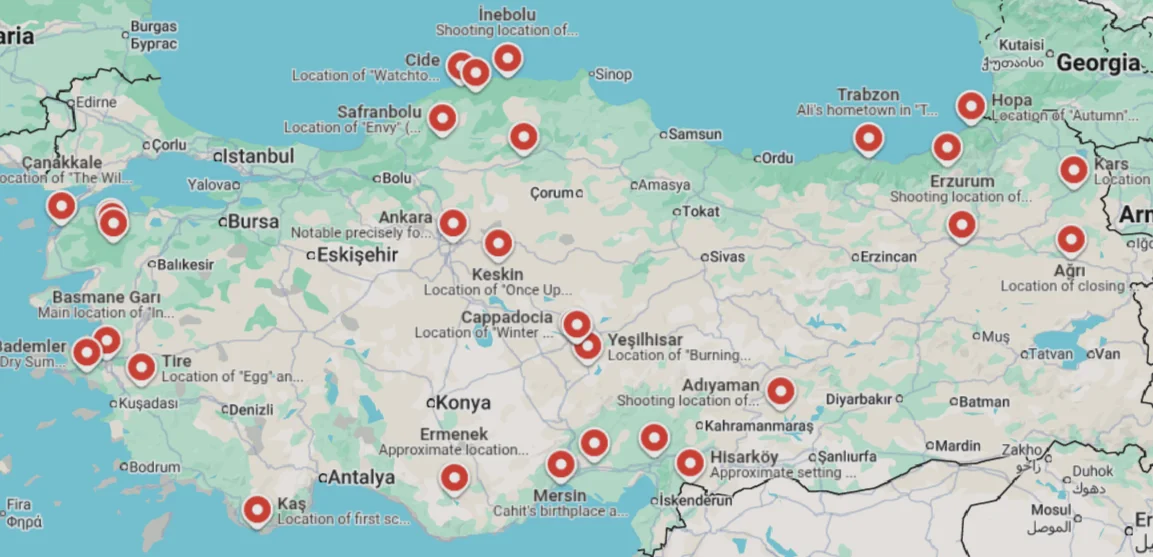
As with the Iranian and Kurdish films, I’ve created a a Google map of Turkish films on the list, originally (like many things here) for my own reference, but hopefully of interest to others. As with Tehran on the Iranian list, there’s no point putting Istanbul, as it’s the setting for about half of the films, and without a more granular knowledge of the city I can’t make a very informative map.
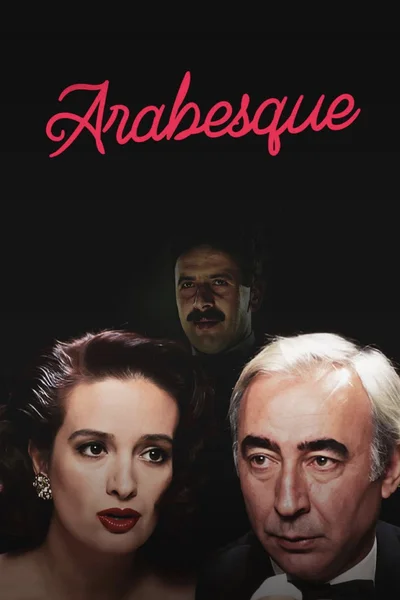
I also need to reference an excellent source that I found on IMDB - Best Turkish Films of All Time. I found it quite a long way into the journey, but since a large number of films that I had already found and loved were on there I took the author to be someone with taste, and tried to find as many of the films on that list as I could. It’s simply not possible to find every Turkish film from the 50s to the 80s with English subtitles, but with AI there are quite a lot of tricks that you can do these days. I could only find Turkish subtitles for Arabesque, for example, and so the method was to machine translate them. That’s actually one of the least complicated operations that I’ve done with AI in order to access (what really should not be) obscure Turkish cinema. The subtitles that I have won’t be perfect, obviously, and one day I hope to get a Turkish human pair of eyes to check a lot of the work that I’ve done here.
122 films in this section.
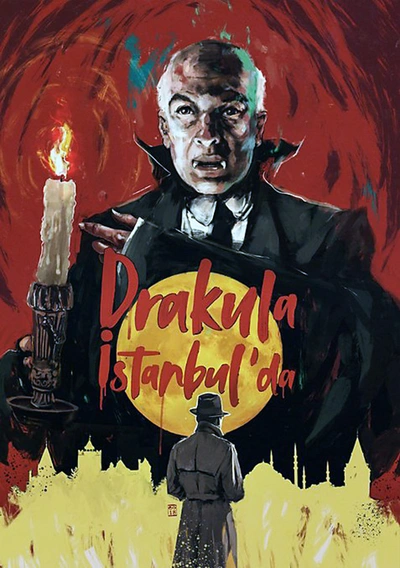
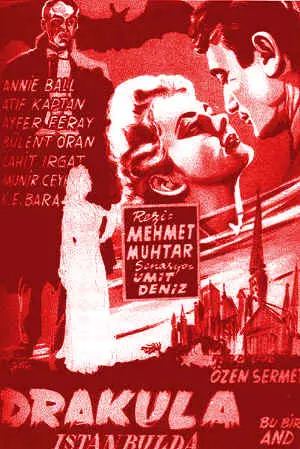
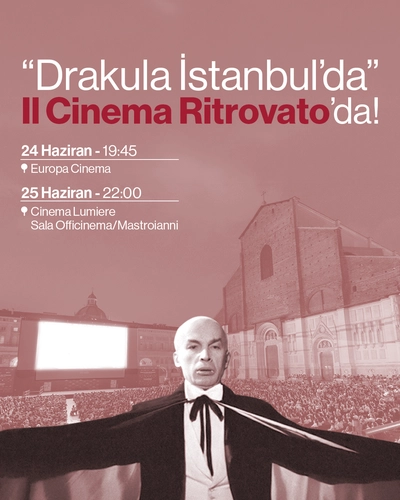
- Dracula in Istanbul (Drakula Istanbul'da) (dir. Mehmet Muhtar, 1952) Watch on Youtube (Seen?⏳❌ )
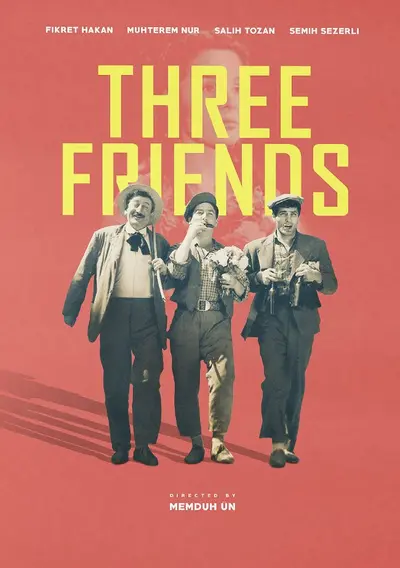
- Three Friends (Üç Arkadas) (dir. Memduh Ün, 1958) Watch on Youtube (No subtitles) (Seen?⏳❌ )
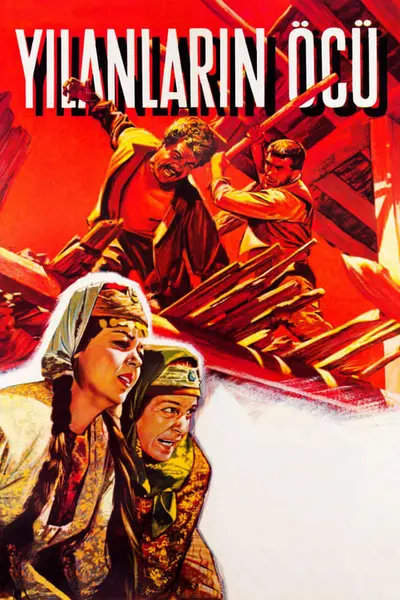
- Revenge of the Snakes (Yilanlarin Öcü) (dir. Metin Erksan, 1962) Watch on Youtube (No subtitles) (Seen?⏳❌ )
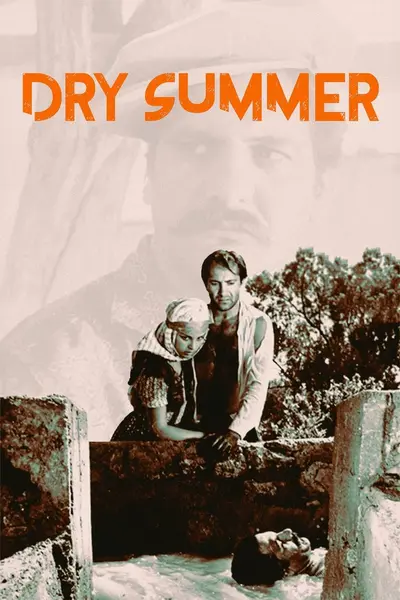
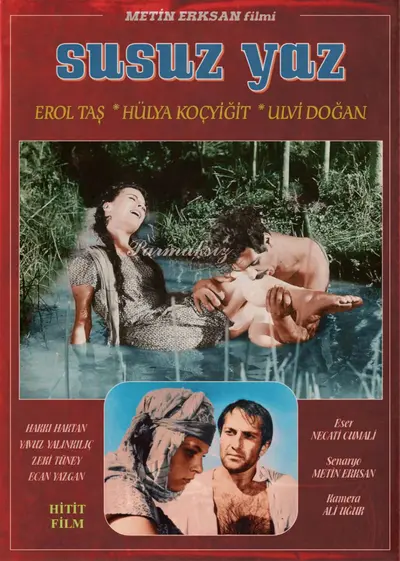
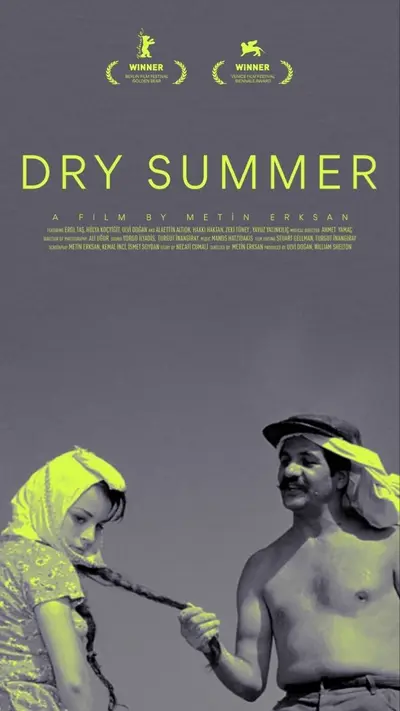
- Dry Summer (Susuz Yaz) (dir. Metin Erksan, 1963) Watch on Youtube (No subtitles) (Seen?⏳❌ )
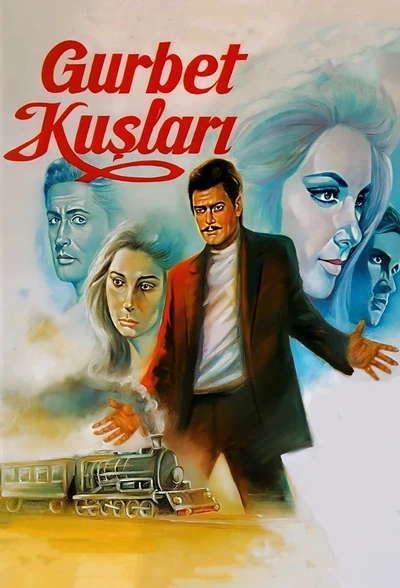
- Birds of Exile (Gurbet Kuşları) (dir. Halit Refiğ, 1964) Watch on Youtube (no subs) (Seen?⏳❌ )
- Four women in the harem (Haremde Dört Kadın) (dir. Halit Refiğ, 1965) Watch on Youtube (Seen?⏳❌ )
- Time To Love (Sevmek Zamani) (dir. Metin Erksan, 1965) Trailer ( ) (Seen?⏳❌ )
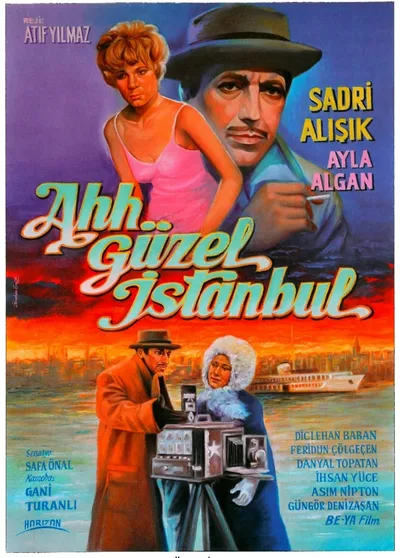
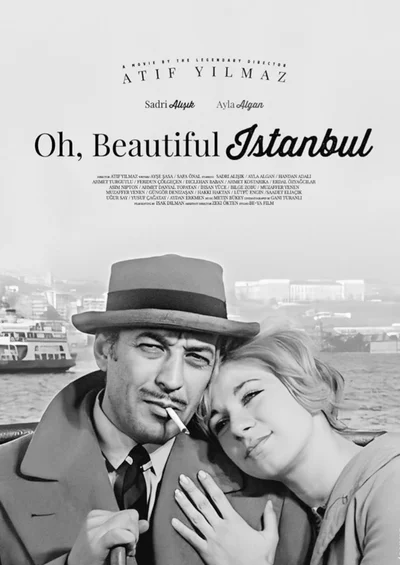
- Oh, Beautiful Istanbul (Ah Güzel Istanbul) (dir. Atıf Yılmaz, 1966) Watch on Youtube (No subs) (Seen?⏳❌ )
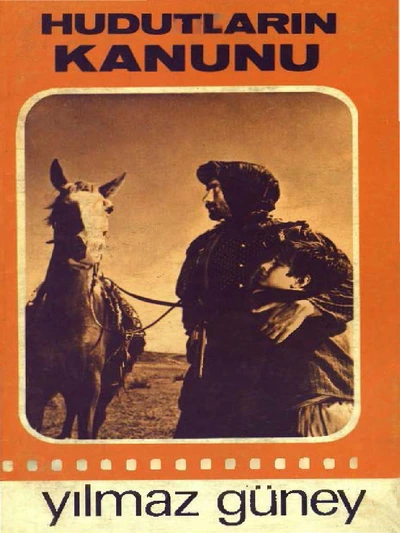
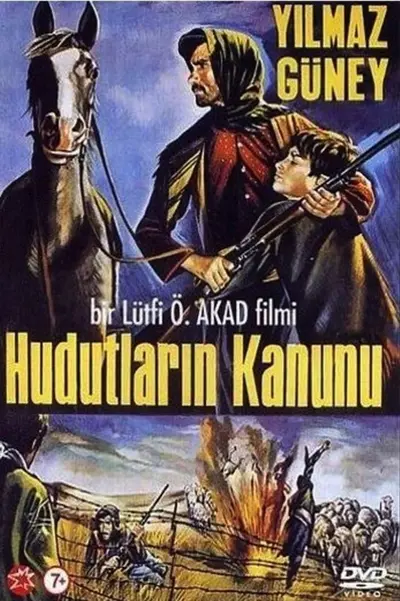
- Law of the Border (Hudutlarin Kanunu) (dir. Lütfi Ömer Akad, 1967) Watch on Youtube (Seen?⏳❌ )
- My Prostitute Love (Vesikali Yarim) (dir. Lütfi Ömer Akad, 1968) Watch on Youtube (no subs, I'm afraid) (Seen?⏳❌ )
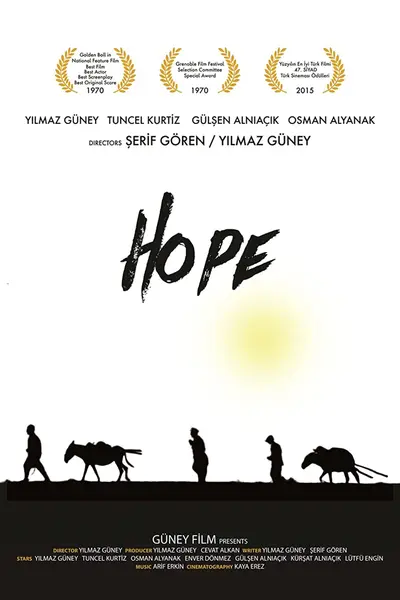
- Hope (Umut) (dir. Yılmaz Güney, 1970) Watch on Youtube (No subtitles) (Seen?⏳❌ )
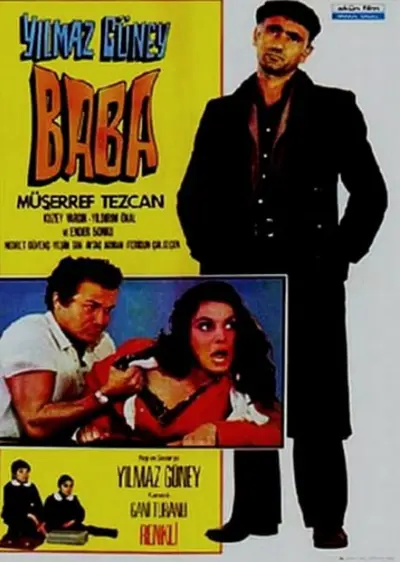
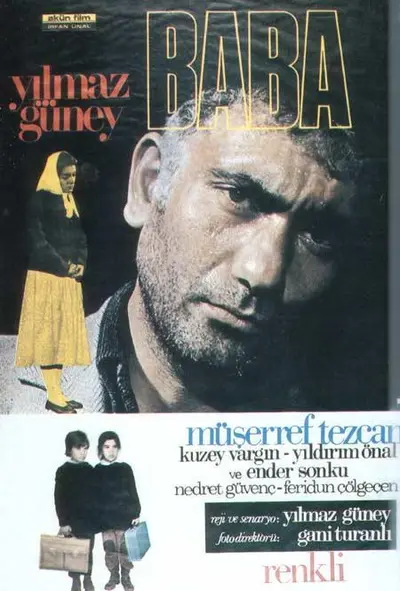
- Baba (Father) (dir. Yılmaz Güney, 1971) Watch on Youtube (No subtitles) (Seen?⏳❌ )
- The Wedding (Düğün) (dir. Lütfi Ömer Akad, 1973) Watch on Youtube (no subs) (Seen?⏳❌ )
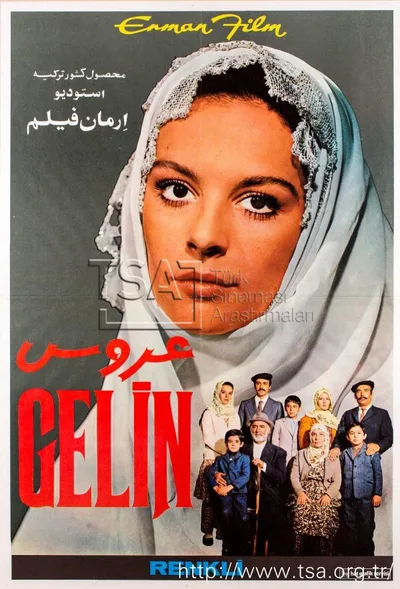
- The Bride (Gelin) (dir. Lütfi Ömer Akad, 1973) Watch on Youtube (no subs) (Seen?⏳❌ )
- From the Village to the City (Köyden Indim Sehire) (dir. Ertem Eğilmez, 1974) Watch on Youtube (Seen?⏳❌ )
- The Bus (Otobüs) (dir. Tunç Okan, 1975) Watch on Youtube (No subs) (Seen?⏳❌ )
- King of the Doormen (Kapıcılar Kralı) (dir. Zeki Ökten, 1976) Watch on Youtube (No subtitles) (Seen?⏳❌ )
- The Girl with the Red Scarf (Selvi Boylum Al Yazmalım) (dir. Atıf Yılmaz, 1977) Trailer (Seen?⏳❌ )
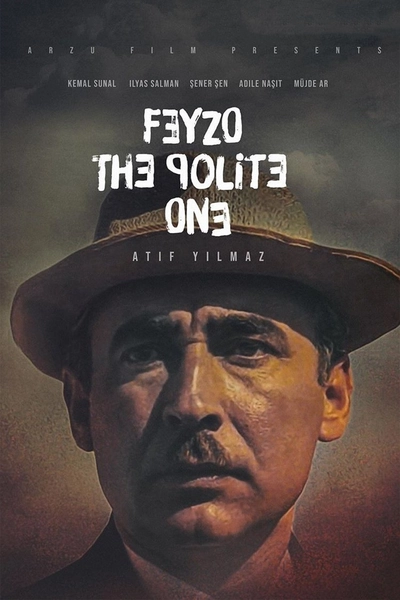
- Feyzo, the Polite One (Kibar Feyzo) (dir. Atıf Yılmaz, 1978) Watch on Youtube (no English subtitles - be geeky like me, and search them out!) (Seen?⏳❌ )
- The Herd (Sürü) (dir. Yılmaz Güney and Zeki Ökten; 1978) Watch on Youtube (Seen 👁️✔️ )
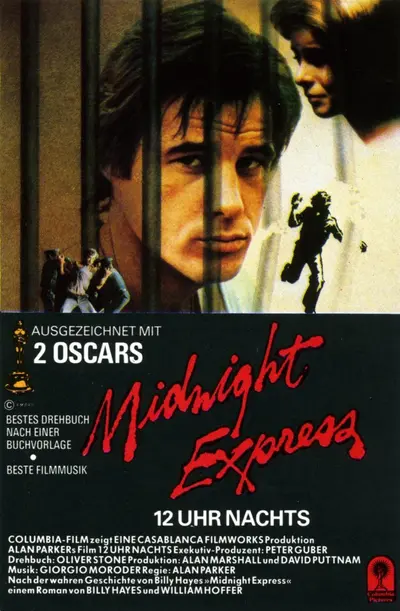
- Midnight Express (dir. Alan Parker, 1978) Watch on Youtube (Seen?⏳❌ )
- What Will Happen Now (Ne Olacak Şimdi) (dir. Atıf Yılmaz, 1979) Watch on Youtube (No subtitles) (Seen?⏳❌ )
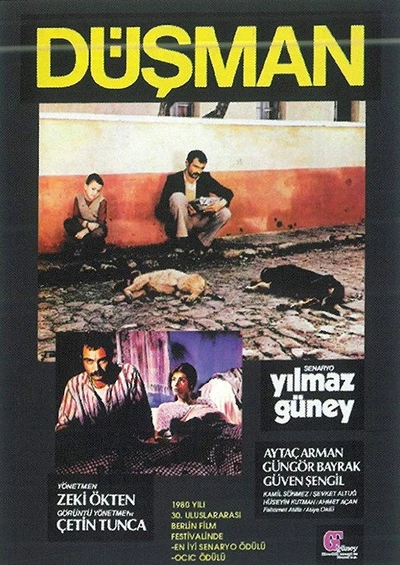
- The Enemy (Düşman) (dir. Zeki Ökten and Yılmaz Güney; 1980) Watch on Youtube (no subs) (Seen?⏳❌ )
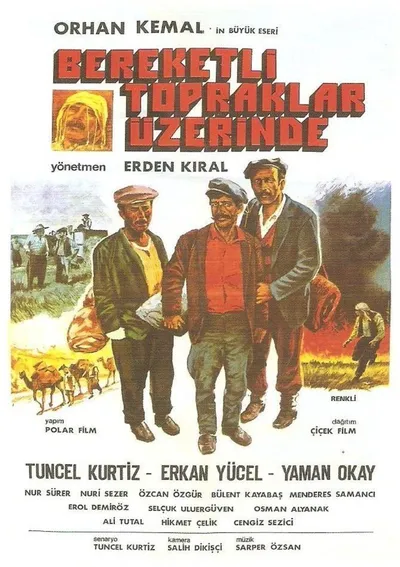
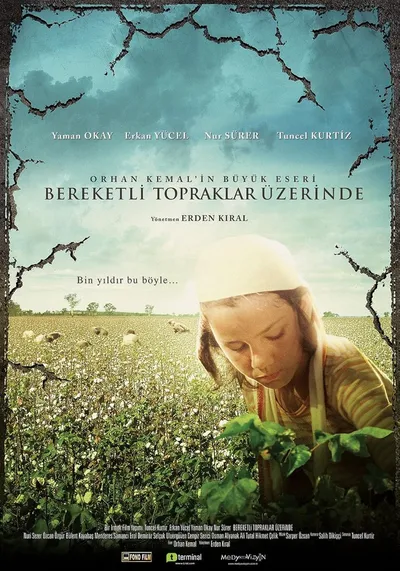
- On Fertile Lands (Bereketli Topraklar Üzerinde) (dir. Erden Kıral, 1980) Watch on Youtube (no subs) (Seen?⏳❌ )
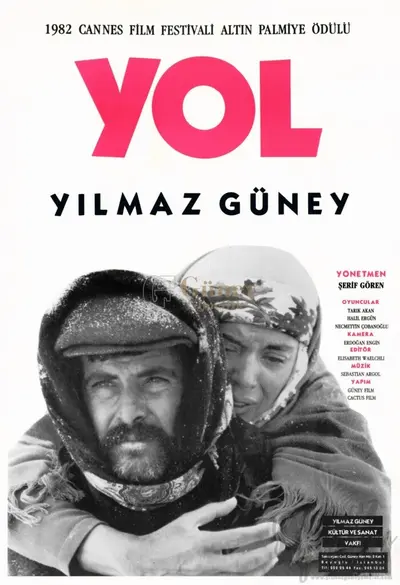
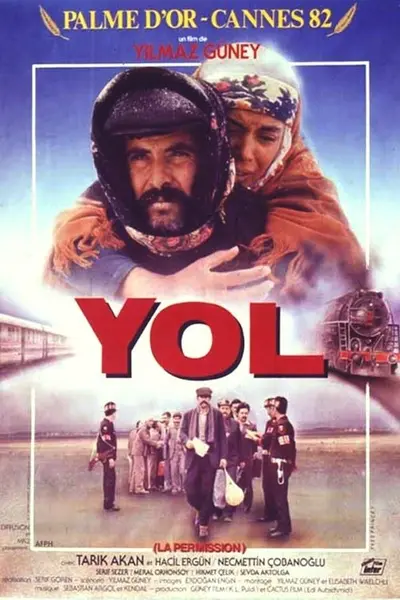
- Yol (Rê - The Road) (dir. Yılmaz Güney and Şerif Gören; 1982 - Interview) Trailer (Seen 👁️✔️ )
- The Wall (Duvar) (dir. Yılmaz Güney, 1983) Trailer (Seen?⏳❌ )
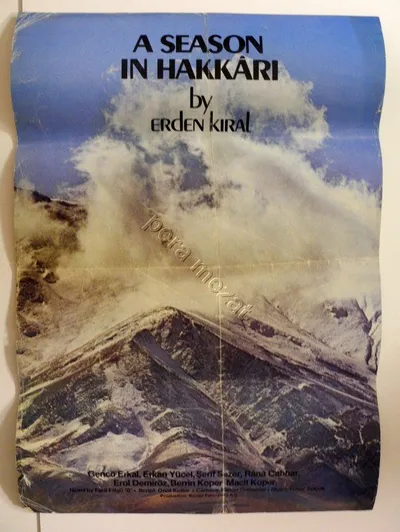
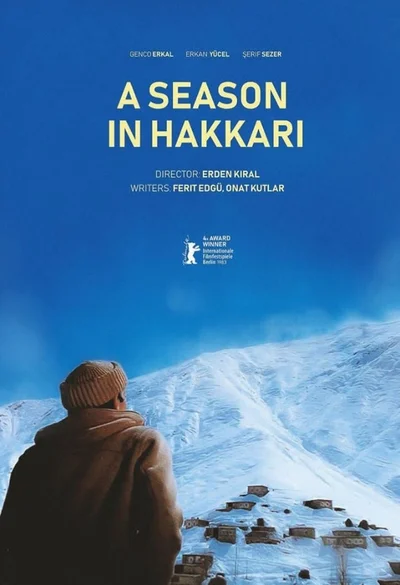
- A Season in Hakkari (Hakkari'de Bir Mevsim) (dir. Erden Kıral, 1983) Watch on Youtube (Seen?⏳❌ )
- The Wrestler (Pehlivan) (dir. Zeki Ökten, 1984) Watch on Youtube (Seen?⏳❌ )
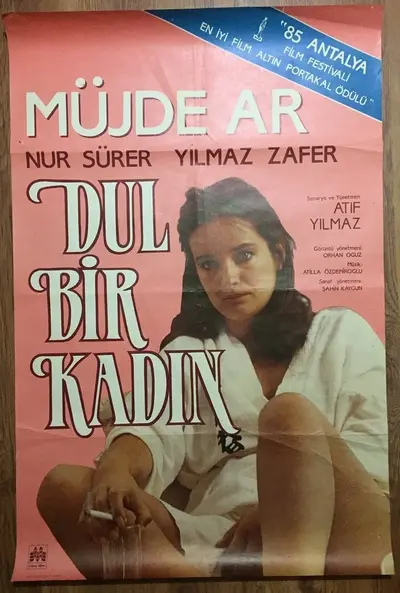
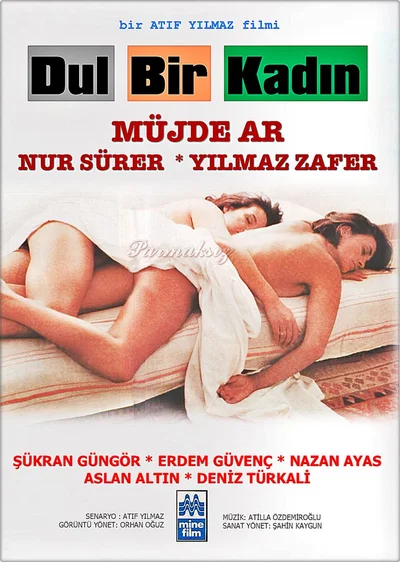
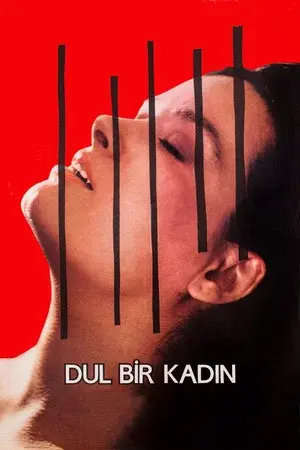
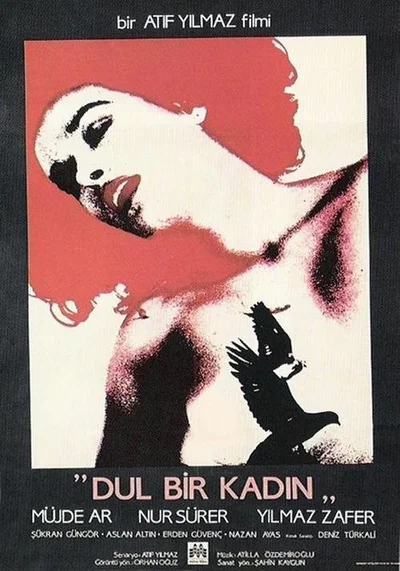
- A Lonely Woman (Dul Bir Kadın) (dir. Atıf Yılmaz, 1985) Watch on Youtube (no subs, and lots of scenes cut - thanks Recep) (Seen?⏳❌ )
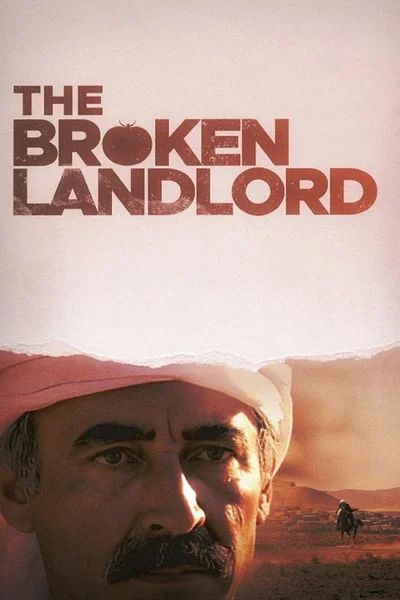
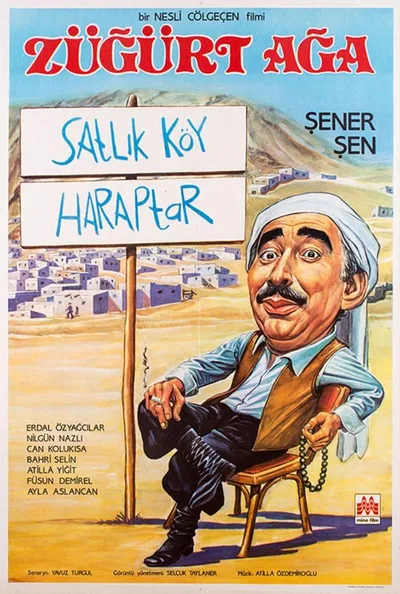
- The Broken Landlord (Züğürt Ağa) (dir. Nesli Çölgeçen, 1985) Watch on Youtube (Seen?⏳❌ )
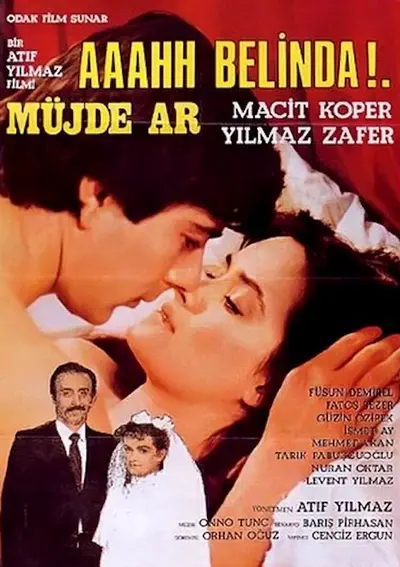
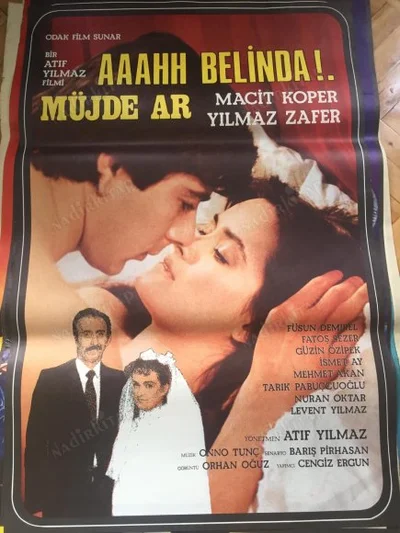
- Oh, Belinda (Aaahh Belinda) (dir. Atıf Yılmaz, 1986) Watch on Youtube (no subs) (Seen?⏳❌ )
- Motherland Hotel (Anayurt Oteli) (dir. Ömer Kavur, 1987) Watch on Youtube (Seen?⏳❌ )
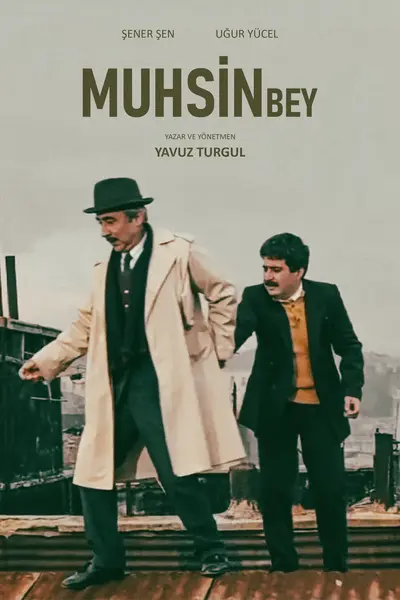
- Muhsin Bey (Mr. Muhsin) (dir. Yavuz Turgul, 1987) Watch on Youtube (Seen?⏳❌ )
- Arabesque (Arabesk) (dir. Ertem Eğilmez, 1989) Watch on Youtube (Seen?⏳❌ )
- The Secret Face (Gizli Yüz) (dir. Ömer Kavur, 1991) Watch on Youtube (Seen?⏳❌ )
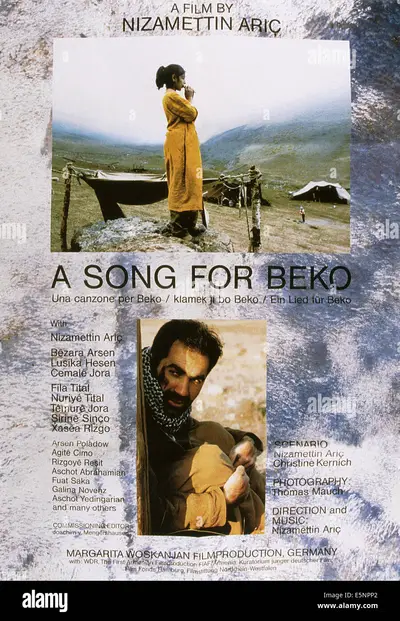
- A Song for Beko (Klamek ji bo Beko) (dir. Nizamettin Ariç, 1992) Watch on Youtube (subtitles in German and French) (Seen 👁️✔️ )
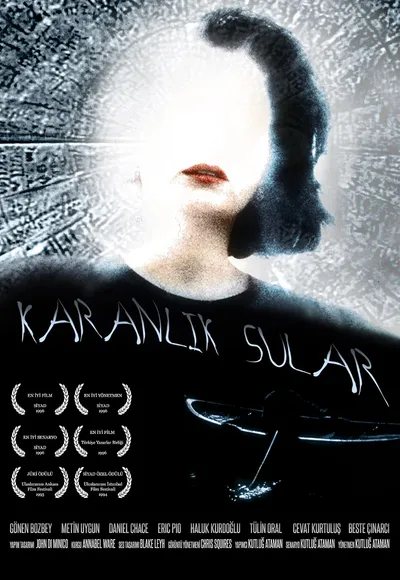
- Dark Waters (Karanlık Sular) (dir. Kutluğ Ataman, 1994) Watch on Youtube (Seen?⏳❌ )
- Block C (C Blok) (dir. Zeki Demirkubuz, 1994) Watch on Youtube (Seen 👁️✔️ )
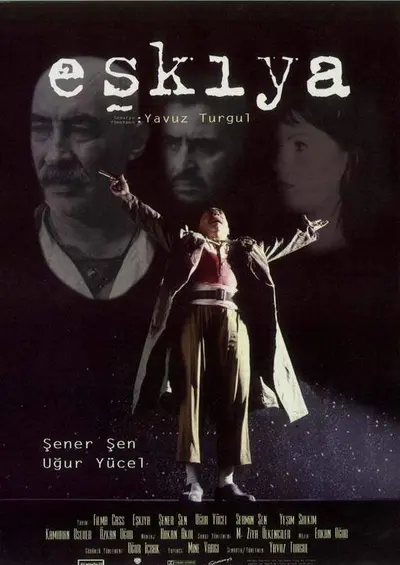
- The Bandit (Eşkıya) (dir. Yavuz Turgul, 1996) Trailer (Seen 👁️✔️ )
- Somersault in a Coffin (Tabutta Rövaşata) (dir. Derviş Zaim, 1996 - Interview) Watch on Youtube (Seen 👁️✔️ )
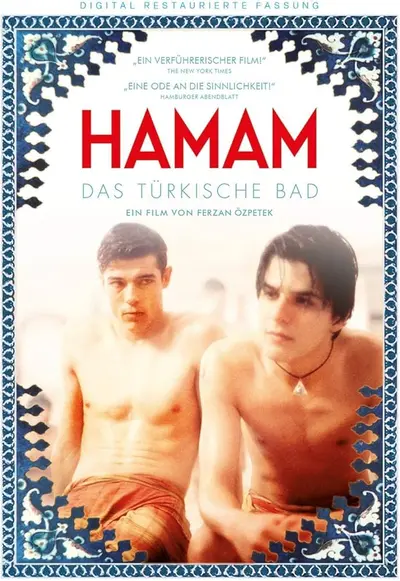
- Hamam (Il Bagno Turco) (dir. Ferzan Özpetek, 1997) Watch on Youtube (Seen?⏳❌ )
- Innocence (Masumiyet) (dir. Zeki Demirkubuz, 1997) Trailer (Seen 👁️✔️ )
- Cholera Street (Ağır Roman) (dir. Mustafa Altıoklar, 1997) Watch on Youtube (no subs) (Seen?⏳❌ )
- The Small Town (Kasaba) (dir. Nuri Bilge Ceylan, 1997) Trailer (Seen 👁️✔️ )
- On Board (Gemide) (dir. Serdar Akar, 1998) Watch on Youtube (Seen 👁️✔️ )
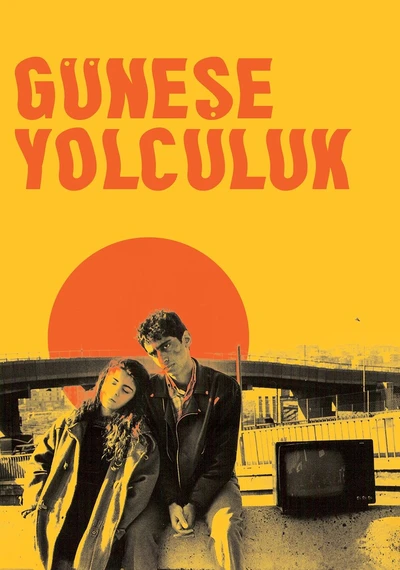
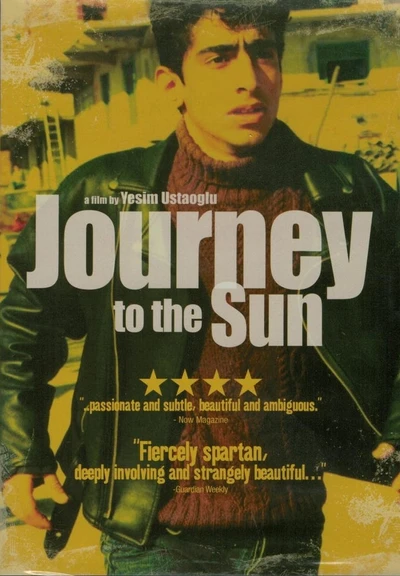
- Journey to the Sun (Günese Yolculuk) (dir. Yeşim Ustaoğlu, 1999) Trailer (Seen 👁️✔️ )
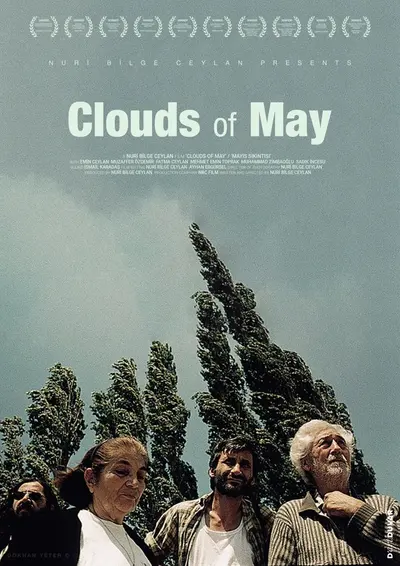
- Clouds of May (Mayıs Sıkıntısı) (dir. Nuri Bilge Ceylan, 1999) Trailer (Seen 👁️✔️ )
- Harem Suare (dir. Ferzan Özpetek, 1999) Trailer (Seen?⏳❌ )
- Propaganda (1999) (Seen?⏳❌ )
- Run for Money (Kaç Para Kaç) (dir. Reha Erdem, 1999) Watch on Youtube (Seen?⏳❌ )
- The Land (Ax ; Toprak) (dir. Kazım Öz, 1999) Watch on Youtube (Seen 👁️✔️ )
- The Third Page (Üçüncü Sayfa) (dir. Zeki Demirkubuz, 1999) Watch on Youtube (Seen 👁️✔️ )
- Elephants and Grass (Filler ve Çimen) (dir. Derviş Zaim, 2000) View Film Clip (Seen?⏳❌ )
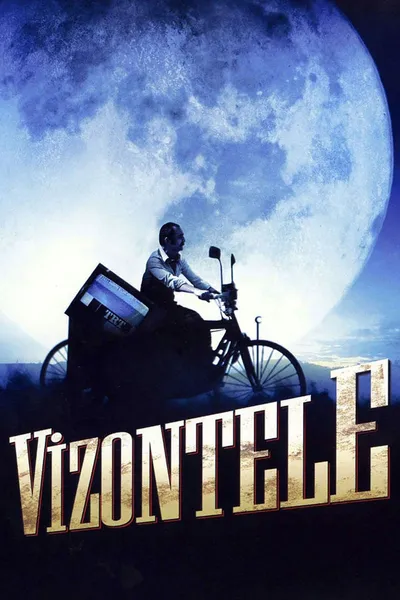
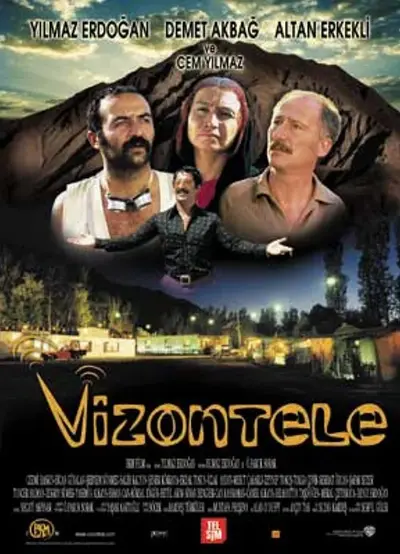
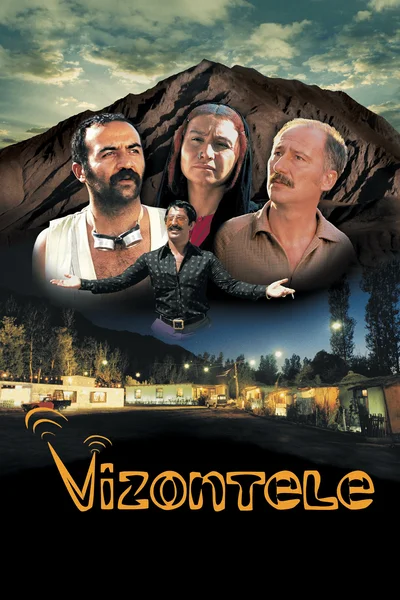
- Vizontele (dir. Yılmaz Erdoğan and Ömer Faruk Sorak; 2001) Watch on Youtube (Seen 👁️✔️ )
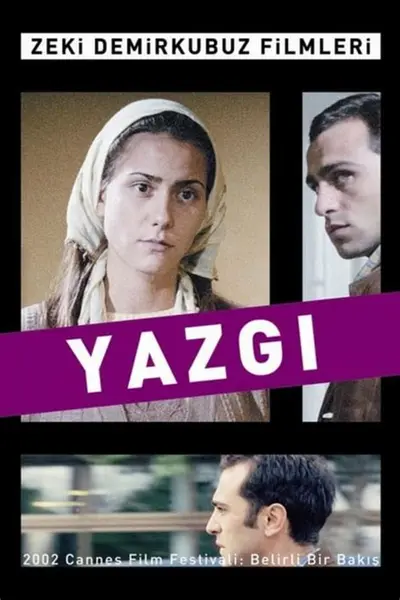
- Tales of Darkness #1: Fate (Yazgı) (dir. Zeki Demirkubuz, 2001) Watch on Youtube (Seen 👁️✔️ )
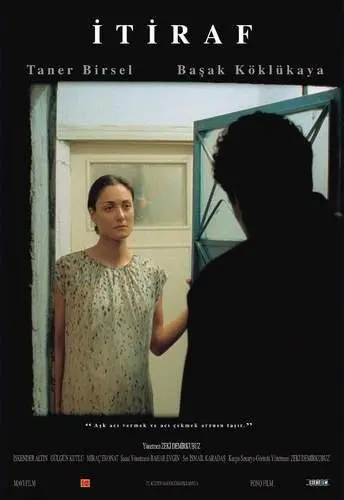
- Tales of Darkness #2: The Confession (İtiraf) (dir. Zeki Demirkubuz, 2001) Watch on Youtube (Seen 👁️✔️ )
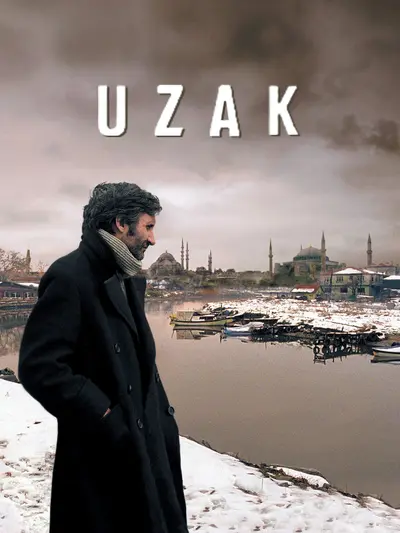
- Uzak (Distant) (dir. Nuri Bilge Ceylan, 2002) Trailer (Seen 👁️✔️ )
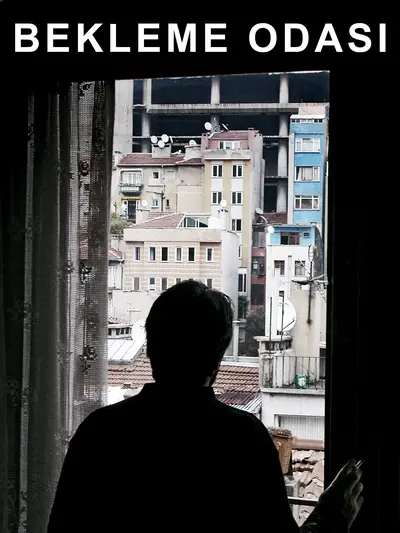
- The Waiting Room (Bekleme Odası) (dir. Zeki Demirkubuz, 2003) Trailer (Seen 👁️✔️ )
- Vizontele Tuuba (dir. Yılmaz Erdoğan, 2004) Watch on Youtube (Seen 👁️✔️ )
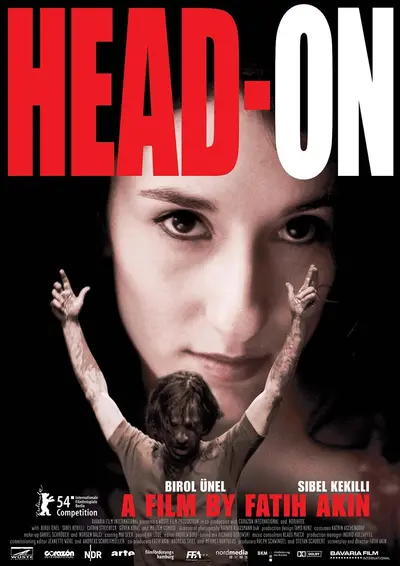
- Head-On, AKA Gegen die Wand (Duvara Karşı - Against the Wall) (dir. Fatih Akın, 2004 - Interview) Trailer (Seen 👁️✔️ )
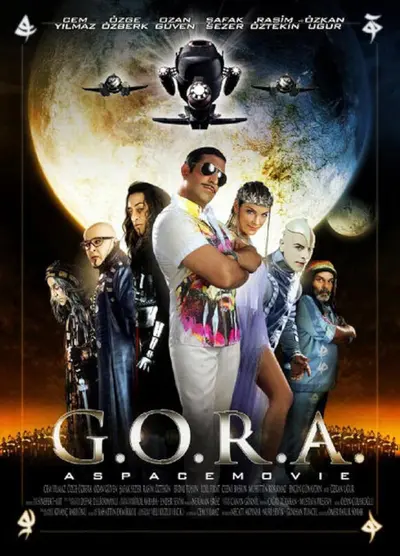
- G.O.R.A. (dir. Ömer Faruk Sorak, 2004) Watch on Youtube (Seen?⏳❌ )
- Toss-Up (Yazı Tura) (dir. Uğur Yücel, 2004) Trailer (Seen?⏳❌ )
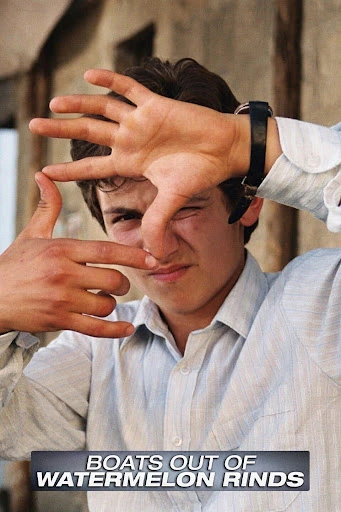
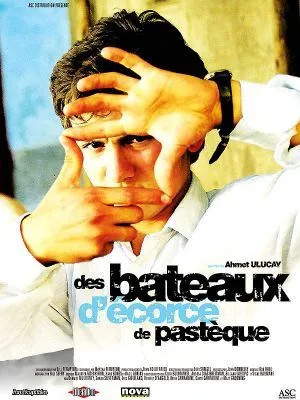
- Boats Out of Watermelon Rinds (Karpuz Kabugundan Gemiler Yapmak) (dir. Ahmet Uluçay, 2004) Watch on Youtube (Seen?⏳❌ )
- Istanbul Tales (Anlat Istanbul) (2005) Watch on Youtube (Seen?⏳❌ )
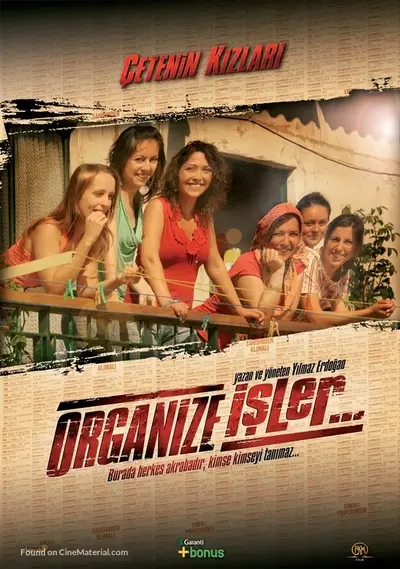
- Magic Carpet Ride (Organize İşler) (dir. Yılmaz Erdoğan, 2005) Watch on Youtube (Seen?⏳❌ )
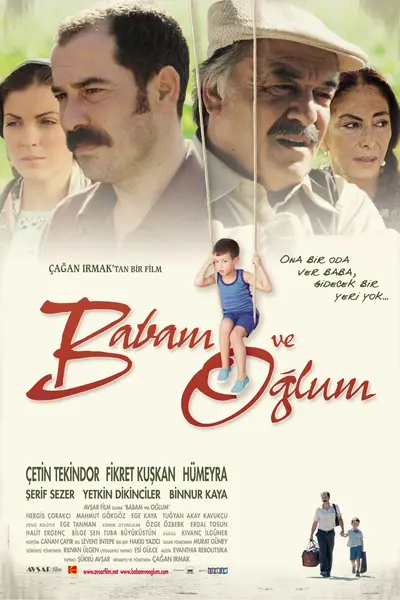
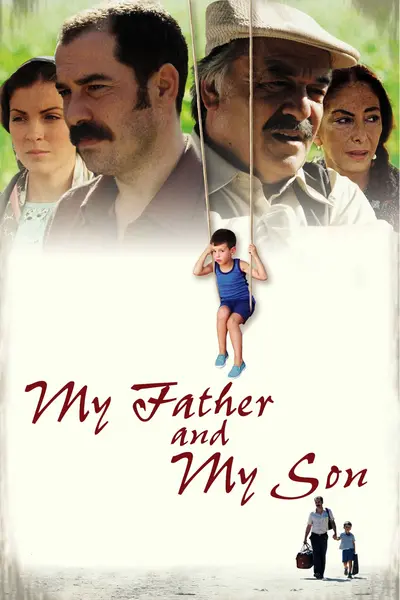
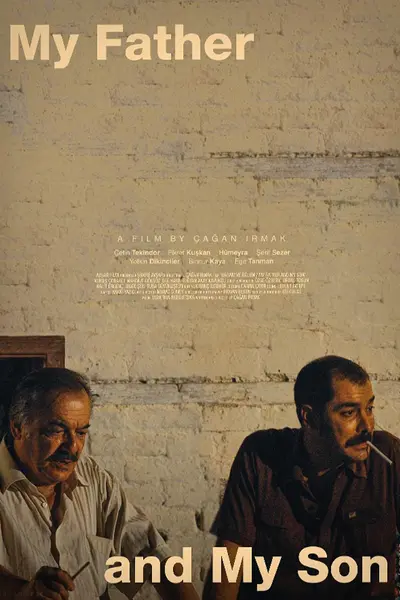
- My Father and My Son (Babam ve Oğlum) (dir. Çağan Irmak, 2005) Trailer (Seen 👁️✔️ )
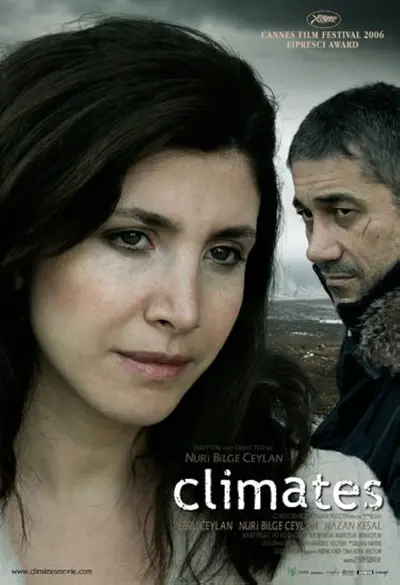
- Climates (İklimler) (dir. Nuri Bilge Ceylan, 2006) Trailer (Seen 👁️✔️ )
- Destiny (Kader) (dir. Zeki Demirkubuz, 2006) Trailer (Seen 👁️✔️ )
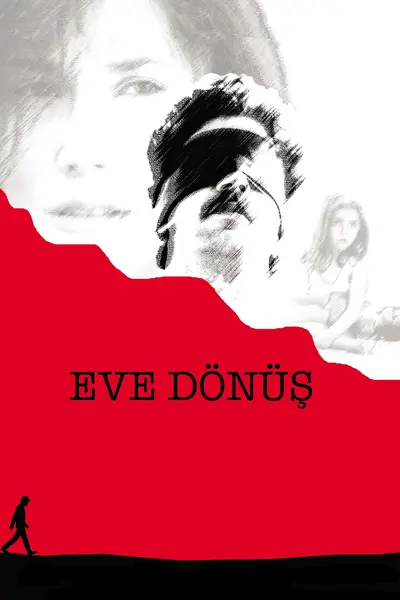
- Home Coming (Eve Dönüş) (dir. Ömer Uğur, 2006) Watch on Youtube (Seen 👁️✔️ )
- The Little Apocalypse (Küçük Kıyamet) (dir. Durul Taylan and Yağmur Taylan; 2006) Watch on Youtube (No subtitles there - you'll have to figure it out!) (Seen 👁️✔️ )
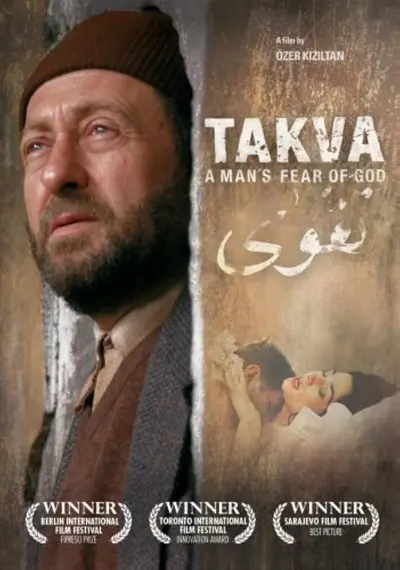
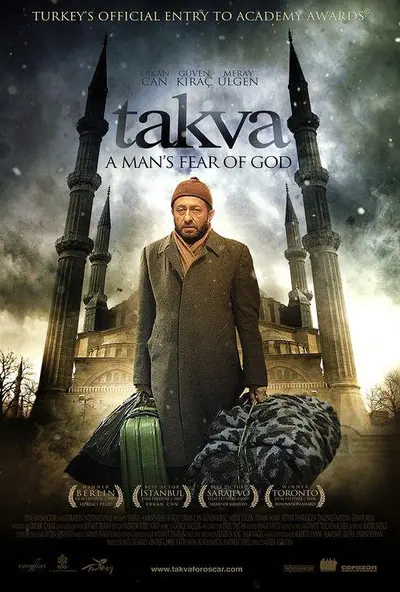
- Takva - A Man's Fear of God (dir. Önder Çakar, 2006) Trailer (Seen 👁️✔️ )
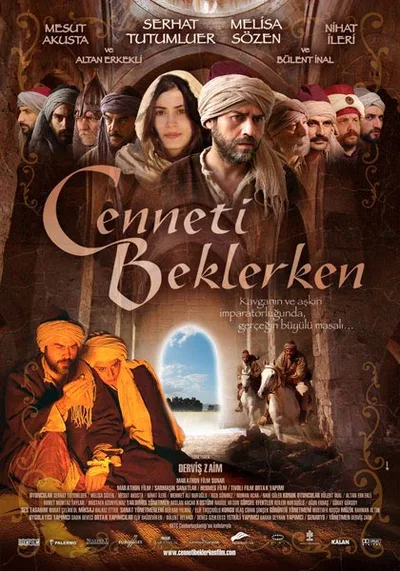
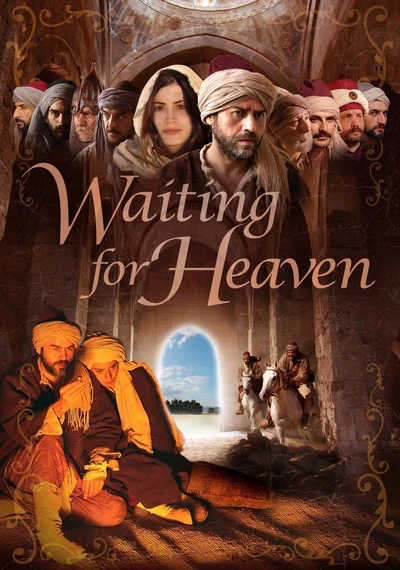
- Waiting for Heaven (Cenneti Beklerken) (dir. Derviş Zaim, 2006) Trailer (Seen?⏳❌ )
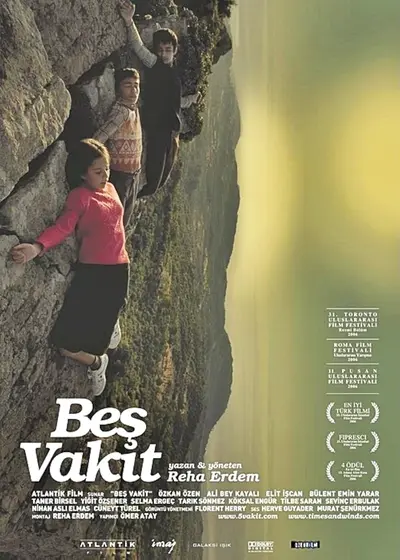
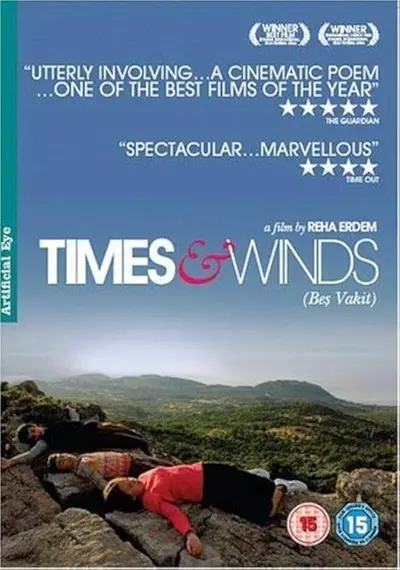
- Times and Winds (Beş Vakit) (dir. Reha Erdem, 2006) Trailer (Seen?⏳❌ )
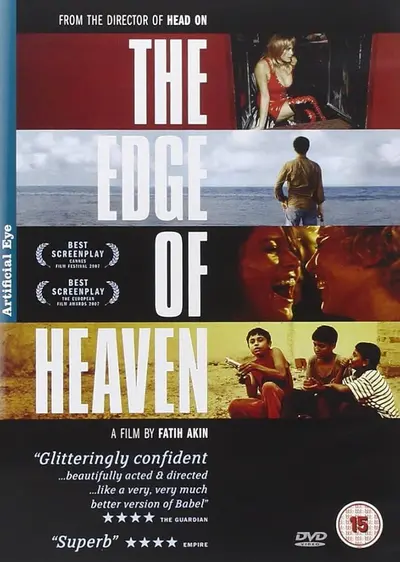
- The Edge of Heaven, AKA Auf der anderen Seite (Yaşamın Kıyısında - On the Edge of Life) (dir. Fatih Akın, 2007) Trailer (Seen 👁️✔️ )
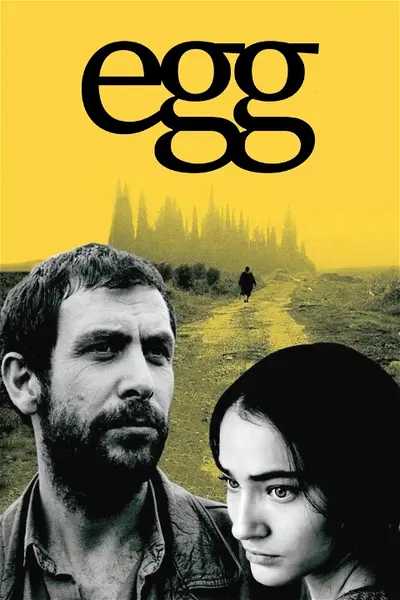
- Egg (Yumurta) (dir. Semih Kaplanoğlu, 2007) Trailer (Seen 👁️✔️ )
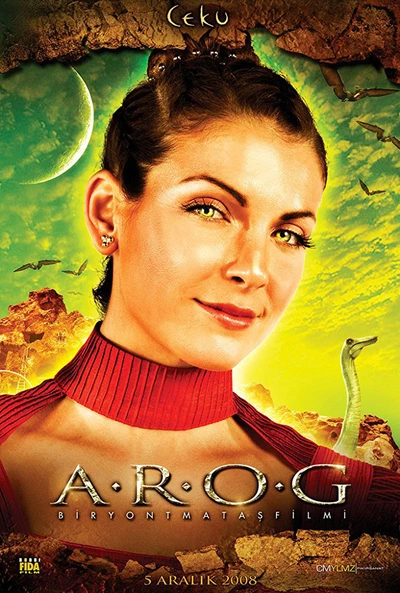
- A.R.O.G (dir. Cem Yılmaz and Ali Taner Baltacı; 2008) Watch on Youtube (no subtitles, I'm afraid) (Seen?⏳❌ )
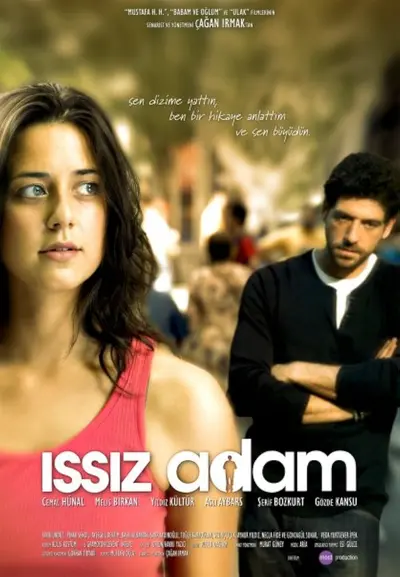
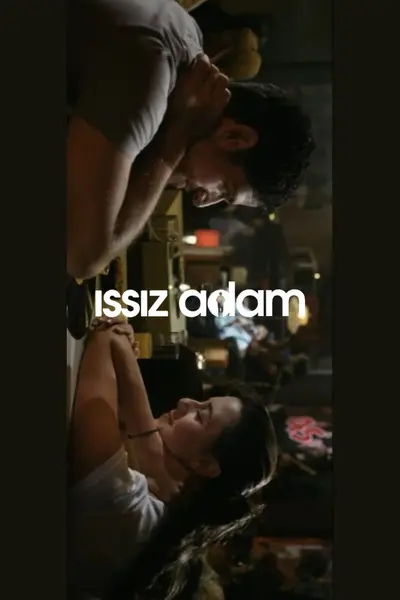
- Alone (Issız Adam - Abandoned Man / My Abandoned Island / My Lonely Ada - it's a play on words) (dir. Çağan Irmak, 2008) Trailer (Seen 👁️✔️ )
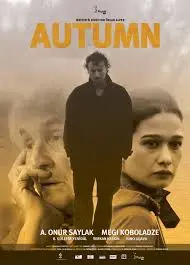
- Autumn (Sonbahar) (dir. Özcan Alper, 2008) Watch on Youtube (Seen 👁️✔️ )
- Milk (Süt) (dir. Semih Kaplanoğlu, 2008) Trailer (Seen 👁️✔️ )
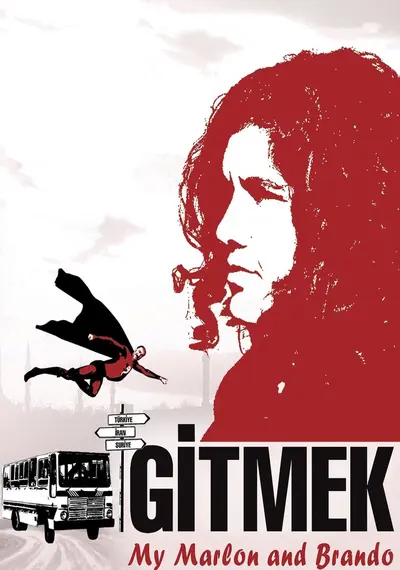
- My Marlon and Brando (Gitmek: Benim Marlon ve Brandom) (dir. Hüseyin Karabey, 2008) Trailer (Seen 👁️✔️ )
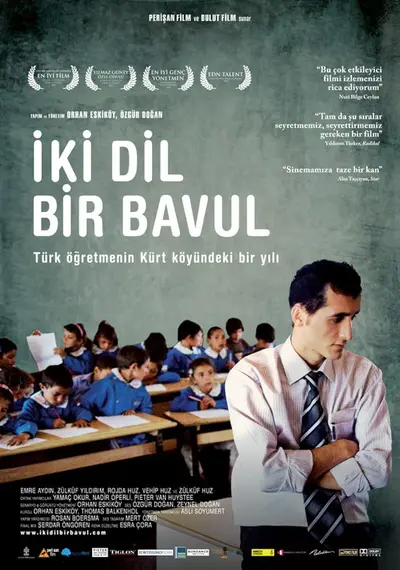
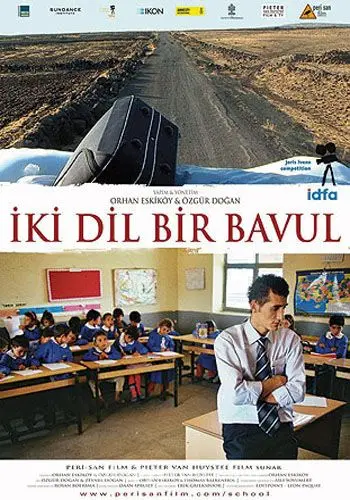
- On The Way To School (İki Dil Bir Bavul - Two Languages, One Suitcase) (dir. Özgür Doğan and Orhan Eskiköy; 2008) Trailer (Seen 👁️✔️ )
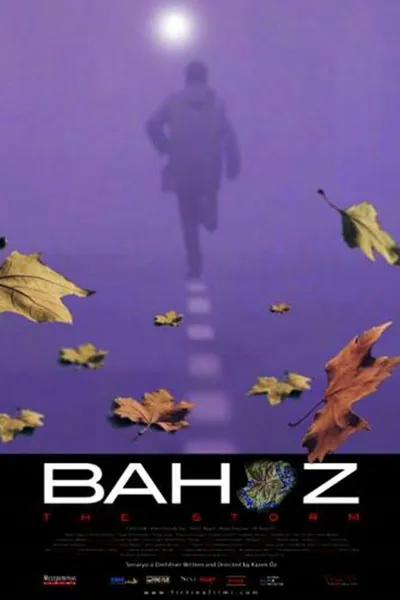
- The Storm (Bahoz ; Fırtına) (dir. Kazım Öz, 2008) Watch on Youtube (Seen 👁️✔️ )
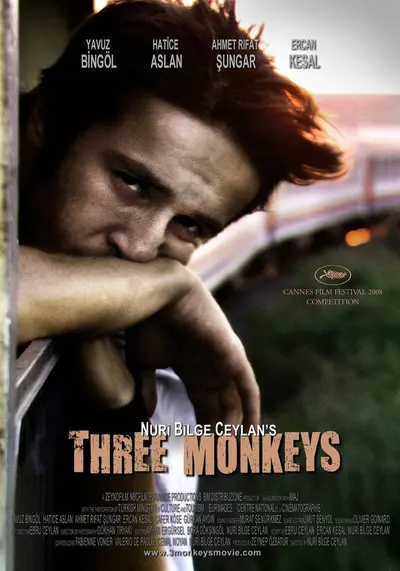
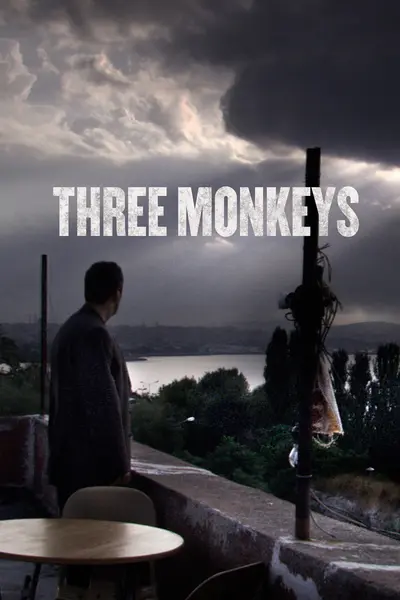
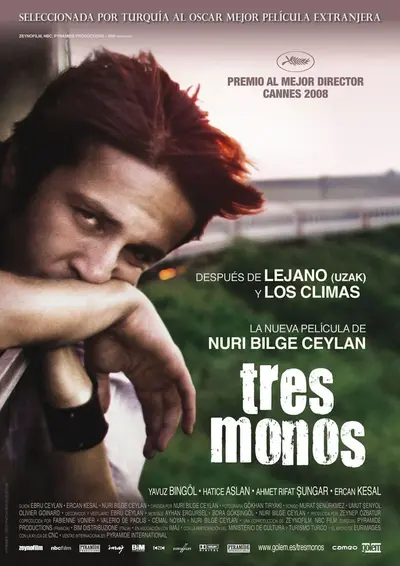
- Three Monkeys (Üç Maymun) (dir. Nuri Bilge Ceylan, 2008) Trailer (Seen 👁️✔️ )
- Envy (Kıskanmak) (dir. Zeki Demirkubuz, 2009) Watch on Youtube (Seen 👁️✔️ )
- Vavien (dir. Durul Taylan and Yağmur Taylan; 2009) Trailer (Seen 👁️✔️ )
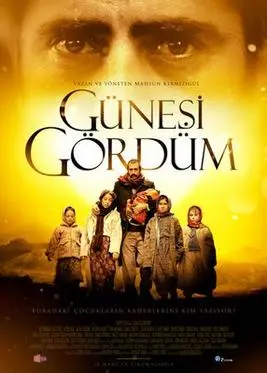
- I Saw the Sun (Günesi Gördüm) (dir. Mahsun Kırmızıgül, 2009) Trailer (Seen 👁️✔️ )
- Kosmos (dir. Reha Erdem, 2009) Trailer (Seen?⏳❌ )
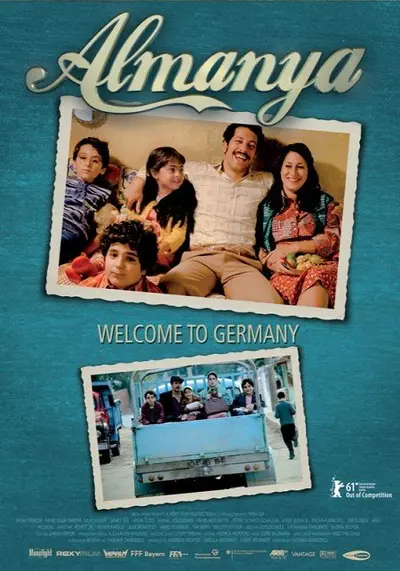
- Almanya - Welcome to Germany (dir. Yasemin Samdereli, 2010) Trailer (Seen?⏳❌ )
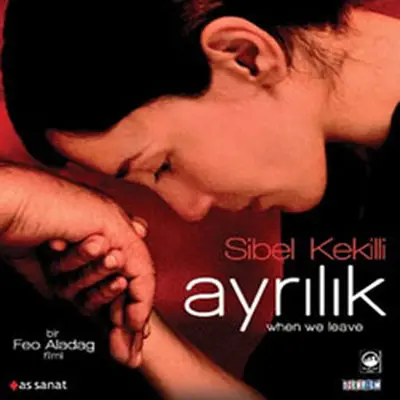
- Die Fremde, AKA When We Leave (Ayrılık - Separation) (dir. Feo Aladağ, 2010 - Interview) Watch on Youtube (Seen 👁️✔️ )
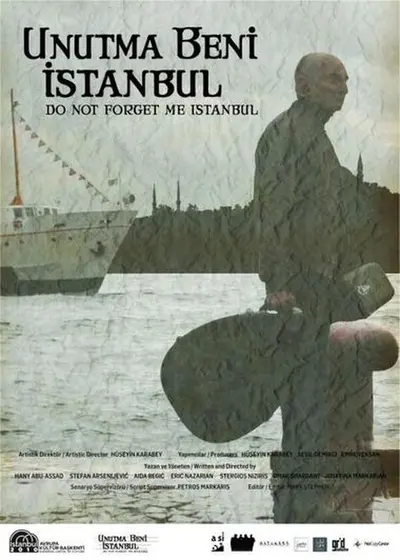
- Do Not Forget Me, Istanbul (dir. Hüseyin Karabey, Hany Abu-Assad and Others; 2010) Trailer (Seen 👁️✔️ )
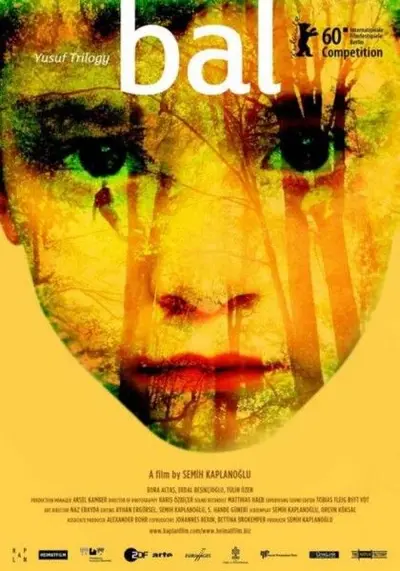
- Honey (Bal) (dir. Semih Kaplanoğlu, 2010) Trailer (Seen 👁️✔️ )
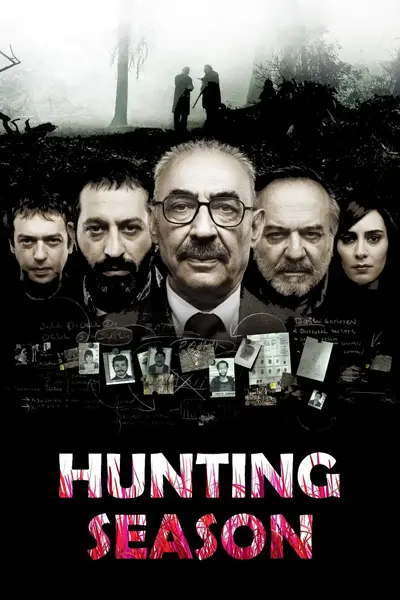
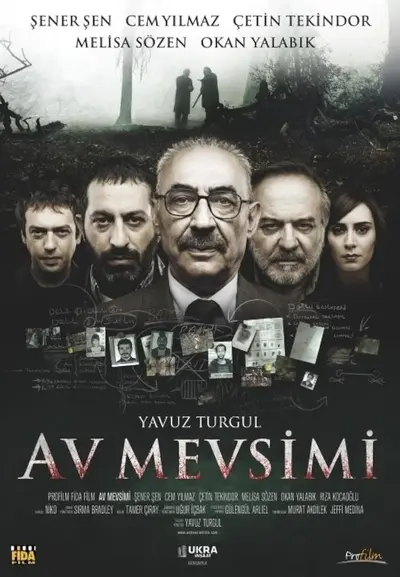
- Hunting Season (Av Mevsimi) (dir. Yavuz Turgul, 2010) Watch on Youtube (Seen?⏳❌ )
- Majority (Çoğunluk) (dir. Seren Yüce, 2010) Trailer (Seen?⏳❌ )
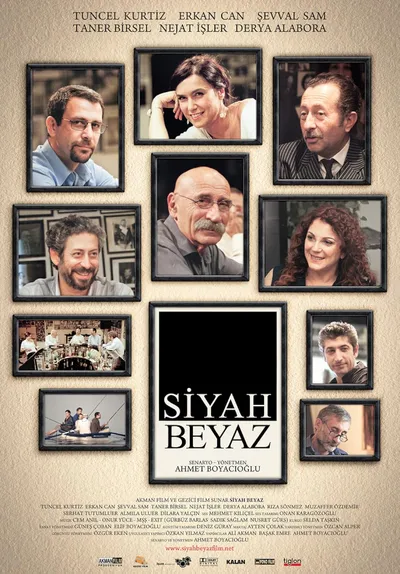
- Black and White (Siyah Beyaz) (dir. Ahmet Boyacioglu, 2010) Watch on Youtube (no subs, I'm afraid) (Seen?⏳❌ )
- The Crossing (Kavşak) (dir. Selim Demirdelen, 2010) Trailer (Seen?⏳❌ )
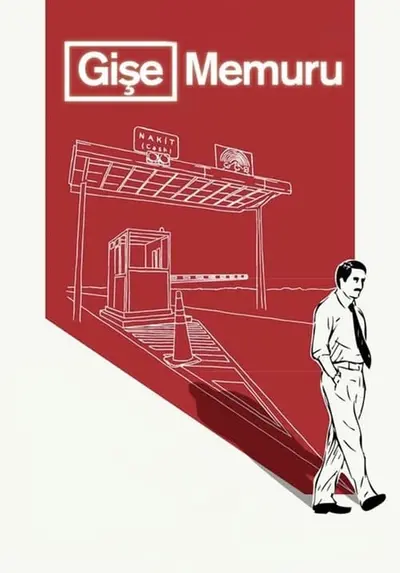
- Toll Booth (Gişe Memuru) (dir. Tolga Karaçelik, 2010) Trailer (Seen 👁️✔️ )
- Shadows and Faces (Gölgeler ve Suretler) (dir. Derviş Zaim, 2010) Trailer (Seen?⏳❌ )
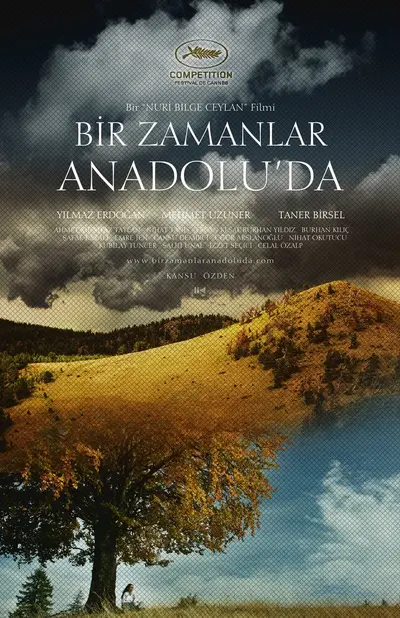
- Once Upon A Time In Anatolia (Bir Zamanlar Anadolu'da) (dir. Nuri Bilge Ceylan, 2011 - Interview) Trailer (Seen 👁️✔️ )
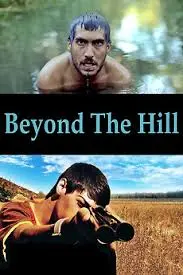
- Beyond the Hill (Tepenin Ardı) (dir. Emin Alper, 2012) Trailer (Seen 👁️✔️ )
- Inside (Yeraltı) (dir. Zeki Demirkubuz, 2012) Trailer (Seen 👁️✔️ )
- Mold (Küf) (dir. Ali Aydın, 2012) Watch on Youtube (Seen?⏳❌ )
- Watchtower (Gözetleme Kulesi) (dir. Pelin Esmer, 2012 - Interview) Trailer (The interview contains spoilers - be careful!) (Seen 👁️✔️ )
- Come To My Voice (Were Dengê Min ; Sesime Gel) (dir. Hüseyin Karabey, 2014 - Interview) Trailer (Seen?⏳❌ )
- Winter Sleep (Kis Uykusu) (dir. Nuri Bilge Ceylan, 2014 - Interview) Trailer (Seen 👁️✔️ )
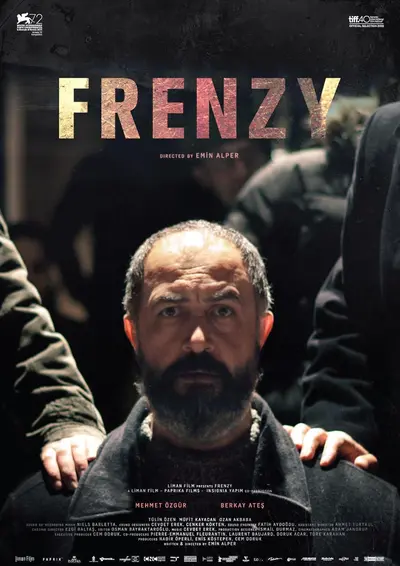
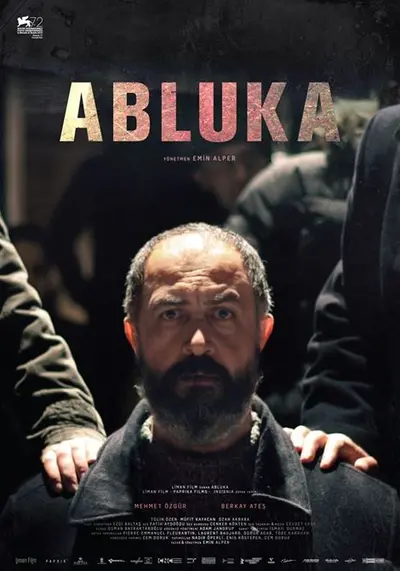
- Frenzy (Abluka) (dir. Emin Alper, 2015 - Interview) Trailer (Seen 👁️✔️ )
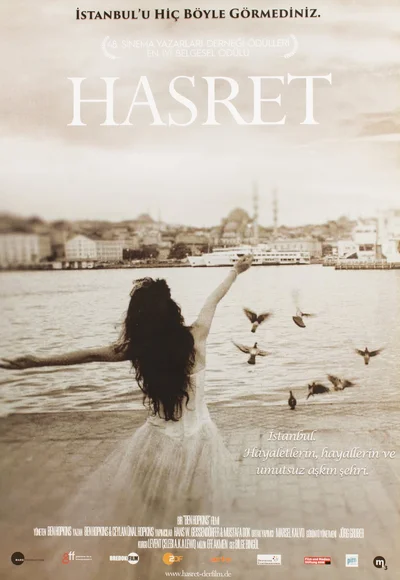
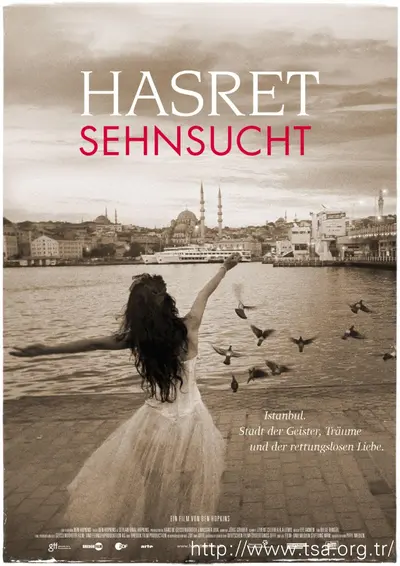
- Hasret: Sehnsucht (dir. Ben Hopkins, 2015) Watch on Youtube (German commentary and subs) (Seen?⏳❌ )
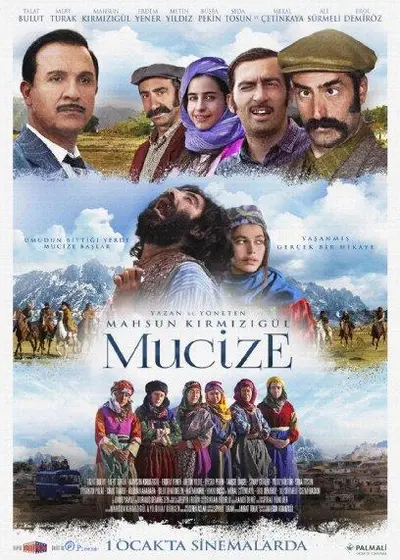
- The Miracle (Mucize) (dir. Mahsun Kırmızıgül, 2015) Watch on Youtube (with subtitles!) (Seen?⏳❌ )
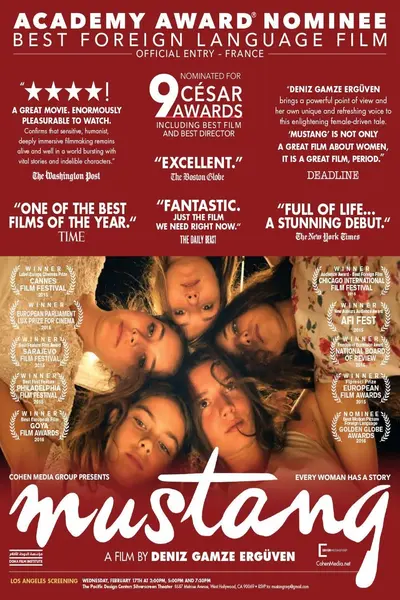
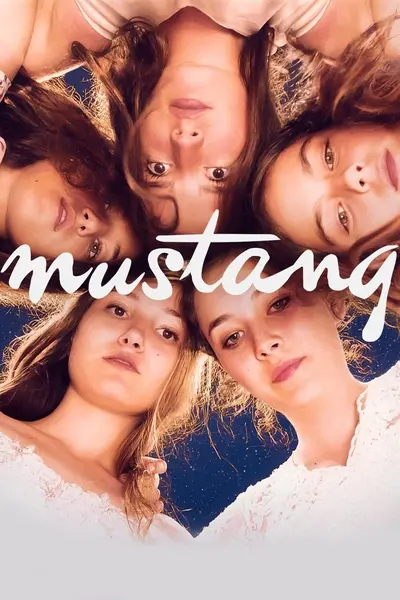
- Mustang (dir. Deniz Gamze Ergüven, 2015) Trailer (Seen?⏳❌ )
- Nausea (Bulantı) (dir. Zeki Demirkubuz, 2015) Watch on Youtube (Seen 👁️✔️ )
- Sarmaşık (Ivy) (dir. Tolga Karaçelik, 2015 - Interview) Trailer (Seen 👁️✔️ )
- Ember (Kor) (dir. Zeki Demirkubuz, 2016) Watch on Youtube (Seen 👁️✔️ )
- The White Sycamore (Çinara Sipî ; Beyaz Çınar) (dir. Kazım Öz, 2016) Watch on Youtube (Seen?⏳❌ )
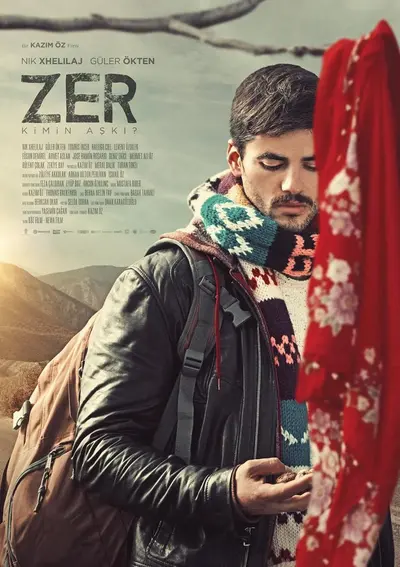
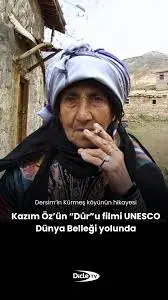
- Zer (dir. Kazım Öz, 2017) Watch on Youtube (Seen?⏳❌ )
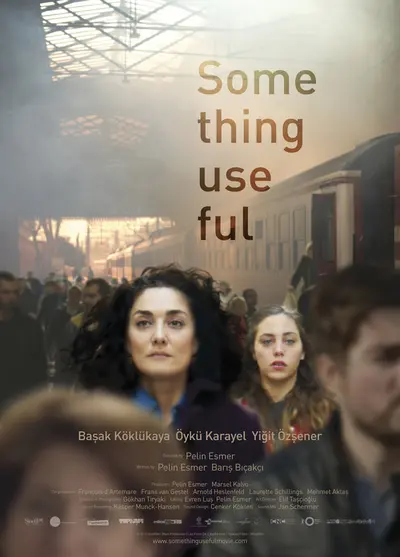
- Something Useful (Ise Yarar Bir Sey) (dir. Pelin Esmer, 2017) Trailer (Seen 👁️✔️ )
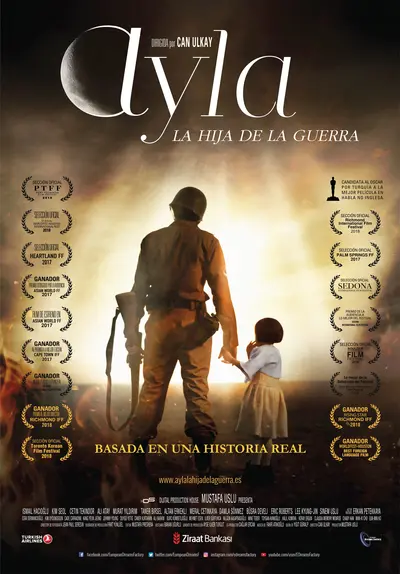
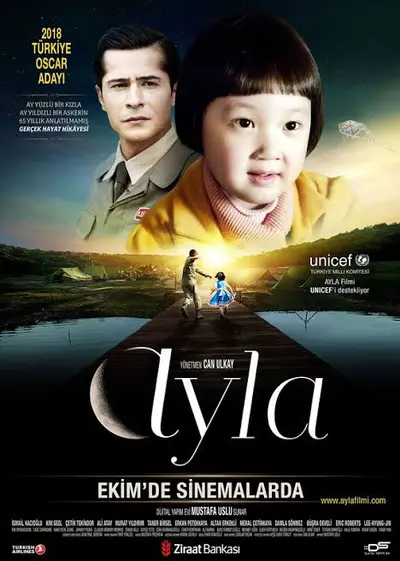
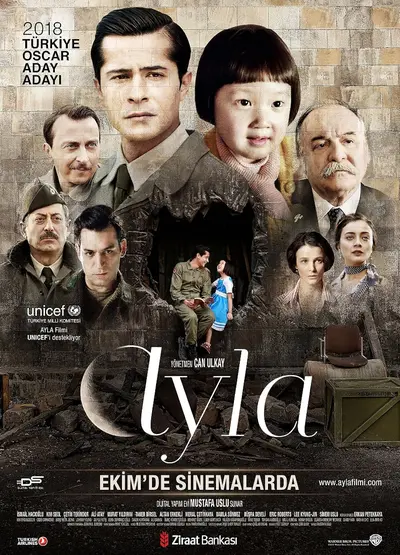
- Ayla: The Daughter of War (Ayla) (dir. Can Ulkay, 2017) Trailer (Seen?⏳❌ )
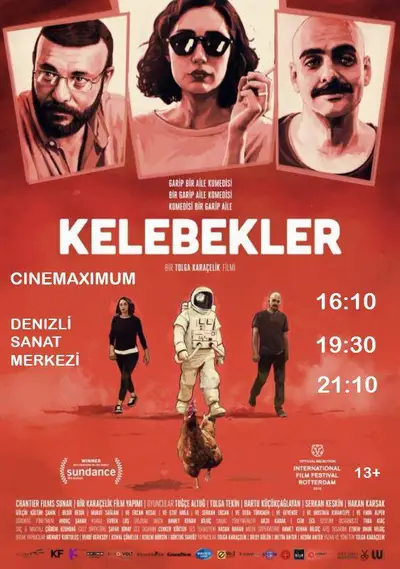
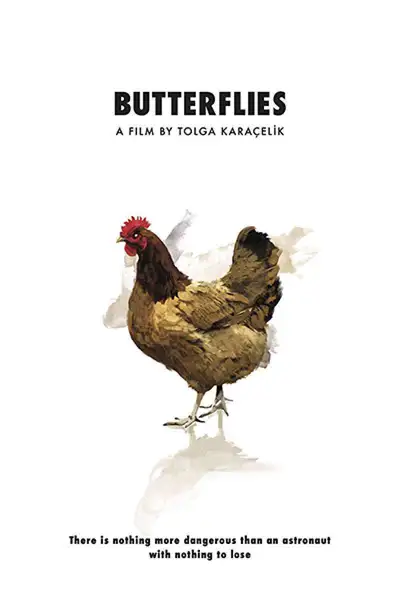
- Butterflies (Kelebekler) (dir. Tolga Karaçelik, 2018) Trailer (Seen?⏳❌ )
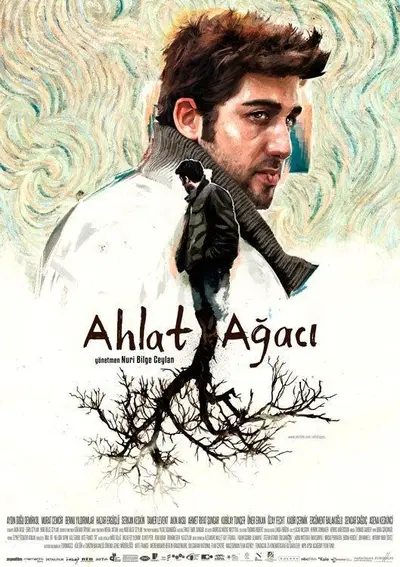
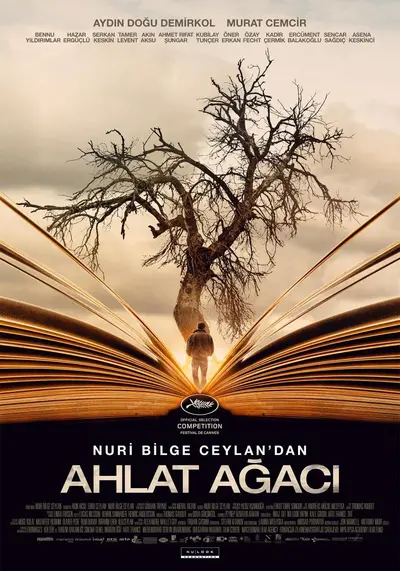
- The Wild Pear Tree (Ahlat Agacı) (dir. Nuri Bilge Ceylan, 2018) Trailer (Seen 👁️✔️ )
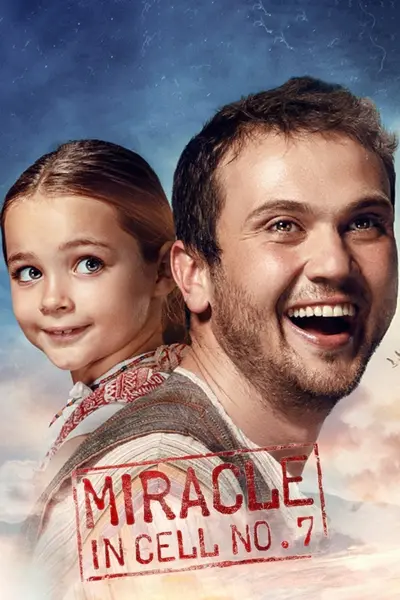
- Miracle in Cell No.7 (7. Koğuştaki Mucize) (dir. Mehmet Ada Öztekin, 2019) Trailer (Seen?⏳❌ )
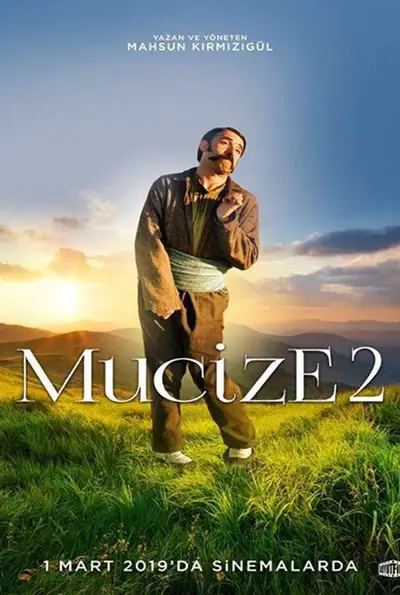
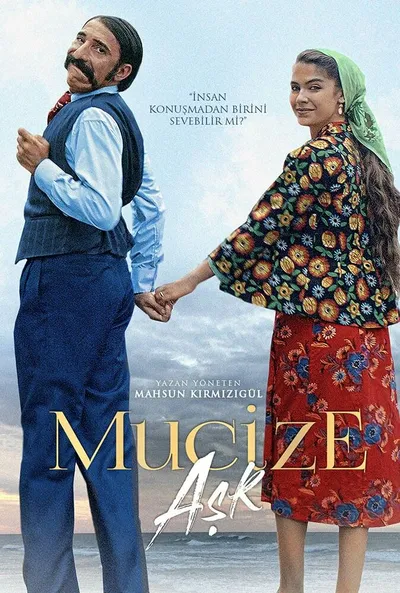
- The Miracle 2: Love (Mucize 2: Ask) (dir. Mahsun Kırmızıgül, 2019) Watch on Youtube (with subtitles!) (Seen?⏳❌ )
- A Tale of Three Sisters (Kız Kardeşler) (dir. Emin Alper, 2019 - Interview) Trailer (The interview is in German and English) (Seen 👁️✔️ )
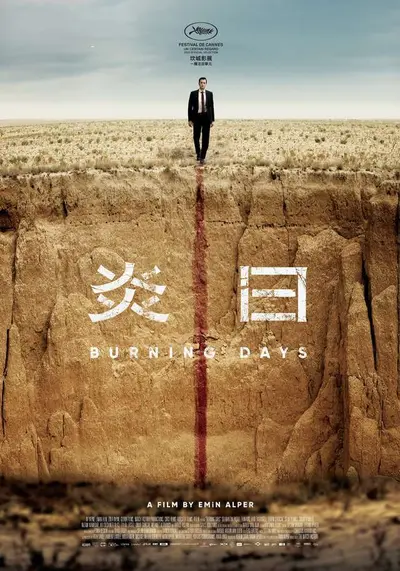
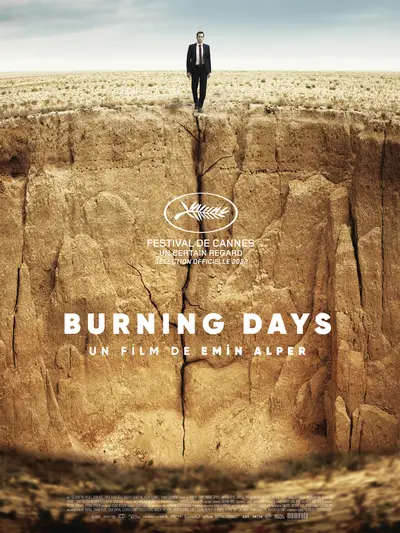
- Burning Days (Kurak Günler) (dir. Emin Alper, 2022 - Interview) Trailer (Seen?⏳❌ )
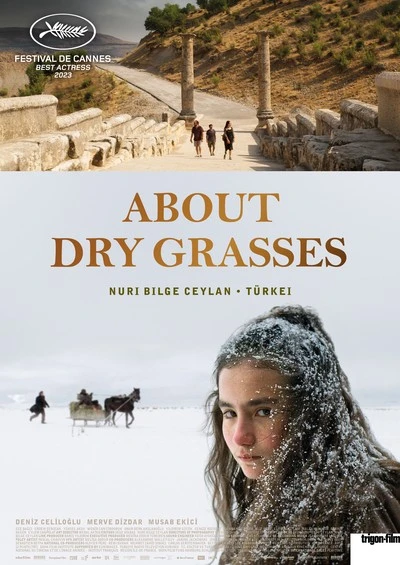
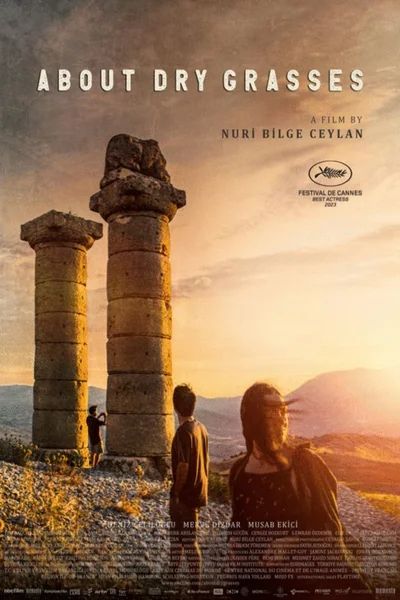
- About Dry Grasses (Kuru Otlar Üstüne) (dir. Nuri Bilge Ceylan, 2023) Trailer (Seen?⏳❌ )
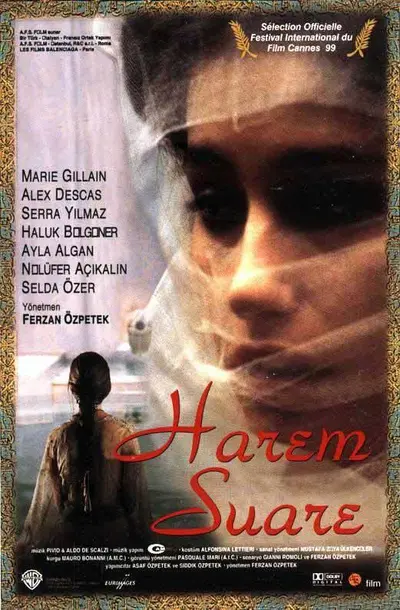
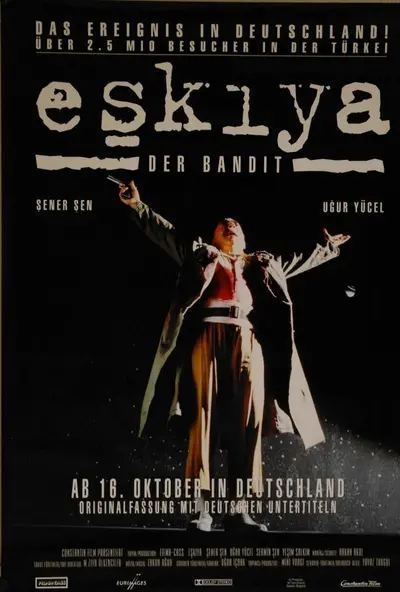
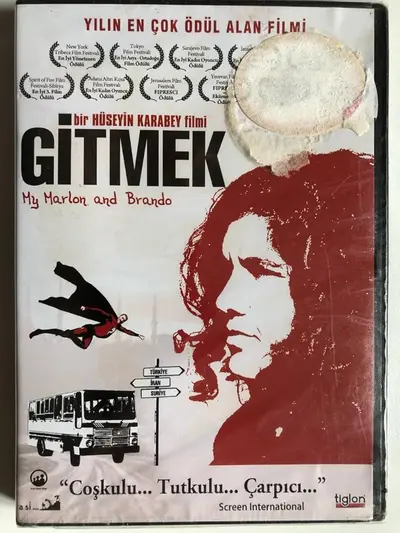
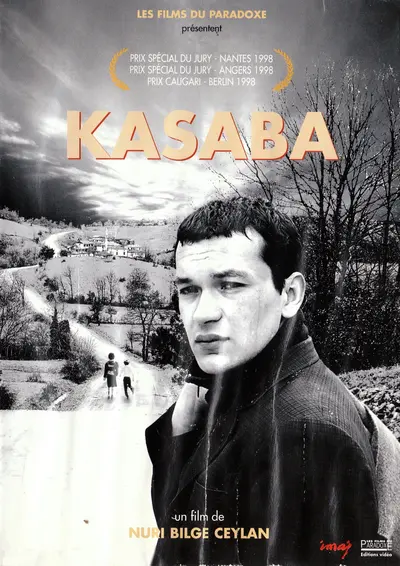
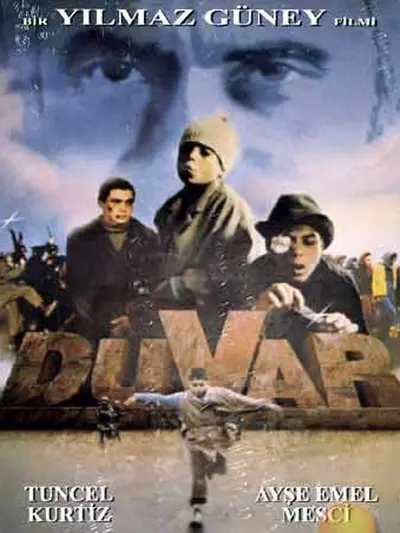
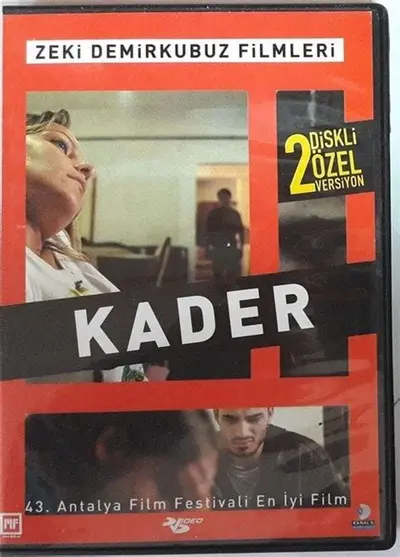
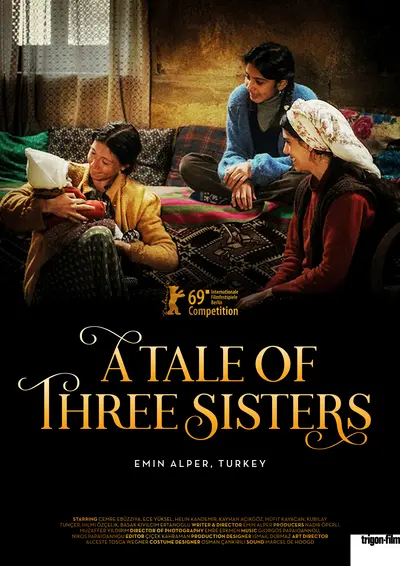
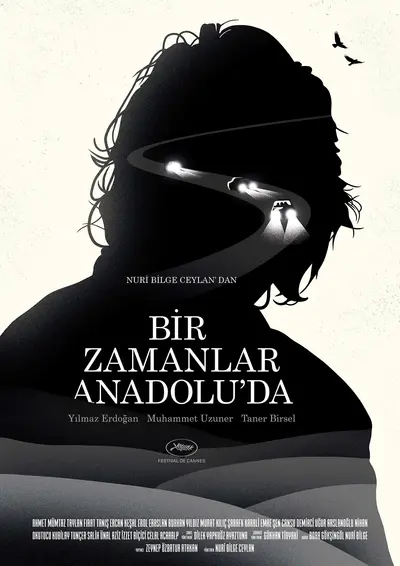
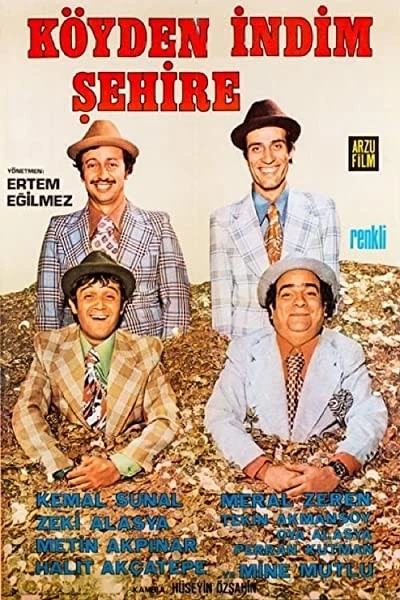
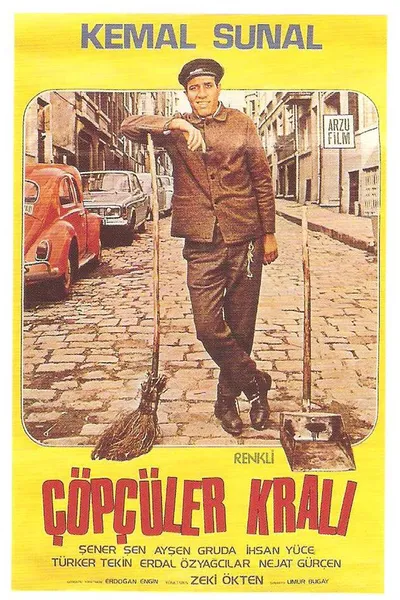
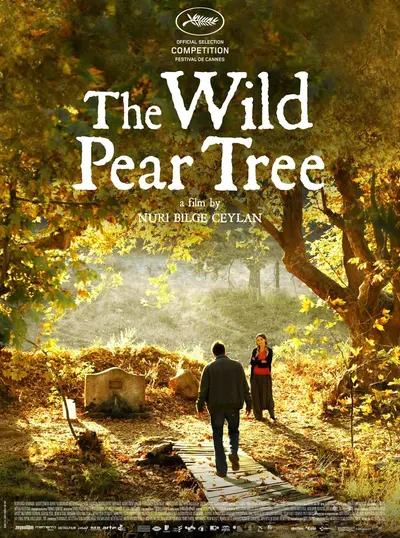

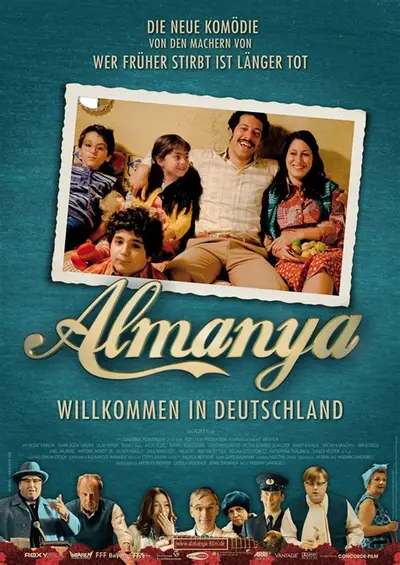
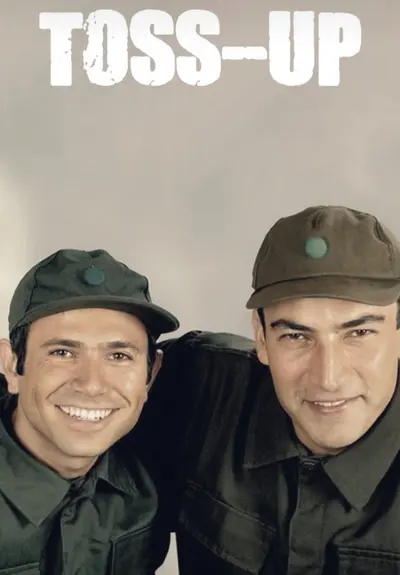
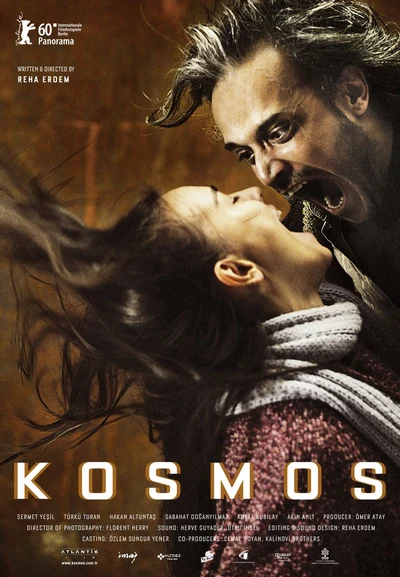
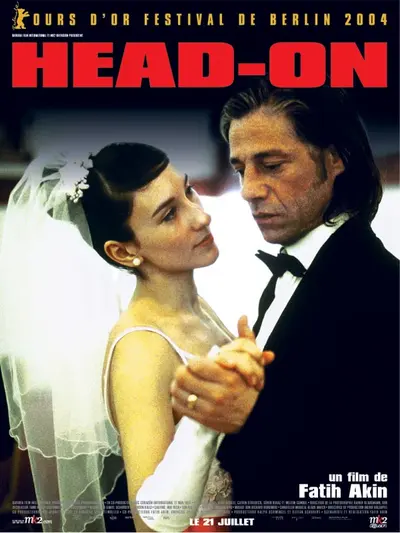
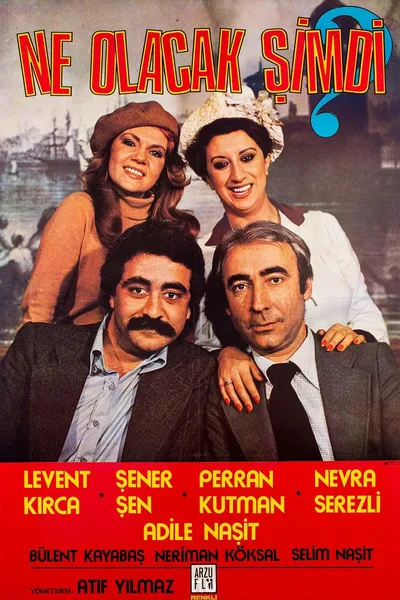

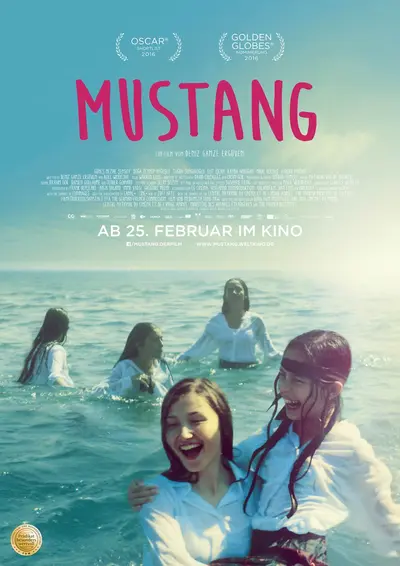
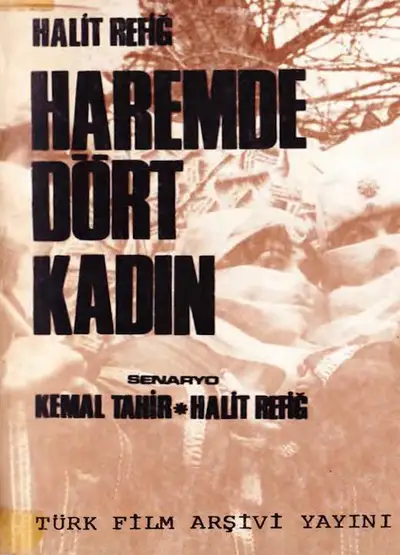


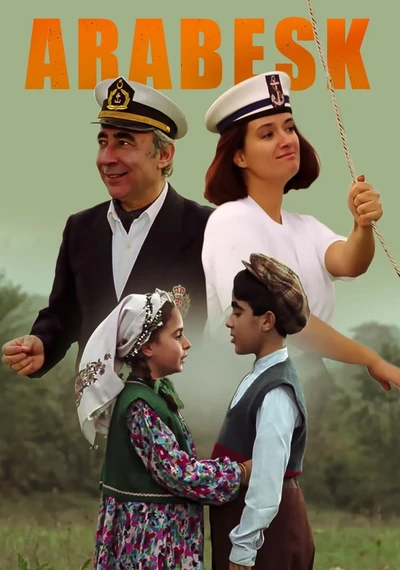


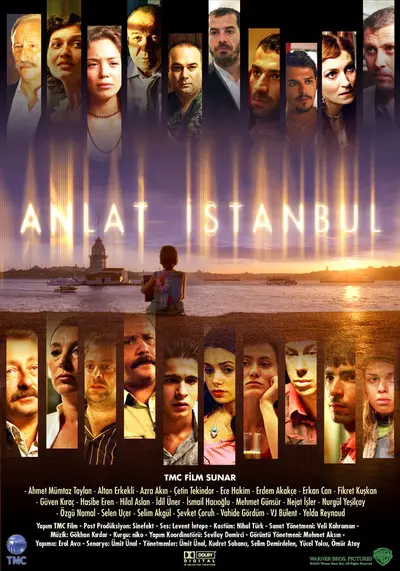

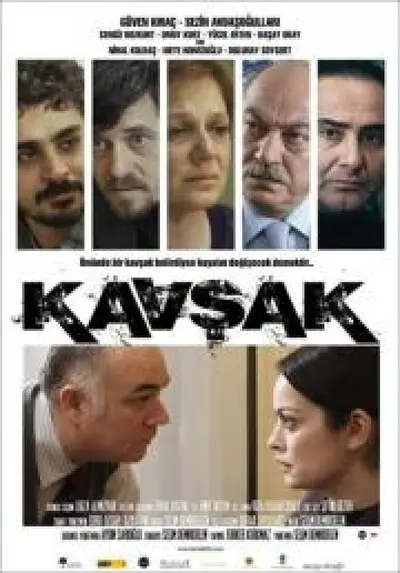
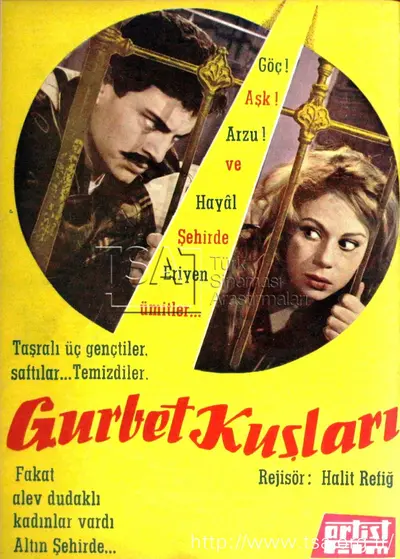
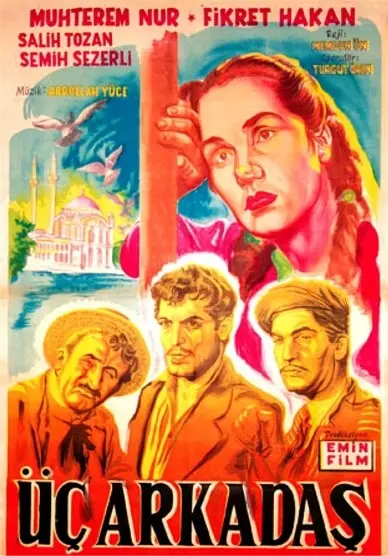

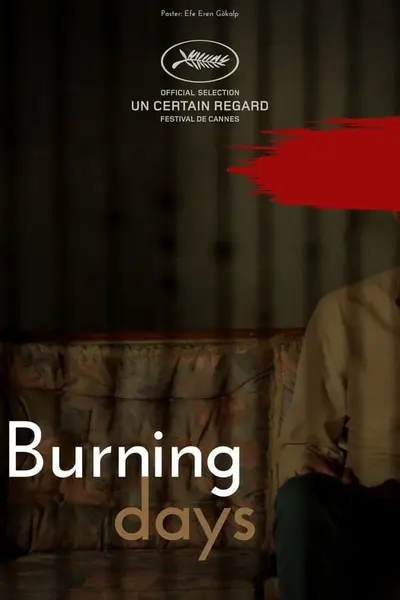
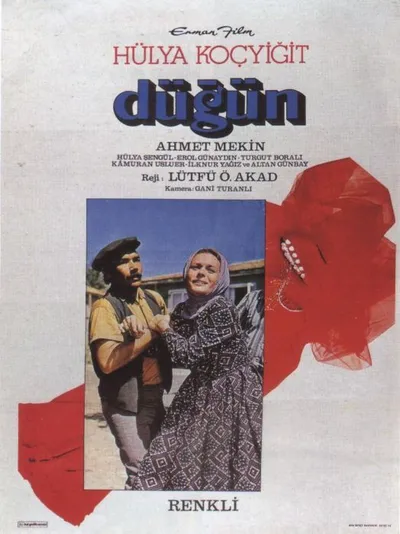
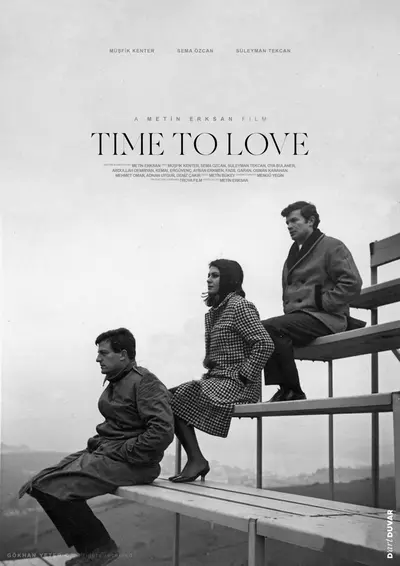
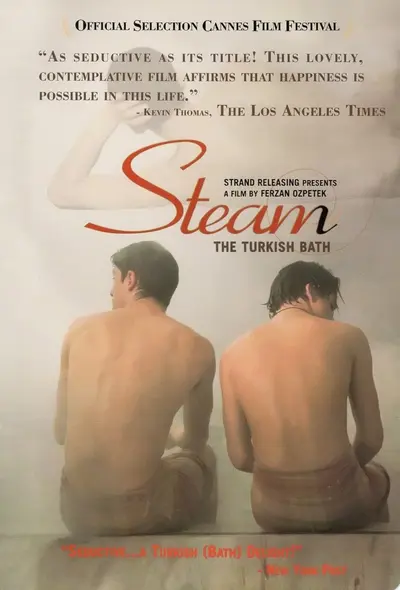
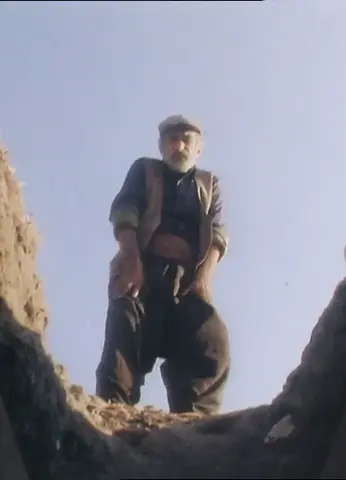
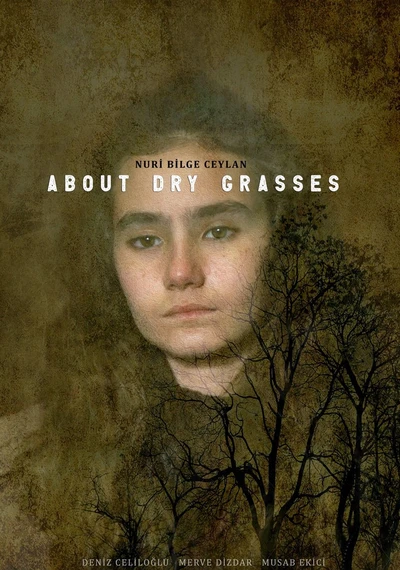
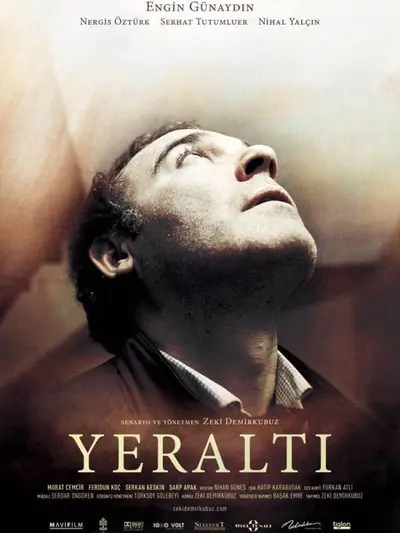
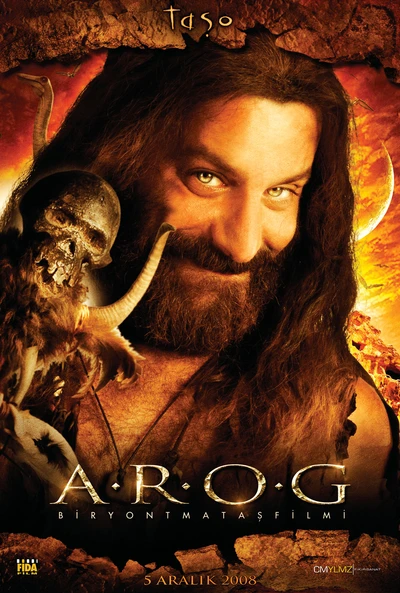
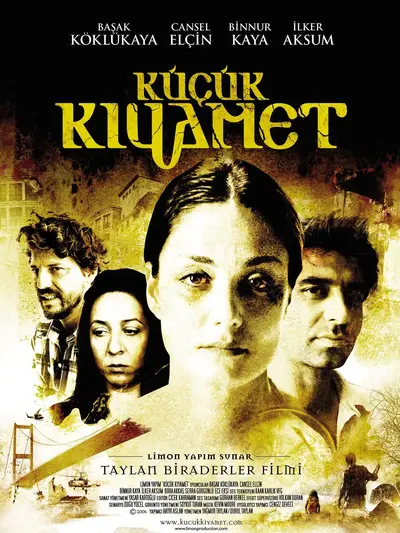
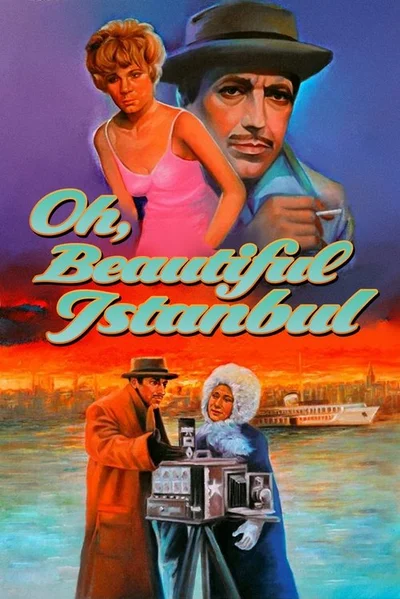
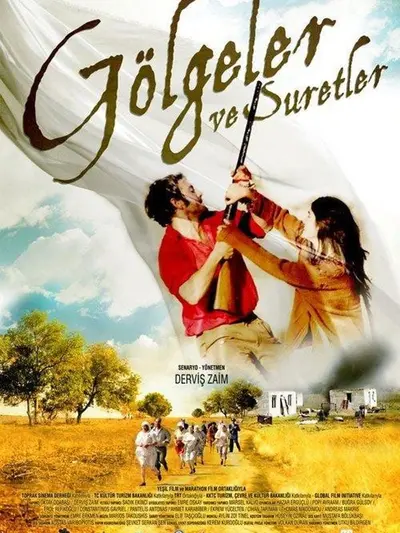
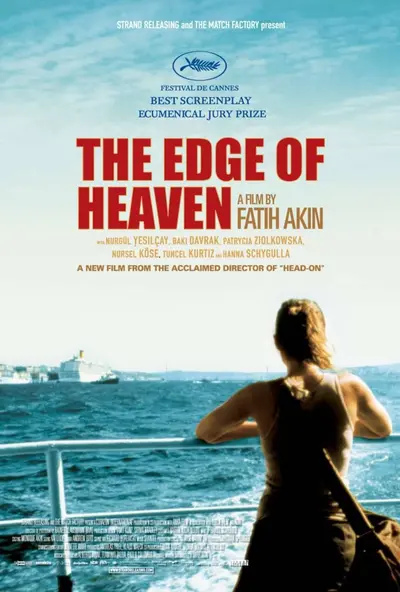
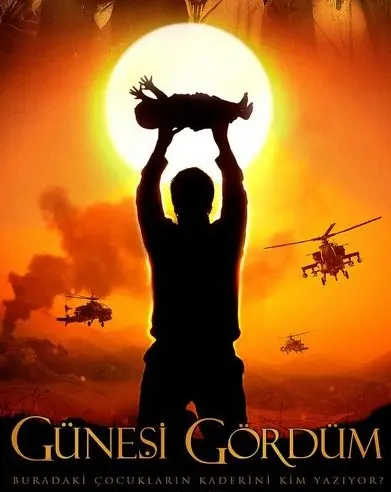
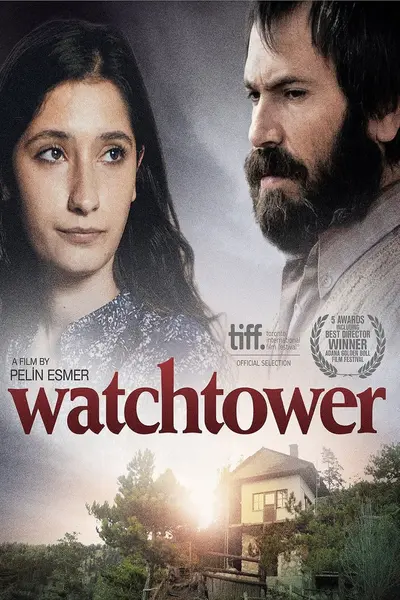
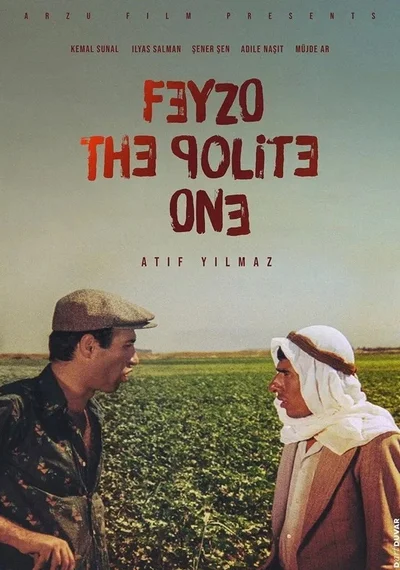
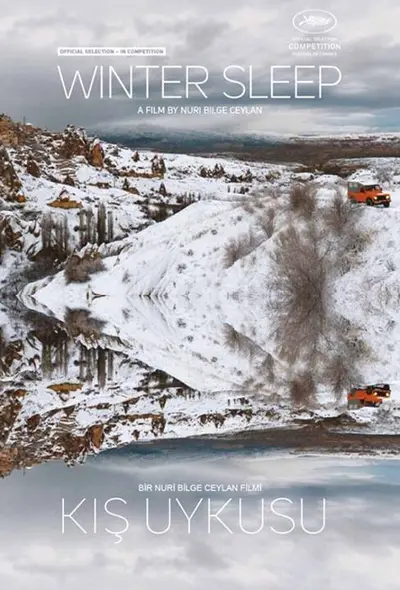
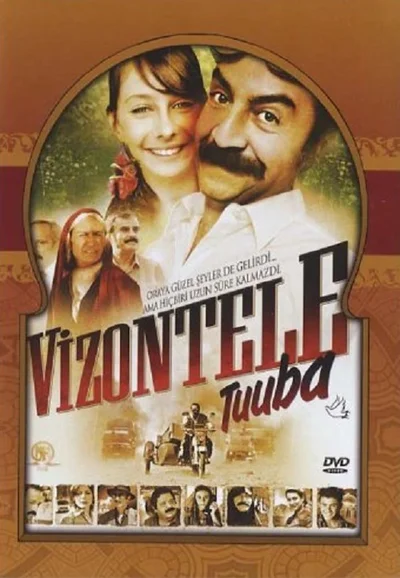
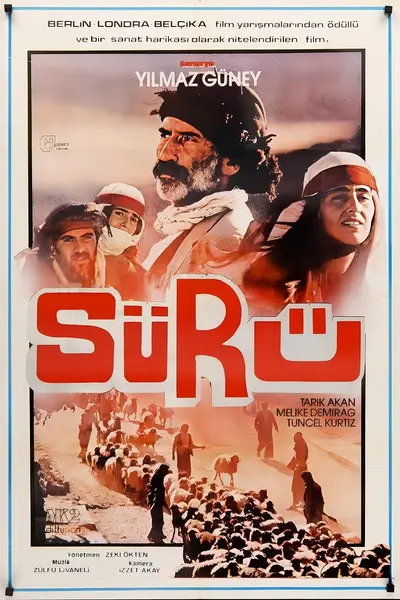
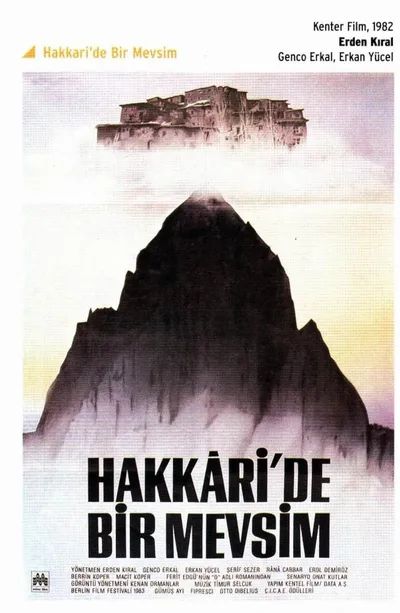

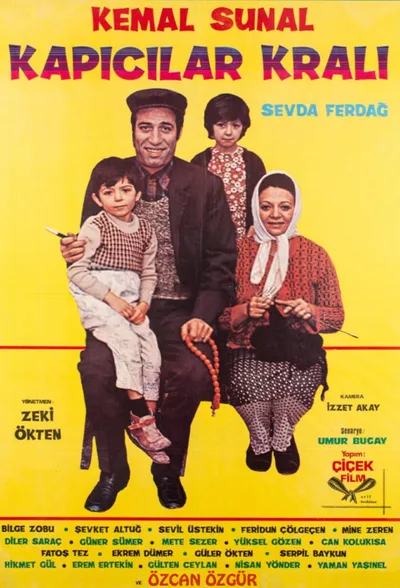

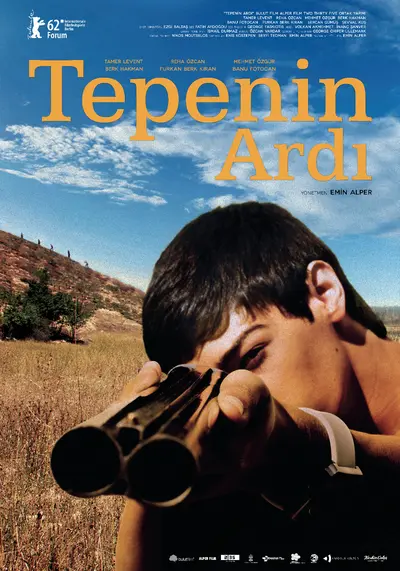
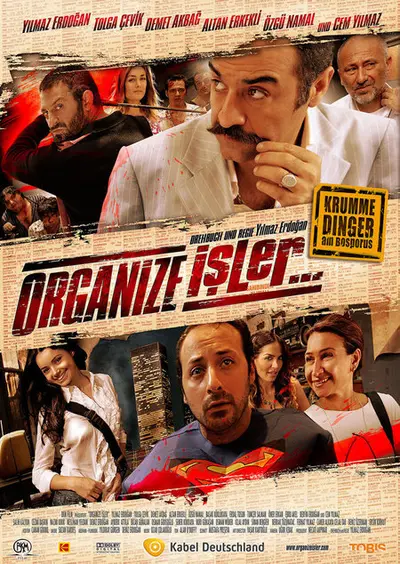
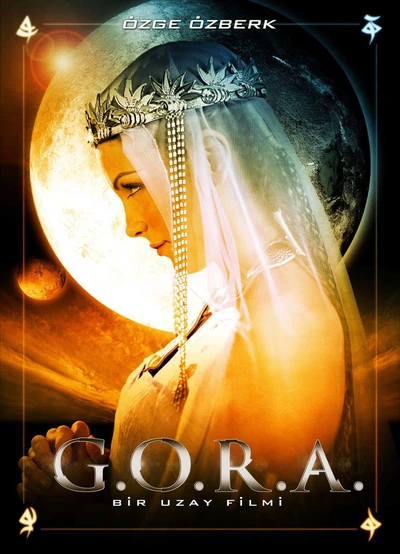
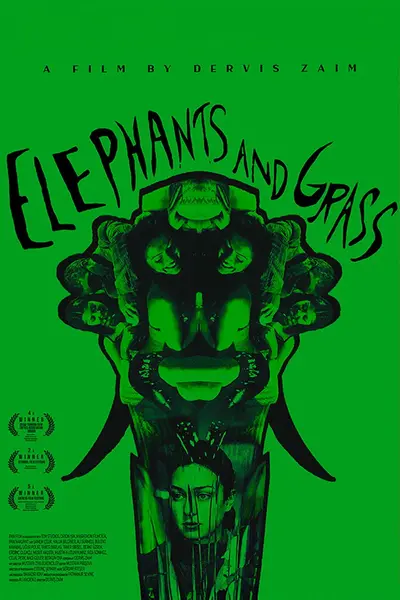
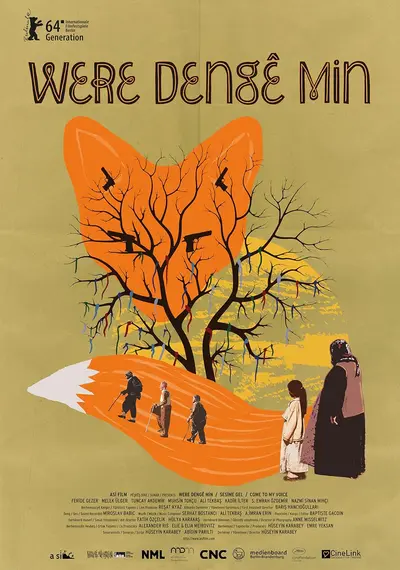

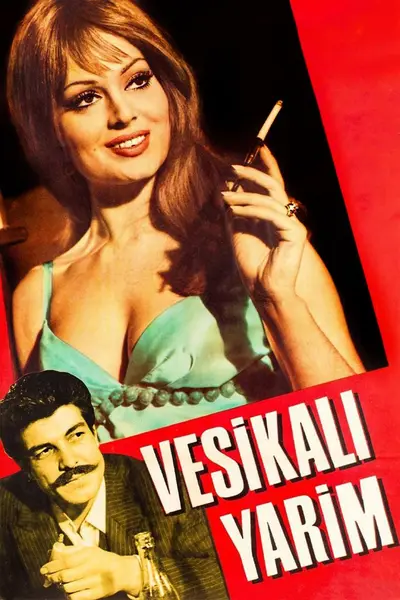
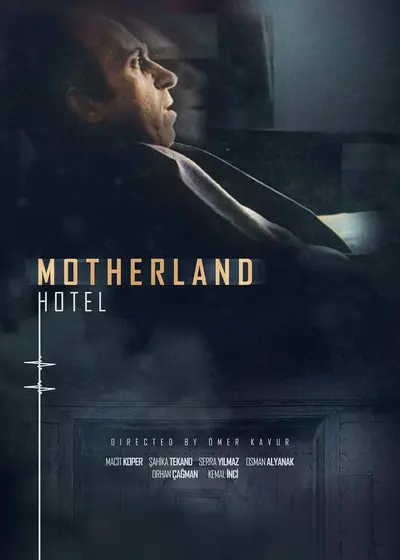
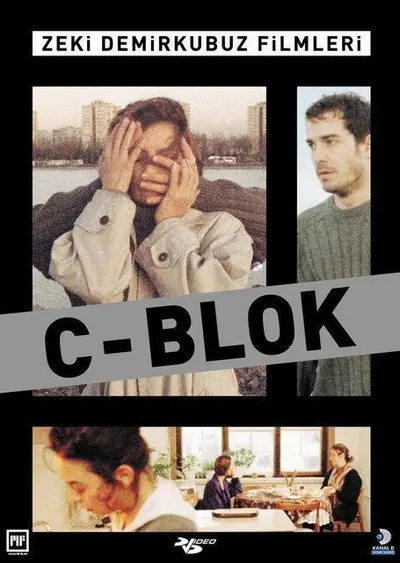
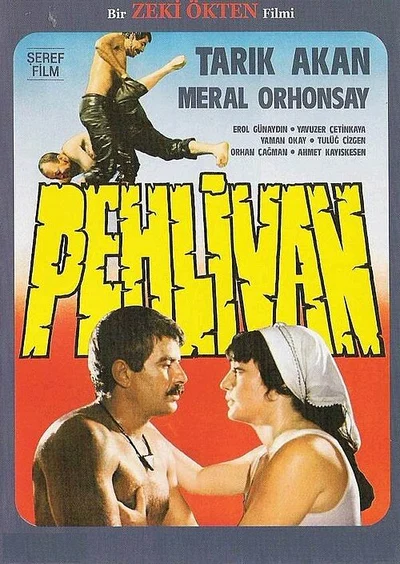
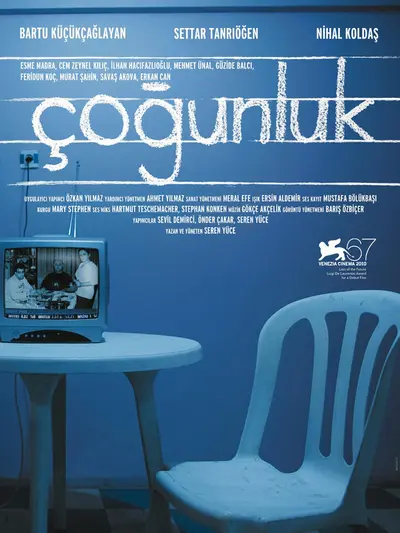
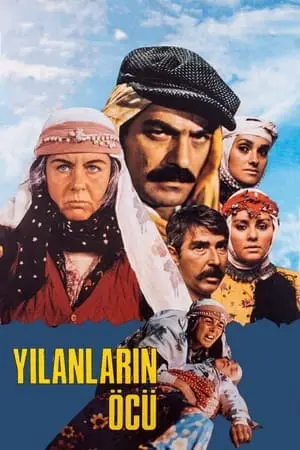
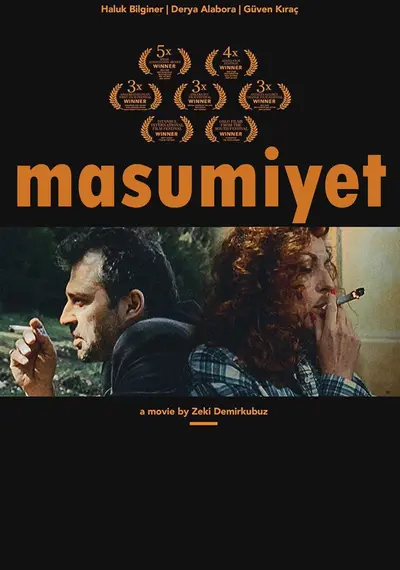
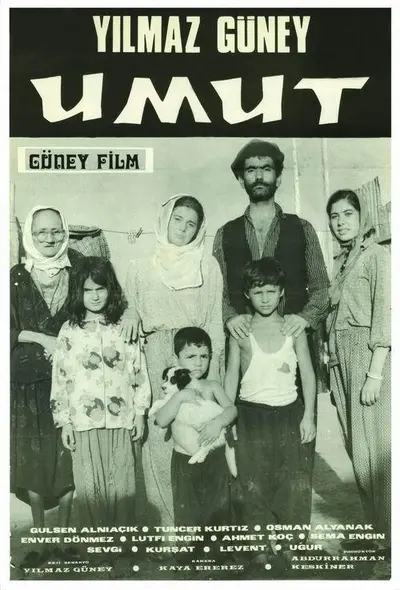
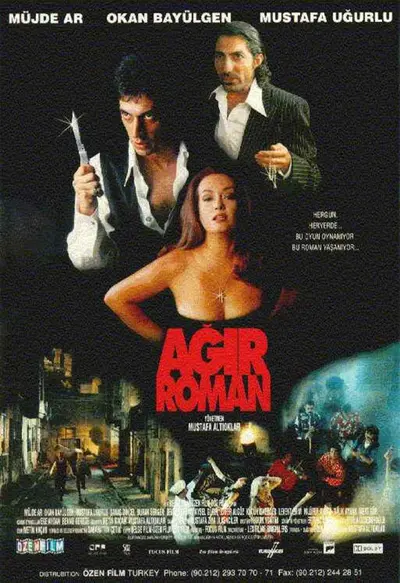
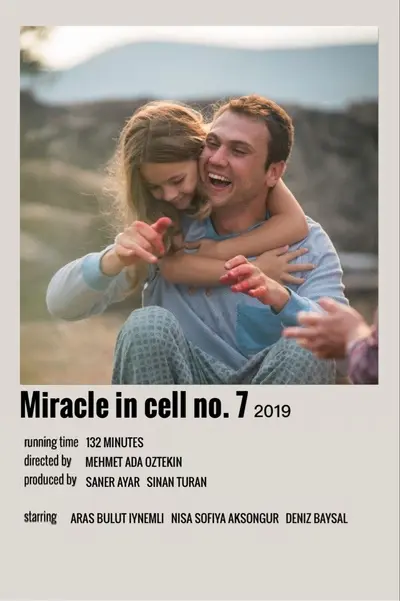
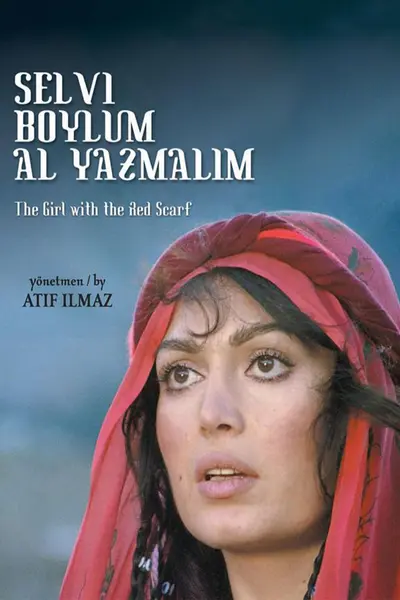


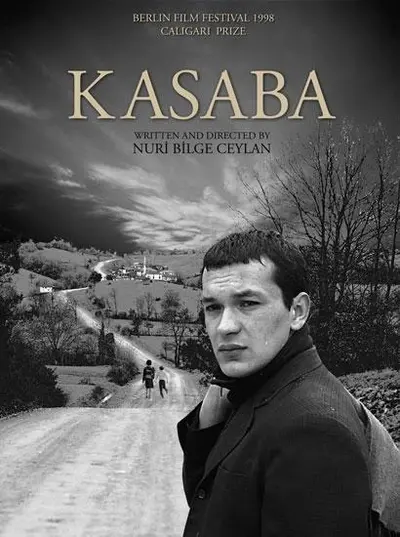
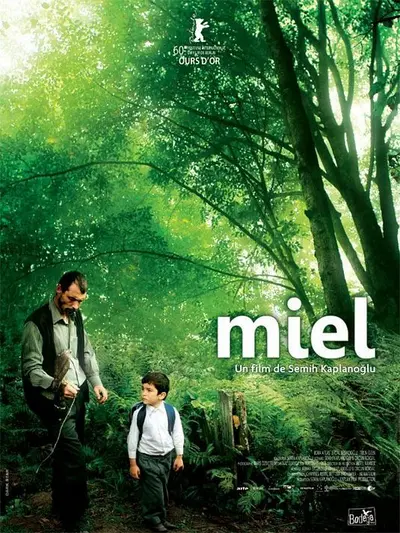
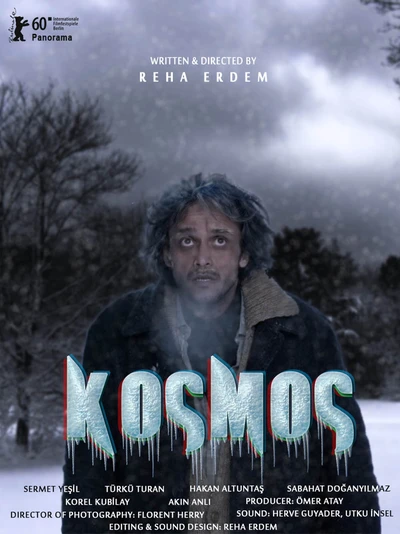
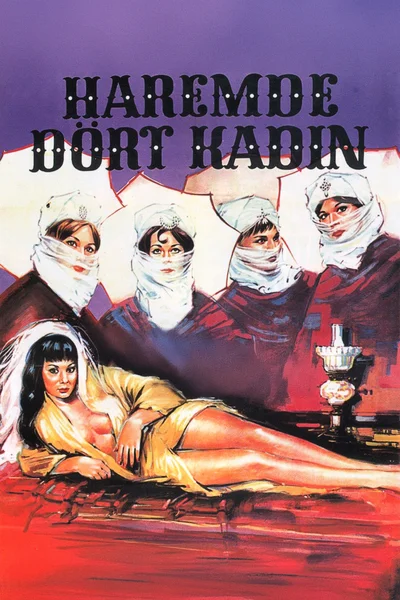
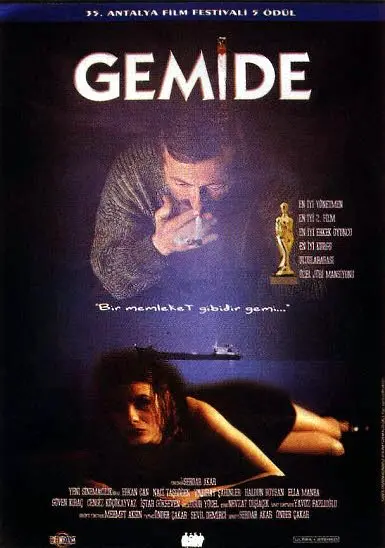
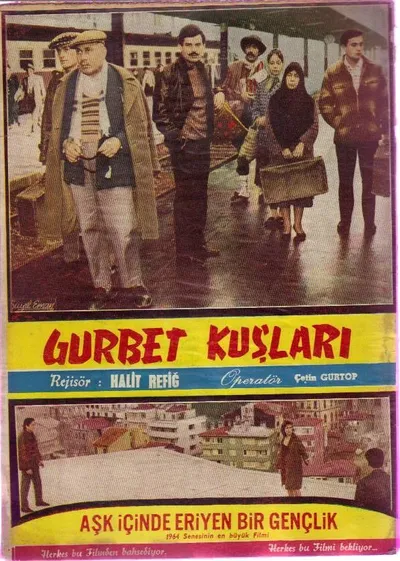
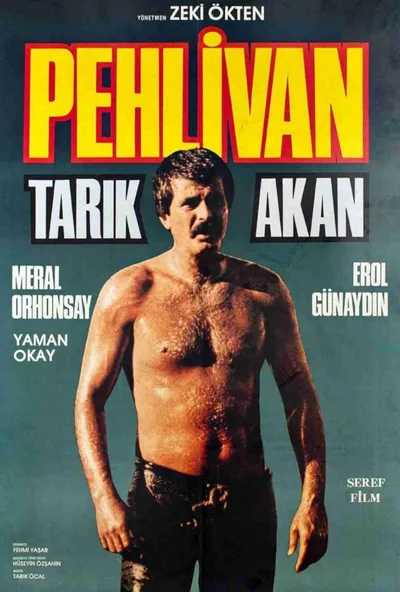
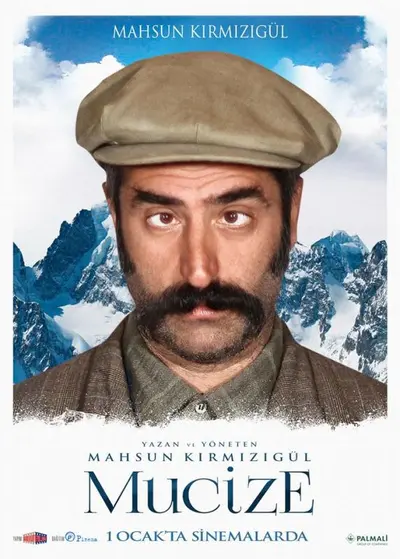
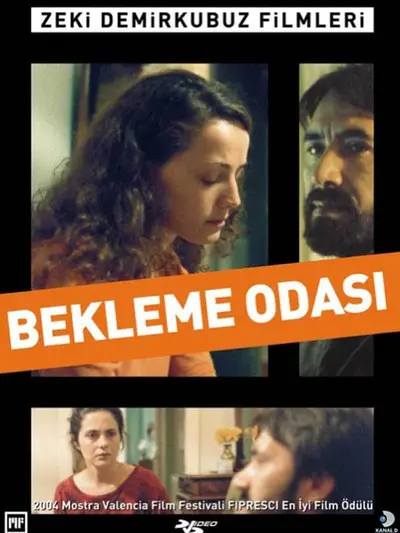
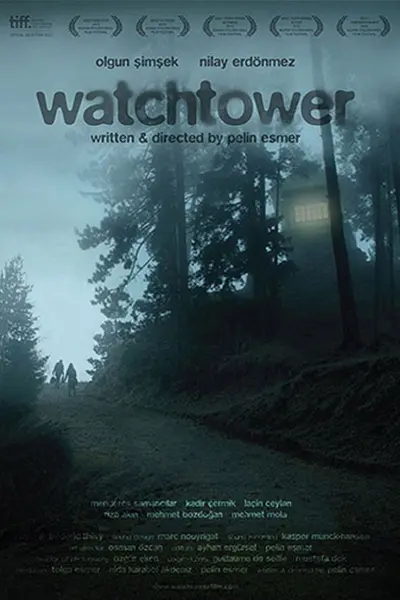
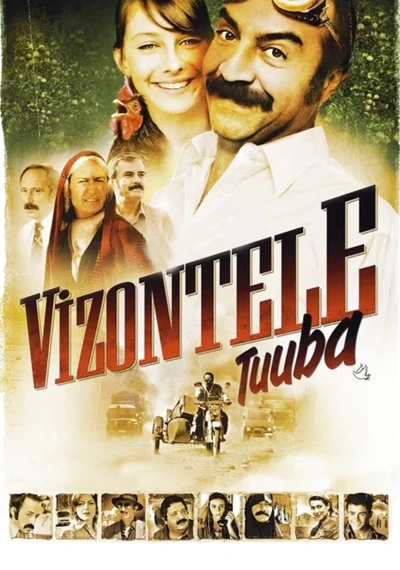
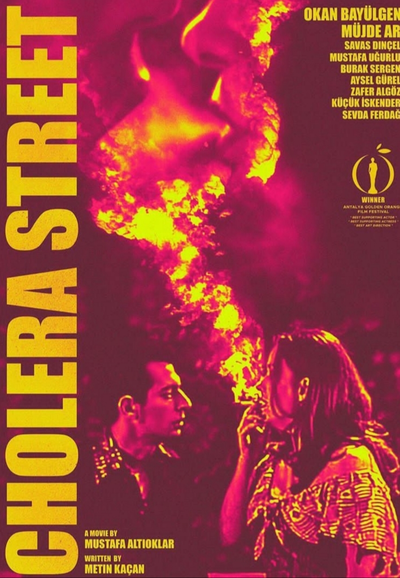
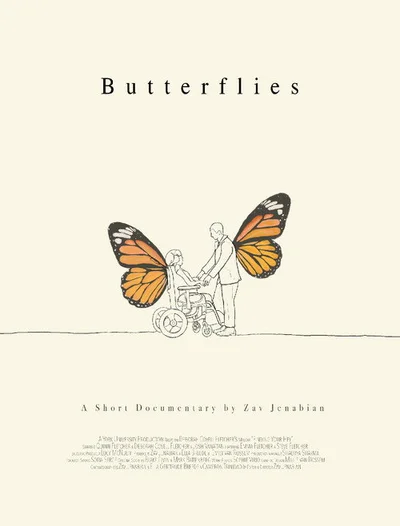
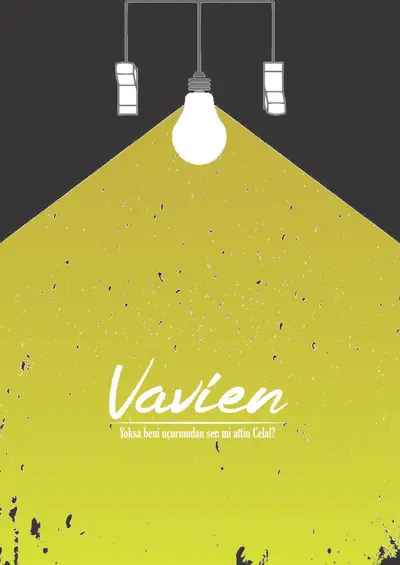
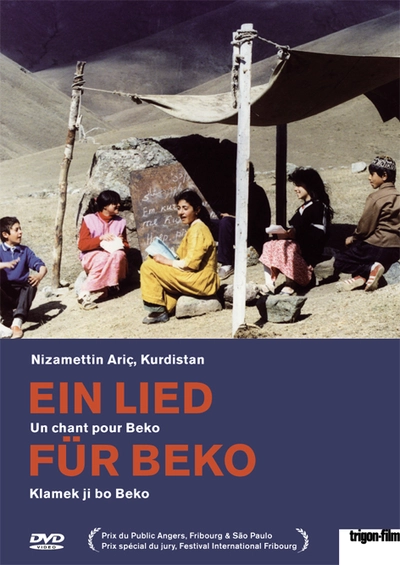
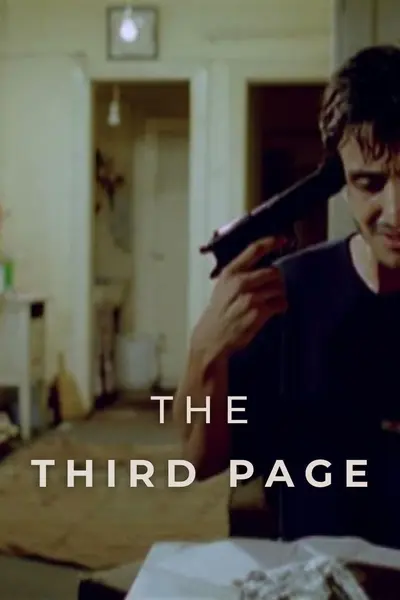
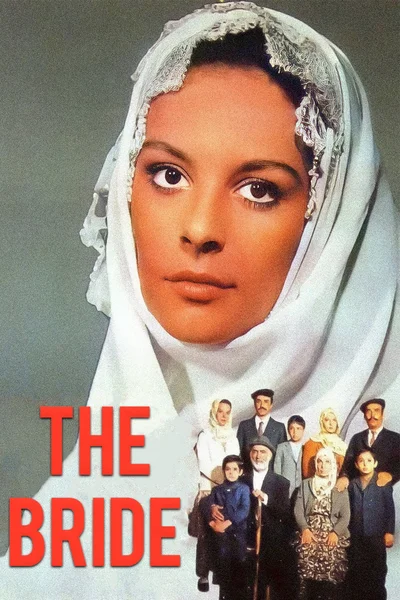
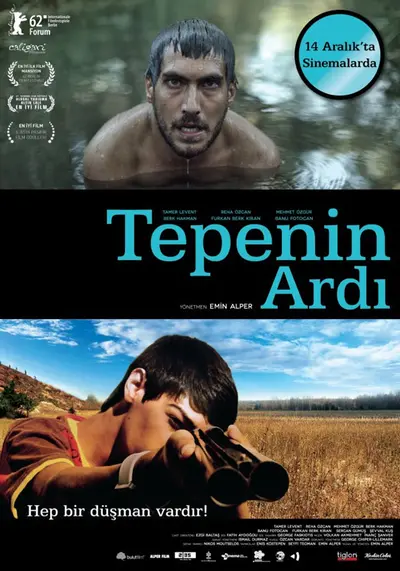
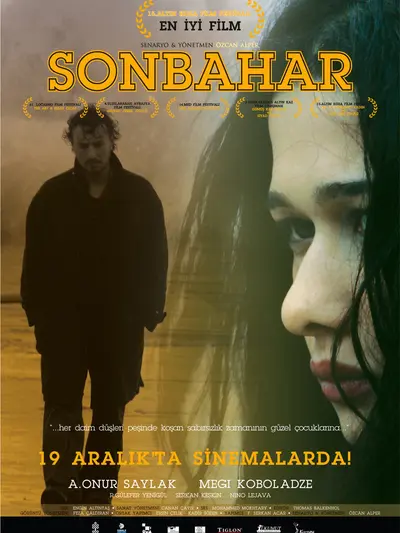
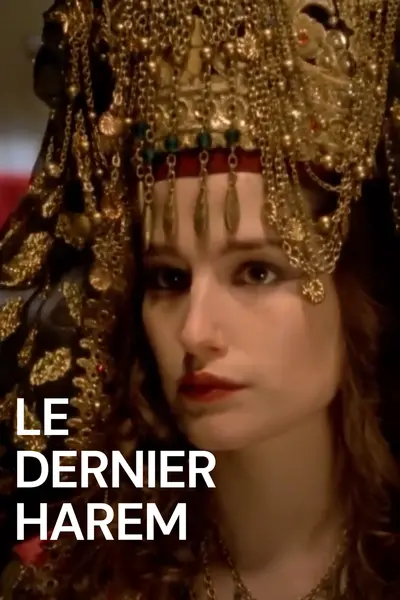
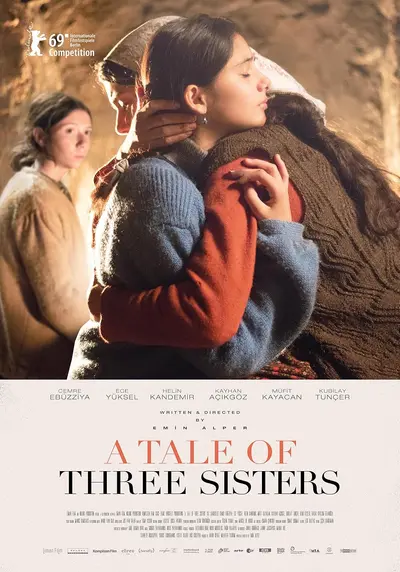
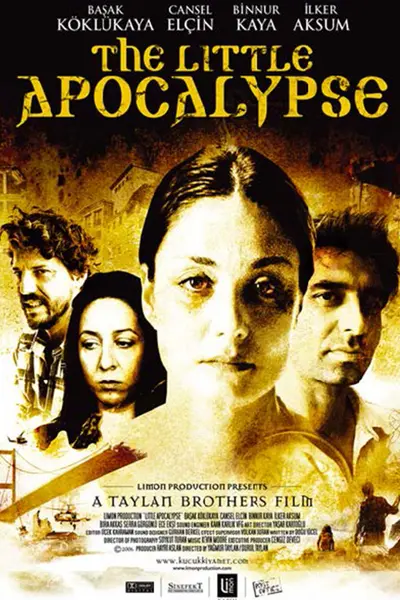
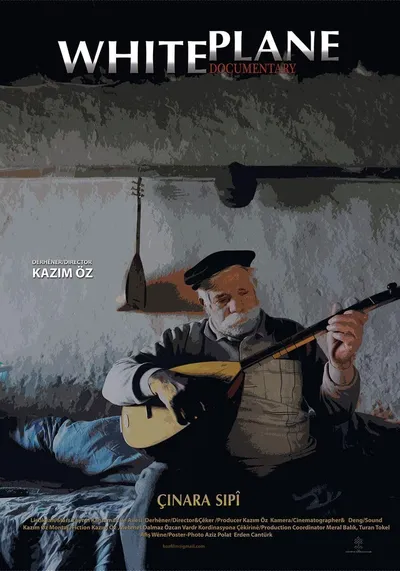




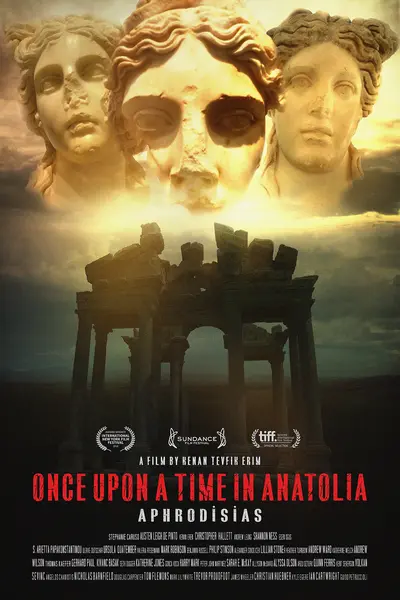
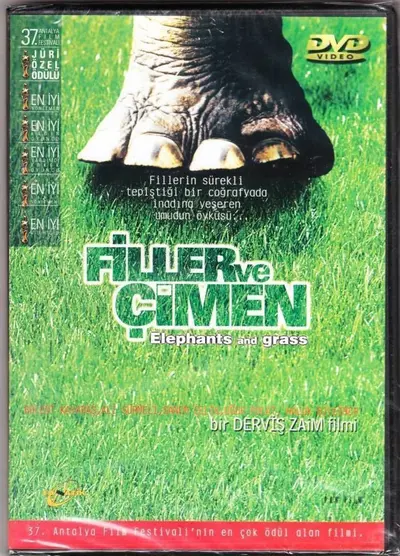
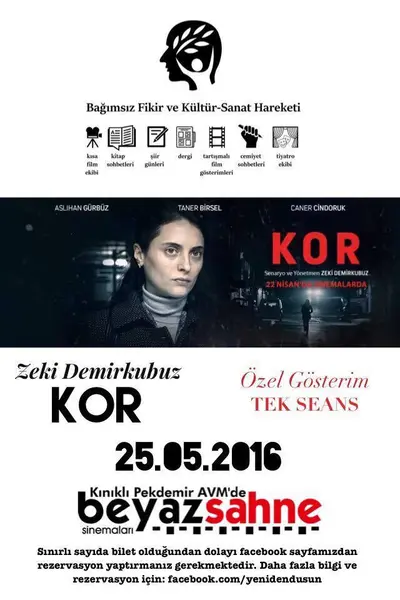
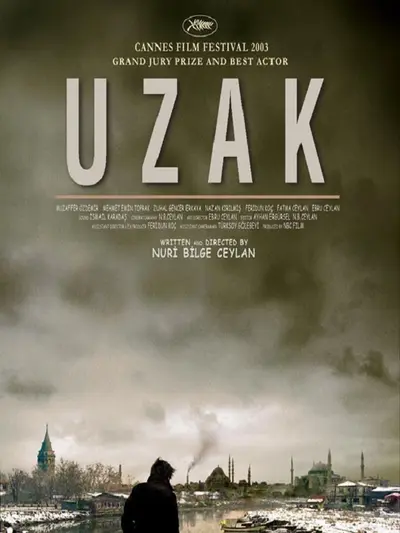
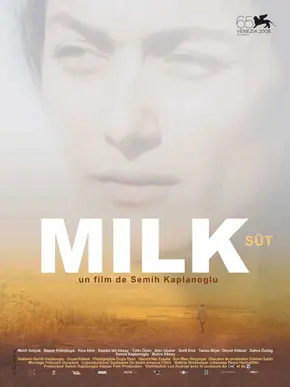
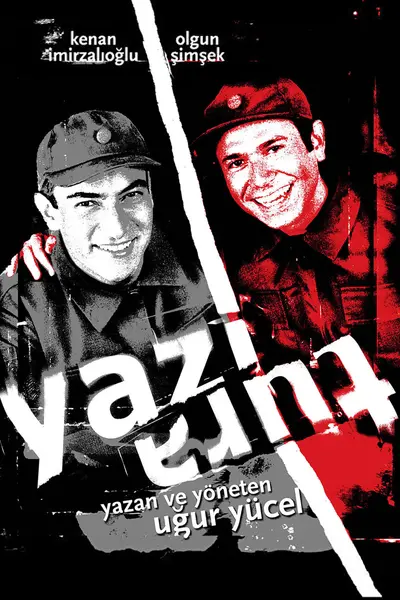
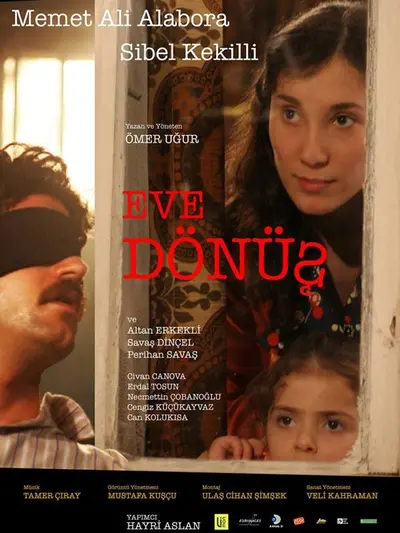
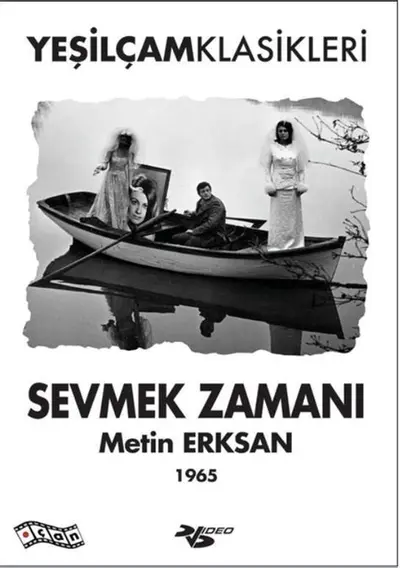
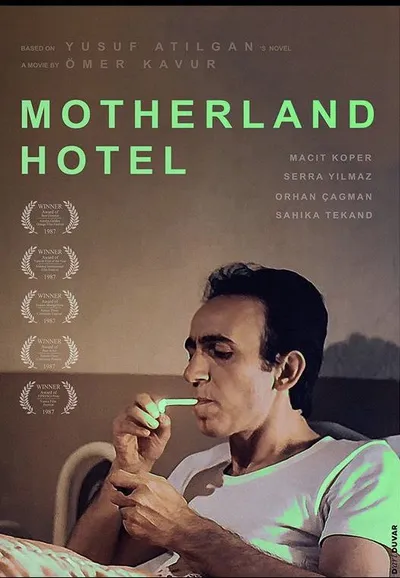
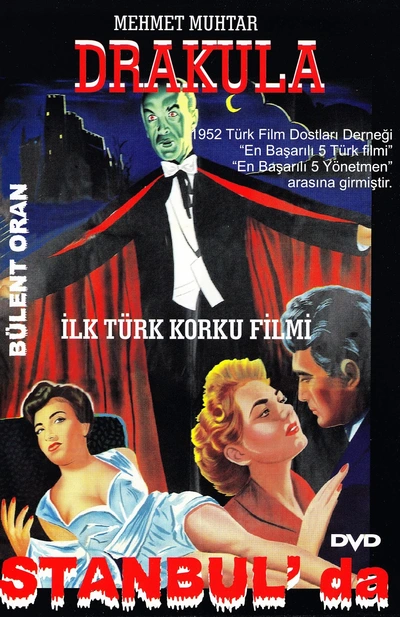
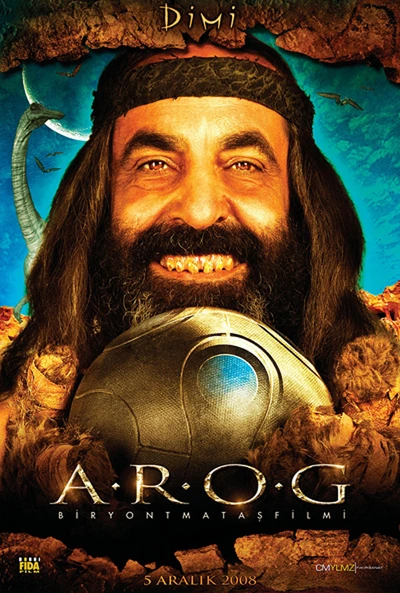
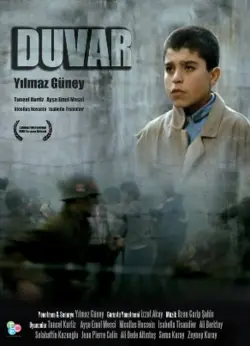
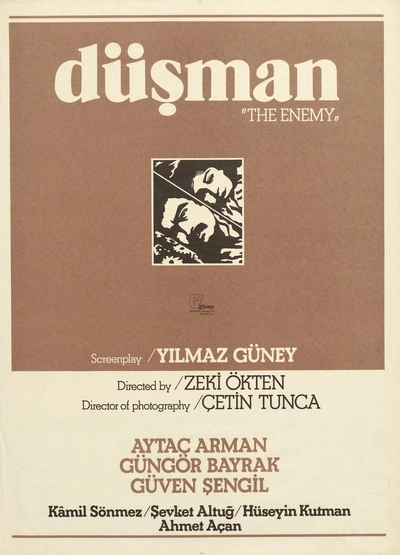
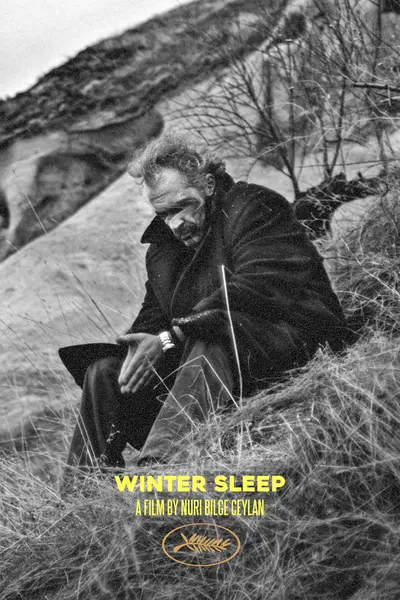
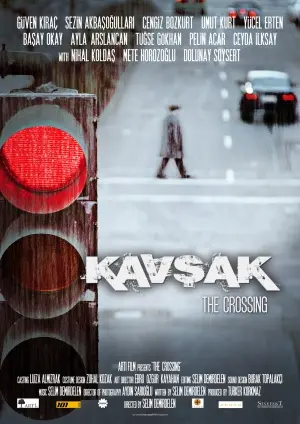
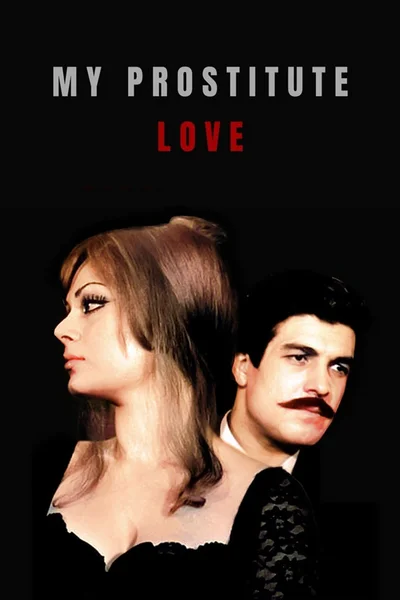
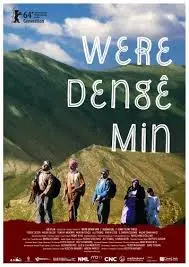
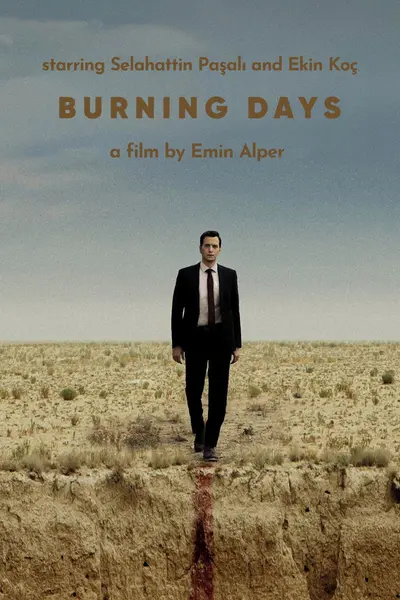

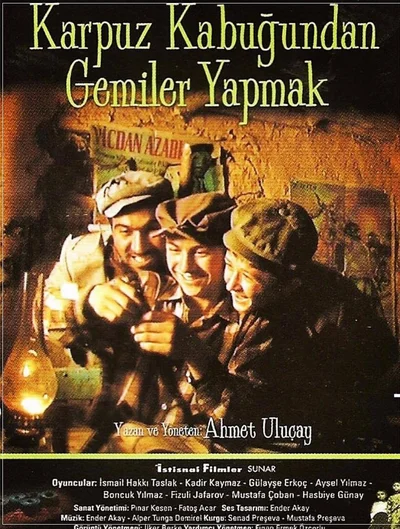
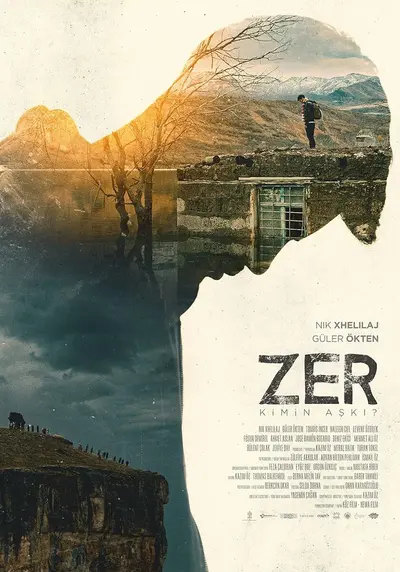
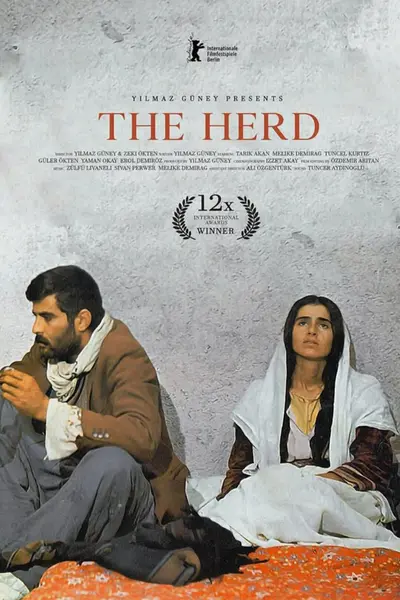
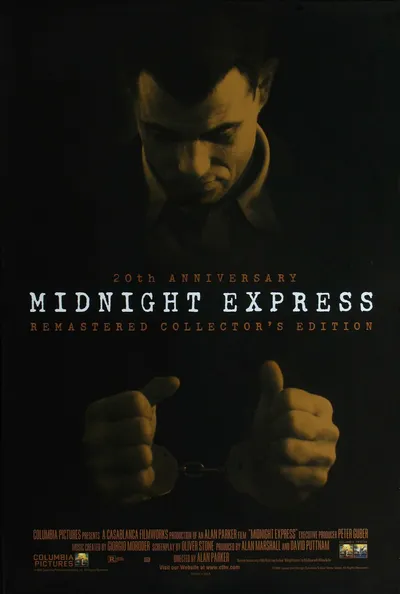
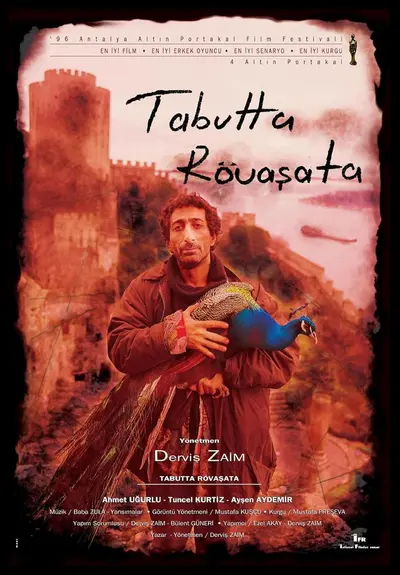
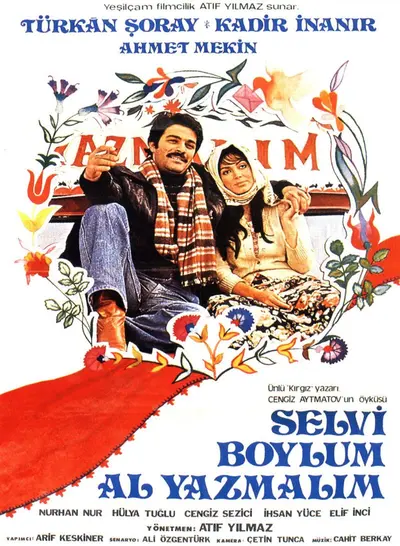
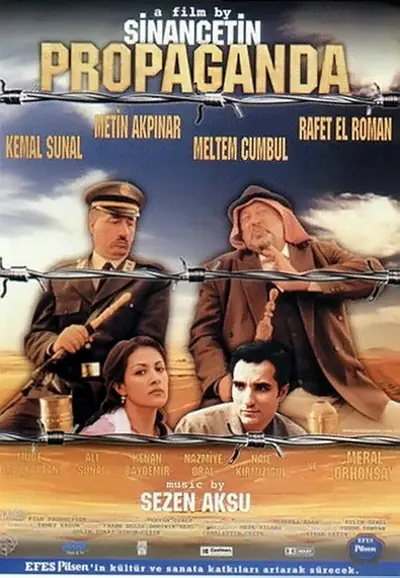
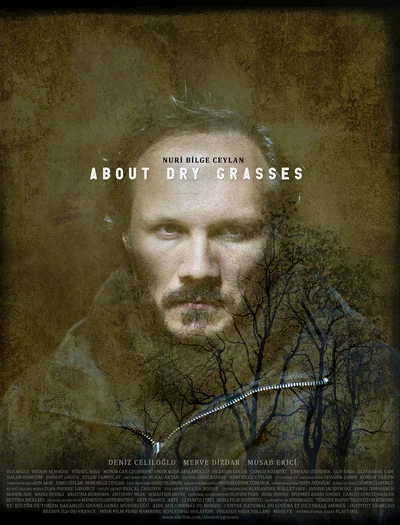
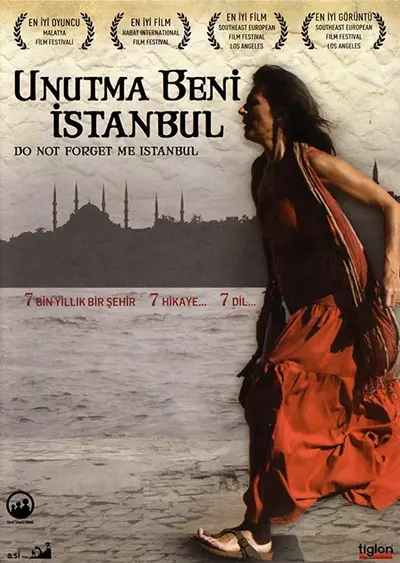
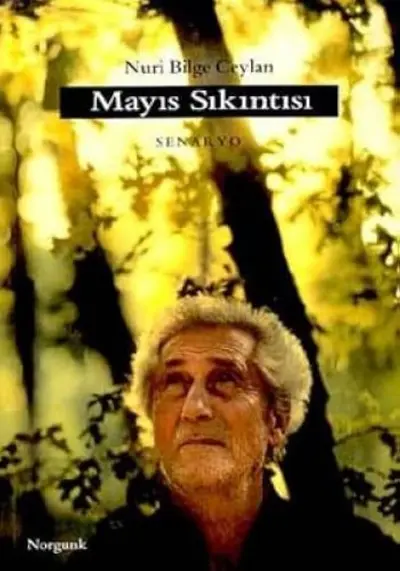
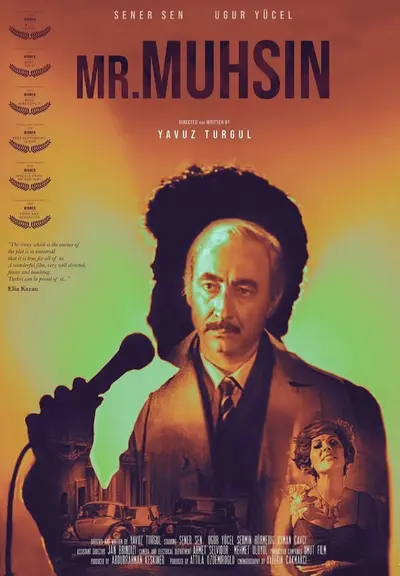
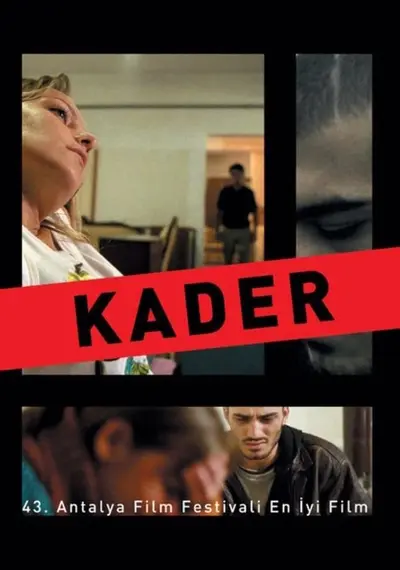

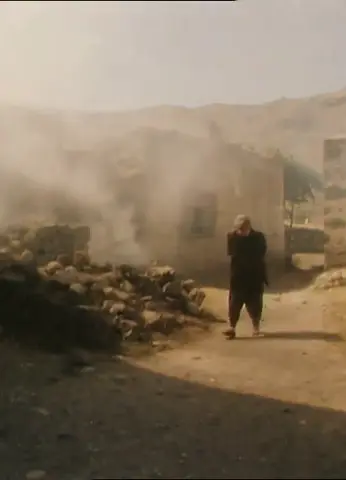
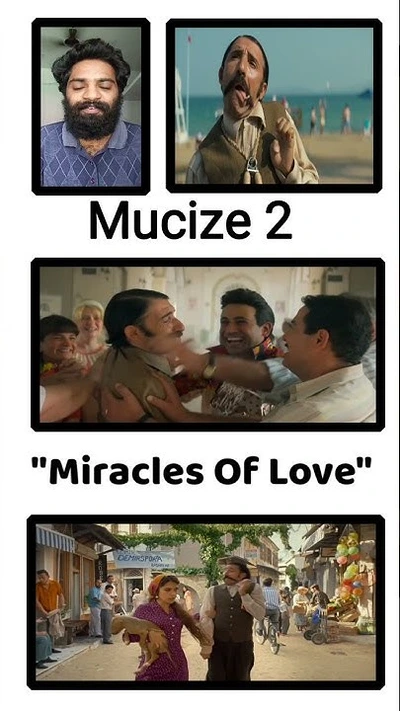
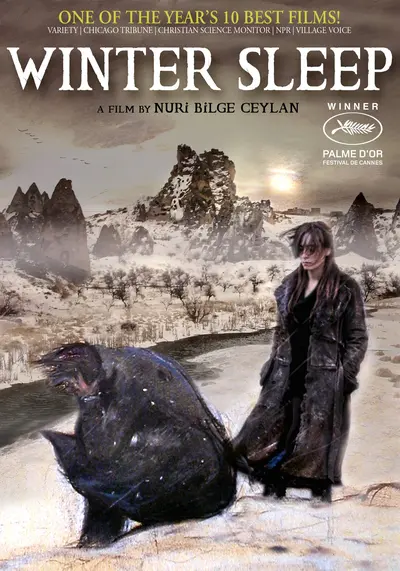
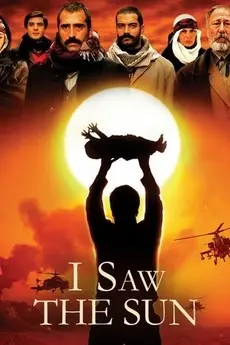


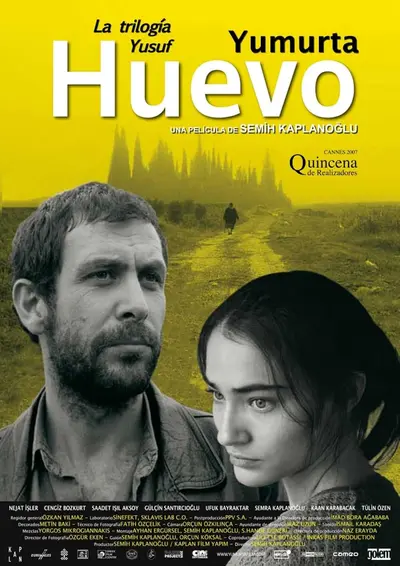
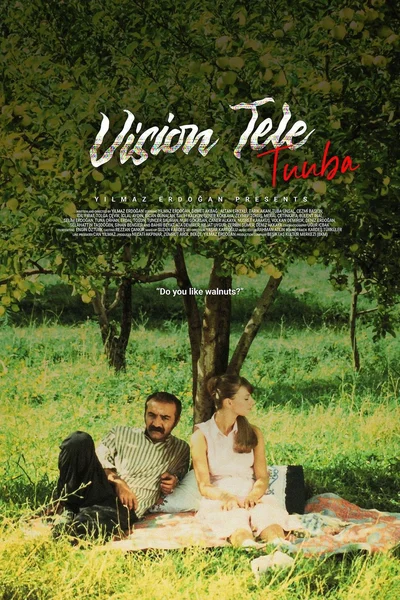
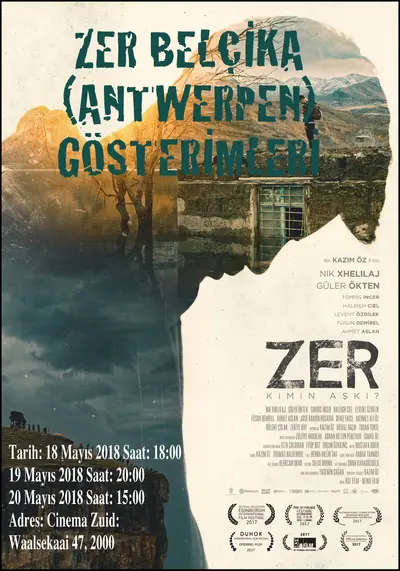
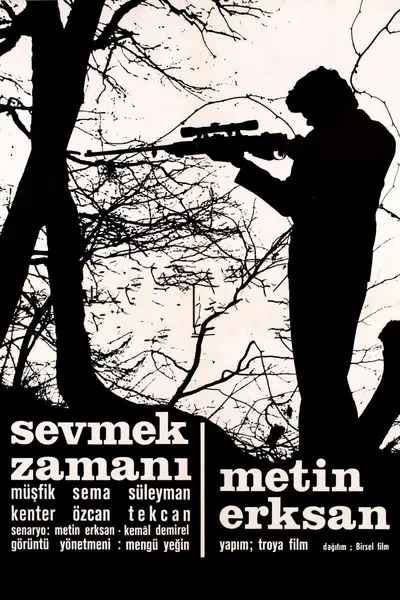
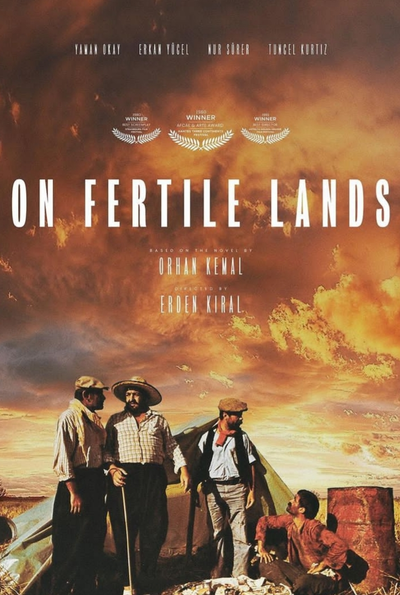
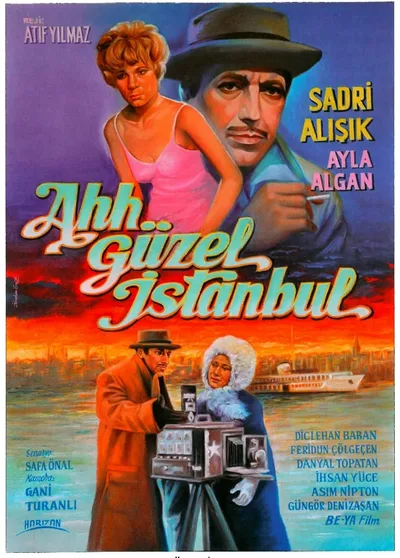
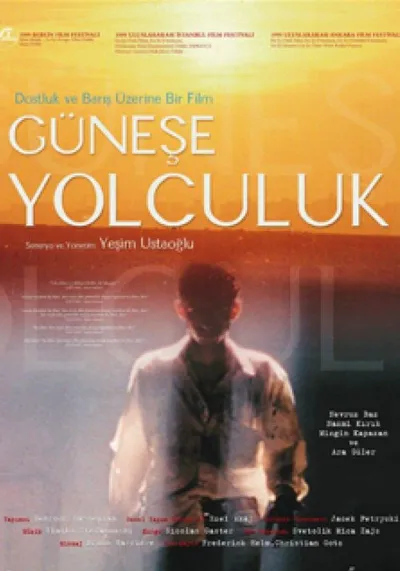
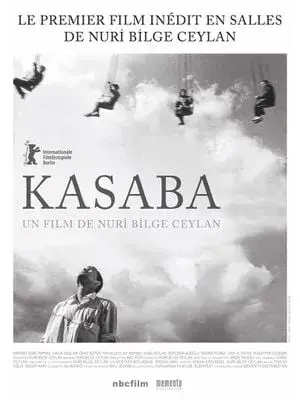
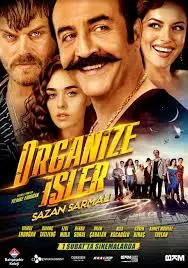
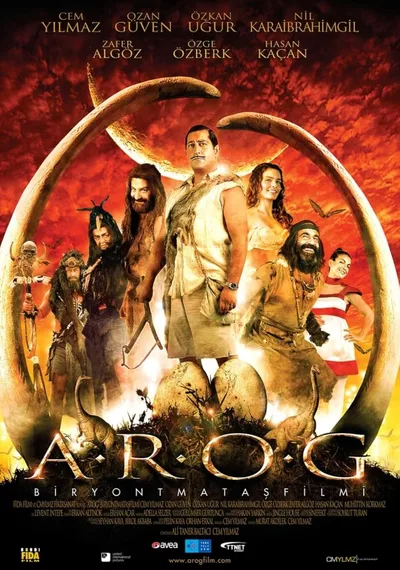
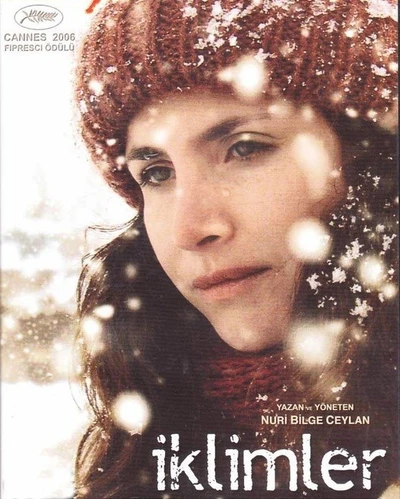
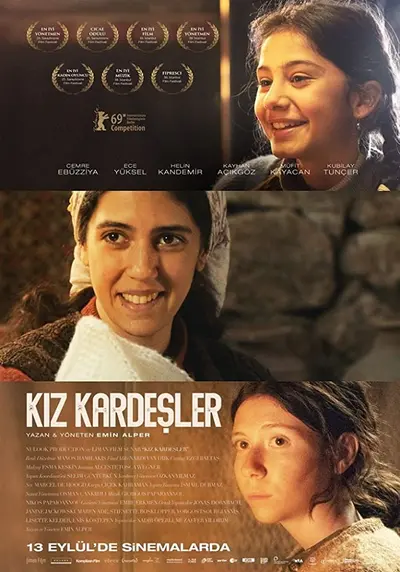
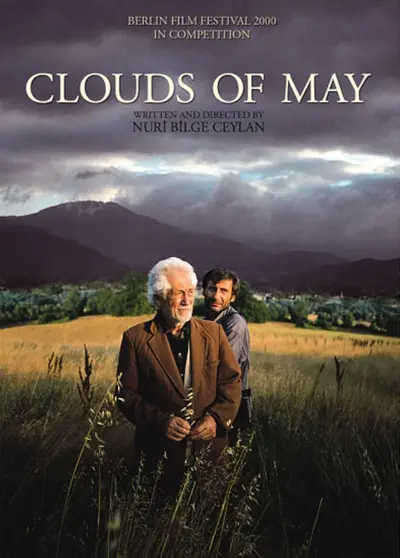
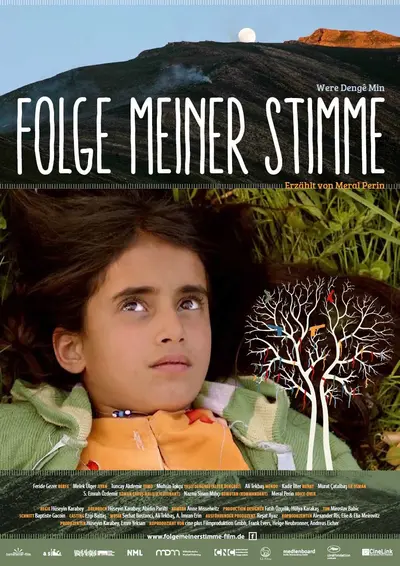
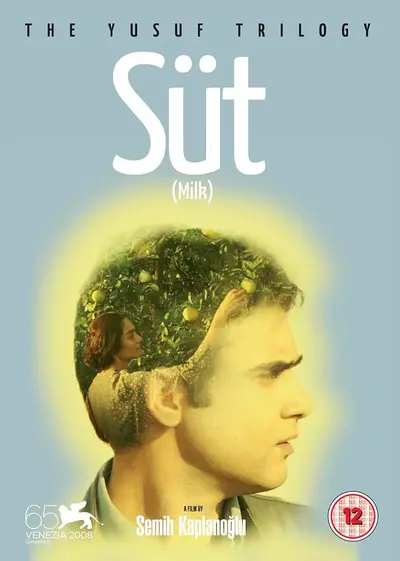
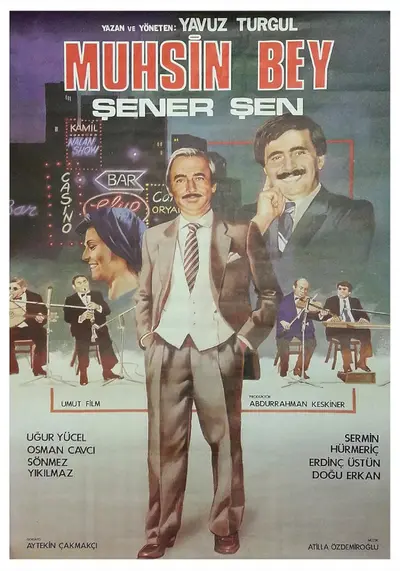
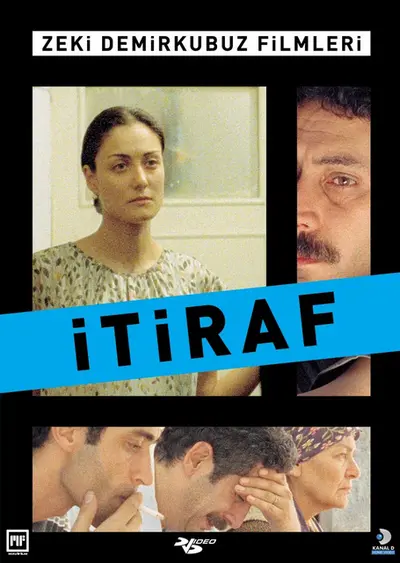
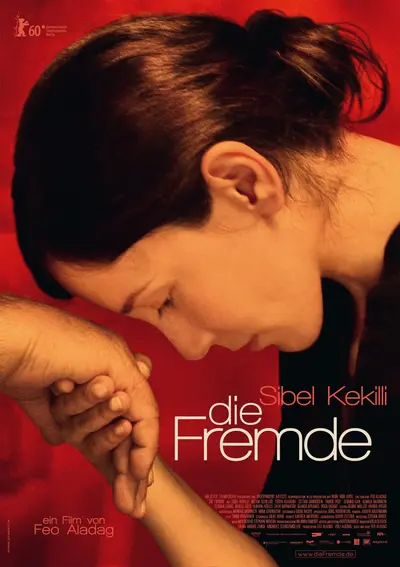
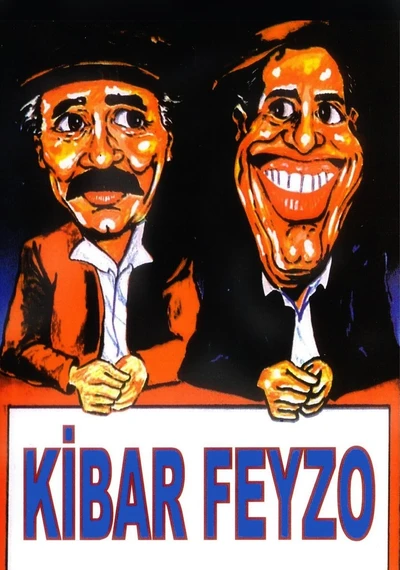
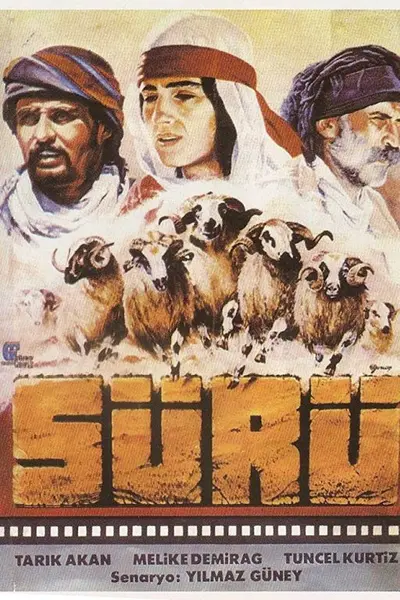
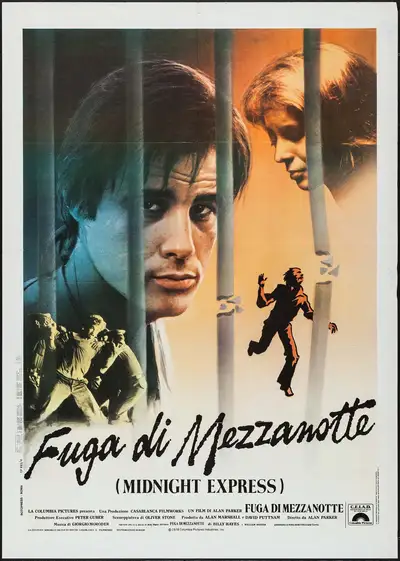
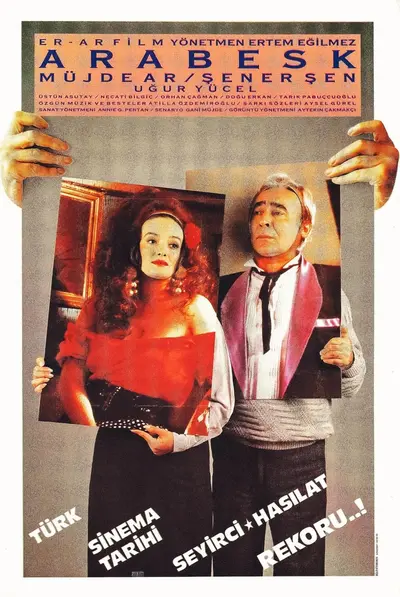
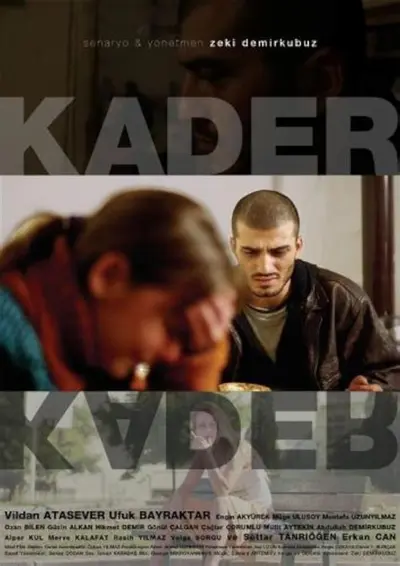
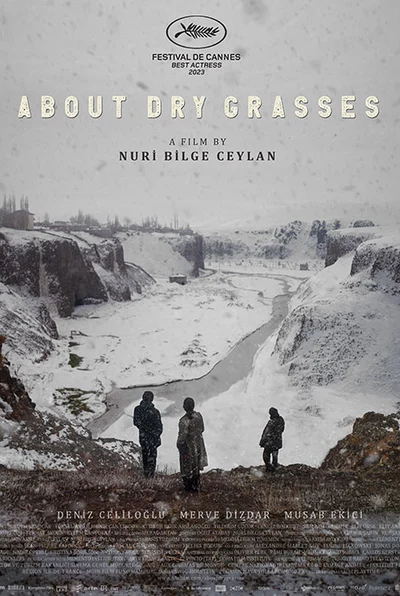
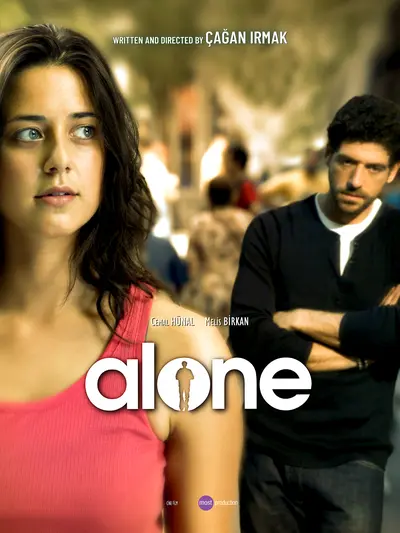
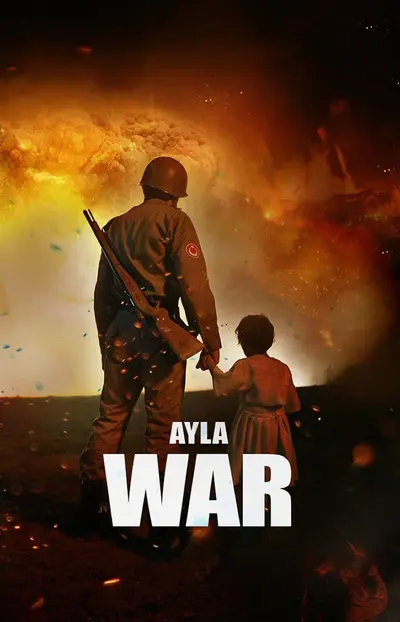
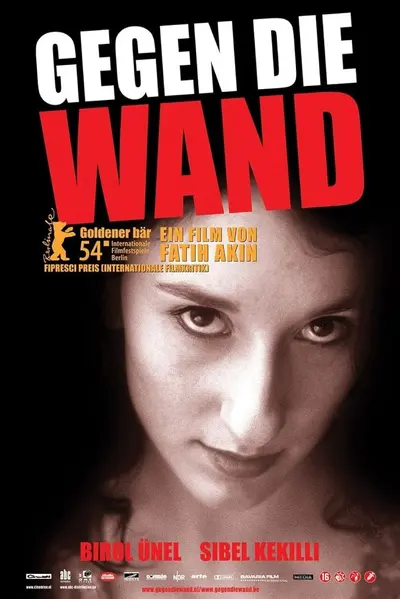

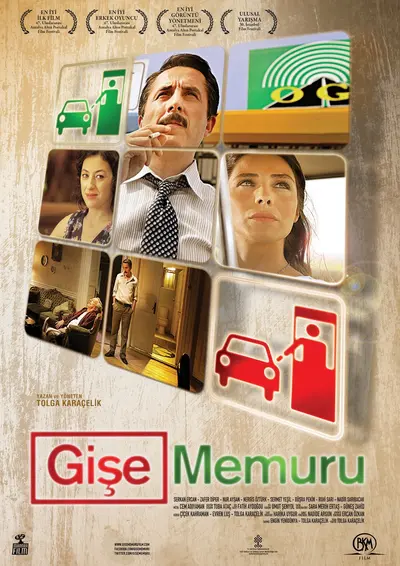
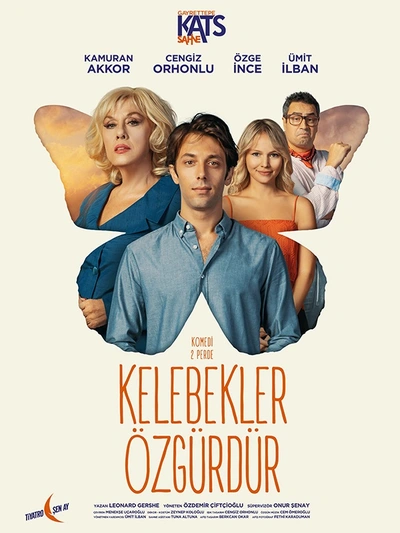
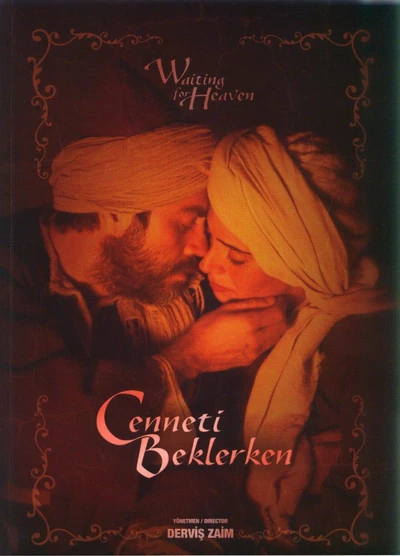
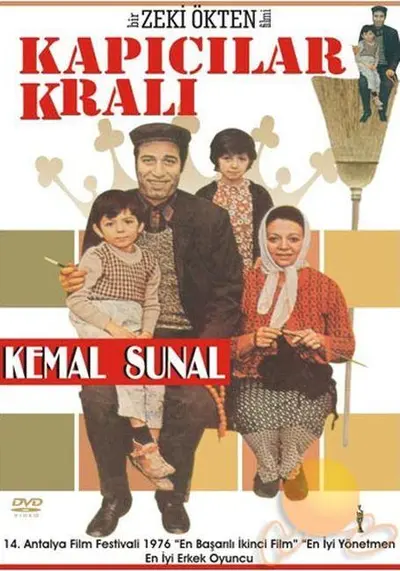
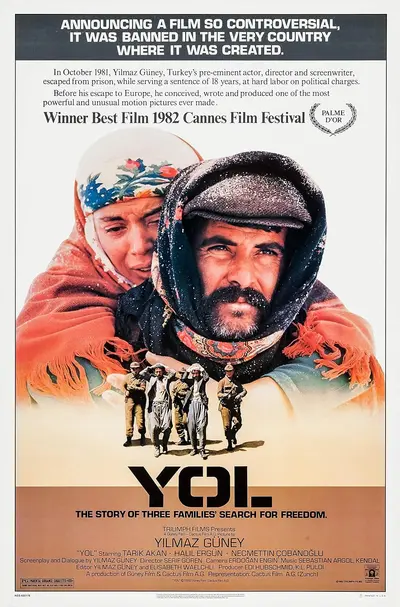
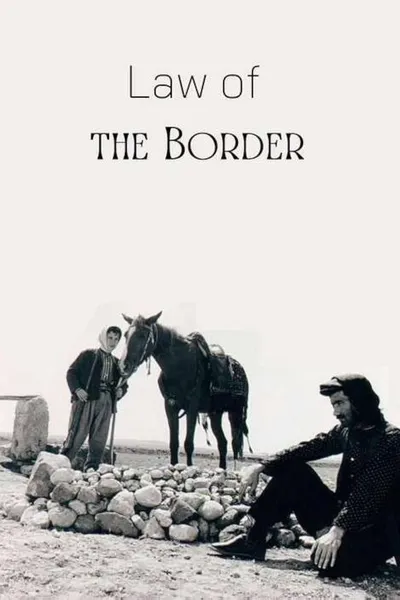
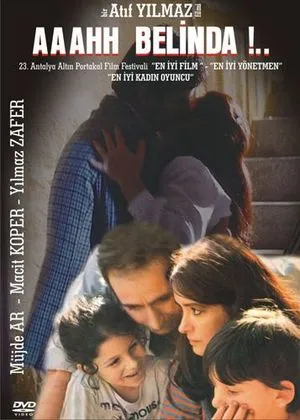
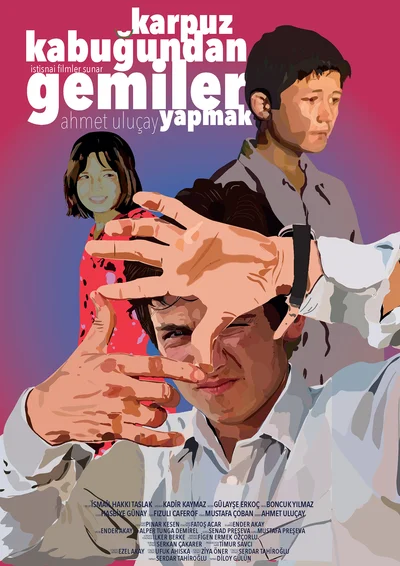
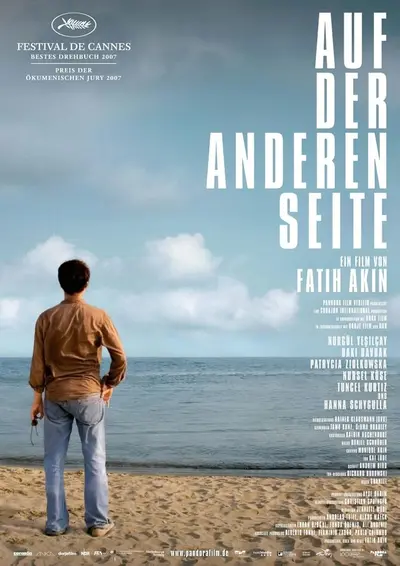
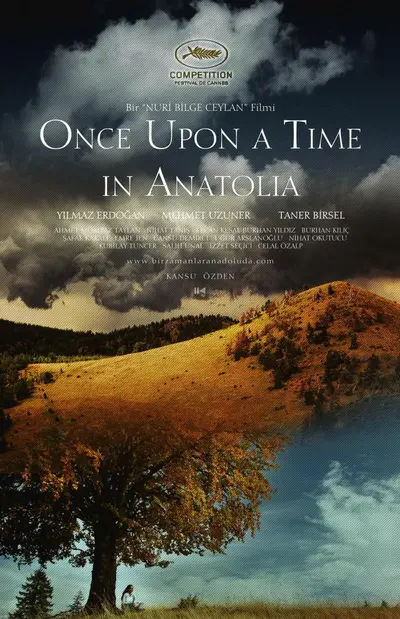
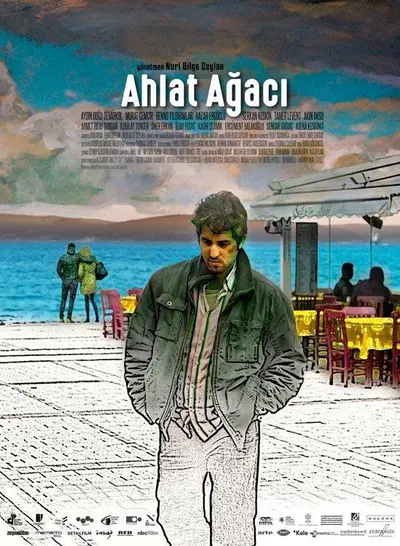
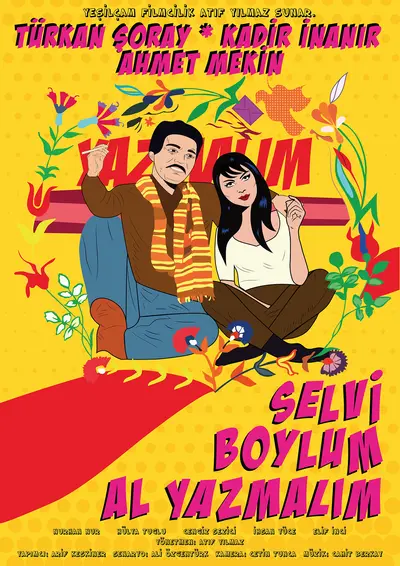
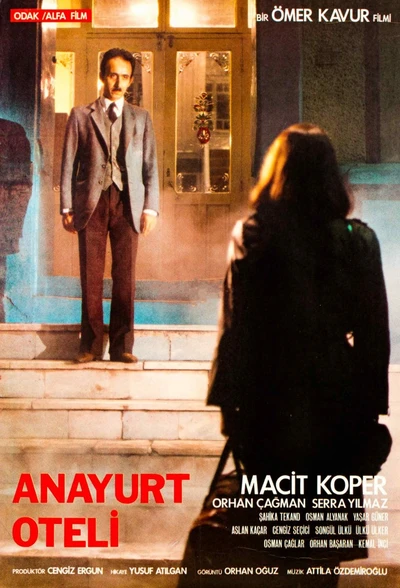
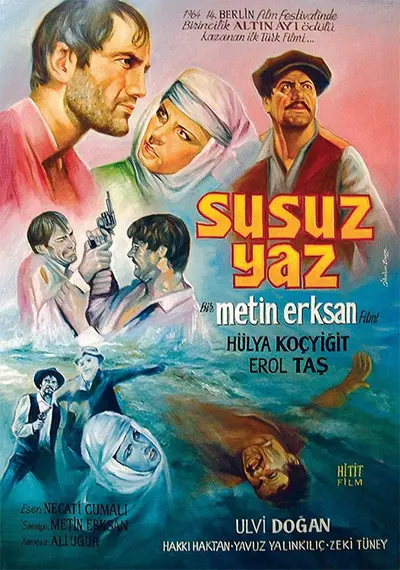
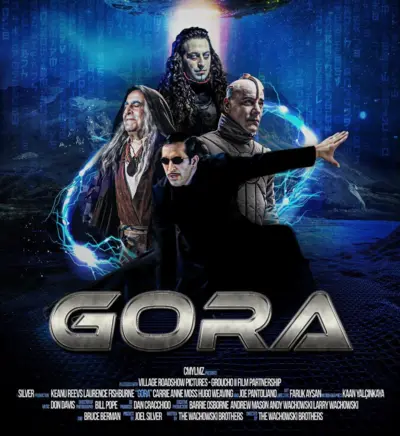
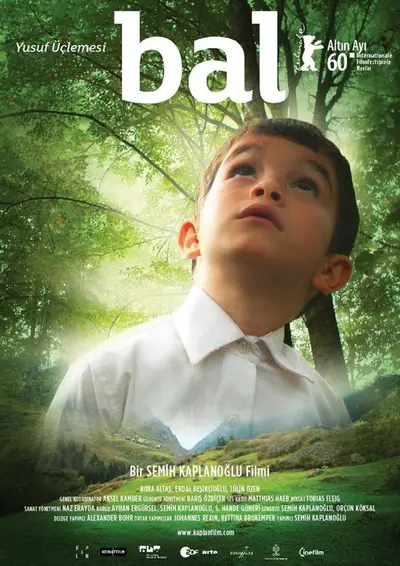
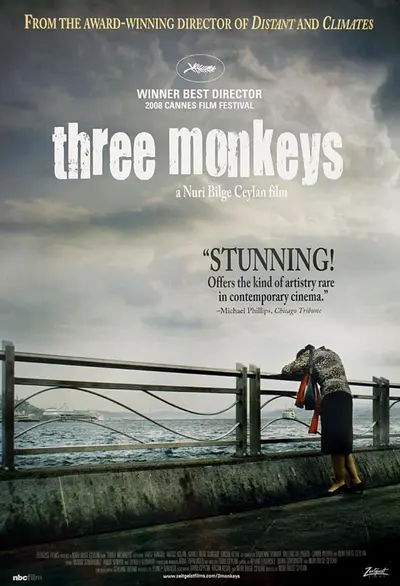
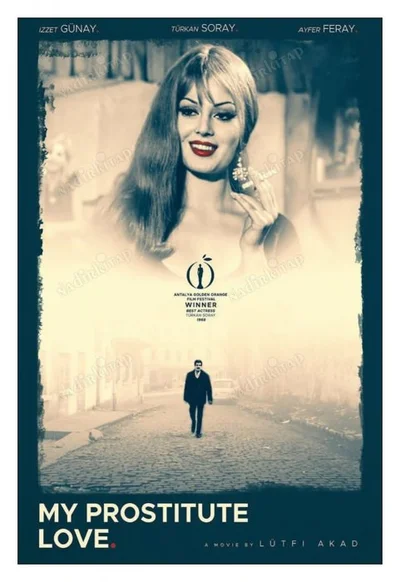
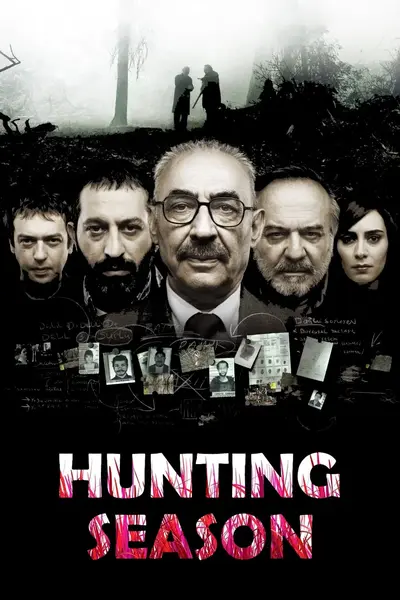

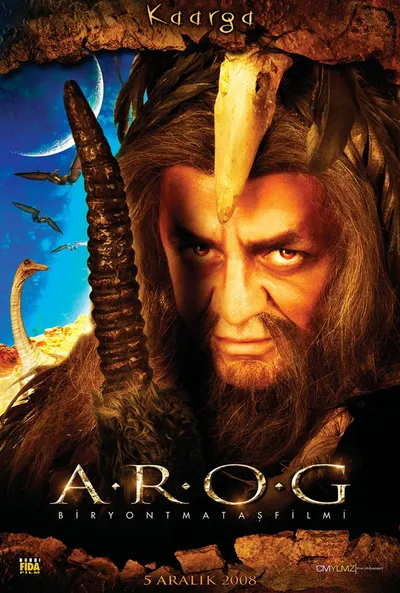
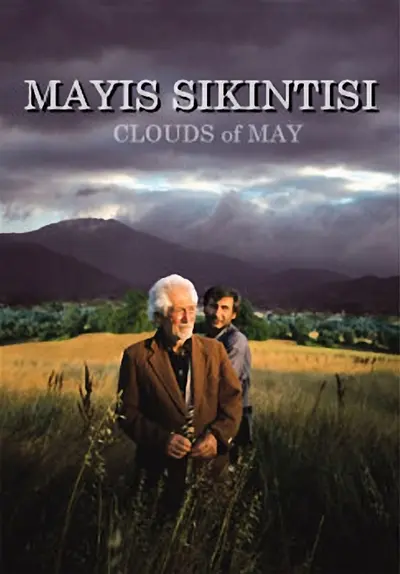
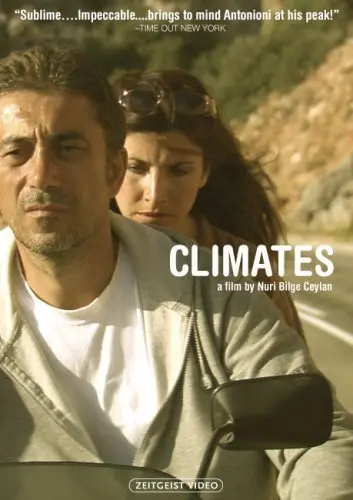
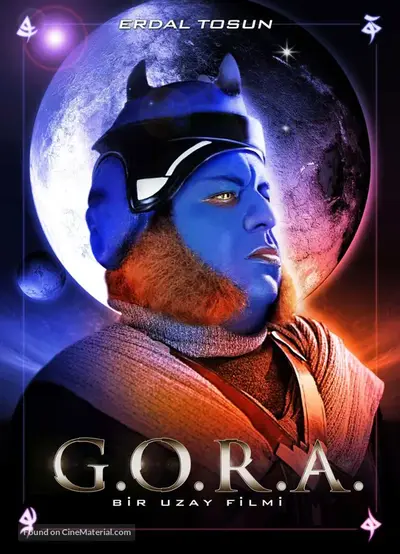
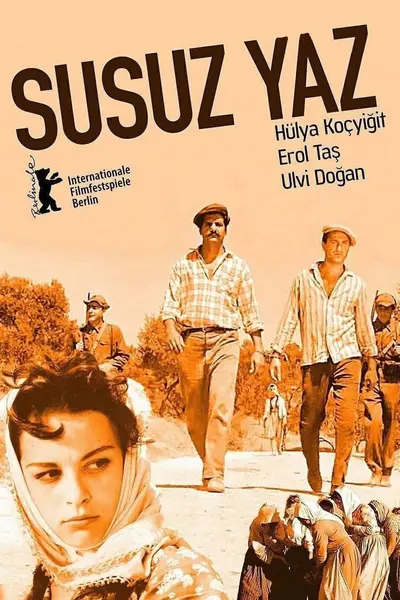
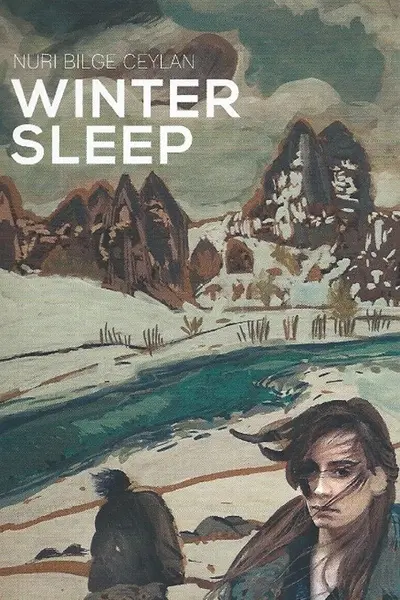
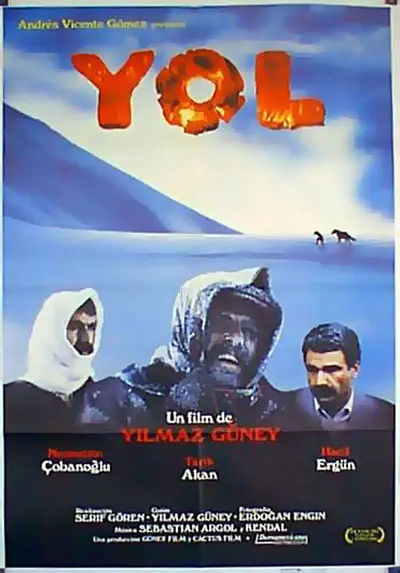
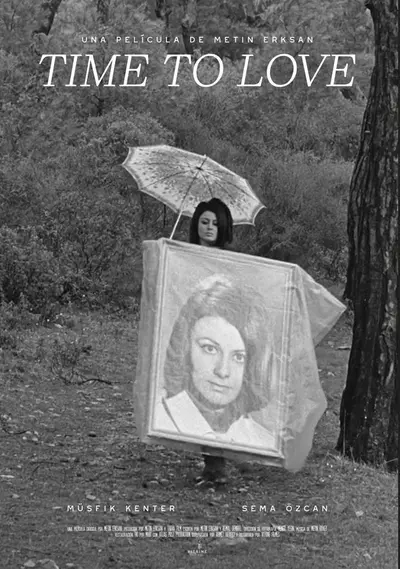
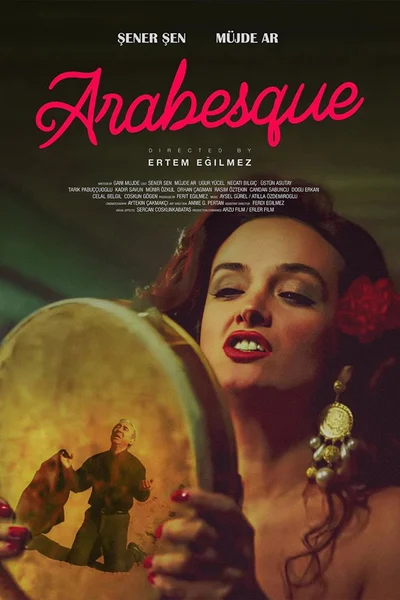
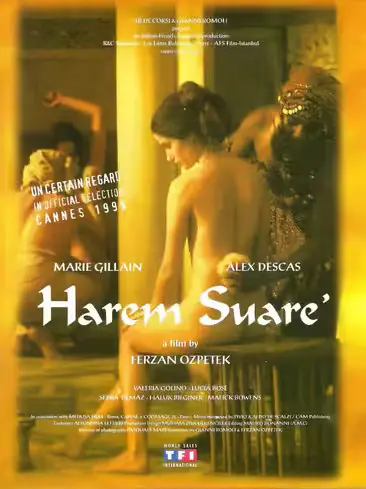
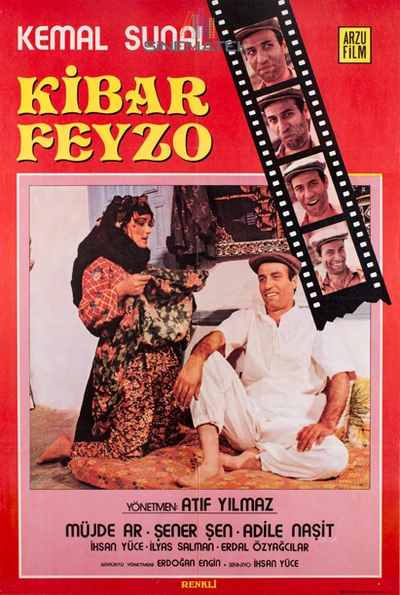
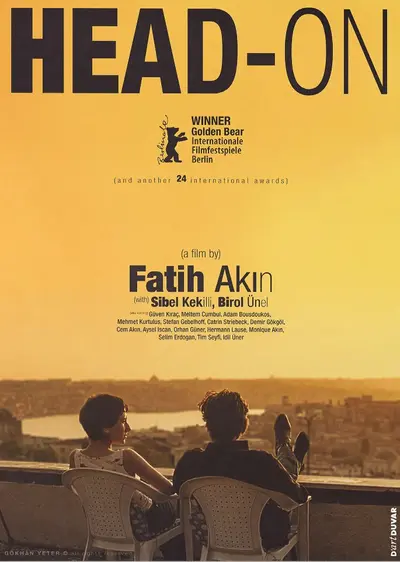

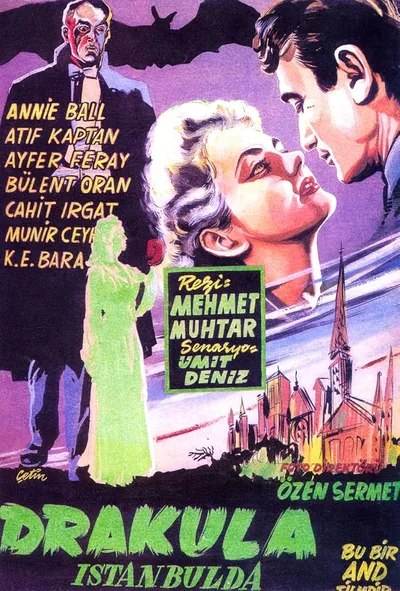

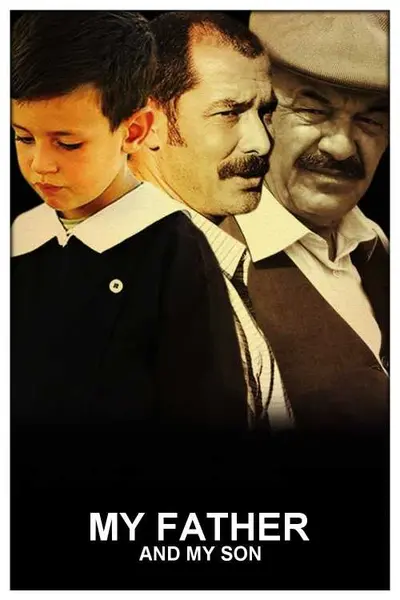

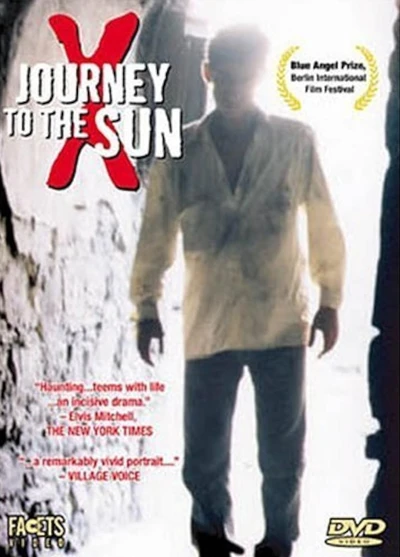
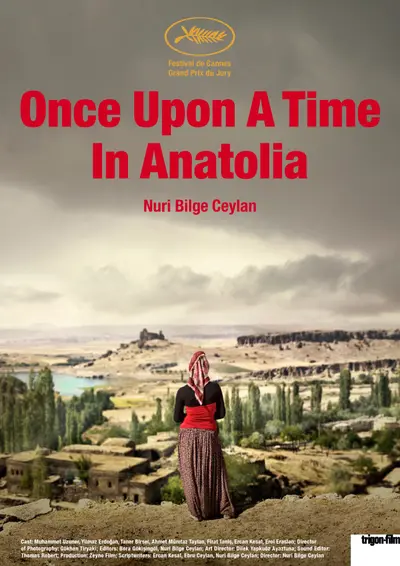
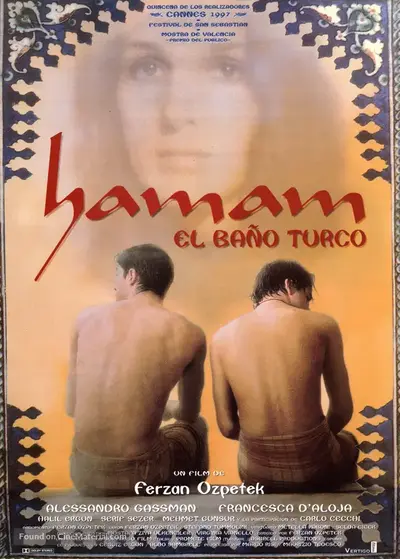
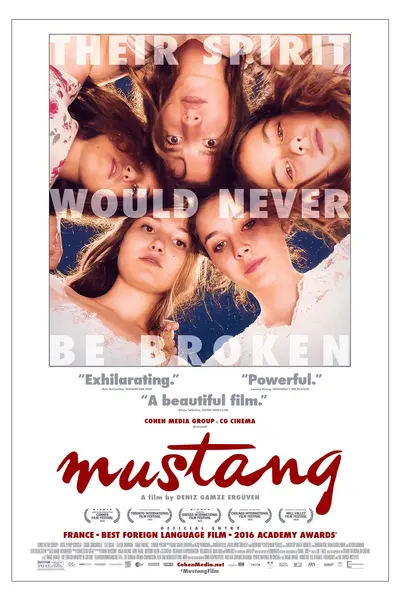
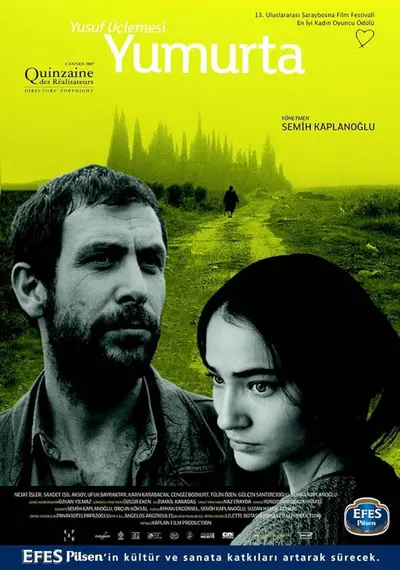
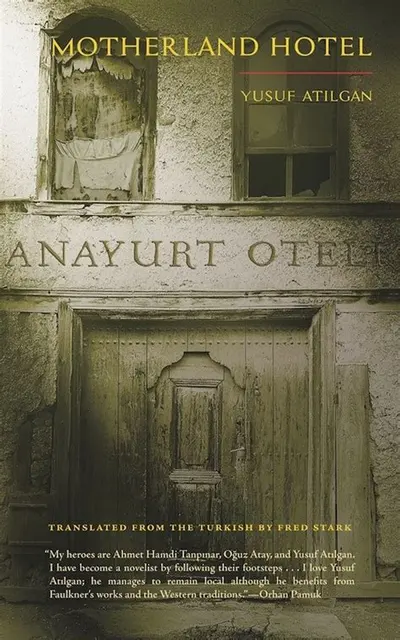
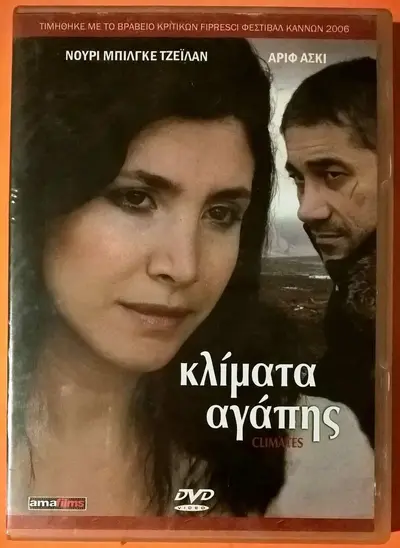
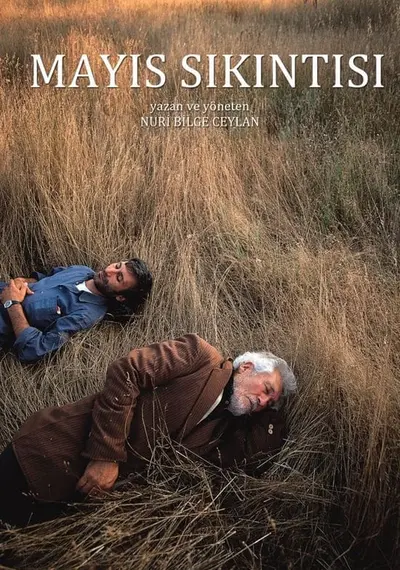
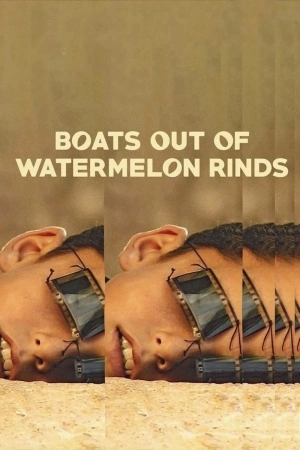
One interesting little footnote to this list: I spent a fair bit of time, as you see if you browse a bit, looking for interesting interviews with film directors from all sides. The search hasn’t been completely exhaustive, as life is too short, but I found a lot. It’s quite interesting to note that it was much harder to find interviews with Turkish directors in English or any other Western European language for that matter, than it was for any of the others - Iranians, Israelis, Palestinians and other Arabs. For relatively obvious migratory reasons, there’s almost as much in German as in English, but there really isn’t much. Especially interesting to contrast with how much attention is shown to the Iranian film industry. You can find dozens of interviews with Makhmalbaf, Ghobadi, Farhadi and other leading directors, but to take a very significant Turkish example, I can’t find a single interview in English, French or German with Zeki Demirkubuz. I probably will find something eventually, but I’ve seen nothing on YouTube so far.
Kurdish films
And then, finally (let’s assume!), inevitably, there had to be a Kurdish section. I knew that it wouldn’t take long for this to become a necessity as soon as I added the Turkish section. For transparent geopolitical reasons, all the films in this section will be found in other sections - Turkey, Iran, Iraq/Syria and maybe also the diaspora section at some point. I’m so obsessive that I created a list on Google Maps of locations in which the Kurdish films are set, to the best of my knowledge. Not all films are geolocated, and not all of the locations shown are guaranteed to be 100% accurate (they represent an assumed approximate location), but some of them are 100% confirmed.
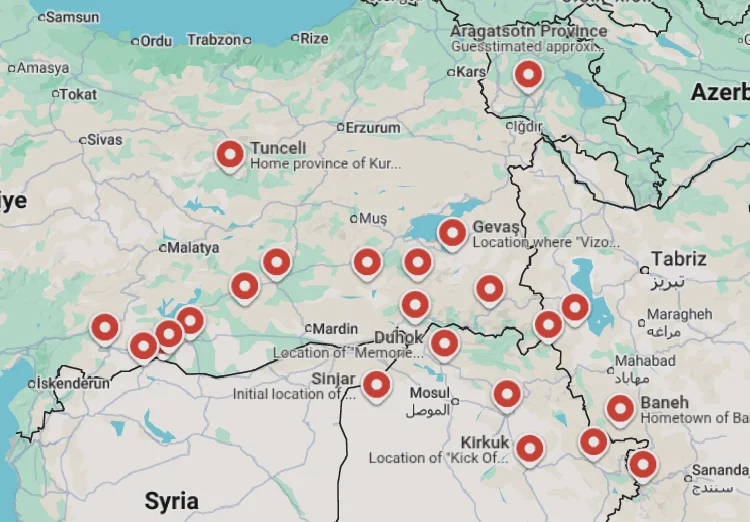
At the time of creating this section, I’ve only watched a couple of the films listed, and both of them come from the Iranian side of those mountains. The first of them, Samira Makhmalbaf’s Blackboards is one that I watched many years ago in the cinema, more or less on its release. It pretty much blew my mind. The second one is Bahman Ghobadi’s A Time for Drunken Horses, one of several Kurdish-themed movies that he has made. Ghobadi is himself Kurdish, so that makes plenty of sense.
After adding the Turkish section, researching fairly exhaustively to the point where I had identified 40-odd films that I wanted to have a look at, and then getting to the point that it was time to look for Kurdish-made films, I found things to be in an interesting position. Kurdish language and culture have of course been far more ruthlessly suppressed over the years by the Kemalist and then by the strange post-Kemalist weirdo Islamist Turkish state than in Iran and (post-Saddam) Iraq; and it turns out, as with the Iranian case, that that’s kind of a benefit to my project, because some Turkish-made Kurdish films are freely available on YouTube. Just as in Iran, I’ll assume, this is to get around Turkish government restrictions. So most (maybe all?) films by Kazim Öz are easy enough to find online, with subtitles. However, the Turkish state’s presumed obsession with making sure that some films don’t get seen may have worked against me in the case of one film, which I really want to see - Hüseyin Karabey’s Come To My Voice. It’s pretty weird. The trailer, with English language subtitles, is there on YouTube, but I can’t find the film itself anywhere. Maybe on some streaming site that I’m not aware of, but the only place that I’ve found it on sale was on the German Amazon, and irony of ironies, the whole point of a film being made in the Kurdish language is completely negated by the Germans dubbing the voices. Not many things annoy me more than that, and I’ll say that it’s one of the things that Britain gets right compared to Germany and Latin-speaking countries of Europe. That, and the famous sense of humour. Maybe not much else, alas.
No surprise that it’s hard in some cases - on all sides of those borders, but especially on the Turkish side - to put your finger on what sets a film apart as Kurdish. I suppose it’s not so different, though, from picking apart what might make a British film or any other work of art distinctively “Irish”, “Scottish” or “Welsh”. Does the average English listener have any conception of how Irish the Beatles were? Similarly, what might make a Russian work more distinctively “Ukrainian”, “Georgian” or any number of post-Soviet possibilities? How many people knew that Gogol and Bulgakov (kiiiind of!) were actually Ukrainian until Putin pressed a button with the intention of wiping out that identity, and got precisely the opposite of what he wanted? (NB, I am of course aware that some or even many Ukrainians don’t want to claim either of these two authors, but I believe that time will prove them wrong about that) The strength of hegemonic cultures is such that it’s impossible even to detect these things as an outsider until you dig a bit, even as an insider in fact.
As far as the Kurdish identity of the films listed here is concerned, then, sometimes it’s obvious and in your face, and sometimes it’s not. Kazim Öz makes it obvious enough that his films are meant to be seen as entirely Kurdish, with a big red star-shaped badge on them, and Yılmaz Erdoğan doesn’t do any such thing; but the motifs are clearly detectable once you’ve seen a few films and got a bit sensitised to them. Of course I’m sure that the latter director gets accused all the time of compliciity with the Turkish national ideology, and for sure the first Vizontele movie comes across as ticking the boxes of Orthodox Kemalism, but then the second one clearly opened doors in the popular imagination to talk about a lot of things that had been suppressed for two decades, so I suppose maybe I wouldn’t be so dismissive. Anyway, that’s for a long discussion some time.
38 films in this section.
- Law of the Border (Hudutlarin Kanunu) (dir. Lütfi Ömer Akad, 1967) Watch on Youtube (Seen?⏳❌ )
- The Herd (Sürü) (dir. Yılmaz Güney and Zeki Ökten; 1978) Watch on Youtube (Seen 👁️✔️ )
- Yol (Rê - The Road) (dir. Yılmaz Güney and Şerif Gören; 1982 - Interview) Trailer (Seen 👁️✔️ )
- A Song for Beko (Klamek ji bo Beko) (Klamek ji bo Beko) (dir. Nizamettin Ariç, 1992) Watch on Youtube (subtitles in German and French) (Seen 👁️✔️ )
- The Bandit (Eşkıya) (dir. Yavuz Turgul, 1996) Trailer (Seen 👁️✔️ )
- Journey to the Sun (Günese Yolculuk) (dir. Yeşim Ustaoğlu, 1999) Trailer (Seen 👁️✔️ )
- The Land (Ax ; Toprak) (dir. Kazım Öz, 1999) Watch on Youtube (Seen 👁️✔️ )
- A Time for Drunken Horses (Dema hespên serxweş - When the Horses Are Drunk ; Zamāni barāy-e masti-e asbhā - زمانی برای مستی اسبها) (dir. Bahman Ghobadi, 2000) Watch on Youtube (Seen 👁️✔️ )
- Blackboards ("Textê Reş" - تەختێ رەش ; Takhté siah - تخته سیاه) (dir. Samira Makhmalbaf, 2000) Watch on Youtube (Seen 👁️✔️ )
- Vizontele (dir. Yılmaz Erdoğan and Ömer Faruk Sorak; 2001) Watch on Youtube (Seen 👁️✔️ )
- Marooned in Iraq (Gomgashte i dar Aragh - گمگشتهای در عراق) (dir. Bahman Ghobadi, 2002) Watch on Youtube (Seen 👁️✔️ )
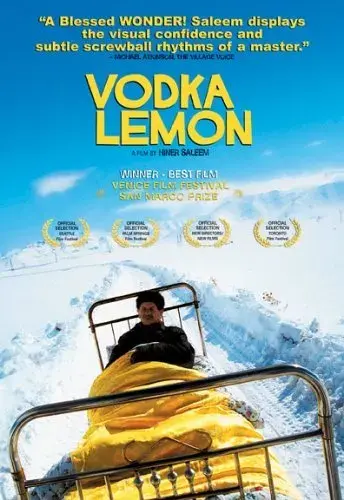
- Vodka Lemon (dir. Hiner Saleem, 2003) Watch on Youtube (Seen 👁️✔️ )
- Turtles Can Fly (Lakposhtha Parvaz Mikonand - لاکپشتها هم پرواز میکنند) (dir. Bahman Ghobadi, 2004) Trailer (Seen 👁️✔️ )
- Vizontele Tuuba (dir. Yılmaz Erdoğan, 2004) Watch on Youtube (Seen 👁️✔️ )
- Kilometre Zero (dir. Hiner Saleem, 2005) Trailer (Seen 👁️✔️ )
- Crossing The Dust ("Perrînewe le Xûbar" - پەڕینەوە لە غووبار) (dir. Shawkat Amin Korki, 2006) Watch on Youtube (Seen 👁️✔️ )
- Half Moon ("Niveyemang" - نیوەمانگ) (dir. Bahman Ghobadi, 2006) Trailer View Film Clip (Seen 👁️✔️ )
- My Marlon and Brando (Gitmek: Benim Marlon ve Brandom) (dir. Hüseyin Karabey, 2008) Trailer (Seen 👁️✔️ )
- On The Way To School (İki Dil Bir Bavul - Two Languages, One Suitcase) (dir. Özgür Doğan and Orhan Eskiköy; 2008) Trailer (Seen 👁️✔️ )
- The Storm (Bahoz ; Fırtına) (dir. Kazım Öz, 2008) Watch on Youtube (Seen 👁️✔️ )
- I Saw the Sun (Günesi Gördüm) (dir. Mahsun Kırmızıgül, 2009) Trailer (Seen 👁️✔️ )
- Kick Off (dir. Shawkat Amin Korki, 2009) Trailer (Seen 👁️✔️ )
- Son of Babylon (dir. Mohamed Al-Daradji, 2010) Watch on Youtube (Seen 👁️✔️ )
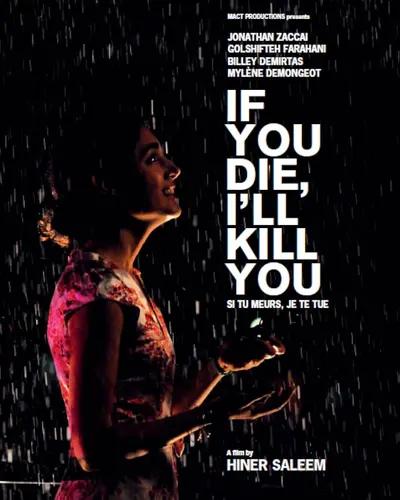
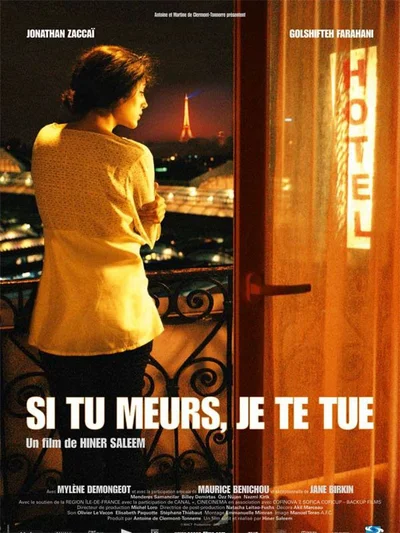
- Si tu meurs je te tue (If You Die, I'll Kill You) (dir. Hiner Saleem, 2011) Watch on Youtube (Seen?⏳❌ )
- Modest Reception (Paziraie sadeh - پذیرایی ساده) (dir. Mani Haghighi, 2012 - Interview) Trailer (Seen 👁️✔️ )
- Rhino Season (Fasl-e Kargadan - فصل کرگدن) (dir. Bahman Ghobadi, 2012) Trailer (Seen 👁️✔️ )
- My Sweet Pepper Land ("Wilatê Tijê Şîrînêkem" - وڵاتە تیژە شیرینەکەم) (dir. Hiner Saleem, 2013 - Interview) Watch on Youtube (Seen 👁️✔️ )
- Come To My Voice (Were Dengê Min ; Sesime Gel) (dir. Hüseyin Karabey, 2014 - Interview) Trailer (Seen?⏳❌ )
- Memories On Stone (Bîranînên li ser kevirî) (dir. Shawkat Amin Korki, 2014 - Interview) Trailer (Seen 👁️✔️ )
- A Flag Without a Country ("Iallaî bê wllat" - ئاڵای بێ وڵات ; Parcham bedon keshor - پرچ م بدون کشور) (dir. Bahman Ghobadi, 2015 - Interview) Watch on Youtube (Seen 👁️✔️ )
- The Miracle (Mucize) (dir. Mahsun Kırmızıgül, 2015) Watch on Youtube (with subtitles!) (Seen?⏳❌ )
- Reseba: The Dark Wind (ڕەشەبا) (dir. Hussein Hassan Ali, 2016) Watch on Youtube (Seen 👁️✔️ )
- The White Sycamore (Çinara Sipî ; Beyaz Çınar) (dir. Kazım Öz, 2016) Watch on Youtube (Seen?⏳❌ )
- Zer (dir. Kazım Öz, 2017) Watch on Youtube (Seen?⏳❌ )
- The Miracle 2: Love (Mucize 2: Ask) (dir. Mahsun Kırmızıgül, 2019) Watch on Youtube (with subtitles!) (Seen?⏳❌ )
- The Exam ("Ezmûn" - ئەزموون) (dir. Shawkat Amin Korki, 2021) Trailer (Seen 👁️✔️ )
- Kobanê (dir. Özlem Yasar, 2022) Watch on Youtube (Seen 👁️✔️ )
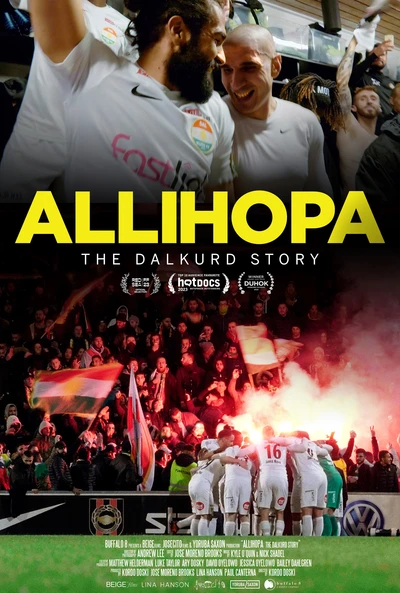
- Allihopa: The Dalkurd Story (dir. Kordo Doski, 2023) Trailer (Seen 👁️✔️ )


Films from/about the Middle East Diaspora

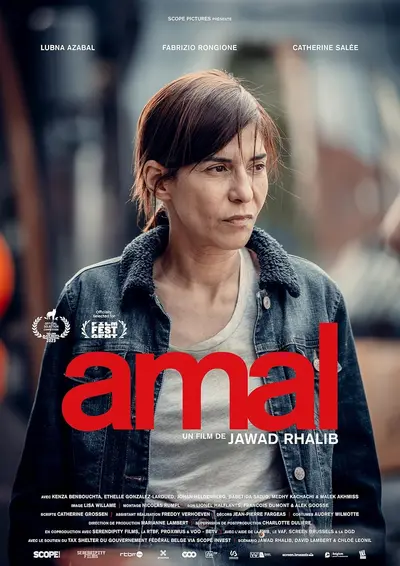
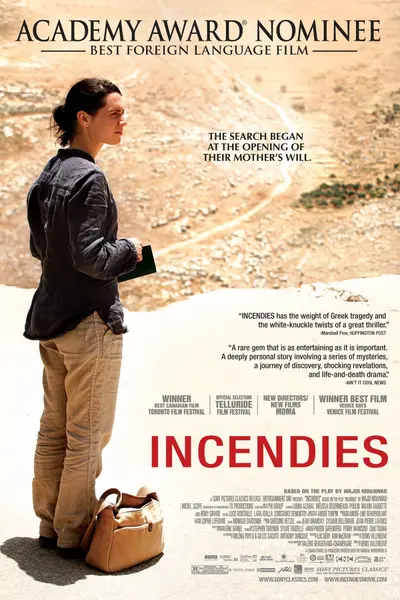
The deeper I go with all this, the more intertwined it all becomes. Jewish history very obviously demands a separate section for films coming from the diaspora in Europe, America and elsewhere, but it didn’t occur to me at the time of creating that section that I would eventually need to create a complementary section for the other side of the ledger. Becoming a big fan of the Belgian/Spanish/Moroccan actress Lubna Azabal changed this. More than anyone else I’ve come across, she straddles the Mediterranean, equally comfortable playing a Lebanese in Incendies, a Palestinian (I think) in Paradise Now, a Moroccan in The Blue Caftan and Rock the Casbah, and French or Belgian in Tel Aviv On Fire and Amal (pictured here). I haven’t seen her in something Spanish-speaking, but I suppose that must exist.
Amal (no spoilers) was the tipping point, bringing me to the understanding that there’s a whole category of films that deal with the complex issues relating to assimilation and Islamic radicalisation in European societies. Colonial history dictates that France and Belgium (by extension from France, I assume) are the crucible for this as far Arabs are concerned, but not only France and Belgium of course. Layla M (pictured) comes from the Netherlands, for example. And then if you’re going to talk about this subject you’ve also got the enormous, complicated Turkish (and don’t forget also Kurdish) community in Germany, which in turn means that I’m probably going to have to start talking about Turkish and Kurdish films as well, doesn’t it? There’s already some Kurdish content, coming mainly from the amazing Iranian-Kurdish director Bahman Ghobadi. Aaaaaah, it’s getting bigger and bigger. And then, in turn, do I add films relating to Muslim communitiees in Britain? Primarily from Pakistan and Bangladesh. Can we stretch geography to suggest that either of those are in the Middle East? Obviously we cannot. But do the issues of the Middle East impinge on their political and cultural attitudes towards Britain and the West in general, and are there analogies to the Arab communities in France and Belgium and the Turks in Germany? Blatantly they do, and clearly there are, yes; but for the time being I’m going to draw a very strict line excluding anything to the east or south of Iran and Afghanistan.
32 films in this section.
- Tea in the Harem (dir. Mehdi Charef, 1985) Watch on Youtube (Seen?⏳❌ )
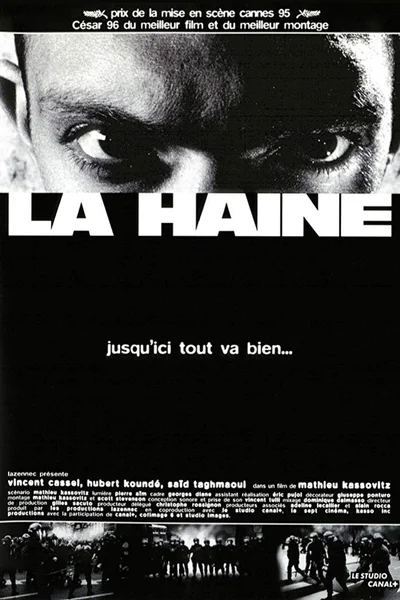
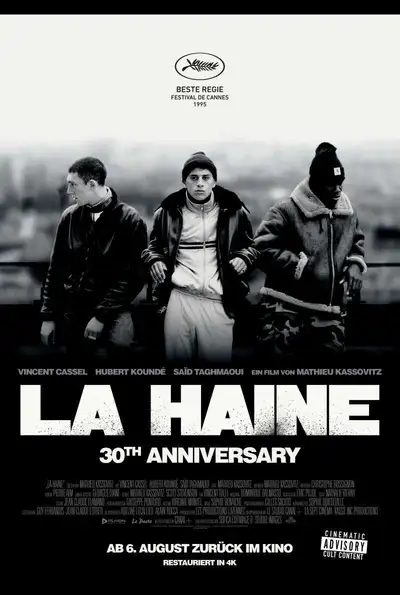
- La Haine (dir. Mathieu Kassovitz, 1995) Trailer (Seen?⏳❌ )
- Hamam (Il Bagno Turco) (dir. Ferzan Özpetek, 1997) Watch on Youtube (Seen?⏳❌ )
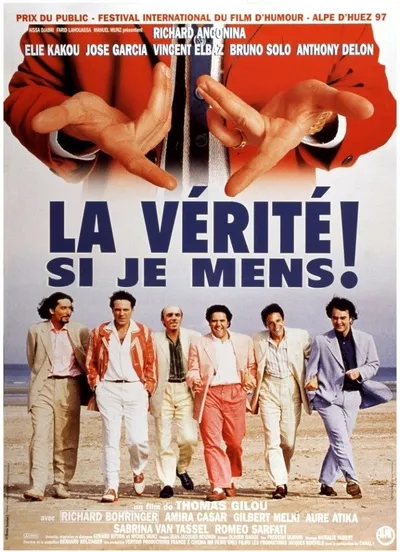
- La Vérité si je mens ! (Would I Lie to You?) (dir. Thomas Gilou, 1997) Trailer (Seen?⏳❌ )
- Chouchou (dir. Merzak Allouache, 2003) Trailer (Seen?⏳❌ )
- Vodka Lemon (dir. Hiner Saleem, 2003) Watch on Youtube (Seen 👁️✔️ )
- Head-On, AKA Gegen die Wand (Duvara Karşı - Against the Wall) (dir. Fatih Akın, 2004 - Interview) Trailer (Seen 👁️✔️ )
- House of Sand and Fog (dir. Vadim Perelman, 2005) Trailer (Seen?⏳❌ )
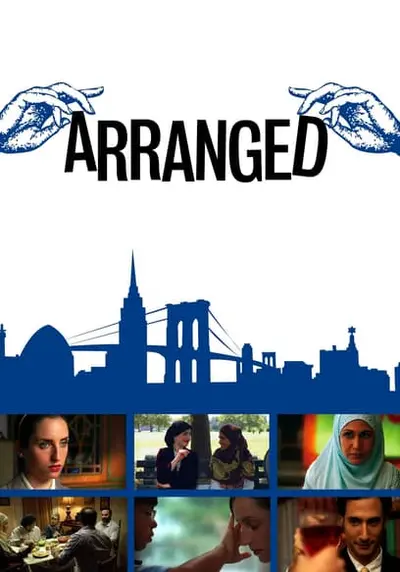
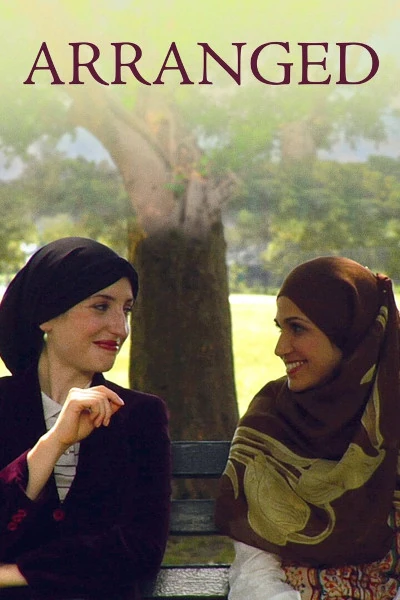
- Arranged (dir. Diane Crespo and Stefan C. Schaefer; 2007) Trailer (Seen?⏳❌ )
- Persepolis (dir. Vincent Paronnaud and Marjane Satrapi; 2007) Trailer (Seen 👁️✔️ )
- The Edge of Heaven, AKA Auf der anderen Seite (Yaşamın Kıyısında - On the Edge of Life) (dir. Fatih Akın, 2007) Trailer (Seen 👁️✔️ )
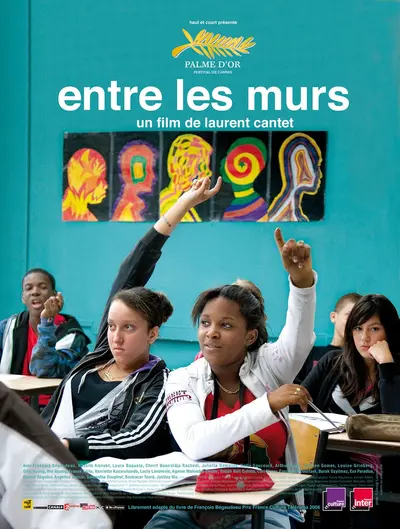
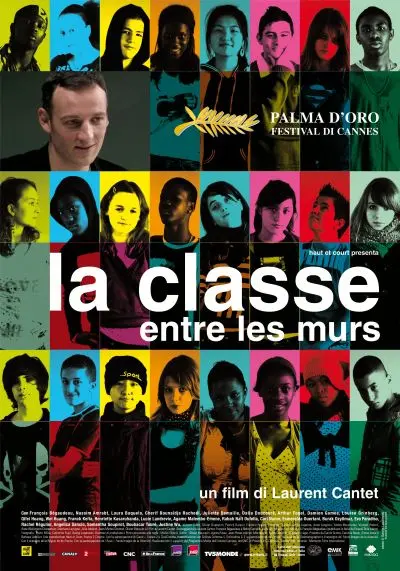
- Entre les murs (The Class) (dir. Laurent Cantet, 2008) Trailer (Seen?⏳❌ )
- Almanya - Welcome to Germany (dir. Yasemin Samdereli, 2010) Trailer (Seen?⏳❌ )
- Die Fremde, AKA When We Leave (Ayrılık - Separation) (dir. Feo Aladağ, 2010 - Interview) Watch on Youtube (Seen 👁️✔️ )
- Do Not Forget Me, Istanbul (dir. Hüseyin Karabey, Hany Abu-Assad and Others; 2010) Trailer (Seen 👁️✔️ )
- Incendies (dir. Denis Villeneuve, 2010) Trailer (Seen 👁️✔️ )
- Circumstance (Šar'ayet - شرایط) (dir. Maryam Keshavarz, 2011 - Interview) Trailer (Seen 👁️✔️ )
- Si tu meurs je te tue (If You Die, I'll Kill You) (dir. Hiner Saleem, 2011) Watch on Youtube (Seen?⏳❌ )
- Rhino Season (Fasl-e Kargadan - فصل کرگدن) (dir. Bahman Ghobadi, 2012) Trailer (Seen 👁️✔️ )
- The Gardener (Bāghbān - باغبان) (dir. Mohsen Makhmalbaf, 2012) Watch on Youtube (Seen 👁️✔️ )
- My Sweet Pepper Land (dir. Hiner Saleem, 2013 - Interview) Watch on Youtube (Seen 👁️✔️ )
- The Past (Gozashte - گذشته) (dir. Asghar Farhadi, 2013 - Interview) Trailer (Seen 👁️✔️ )
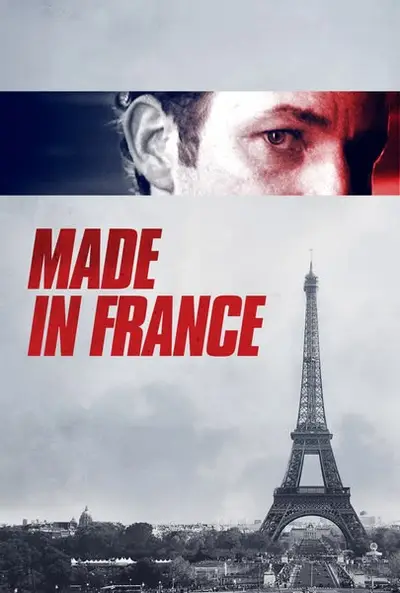
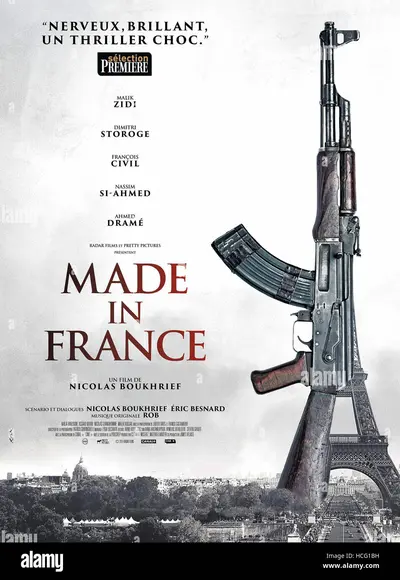
- Made In France (dir. Nicolas Boukhrief, 2015) Trailer (Seen?⏳❌ )
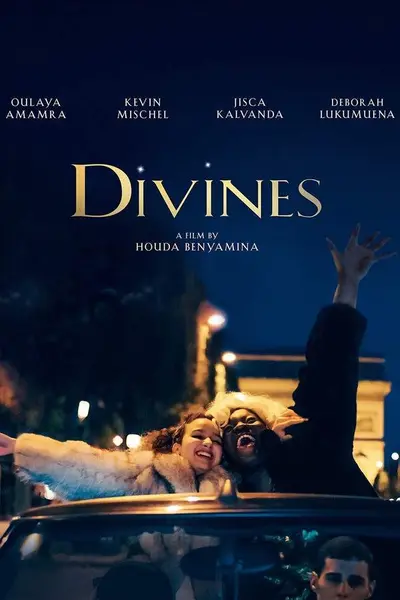
- Divines (dir. Houda Benyamina, 2016) Trailer (Seen?⏳❌ )
- Layla M (dir. Mijke de Jong, 2016) Trailer (Seen 👁️✔️ )
- Limbo (dir. Ben Sharrock, 2020 - Interview) Trailer (Seen 👁️✔️ )
- Memory Box (dir. Joana Hadjithomas and Khalil Joreige, 2021 - Interview) Trailer (Seen 👁️✔️ )
- Holy Spider (Ankabut-e moqaddas - عنکبوت مقدس) (dir. Ali Abbasi, 2022 - Interview) Trailer (Seen 👁️✔️ )
- Allihopa: The Dalkurd Story (dir. Kordo Doski, 2023) Trailer (Seen 👁️✔️ )
- Amal (dir. Jawad Rhalib, 2023) Trailer (Seen 👁️✔️ )
- Opponent (Dashman - دشمن) (dir. Milad Alami, 2023 - Interview) Trailer (Seen 👁️✔️ )
- Reading Lolita in Tehran (Lolita khani dar taharan - لولیتا خوانی در تهران) (dir. Eran Riklis, 2023 - Interview) Trailer (Seen 👁️✔️ )

Orientalist Films
Not going to recapitulate Edward Said here. Over to you, if you’re not familiar, to go away and read in detail all about what Orientalism is. Let’s summarise it, though, by taking these three definitions from wiktionary.org:
- (art, architecture, literature) The tendency to represent eastern subjects, to assume stylistical characteristics original of the East, especially in 19th century Europe.
- (countable) An Eastern word, expression or custom.
- (postcolonialism, capitalized) A patronizing Western attitude towards Middle Eastern, Asian and North African societies.
It’s of course definition #3 that I’m engaging with here, and Said’s criticism is/was that Western scholarship in the nineteenth century, and through into the twentieth, developed a way of representing the East that was ostensibly looking academically at the East, but was in reality insidiously developing tropes that were to be used to diminish the stature of Eastern cultures and thereby to argue that Western domination was inevitable. That’s the argument in a nutshell. Every form of racism has its own set of founding principles, and they’re all a bit different from each other.
The obvious comment that follows is that “the East” is a very big part of the world, and different versions of Orientalism have been employed for each case of Western domination over a certain Eastern culture. This being the Middle East, though, we are referring here to Orientalism in its original form, as it was developed initially in France to curate and subjugate what was then known more often as the *Near East. That would be the East that stretches across Western Asia from Anatolia, Egypt and the Levant through Mesopotamia and Iran, all the way to Afghanistan and the Hindu Kush, and that means that Britain’s discourse had to catch up soon enough with France’s as the nineteenth century colonial race ran its course.

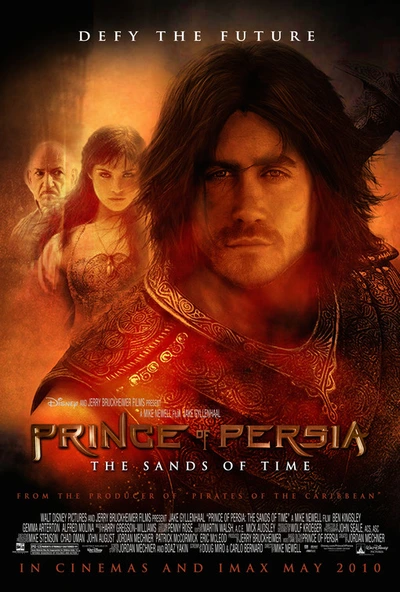
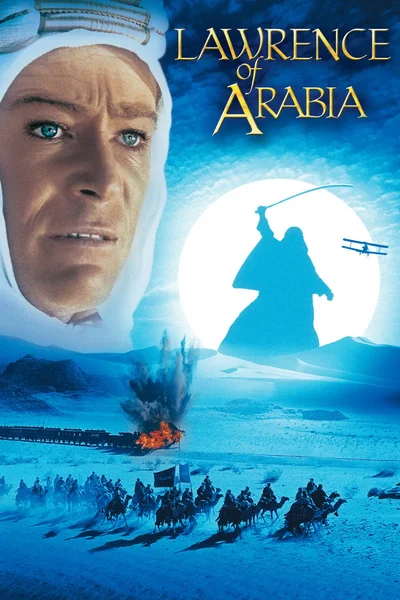
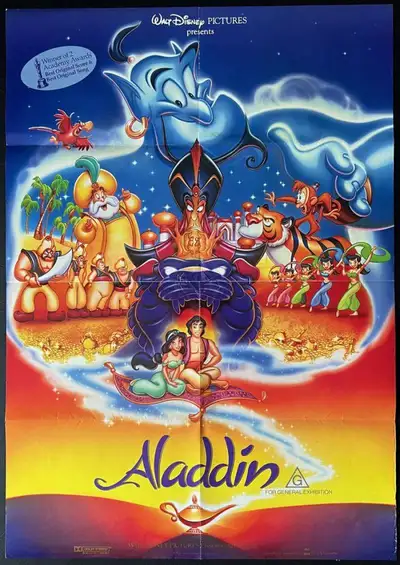
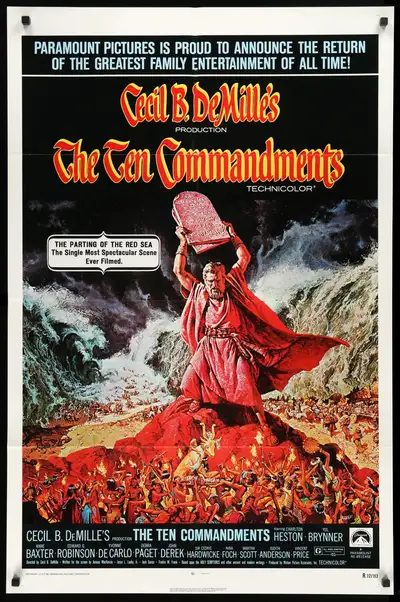
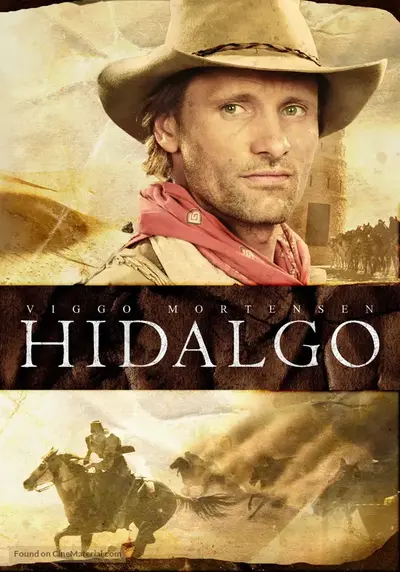
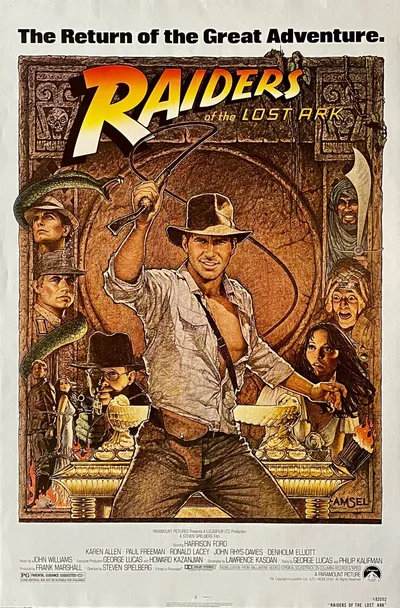
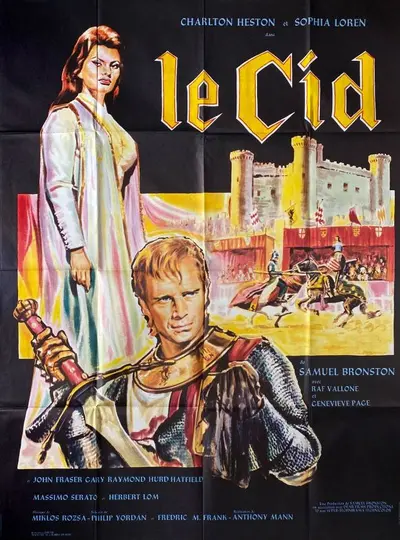
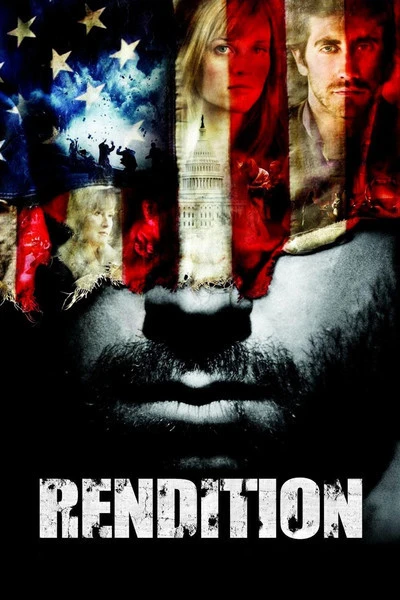
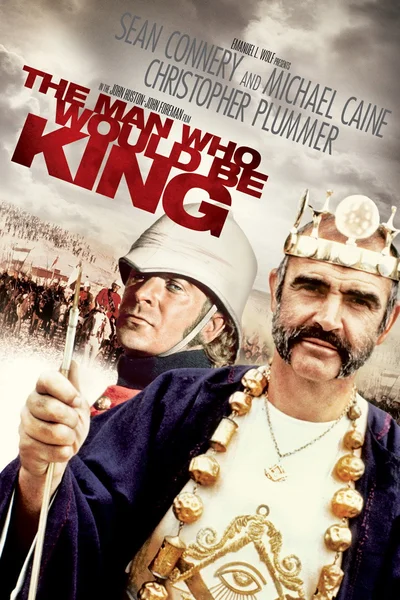
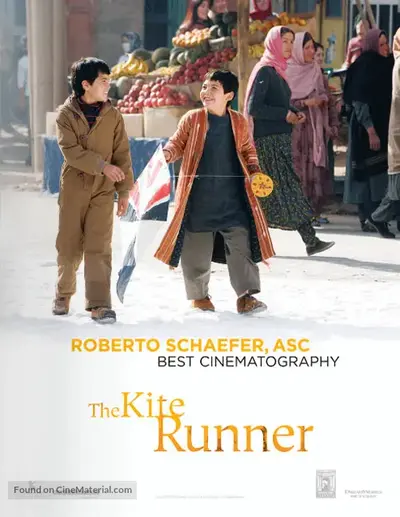
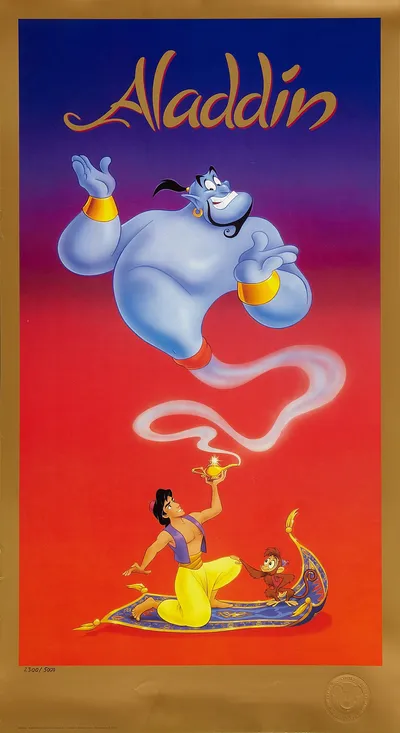
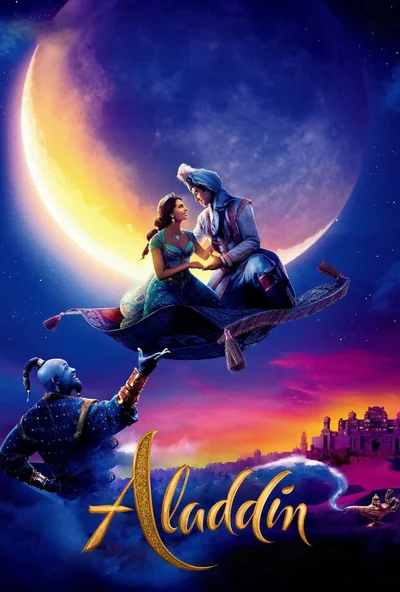
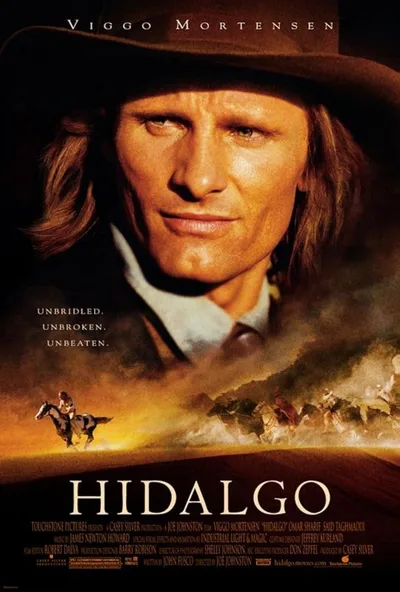
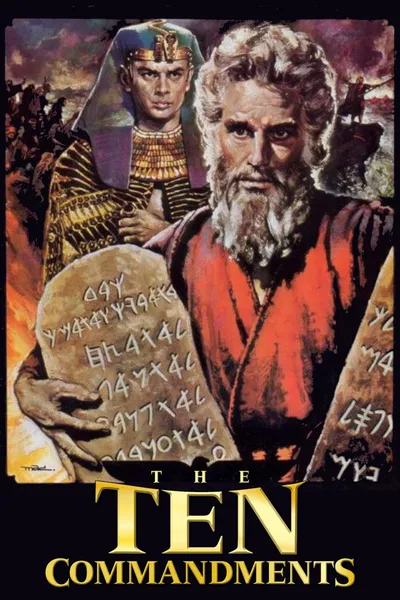
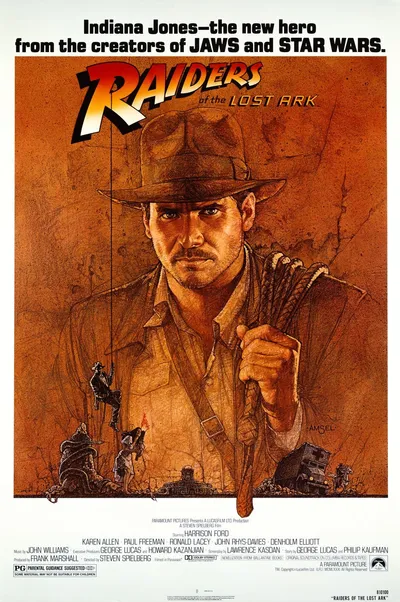
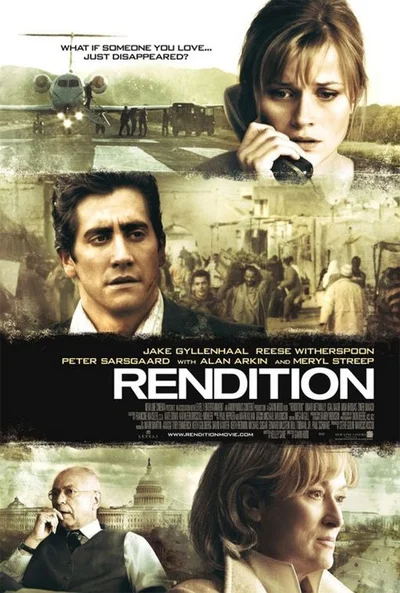
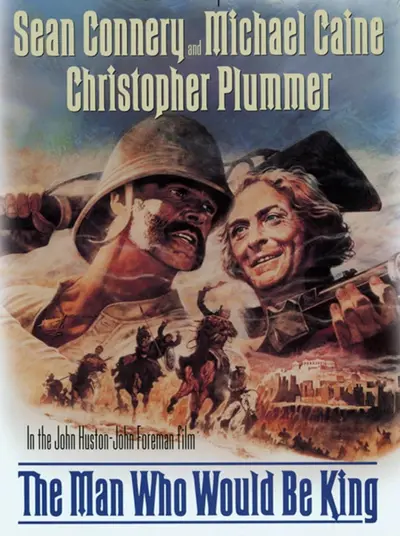
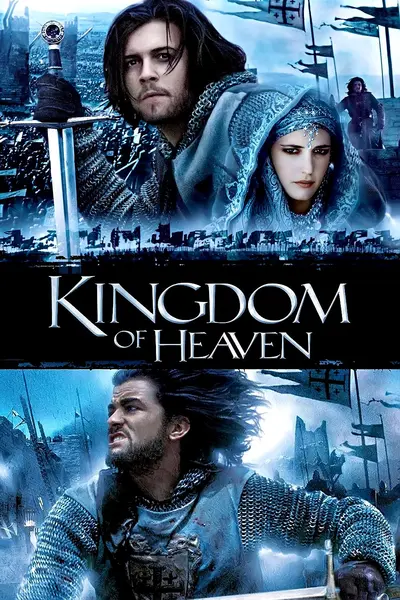
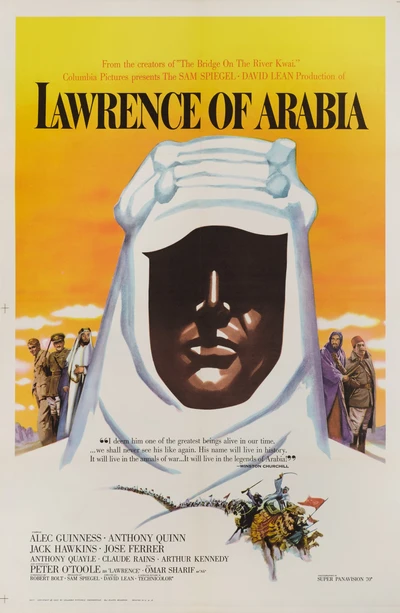
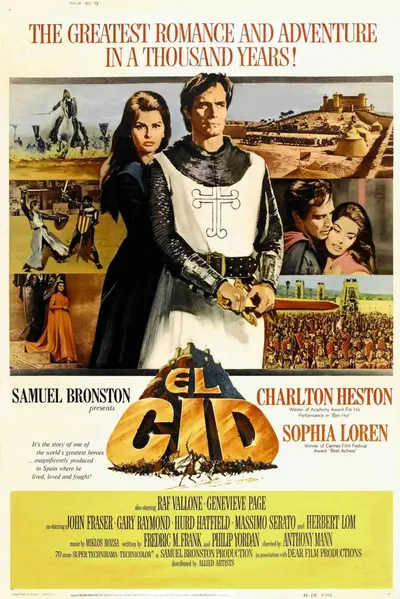
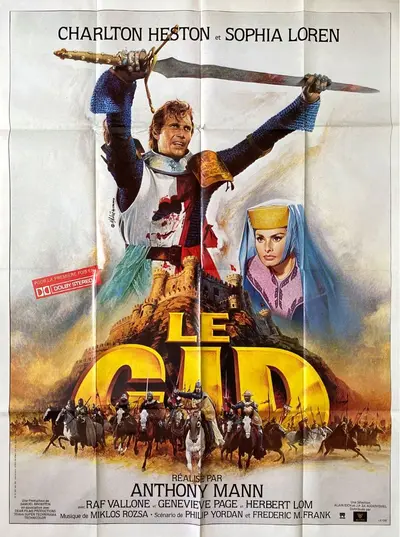
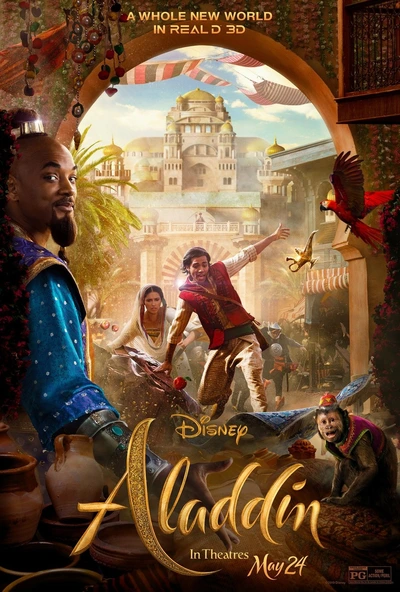
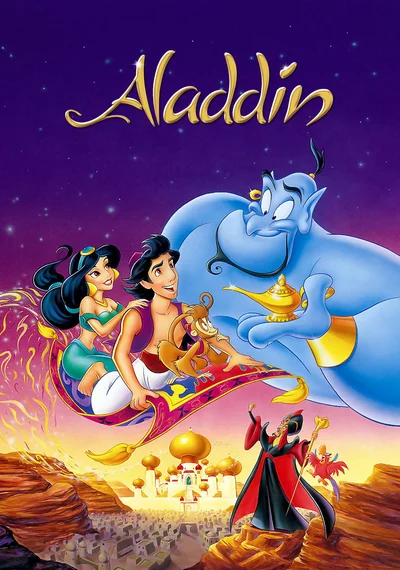
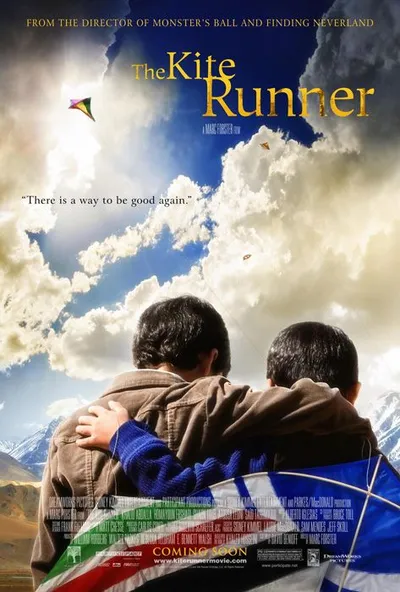
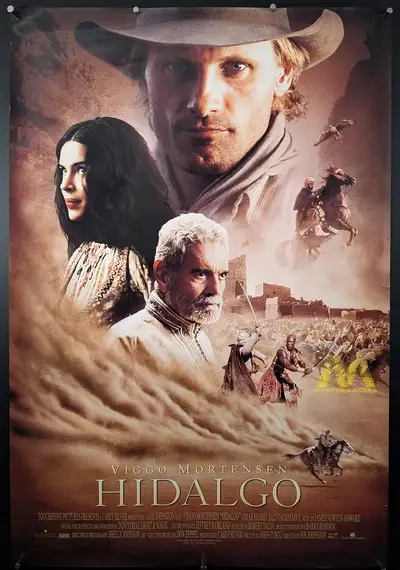
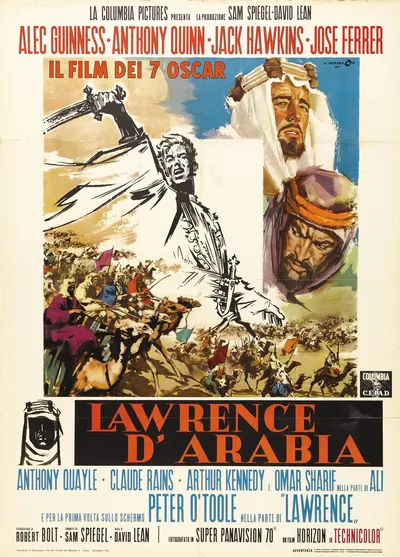
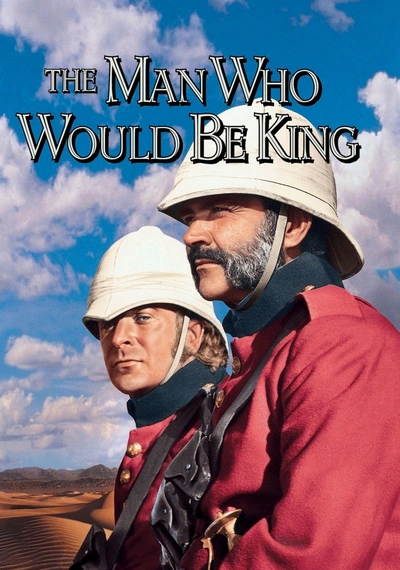
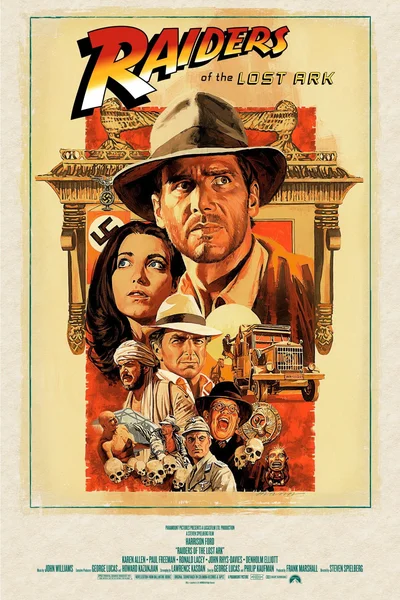
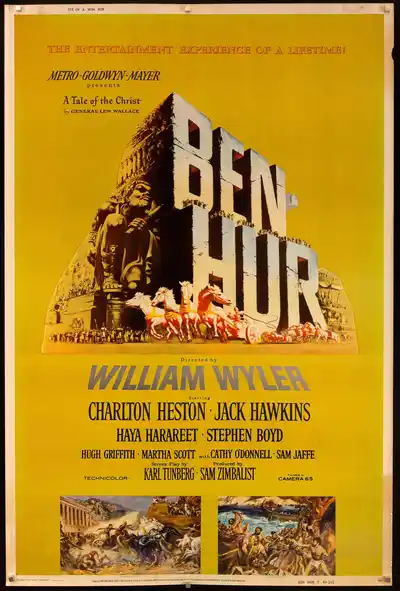
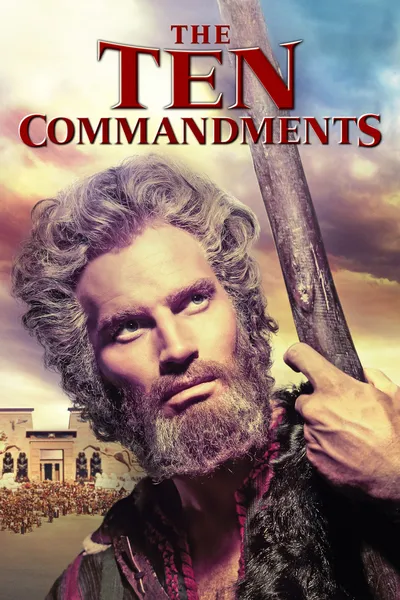
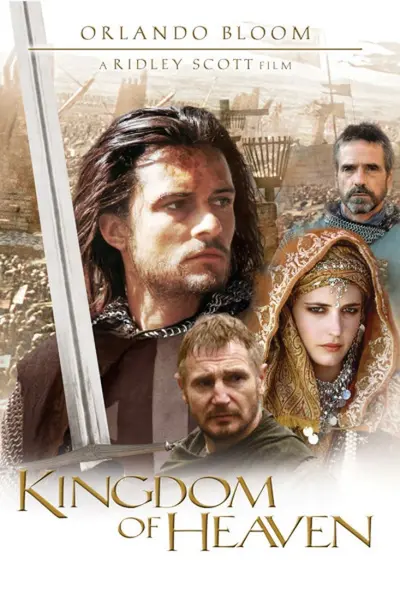
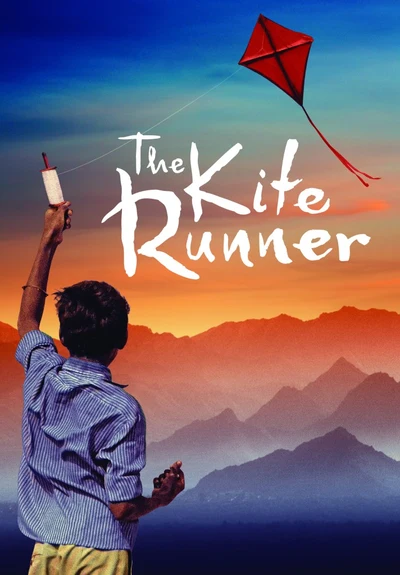
Some of the films that I’m listing here are not BAD films. They can be entertaining, within their own limitations. The Man Who Would Be King is the guilty pleasure that I’ll admit to. I still enjoy it, despite its obvious dodginess by today’s standards. Some of the films here might also be well intentioned (which is why they also appear in the section below this one). What all the films on this list have in common, to a greater or a lesser degree, is that they can all be critiqued within the Orientalist framing. Some of them, most notably The Mummy, fall into the classic “so good it’s bad” category. Some, however, are egregious flaming acts of artistic self-immolation. Looking at the poster floating to the right of this paragraph, which I won’t even name, and which is EASILY one of the worst high-budget Hollywood films that I’ve ever seen.
At the time of creating this list, I haven’t watched so many of the films here. There are actually a few that I watched in the past, but I’ll leave them marked as unseen until I’ve watched them again with a critical eye, with the goal of course that I’ll write a post or two about them eventually. It may be that I end up deciding that some of them are not so bad, and don’t belong in this section, and vice versa it may be that some films from the “Worthy Western” section end up here.
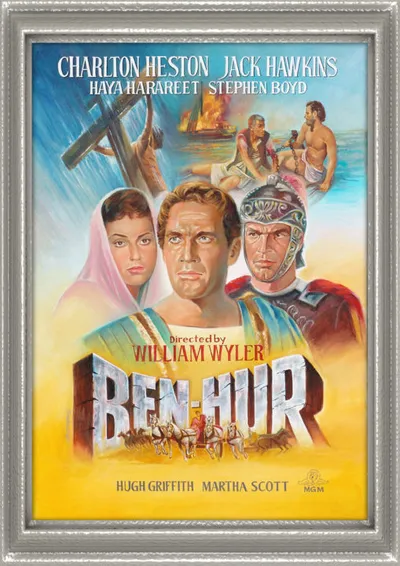
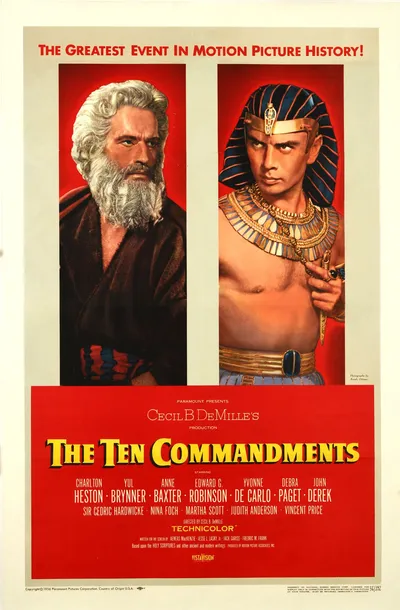
Notice, also, that there are some films here that overlap with the Biblical half of the section on Biblical and Zionist Mythology that I added, at the same time as this one, to the section on Israeli and Jewish-themed films. We can argue (and we don’t have to agree) that there’s a conscious self-orientalisation (in the unlikely form of Charlton Heston) that coincides with the creation of the State of Israel, which needed Oriental credits in its early days, before it metamorphosed into the much more obviously Middle Eastern place that it is today. That’s another very complicated box for Pandora to open, and I think that I’ll be forced to revise my thinking about this taxonomy more than once. However, I’m going to set this up for now, just to get started.
16 films in this section.
- The Ten Commandments (dir. Cecil B. DeMille, 1956) Watch on Youtube (Seen?⏳❌ )
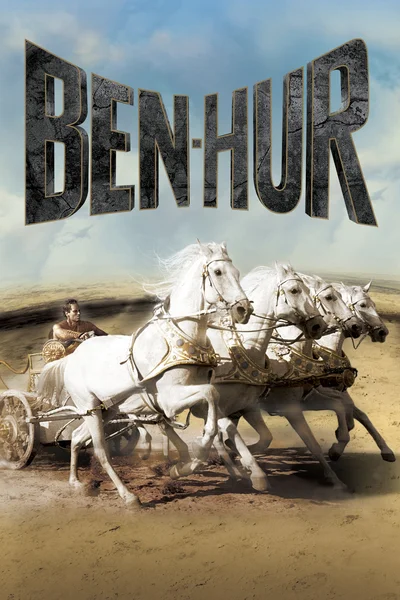
- Ben-Hur (dir. William Wyler, 1959) Watch on Youtube (Seen?⏳❌ )
- El Cid (dir. Anthony Mann, 1962) Watch on Youtube (Seen?⏳❌ )
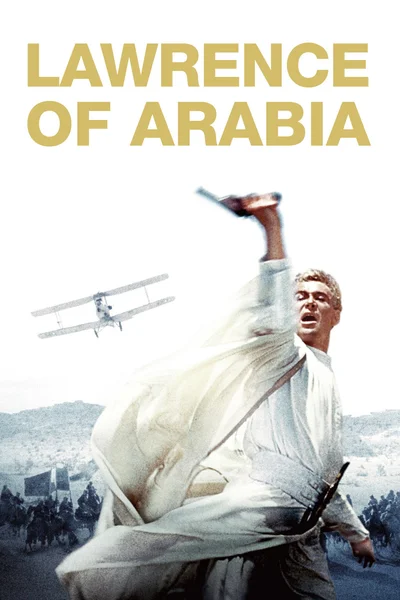
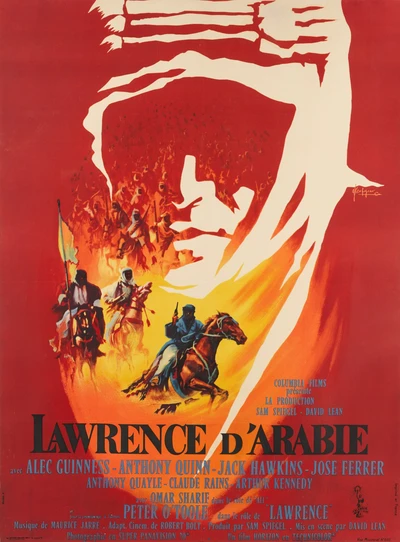
- Lawrence of Arabia (dir. David Lean, 1962) Trailer (Seen?⏳❌ )
- The Man Who Would Be King (dir. John Huston, 1975) Watch on Youtube (Seen?⏳❌ )
- Raiders of the Lost Ark (dir. Steven Spielberg, 1981) Trailer (Seen?⏳❌ )
- Not Without My Daughter (dir. Brian Gilbert, 1991) Trailer (Seen?⏳❌ )
- Aladdin (dir. Ron Clements and John Musker; 1992) Trailer (Seen?⏳❌ )
- The Mummy (1999) Trailer (Seen?⏳❌ )
- Hidalgo (dir. Joe Johnston, 2004) Trailer (Seen?⏳❌ )
- Kingdom of Heaven (dir. Ridley Scott, 2005) Trailer (Seen 👁️✔️ )
- Rendition (dir. Gavin Hood, 2007) Trailer (Seen?⏳❌ )
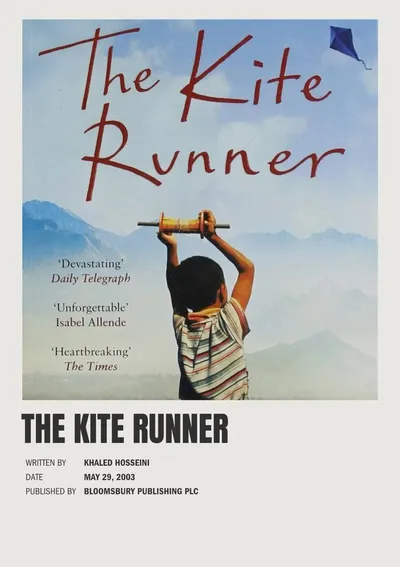
- The Kite Runner (dir. Marc Forster, 2007) Trailer (Seen?⏳❌ )
- Prince of Persia: The Sands of Time (dir. Mike Newell, 2010) Trailer (Seen?⏳❌ )
- Beirut (dir. Brad Anderson, 2018) Trailer (Seen 👁️✔️ )
- Aladdin (dir. Guy Ritchie, 2019) Trailer (Seen?⏳❌ )




Worthy Western Films
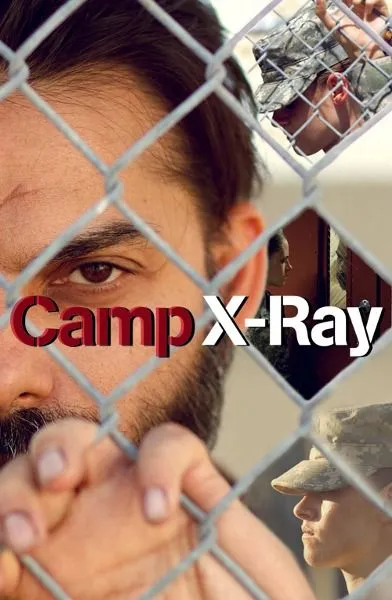
Not as many complicated words needed here as in the previous section. These are films made in “the West” - working definition: “Europe and North America”. Apologies to Latin America, but those continents are of course what count in this power relationship. In contrast to the films in the section above, these are films that reflect more humbly about the way that they represent the people who inhabit the Middle East, trying to avoid the classic stereotypes. They don’t all get it right, and certainly not all of the time, which is why some of them do inevitably also find themselves in the Orientalist section. A harsher critic than me will probably dump every single one of them in that bucket. It’s common in these times to condemn to eternal cancelation anyone or anything that only once infringes a limit, but I prefer to assume decent intentions before rushing to total condemnation.
Appropriate, then, that the list begins in 1966 with one of the first genuinely post-colonial European movies - The Battle of Algiers - made while the dust of the Algerian War had hardly even settled. At the time of creating the list, I haven’t actually watched it yet, and I’ve got a looooooot of Iranian films to get through, but of course I know its reputation. It will be seminal when I get around to examining the films in this section. From more recent times, there’s a lot of Afghanistan and Iraq content, of course. Not that the United States has quite got over itself at the time of writing (April 2026). What’s it gonna take?
13 films in this section.
- The Battle of Algiers (dir. Gillo Pontecorvo, 1966) Watch on Youtube (Seen?⏳❌ )
- Three Kings (dir. David O. Russell, 1999) Trailer (Seen?⏳❌ )
- Jarhead (dir. Sam Mendes, 2005) Trailer (Seen?⏳❌ )
- Syriana (dir. Stephen Gaghan, 2005) Trailer (Seen?⏳❌ )
- Rendition (dir. Gavin Hood, 2007) Trailer (Seen?⏳❌ )
- The Kite Runner (dir. Marc Forster, 2007) Trailer (Seen?⏳❌ )
- Entre les murs (The Class) (dir. Laurent Cantet, 2008) Trailer (Seen?⏳❌ )
- The Hurt Locker (dir. Kathryn Bigelow, 2008) Trailer (Seen?⏳❌ )
- Incendies (dir. Denis Villeneuve, 2010) Trailer (Seen 👁️✔️ )
- Camp X-Ray (dir. Peter Sattler, 2014) Trailer (Seen?⏳❌ )
- Beirut (dir. Brad Anderson, 2018) Trailer (Seen 👁️✔️ )
- Limbo (dir. Ben Sharrock, 2020 - Interview) Trailer (Seen 👁️✔️ )
- Shoshana (dir. Michael Winterbottom, 2023 - Interview) Trailer (Seen 👁️✔️ )